Department of Genome Sciences, University of Washington, Seattle, Washington, USA.
European Molecular Biology Laboratory (EMBL), Genome Biology Unit, Heidelberg, Germany.
Nature. 2018 Mar 22;555(7697):538-542. doi: 10.1038/nature25981. Epub 2018 Mar 14.
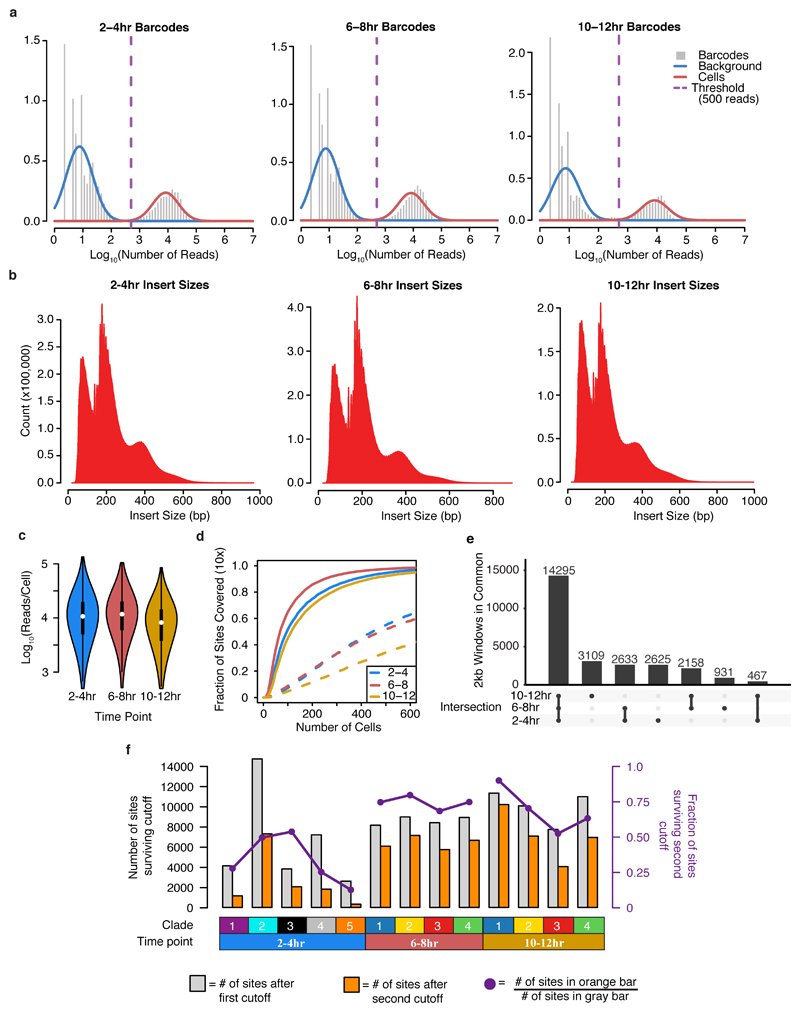
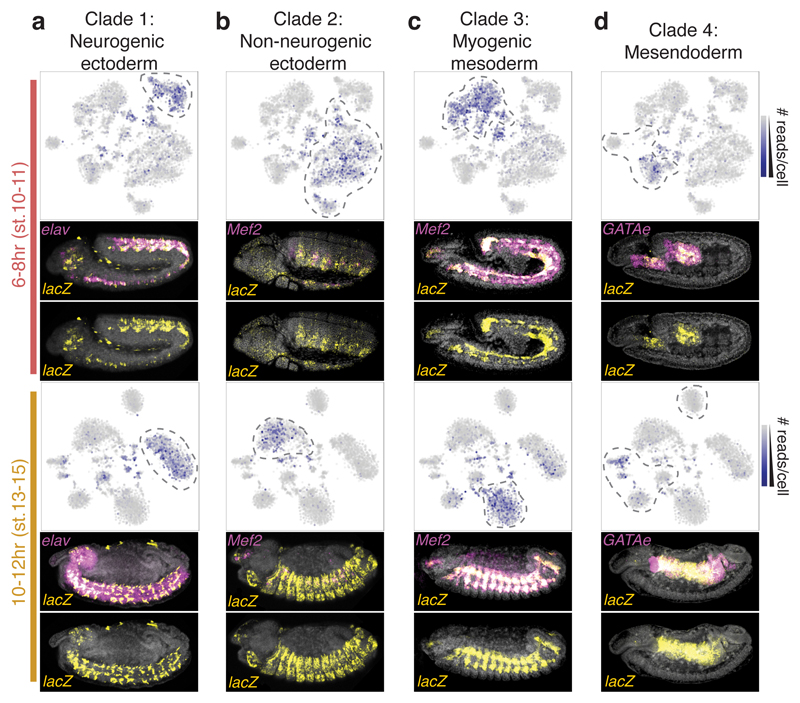
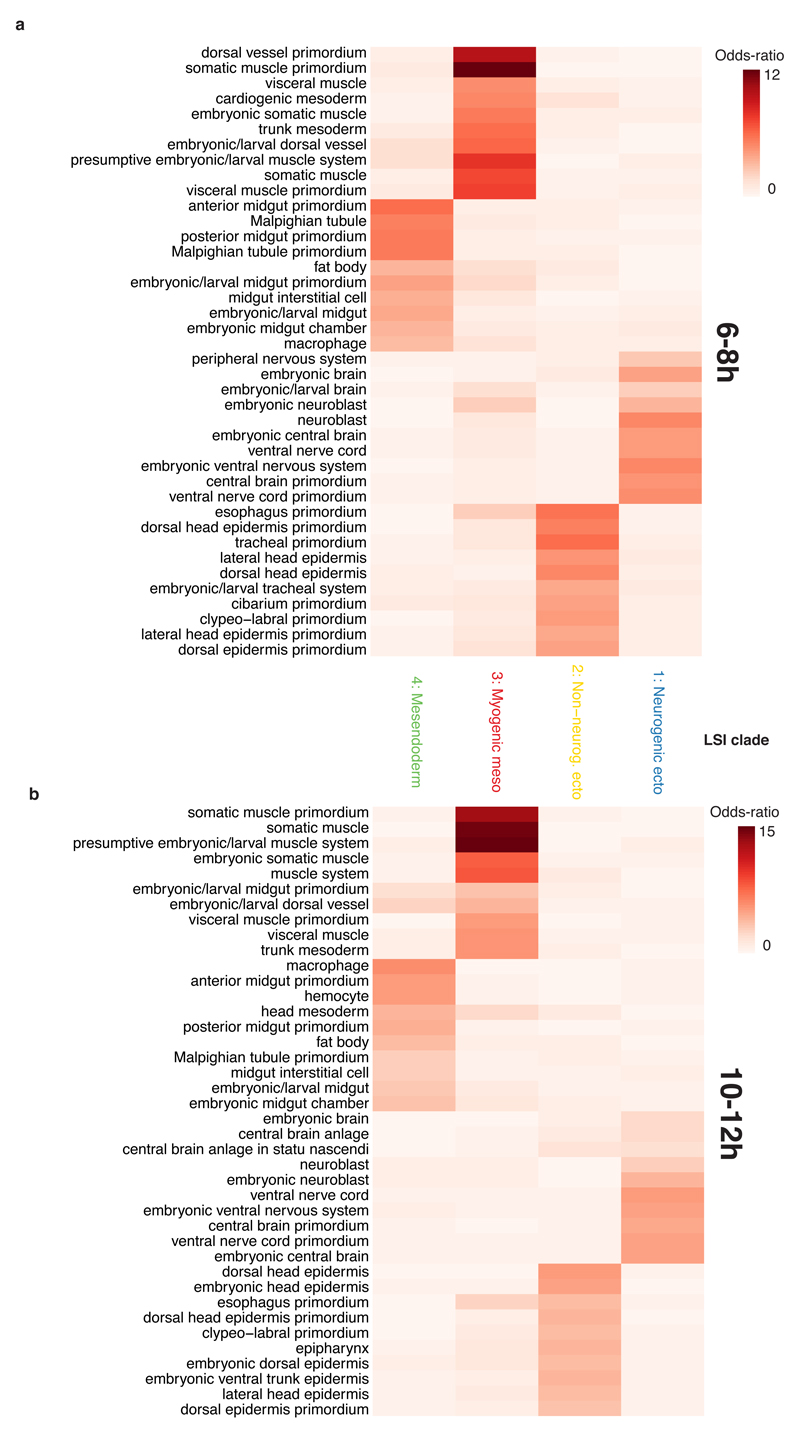
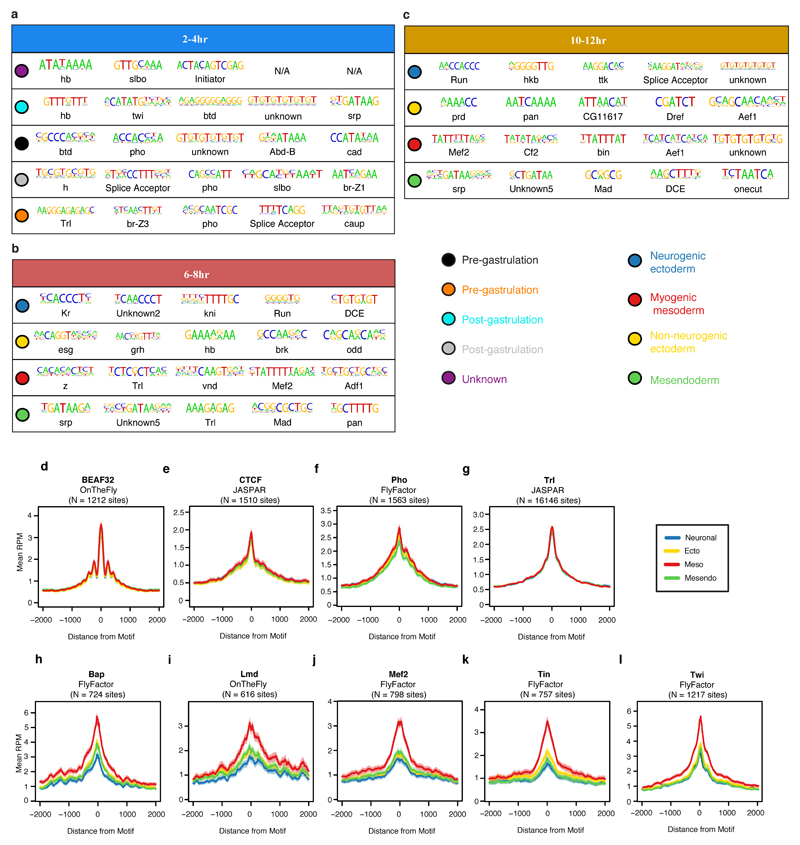
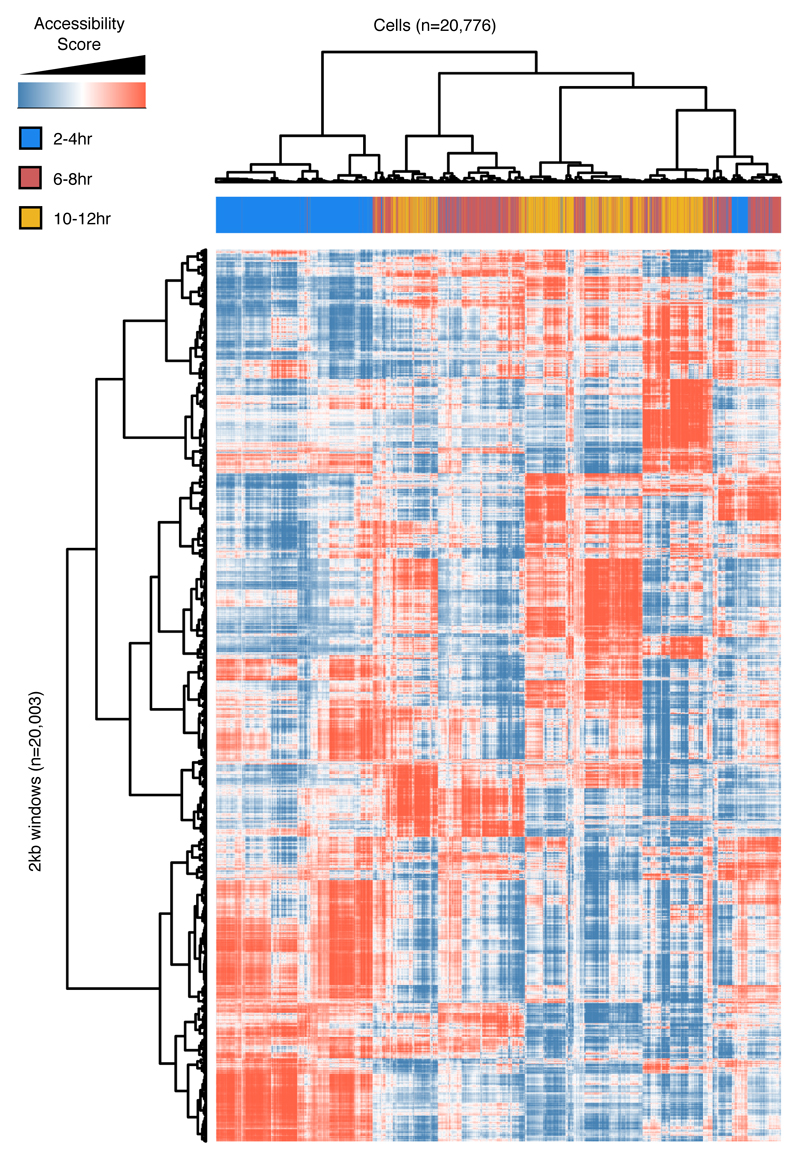
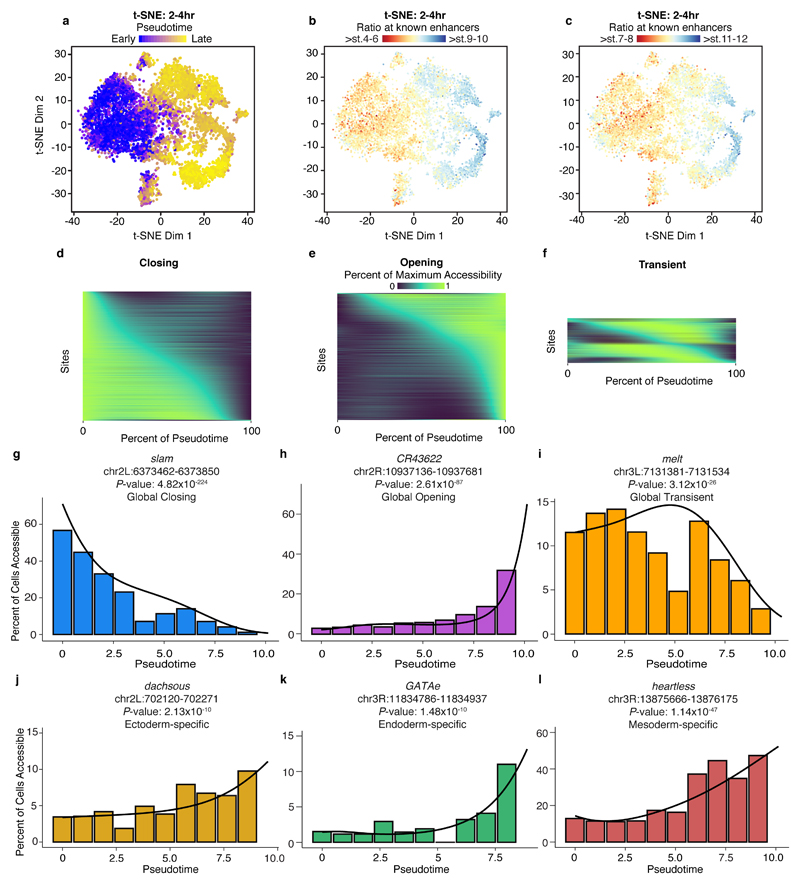
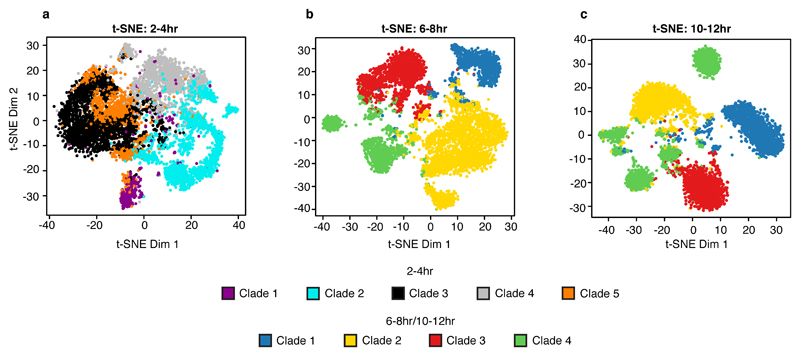
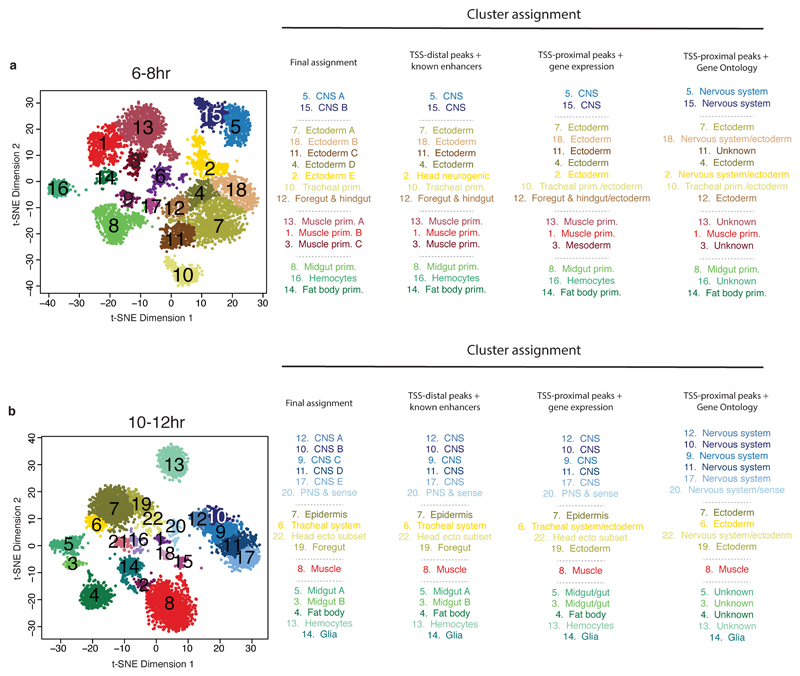
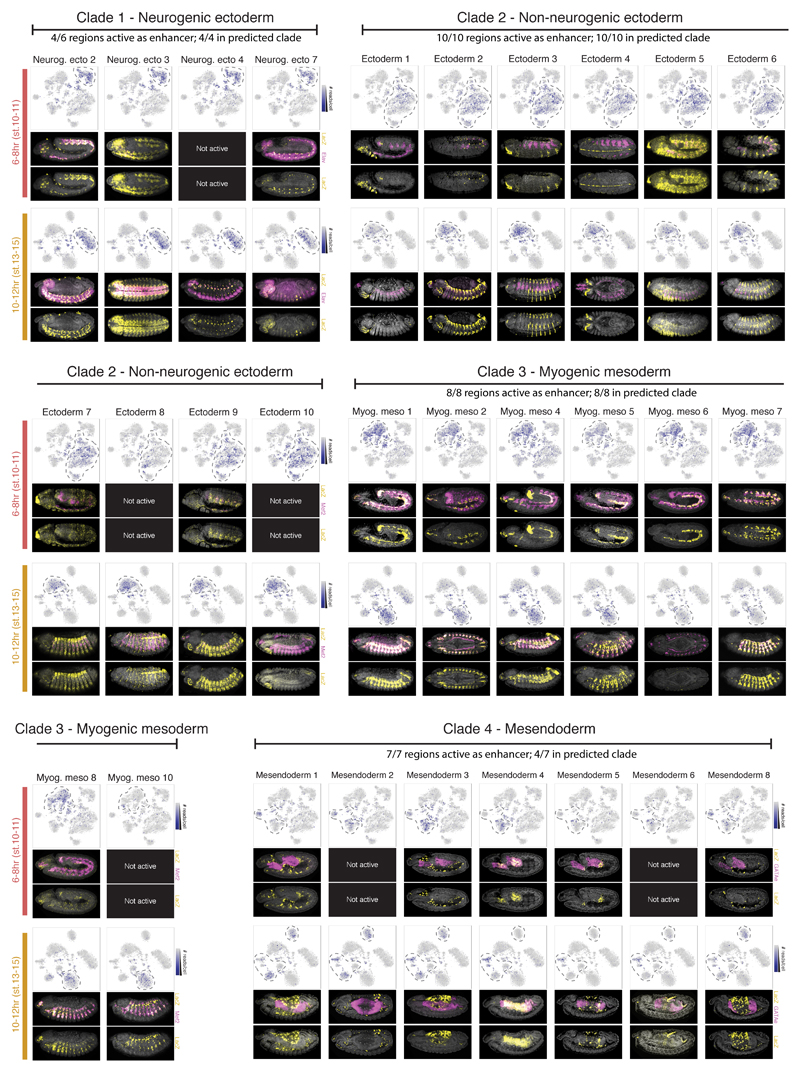
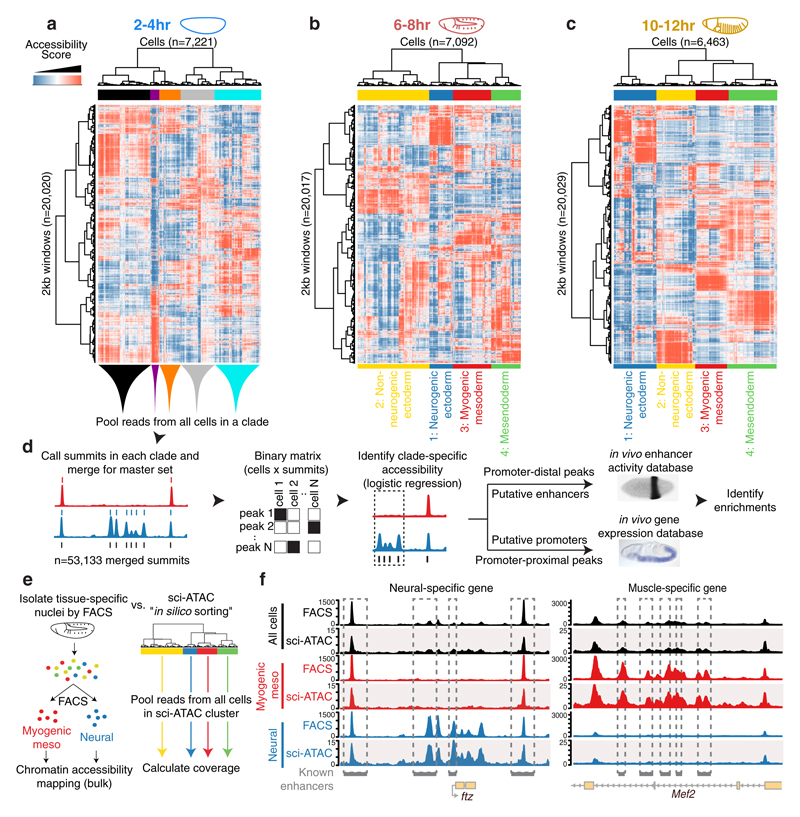
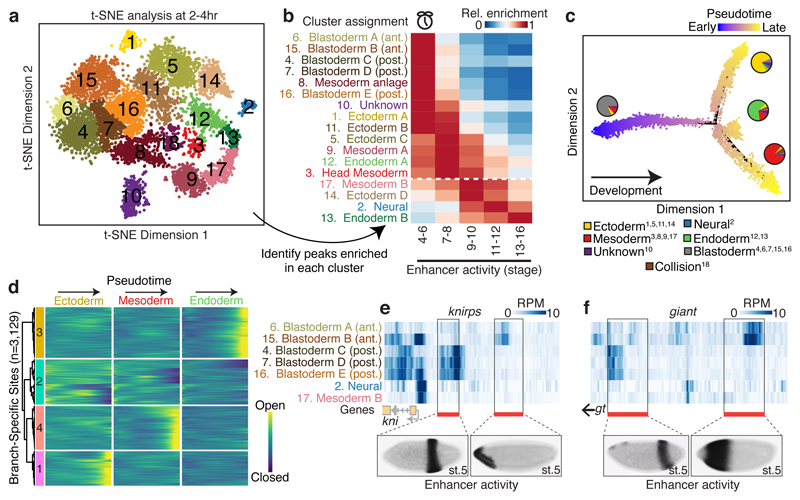
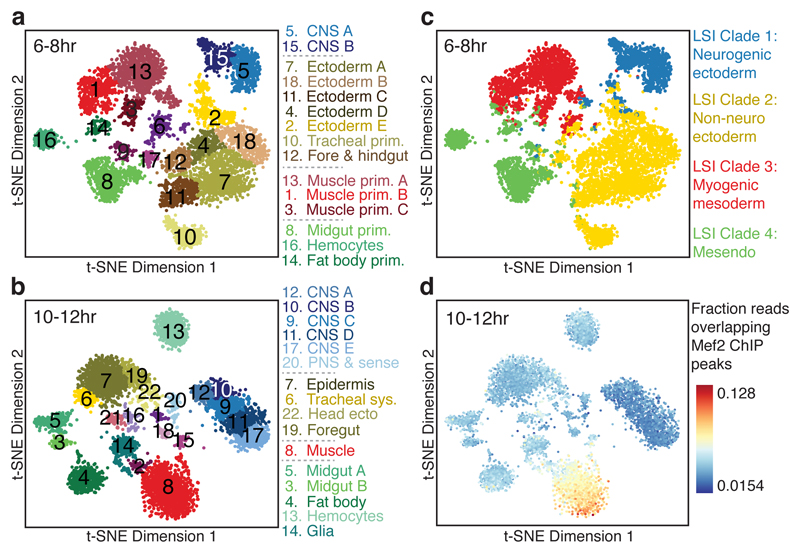
Understanding how gene regulatory networks control the progressive restriction of cell fates is a long-standing challenge. Recent advances in measuring gene expression in single cells are providing new insights into lineage commitment. However, the regulatory events underlying these changes remain unclear. Here we investigate the dynamics of chromatin regulatory landscapes during embryogenesis at single-cell resolution. Using single-cell combinatorial indexing assay for transposase accessible chromatin with sequencing (sci-ATAC-seq), we profiled chromatin accessibility in over 20,000 single nuclei from fixed Drosophila melanogaster embryos spanning three landmark embryonic stages: 2-4 h after egg laying (predominantly stage 5 blastoderm nuclei), when each embryo comprises around 6,000 multipotent cells; 6-8 h after egg laying (predominantly stage 10-11), to capture a midpoint in embryonic development when major lineages in the mesoderm and ectoderm are specified; and 10-12 h after egg laying (predominantly stage 13), when each of the embryo's more than 20,000 cells are undergoing terminal differentiation. Our results show that there is spatial heterogeneity in the accessibility of the regulatory genome before gastrulation, a feature that aligns with future cell fate, and that nuclei can be temporally ordered along developmental trajectories. During mid-embryogenesis, tissue granularity emerges such that individual cell types can be inferred by their chromatin accessibility while maintaining a signature of their germ layer of origin. Analysis of the data reveals overlapping usage of regulatory elements between cells of the endoderm and non-myogenic mesoderm, suggesting a common developmental program that is reminiscent of the mesendoderm lineage in other species. We identify 30,075 distal regulatory elements that exhibit tissue-specific accessibility. We validated the germ-layer specificity of a subset of these predicted enhancers in transgenic embryos, achieving an accuracy of 90%. Overall, our results demonstrate the power of shotgun single-cell profiling of embryos to resolve dynamic changes in the chromatin landscape during development, and to uncover the cis-regulatory programs of metazoan germ layers and cell types.
理解基因调控网络如何控制细胞命运的逐步限制是一个长期存在的挑战。最近在单细胞中测量基因表达的进展为谱系决定提供了新的见解。然而,这些变化背后的调节事件尚不清楚。在这里,我们在单细胞分辨率下研究胚胎发生过程中染色质调控景观的动态。使用单细胞组合索引测定法用于转座酶可及染色质测序(sci-ATAC-seq),我们对来自固定黑腹果蝇胚胎的 20,000 多个单个核进行了染色质可及性分析,这些胚胎跨越了三个标志性的胚胎阶段:产卵后 2-4 小时(主要是 5 期胚泡核),此时每个胚胎包含约 6,000 个多能细胞;产卵后 6-8 小时(主要是 10-11 期),以捕获胚胎发育的中点,此时中胚层和外胚层的主要谱系被指定;以及产卵后 10-12 小时(主要是 13 期),此时每个胚胎的 20,000 多个细胞都在进行终末分化。我们的结果表明,在原肠胚形成之前,调控基因组的可及性存在空间异质性,这种特征与未来的细胞命运一致,并且核可以沿着发育轨迹进行时间排序。在胚胎中期,组织粒度出现,使得可以通过染色质可及性推断单个细胞类型,同时保持其起源的胚层特征。数据分析揭示了内胚层和非肌肉中胚层细胞之间调节元件的重叠使用,这表明存在一个共同的发育程序,让人联想到其他物种中的中胚层谱系。我们鉴定了 30,075 个具有组织特异性可及性的远端调控元件。我们在转基因胚胎中验证了其中一部分预测增强子的胚层特异性,准确率为 90%。总体而言,我们的结果表明,通过shotgun 单细胞对胚胎进行分析可以在发育过程中解析染色质景观的动态变化,并揭示后生动物胚层和细胞类型的顺式调控程序。