Beltran Claudia, Pardo Rosario, Bou-Teen Diana, Ruiz-Meana Marisol, Villena Josep A, Ferreira-González Ignacio, Barba Ignasi
Cardiovascular Diseases Research Group, Department of Cardiology, Vall d'Hebron University Hospital and Research Institute, Universitat Autònoma de Barcelona, 08025 Barcelona, Spain.
Laboratory of Metabolism and Obesity, Vall d'Hebron Research Institute, Universitat Autònoma de Barcelona, 08025 Barcelona, Spain.
Metabolites. 2020 Mar 30;10(4):132. doi: 10.3390/metabo10040132.
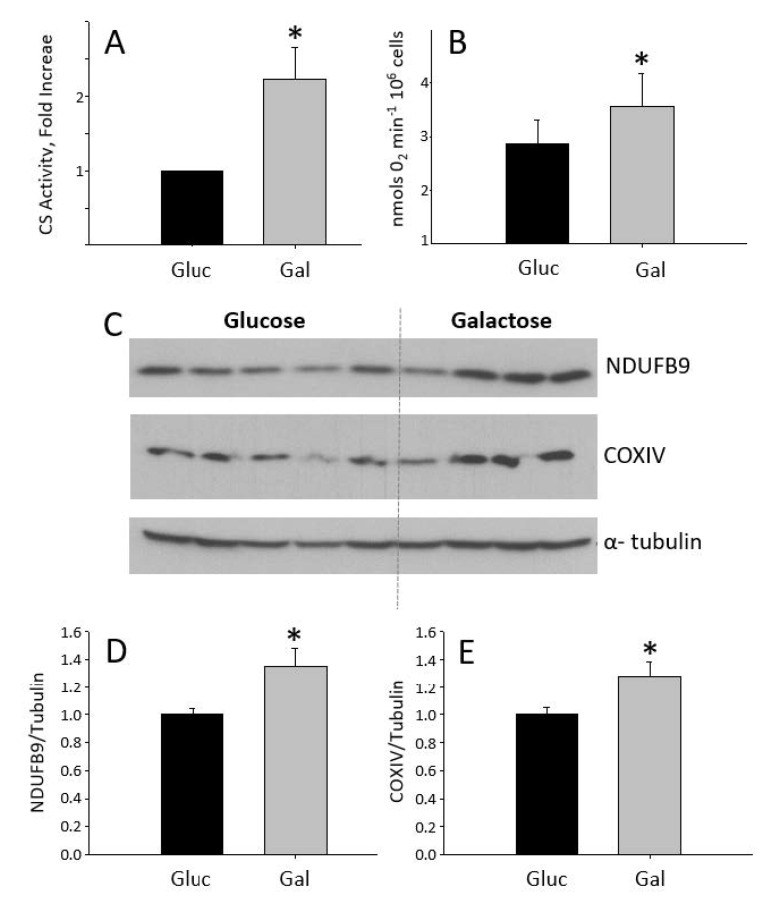
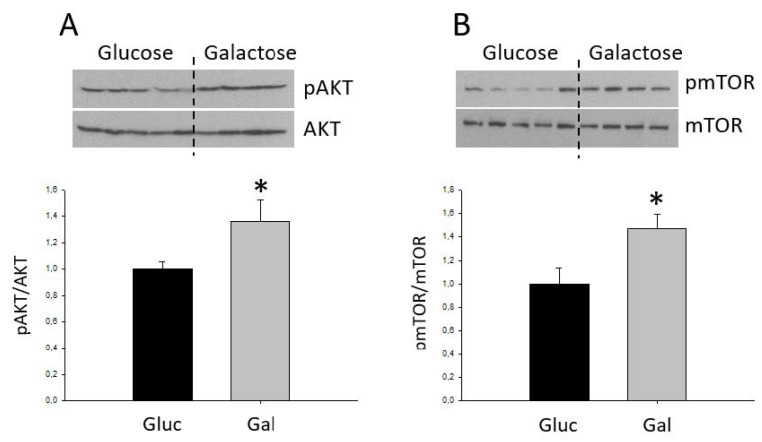
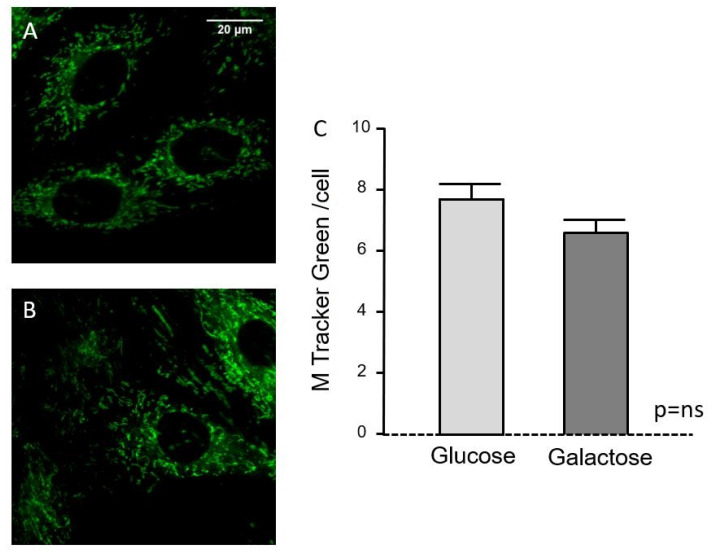
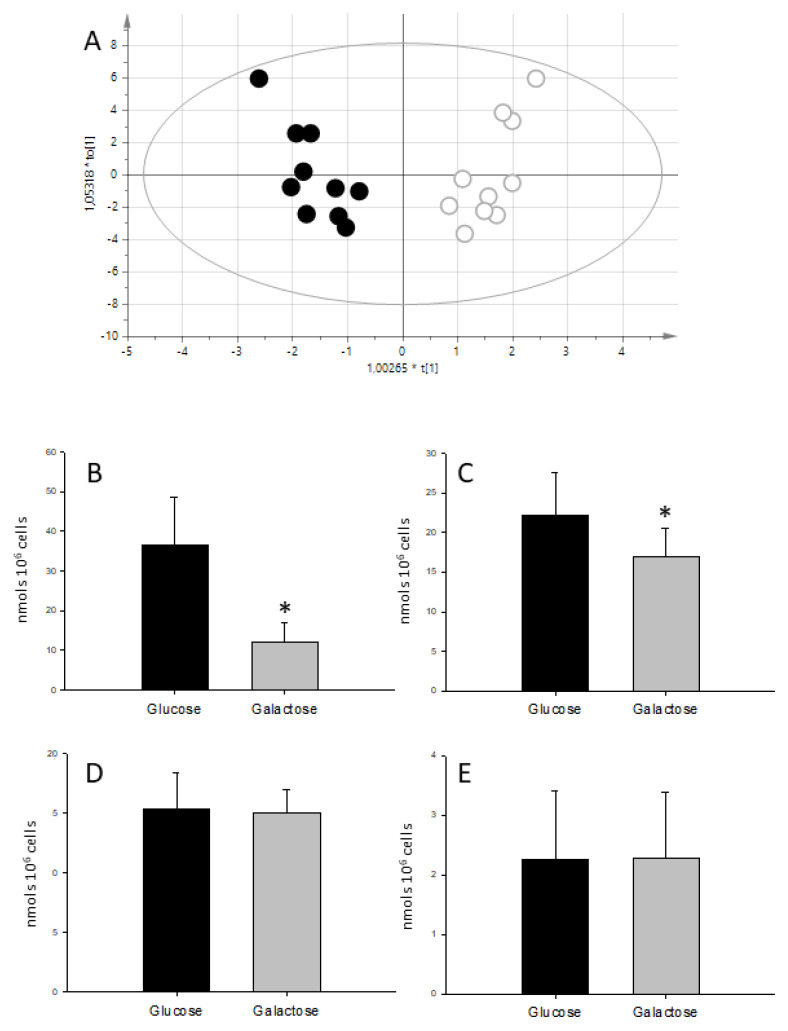
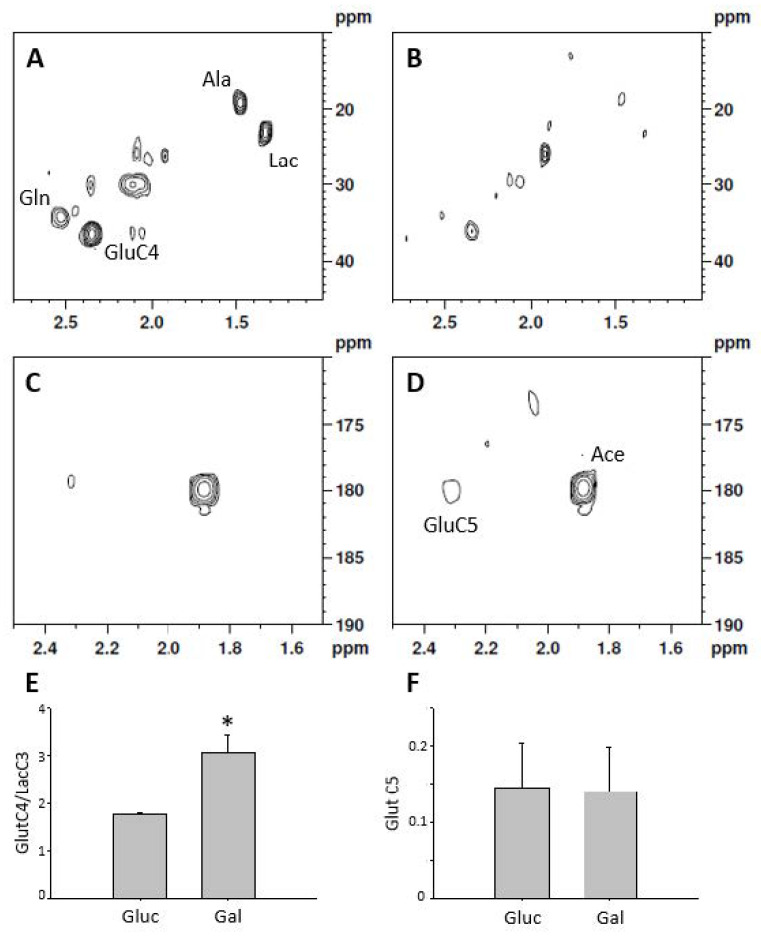
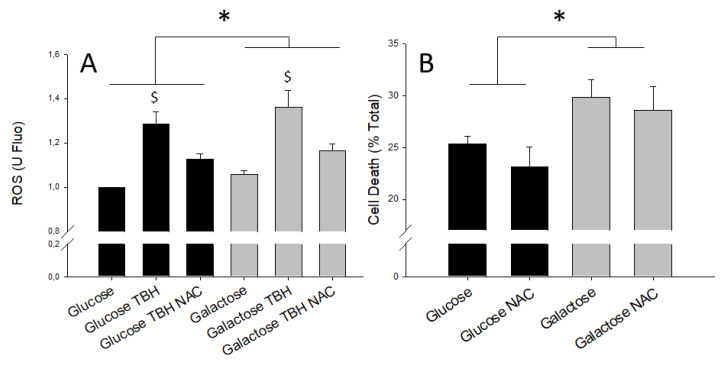
After myocardial ischemia-reperfusion, fatty acid oxidation shows fast recovery while glucose oxidation rates remain depressed. A metabolic shift aimed at increasing glucose oxidation has shown to be beneficial in models of myocardial ischemia-reperfusion. However, strategies aimed at increasing glucose consumption in the clinic have provided mixed results and have not yet reached routine clinical practice. A better understanding of the mechanisms underlying the protection afforded by increased glucose oxidation may facilitate the transfer to the clinic. The purpose of this study was to evaluate if the modulation of reactive oxygen species (ROS) was involved in the protection afforded by increased glucose oxidation. Firstly, we characterized an H9C2 cellular model in which the use of glucose or galactose as substrates can modulate glycolysis and oxidative phosphorylation pathways. In this model, there were no differences in morphology, cell number, or ATP and PCr levels. However, galactose-grown cells consumed more oxygen and had an increased Krebs cycle turnover, while cells grown in glucose had increased aerobic glycolysis rate as demonstrated by higher lactate and alanine production. Increased aerobic glycolysis was associated with reduced ROS levels and protected the cells against simulated ischemia-reperfusion injury. Furthermore, ROS scavenger N-acetyl cysteine (NAC) was able to reduce the amount of ROS and to prevent cell death. Lastly, cells grown in galactose showed higher activation of mTOR/Akt signaling pathways. In conclusion, our results provide evidence indicating that metabolic shift towards increased glycolysis reduces mitochondrial ROS production and prevents cell death during ischemia-reperfusion injury.
心肌缺血再灌注后,脂肪酸氧化迅速恢复,而葡萄糖氧化率仍处于较低水平。旨在增加葡萄糖氧化的代谢转变在心肌缺血再灌注模型中已显示出有益作用。然而,临床上旨在增加葡萄糖消耗的策略结果不一,尚未应用于常规临床实践。更好地理解增加葡萄糖氧化所提供保护的潜在机制可能有助于向临床转化。本研究的目的是评估活性氧(ROS)的调节是否参与了增加葡萄糖氧化所提供的保护作用。首先,我们对一种H9C2细胞模型进行了表征,在该模型中,使用葡萄糖或半乳糖作为底物可以调节糖酵解和氧化磷酸化途径。在这个模型中,细胞形态、细胞数量、ATP和磷酸肌酸水平没有差异。然而,半乳糖培养的细胞消耗更多氧气,三羧酸循环周转率增加,而葡萄糖培养的细胞有氧糖酵解速率增加,表现为乳酸和丙氨酸产量更高。有氧糖酵解增加与ROS水平降低相关,并保护细胞免受模拟缺血再灌注损伤。此外,ROS清除剂N-乙酰半胱氨酸(NAC)能够减少ROS的量并防止细胞死亡。最后,半乳糖培养的细胞显示出mTOR/Akt信号通路的更高激活。总之,我们的结果提供了证据,表明向增加糖酵解的代谢转变可减少线粒体ROS的产生,并防止缺血再灌注损伤期间的细胞死亡。