Feil Family Brain and Mind Research Institute, Weill Cornell Medicine, New York, New York, USA.
J Neurochem. 2018 Aug;146(3):235-250. doi: 10.1111/jnc.14472.
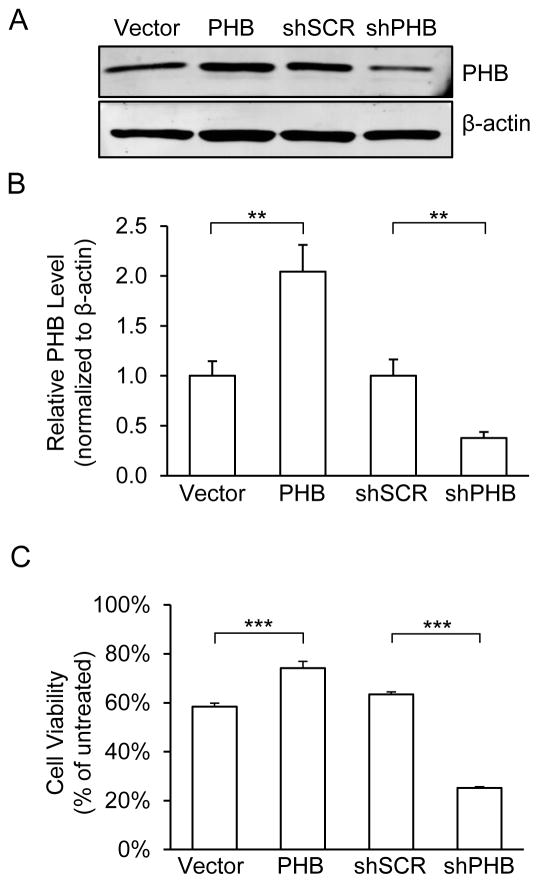
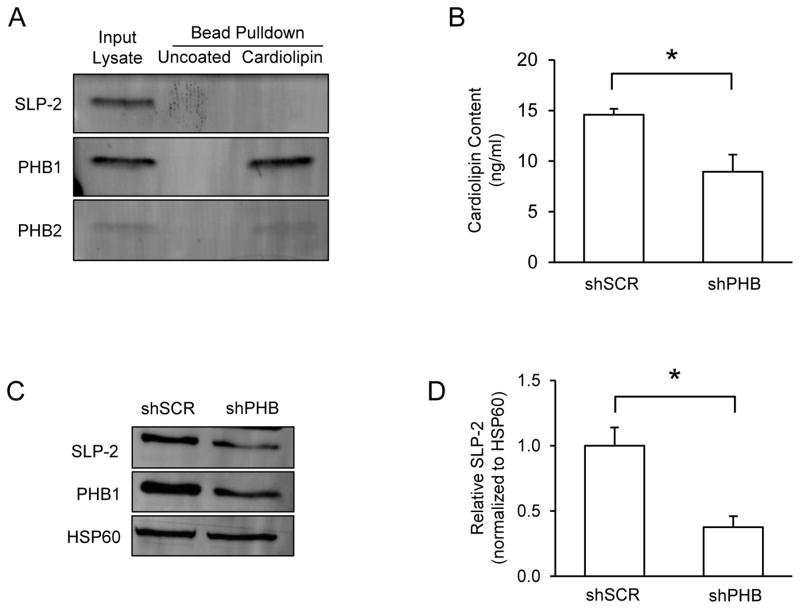
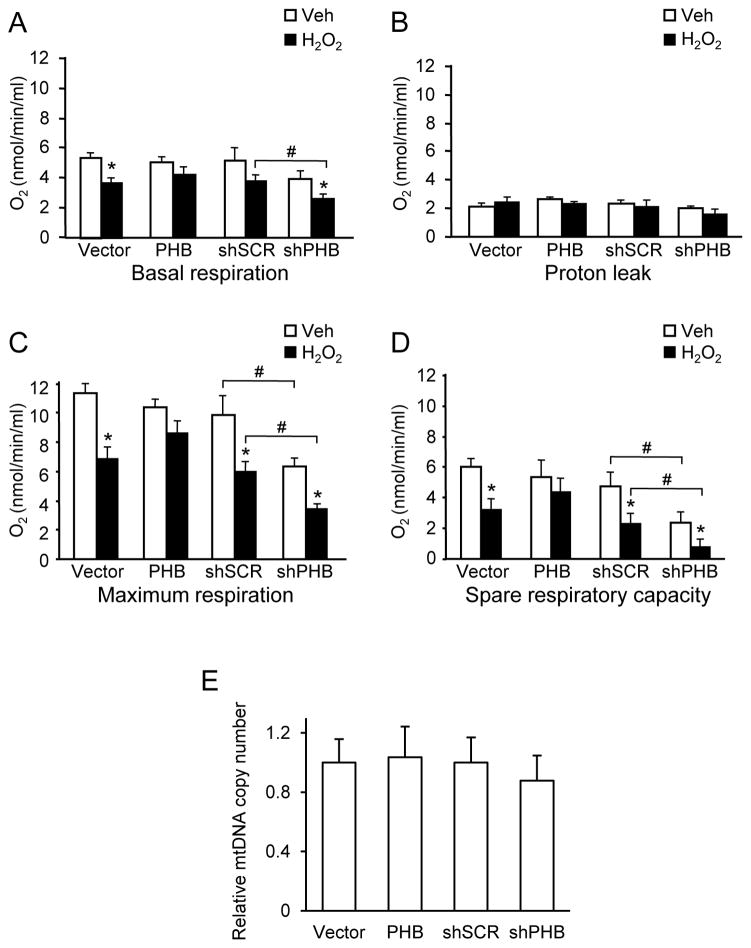
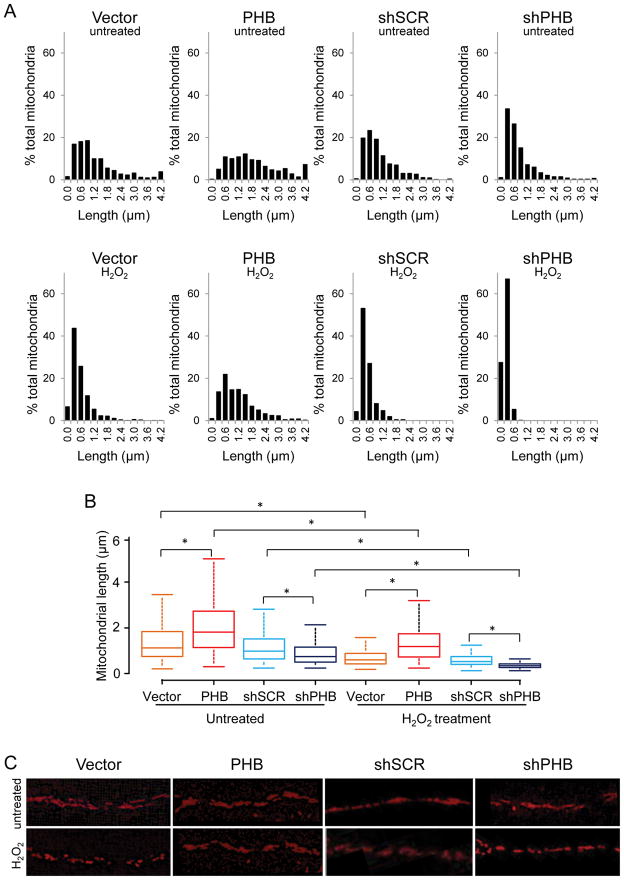
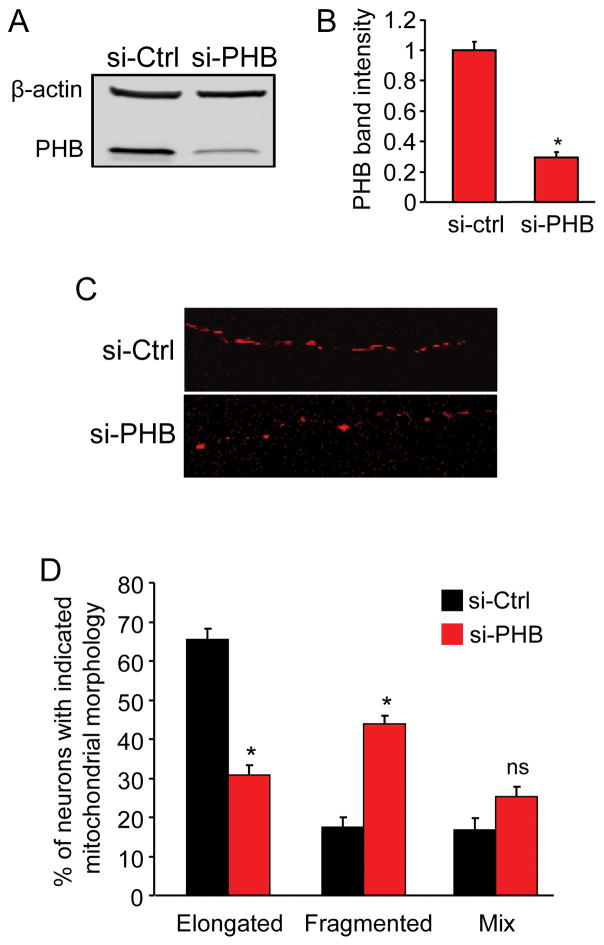
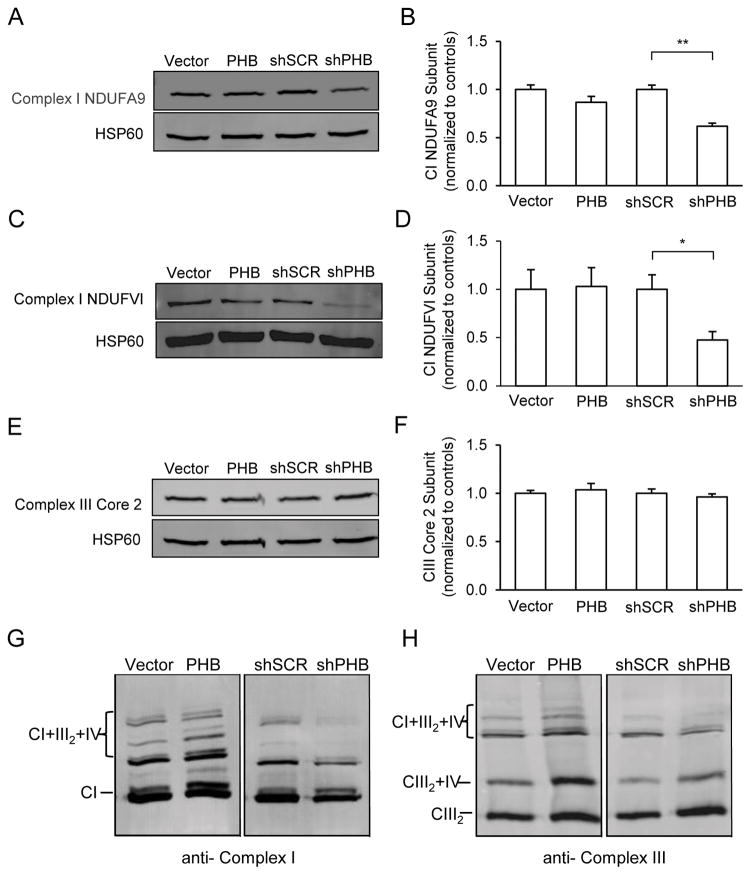
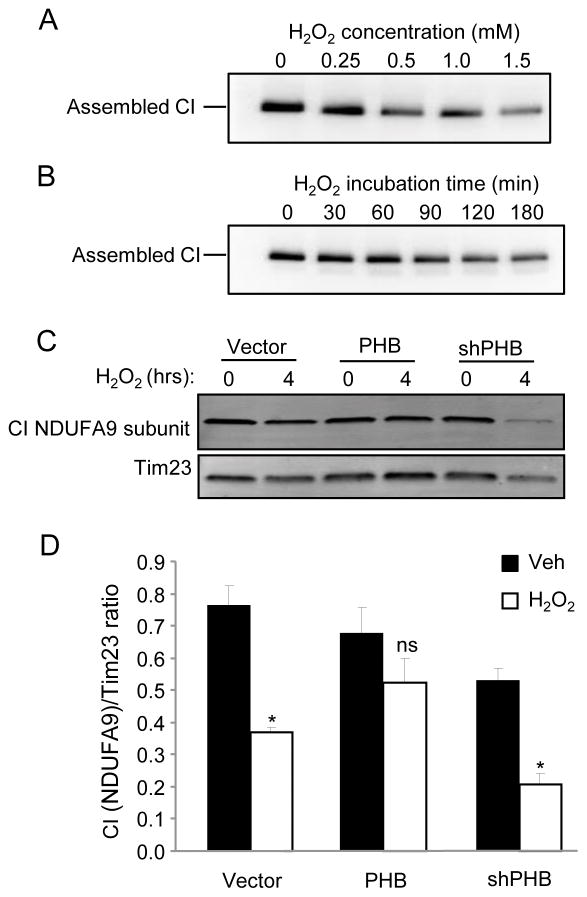
Prohibitin (PHB) is a ubiquitously expressed and evolutionarily conserved mitochondrial protein with multiple functions. We have recently shown that PHB up-regulation offers robust protection against neuronal injury in models of cerebral ischemia in vitro and in vivo, but the mechanism by which PHB affords neuroprotection remains to be elucidated. Here, we manipulated PHB expression in PC12 neural cells to investigate its impact on mitochondrial function and the mechanisms whereby it protects cells exposed to oxidative stress. PHB over-expression promoted cell survival, whereas PHB down-regulation diminished cell viability. Functionally, manipulation of PHB levels did not affect basal mitochondrial respiration, but it increased spare respiratory capacity. Moreover, PHB over-expression preserved mitochondrial respiratory function of cells exposed to oxidative stress. Preserved respiratory capacity in differentiated PHB over-expressing cells exposed to oxidative stress was associated with an elongated mitochondrial morphology, whereas PHB down-regulation enhanced fragmentation. Mitochondrial complex I oxidative degradation was attenuated by PHB over-expression and increased in PHB knockdown cells. Changes in complex I degradation were associated with alterations of respiratory chain supercomplexes. Furthermore, we showed that PHB directly interacts with cardiolipin and that down-regulation of PHB results in loss of cardiolipin in mitochondria, which may contribute to destabilizing respiratory chain supercomplexes. Taken together, these data demonstrate that PHB modulates mitochondrial integrity and bioenergetics under oxidative stress, and suggest that the protective effect of PHB is mediated by stabilization of the mitochondrial respiratory machinery and its functional capacity, by the regulation of cardiolipin content. Open Data: Materials are available on https://cos.io/our-services/open-science-badges/ https://osf.io/93n6m/.
抑制素 (PHB) 是一种广泛表达且进化上保守的线粒体蛋白,具有多种功能。我们最近表明,PHB 的上调在体外和体内脑缺血模型中提供了强大的神经元损伤保护作用,但 PHB 提供神经保护的机制仍有待阐明。在这里,我们通过操纵 PC12 神经细胞中的 PHB 表达来研究其对线粒体功能的影响,以及它保护暴露于氧化应激的细胞的机制。PHB 的过表达促进了细胞存活,而 PHB 的下调则降低了细胞活力。功能上,PHB 水平的操纵并不影响基础线粒体呼吸,但它增加了备用呼吸能力。此外,PHB 的过表达保留了暴露于氧化应激的细胞的线粒体呼吸功能。暴露于氧化应激的分化 PHB 过表达细胞中保持的呼吸能力与延长的线粒体形态有关,而 PHB 的下调则增强了碎片化。PHB 的过表达减弱了线粒体复合物 I 的氧化降解,而 PHB 敲低细胞中的复合物 I 降解增加。复合物 I 降解的变化与呼吸链超复合物的改变有关。此外,我们表明 PHB 直接与心磷脂相互作用,并且 PHB 的下调导致线粒体中心磷脂的丢失,这可能导致呼吸链超复合物的不稳定。总之,这些数据表明 PHB 在氧化应激下调节线粒体的完整性和生物能量学,并表明 PHB 的保护作用是通过稳定线粒体呼吸机制及其功能能力来介导的,通过调节心磷脂的含量来实现的。开放数据:材料可在 https://cos.io/our-services/open-science-badges/ https://osf.io/93n6m/ 上获得。