Department of Medical Oncology, The Second Affiliated Hospital of Kunming Medical University, Kunming, Yunnan 650101, P.R. China.
Oncol Rep. 2020 Jun;43(6):1995-2003. doi: 10.3892/or.2020.7568. Epub 2020 Mar 30.
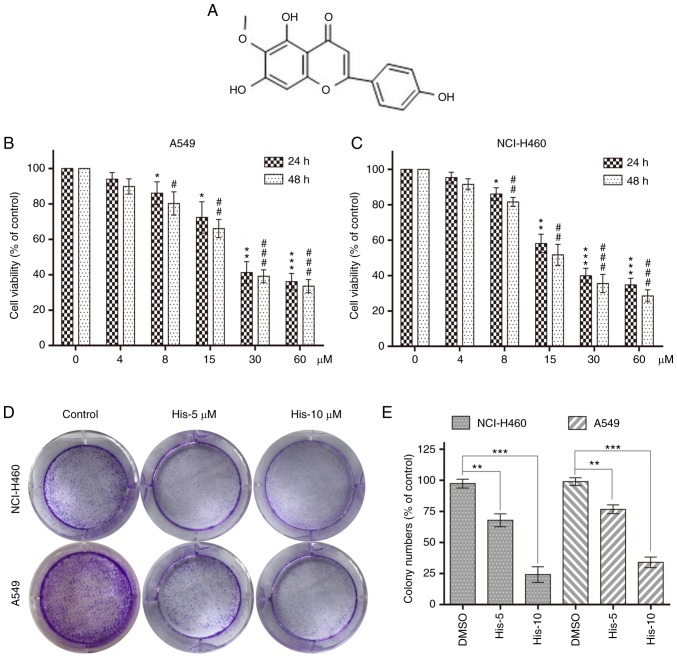
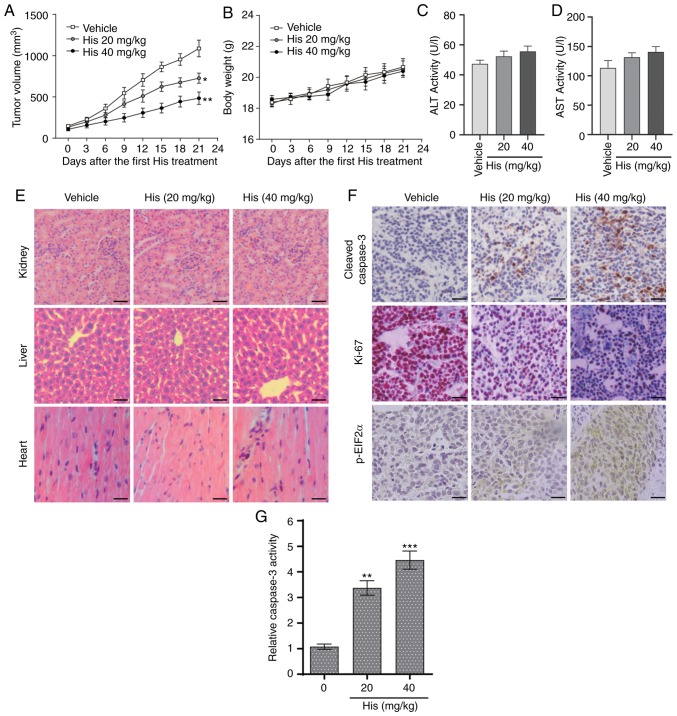
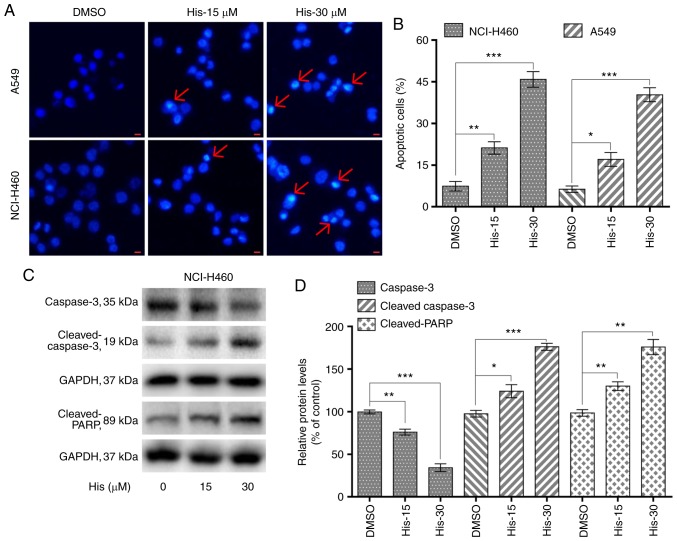
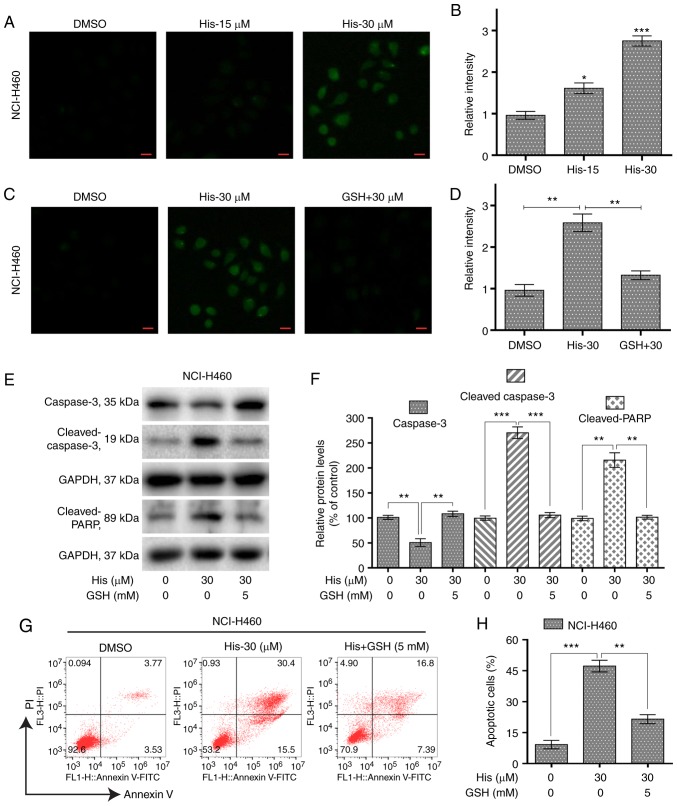
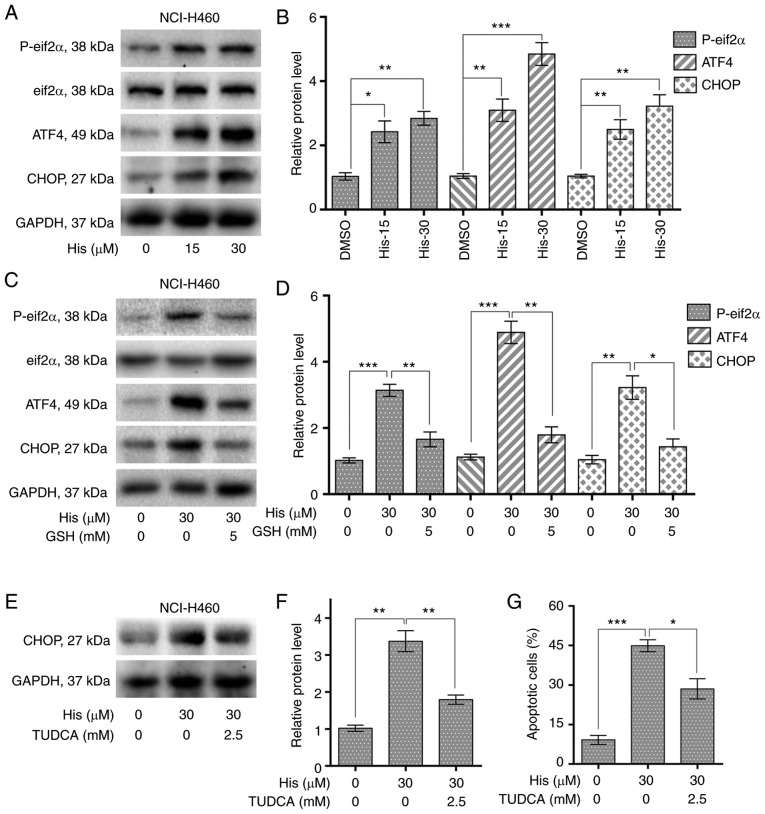
Hispidulin is a medicinal natural compound isolated from S. involucrata, which exhibits potent anticancer properties. However, there are few reports on its effects on lung cancer cells. Therefore, the current study investigated the effects of hispidulin on cell viability and apoptosis in human non‑small‑cell lung cancer (NSCLC) cell lines NCI‑H460 and A549 in vitro and in vivo. Methyl thiazolyl tetrazolium, colony formation assay, Hoechst 33342 staining, flow cytometry and western blotting were performed on Human NCI‑H460 and A549 cells. A mouse xenograft model was also established using NCI‑H460 cells. The results showed that the growth of NCI‑H460 and A549 cells was inhibited, while apoptosis was promoted by hispidulin via increased generation of reactive oxygen species (ROS) in a dose‑dependent manner. Furthermore, hispidulin triggered apoptosis in NSCLC cells through upregulating the expression of cleaved caspase‑3 and cleaved poly [ADP‑ribose] polymerase. All these effects were reversed upon pretreatment with glutathione, a selective ROS inhibitor. In addition, endoplasmic reticulum stress (ER stress) in NCI‑H460 cells was activated by hispidulin. Pretreatment with tauroursodeoxycholic acid, a specific ER stress inhibitor, effectively reduced the cell apoptosis induced by hispidulin. In conclusion, hispidulin induces ROS‑mediated apoptosis via activating the ER stress pathway. The current study provides theoretical basis for the antitumor effect of hispidulin in NSCLC.
山柰酚是从独活中分离得到的一种药用天然化合物,具有很强的抗癌活性。然而,关于其对肺癌细胞影响的报道较少。因此,本研究探讨了山柰酚对体外和体内人非小细胞肺癌(NSCLC)细胞系 NCI-H460 和 A549 细胞活力和细胞凋亡的影响。采用噻唑蓝(MTT)比色法、集落形成实验、Hoechst 33342 染色、流式细胞术和 Western blot 法检测人 NCI-H460 和 A549 细胞。还使用 NCI-H460 细胞建立了小鼠异种移植模型。结果表明,山柰酚呈剂量依赖性地通过增加活性氧(ROS)的产生抑制 NCI-H460 和 A549 细胞的生长,促进细胞凋亡。此外,山柰酚通过上调 cleaved caspase-3 和 cleaved poly [ADP-ribose] polymerase 的表达诱导 NSCLC 细胞凋亡。用谷胱甘肽(一种选择性 ROS 抑制剂)预处理可逆转所有这些作用。此外,山柰酚激活了 NCI-H460 细胞中的内质网应激(ER 应激)。用特定的 ER 应激抑制剂牛磺熊脱氧胆酸预处理可有效减少山柰酚诱导的细胞凋亡。总之,山柰酚通过激活 ER 应激通路诱导 ROS 介导的细胞凋亡。本研究为山柰酚在 NSCLC 中的抗肿瘤作用提供了理论依据。