Instituto de Investigaciones Biomédicas Alberto Sols (CSIC-UAM), Madrid, Spain; CIBER de Diabetes y Enfermedades Metabólicas Asociadas (CIBERDEM), ISCIII, Madrid, Spain; Centro de Biología Molecular Severo Ochoa (CBMSO, CSIC-UAM), Madrid, Spain.
Instituto de Investigación Sanitaria Gregorio Marañón, Madrid, Spain; CIBER de Enfermedades Hepáticas y Digestivas (CIBERHED), ISCIII, Madrid, Spain.
Mol Metab. 2020 May;35:100954. doi: 10.1016/j.molmet.2020.01.018. Epub 2020 Feb 6.
Non-alcoholic steatohepatitis (NASH) is characterized by a robust pro-inflammatory component at both hepatic and systemic levels together with a disease-specific gut microbiome signature. Protein tyrosine phosphatase 1 B (PTP1B) plays distinct roles in non-immune and immune cells, in the latter inhibiting pro-inflammatory signaling cascades. In this study, we have explored the role of PTP1B in the composition of gut microbiota and gut barrier dynamics in methionine and choline-deficient (MCD) diet-induced NASH in mice.
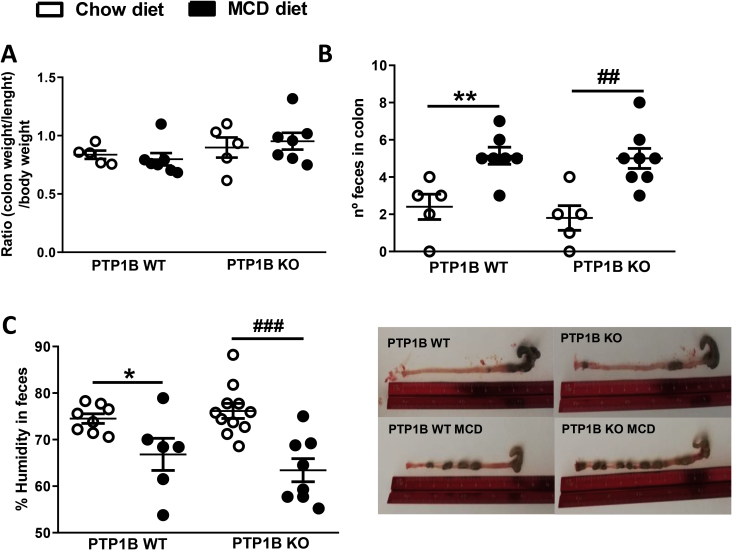
Gut features and barrier permeability were characterized in wild-type (PTP1B WT) and PTP1B-deficient knockout (PTP1B KO) mice fed a chow or methionine/choline-deficient (MCD) diet for 4 weeks. The impact of inflammation was studied in intestinal epithelial and enteroendocrine cells. The secretion of GLP-1 was evaluated in primary colonic cultures and plasma of mice.
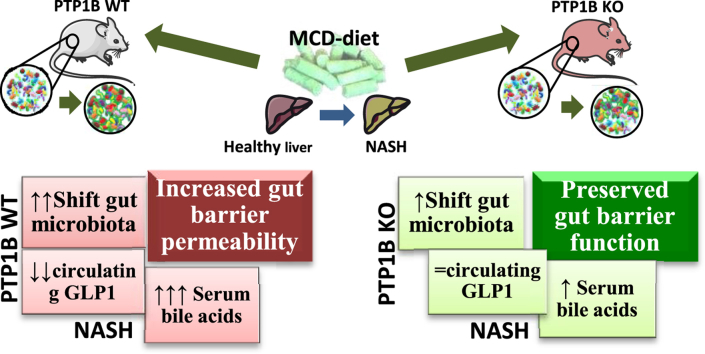
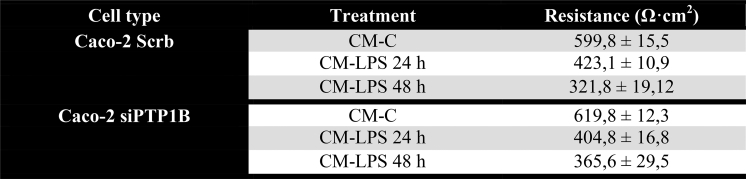
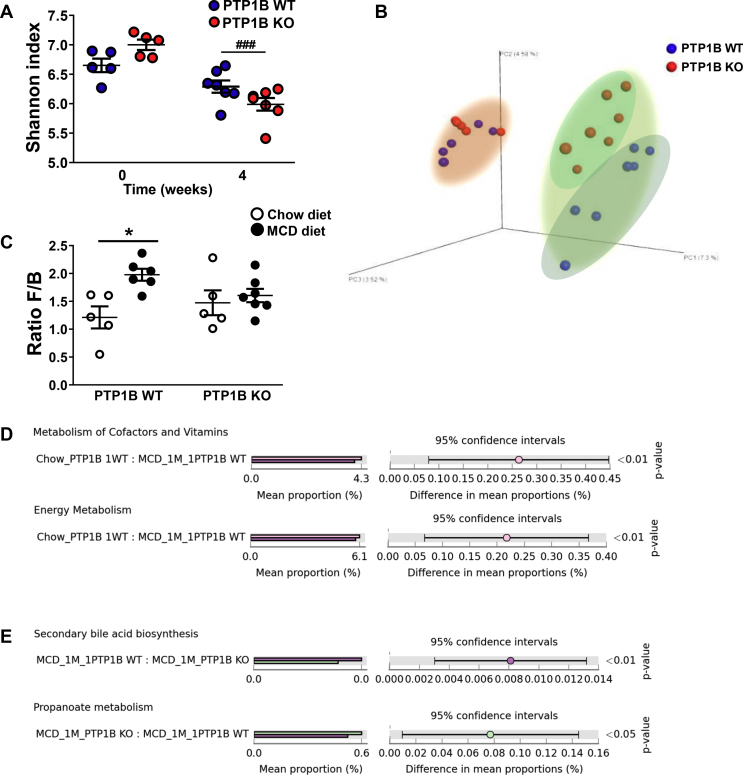
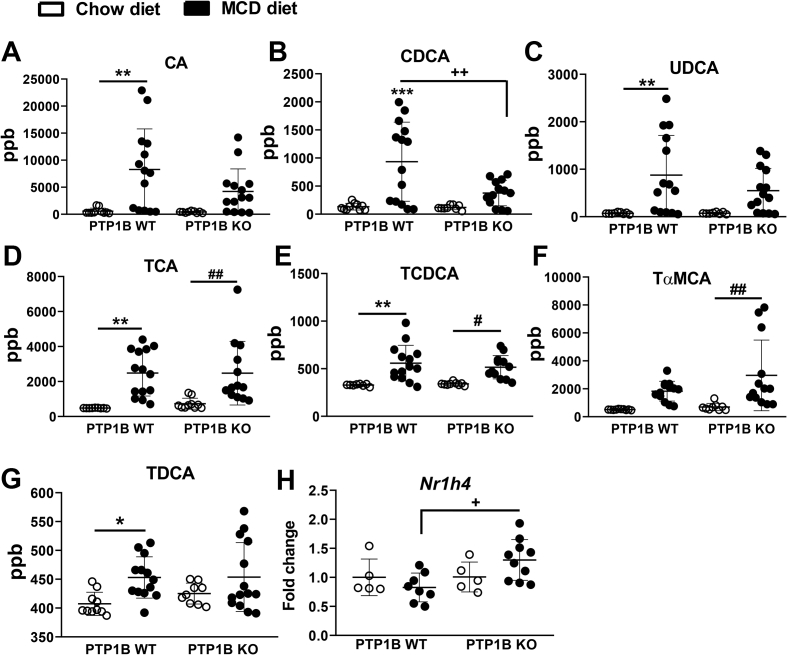
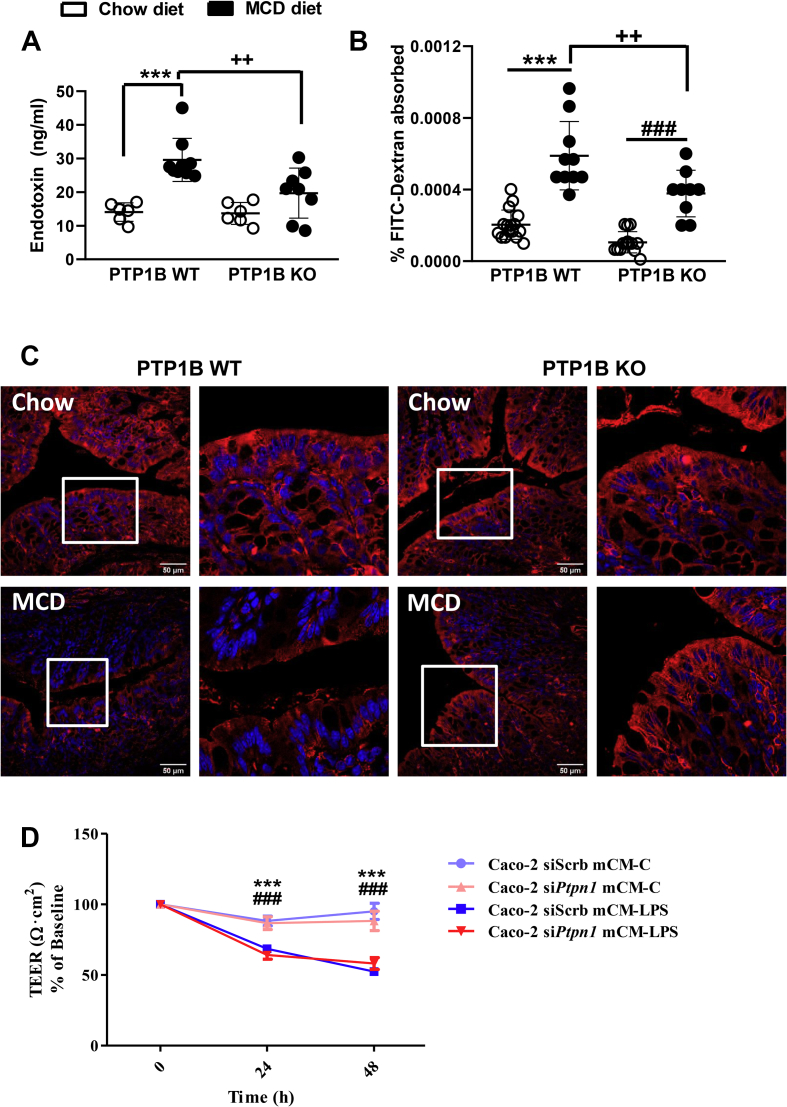
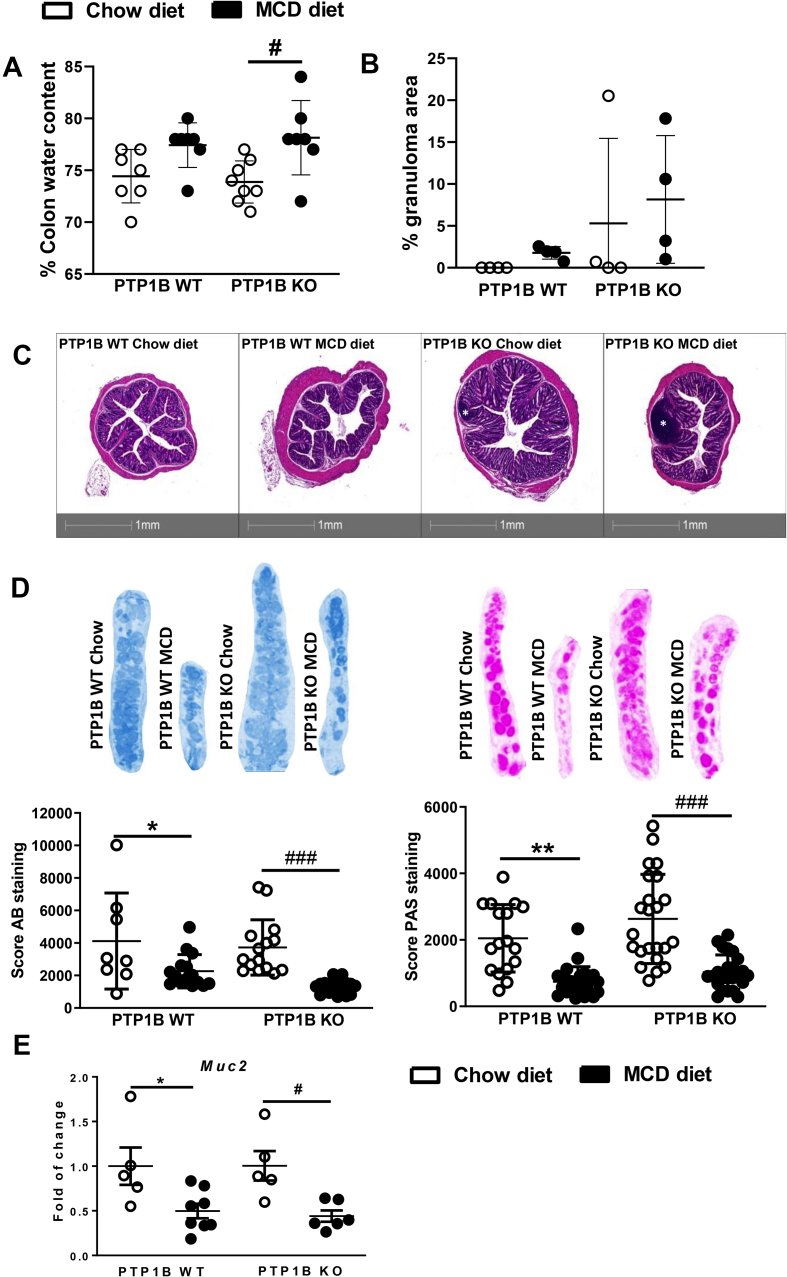
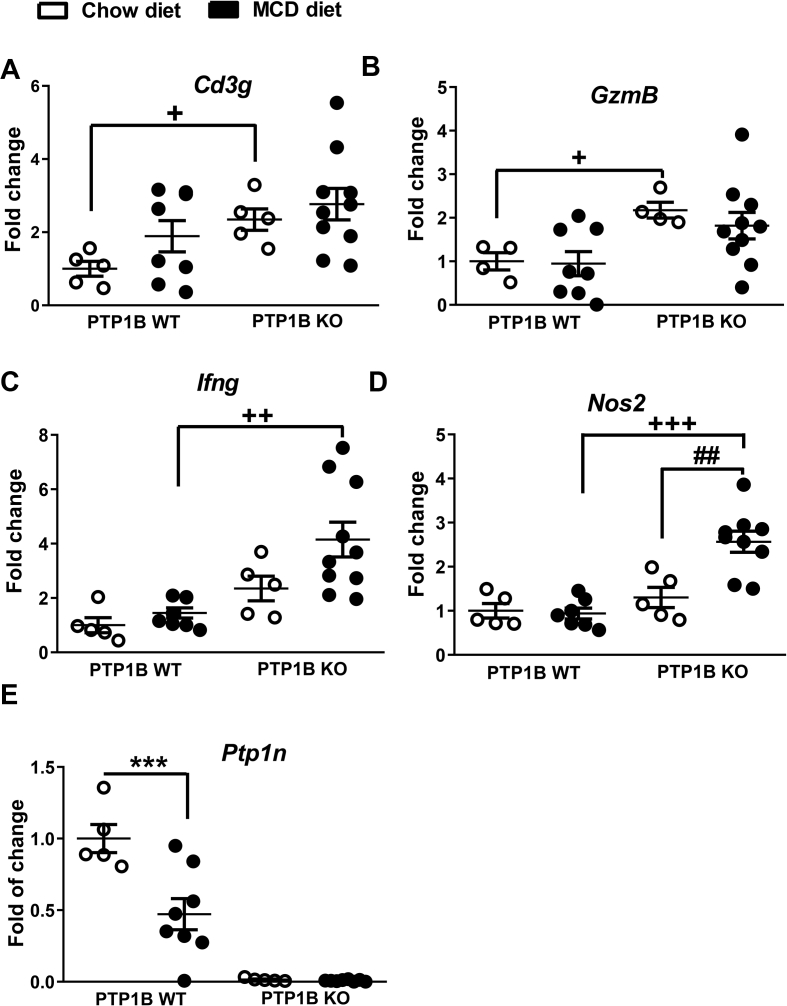
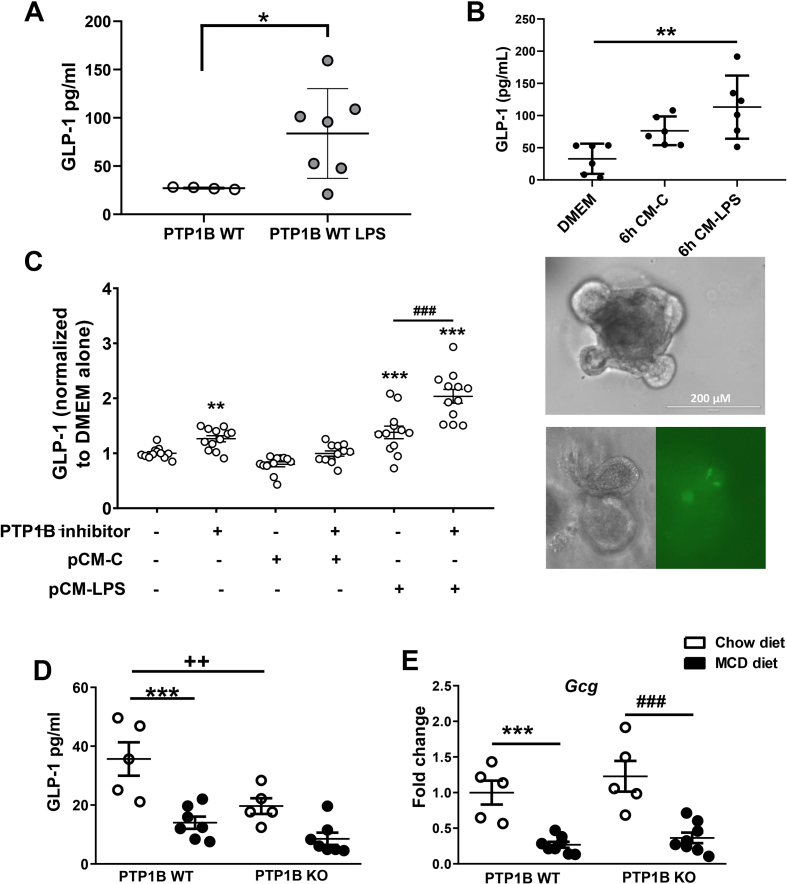
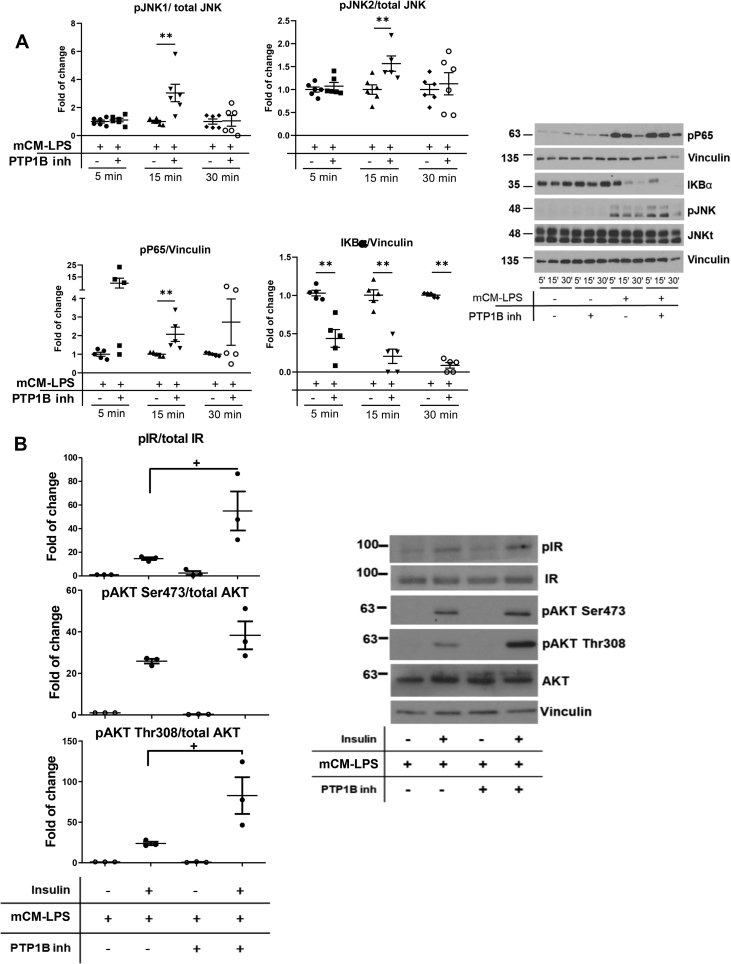
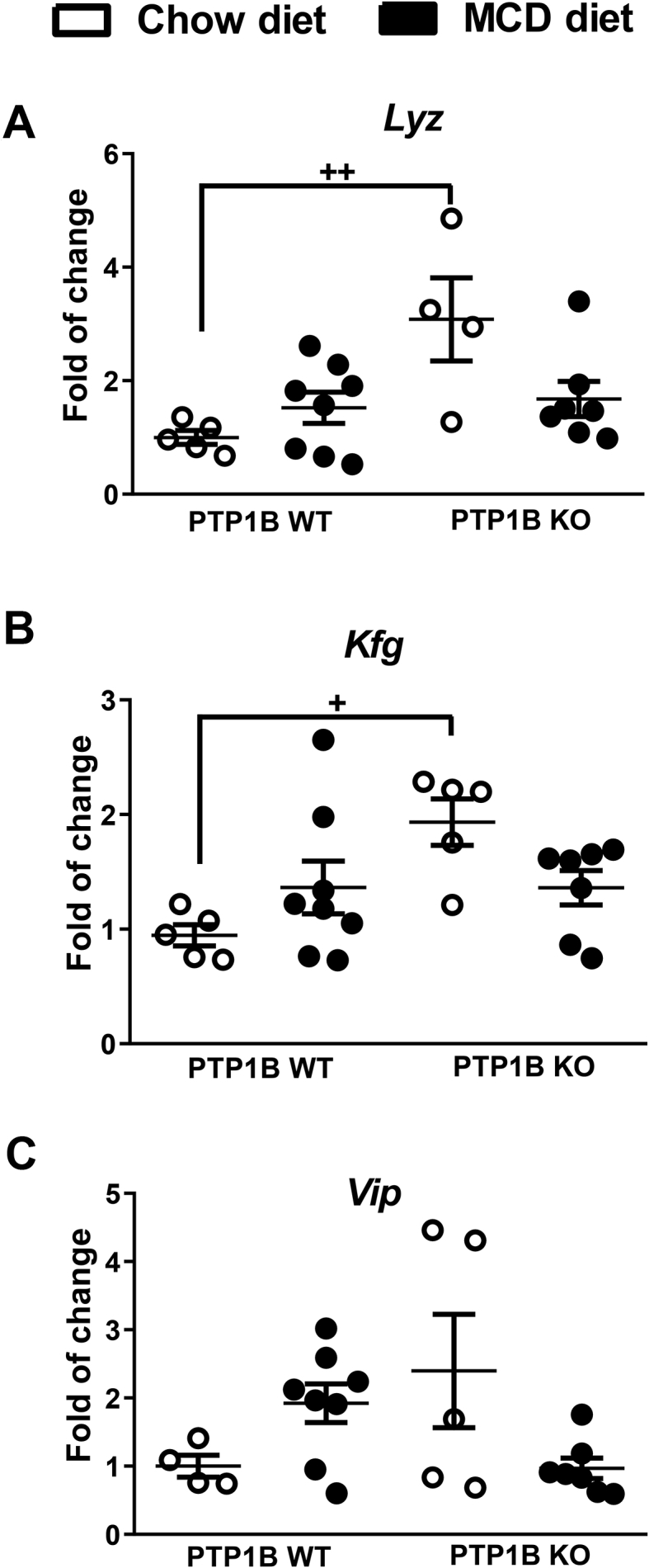
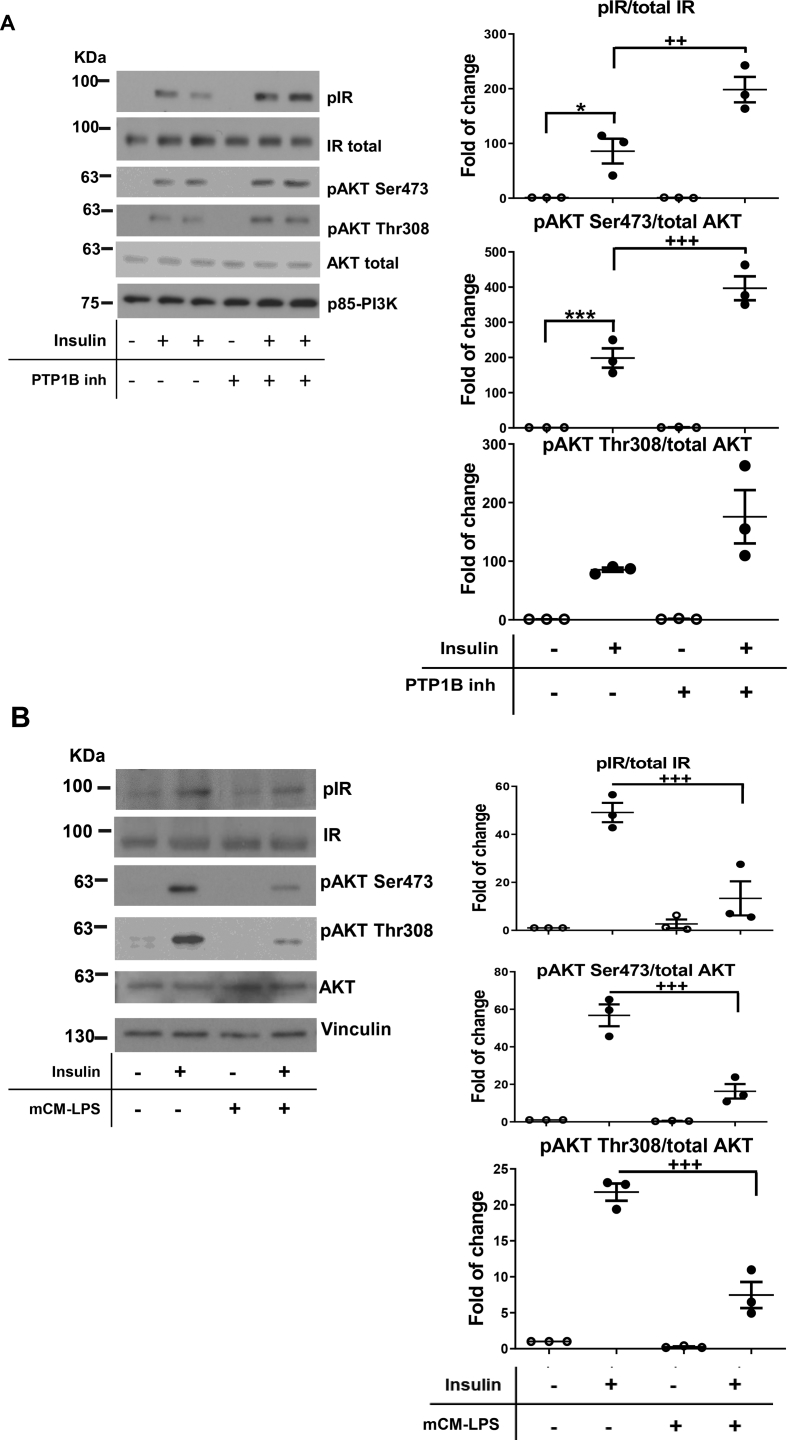
We found that a shift in the gut microbiota shape, disruption of gut barrier function, higher levels of serum bile acids, and decreased circulating glucagon-like peptide (GLP)-1 are features during NASH. Surprisingly, despite the pro-inflammatory phenotype of global PTP1B-deficient mice, they were partly protected against the alterations in gut microbiota composition during NASH and presented better gut barrier integrity and less permeability under this pathological condition. These effects concurred with higher colonic mucosal inflammation, decreased serum bile acids, and protection against the decrease in circulating GLP-1 levels during NASH compared with their WT counterparts together with increased expression of GLP-2-sensitive genes in the gut. At the molecular level, stimulation of enteroendocrine STC-1 cells with a pro-inflammatory conditioned medium (CM) from lipopolysaccharide (LPS)-stimulated macrophages triggered pro-inflammatory signaling cascades that were further exacerbated by a PTP1B inhibitor. Likewise, the pro-inflammatory CM induced GLP-1 secretion in primary colonic cultures, an effect augmented by PTP1B inhibition.
Altogether our results have unraveled a potential role of PTP1B in the gut-liver axis during NASH, likely mediated by increased sensitivity to GLPs, with potential therapeutic value.
非酒精性脂肪性肝炎(NASH)的特征是在肝脏和全身水平均具有强大的促炎成分,以及特定于疾病的肠道微生物组特征。蛋白酪氨酸磷酸酶 1B(PTP1B)在非免疫细胞和免疫细胞中发挥不同的作用,在后一种细胞中抑制促炎信号级联反应。在这项研究中,我们探索了 PTP1B 在蛋氨酸和胆碱缺乏(MCD)饮食诱导的 NASH 小鼠肠道微生物组组成和肠道屏障动力学中的作用。
在给予标准饮食或蛋氨酸/胆碱缺乏(MCD)饮食 4 周的野生型(PTP1B WT)和 PTP1B 缺失型敲除(PTP1B KO)小鼠中,对肠道特征和屏障通透性进行了描述。在肠上皮细胞和肠内分泌细胞中研究了炎症的影响。评估了原代结肠培养物和小鼠血浆中的 GLP-1 分泌。
我们发现,在 NASH 期间,肠道微生物组形状发生变化、肠道屏障功能受损、血清胆汁酸水平升高和循环胰高血糖素样肽(GLP)-1 水平降低是特征。令人惊讶的是,尽管全身性 PTP1B 缺失型小鼠具有促炎表型,但它们在 NASH 期间部分受到保护,免受肠道微生物组组成改变的影响,并且在这种病理条件下具有更好的肠道屏障完整性和较低的通透性。与野生型相比,这些影响与更高的结肠黏膜炎症、更低的血清胆汁酸水平以及对 NASH 期间循环 GLP-1 水平降低的保护作用相一致,同时与肠道中 GLP-2 敏感基因的表达增加有关。在分子水平上,用脂多糖(LPS)刺激的巨噬细胞的促炎条件培养基(CM)刺激肠内分泌 STC-1 细胞,引发了促炎信号级联反应,而 PTP1B 抑制剂进一步加剧了这种反应。同样,促炎 CM 诱导了原代结肠培养物中的 GLP-1 分泌,而 PTP1B 抑制作用增强了这种分泌作用。
总的来说,我们的研究结果揭示了 PTP1B 在 NASH 期间的肠道-肝脏轴中的潜在作用,可能是通过增加对 GLP 的敏感性介导的,具有潜在的治疗价值。