Fan Yu-Ching, Chen Wei-Yu, Lee Kuan-Der, Tsai Yuan-Chin
Ph.D. Program for Cancer Molecular Biology and Drug Discovery, College of Medical Science and Technology, Taipei Medical University, Taipei 11042, Taiwan.
Department of Pathology, Wan Fang Hospital, Taipei Medical University, Taipei 11042, Taiwan.
Biology (Basel). 2020 Mar 31;9(4):67. doi: 10.3390/biology9040067.
Several lines of evidence have demonstrated the tumor-promoting function of inflammation. Since many chemokines are important in coordinating immune cells during inflammation, monitoring intratumoral chemokines provides a way to study the tumor microenvironment.
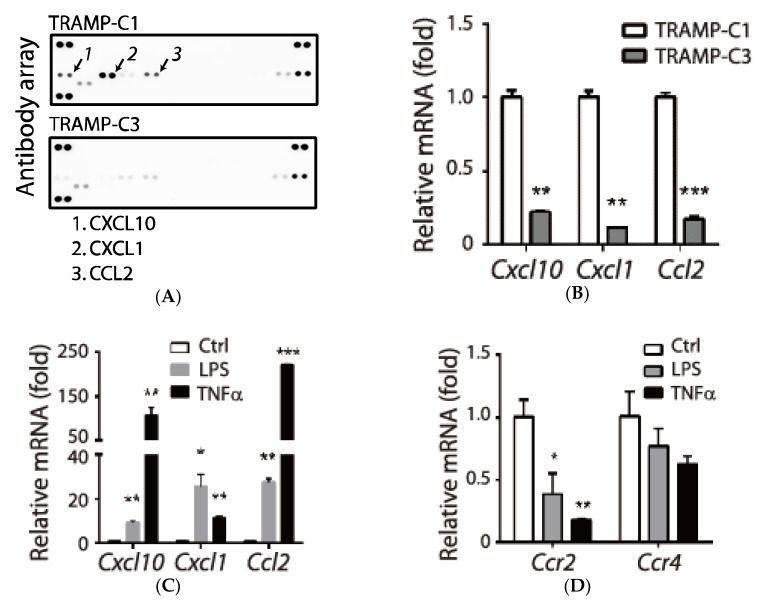
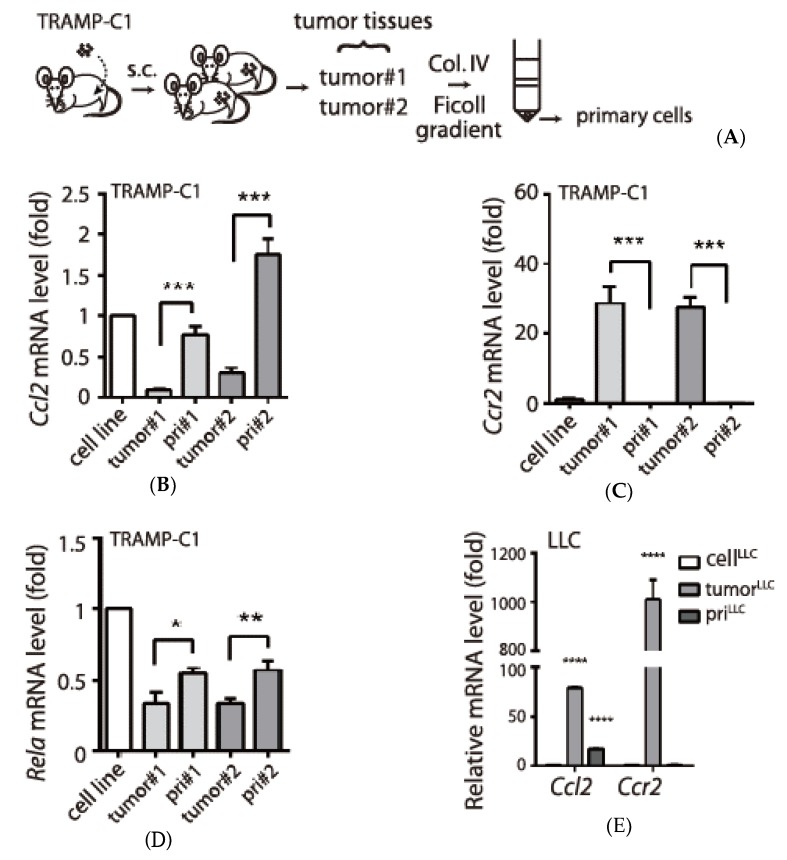
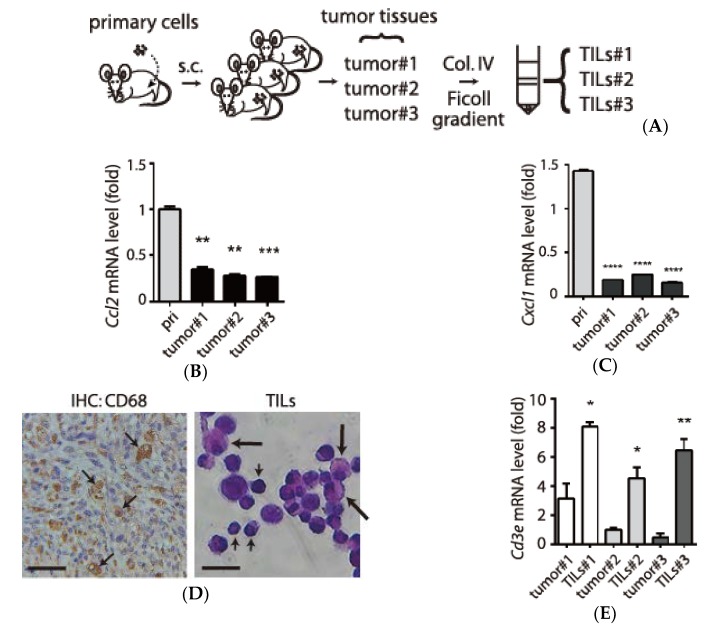
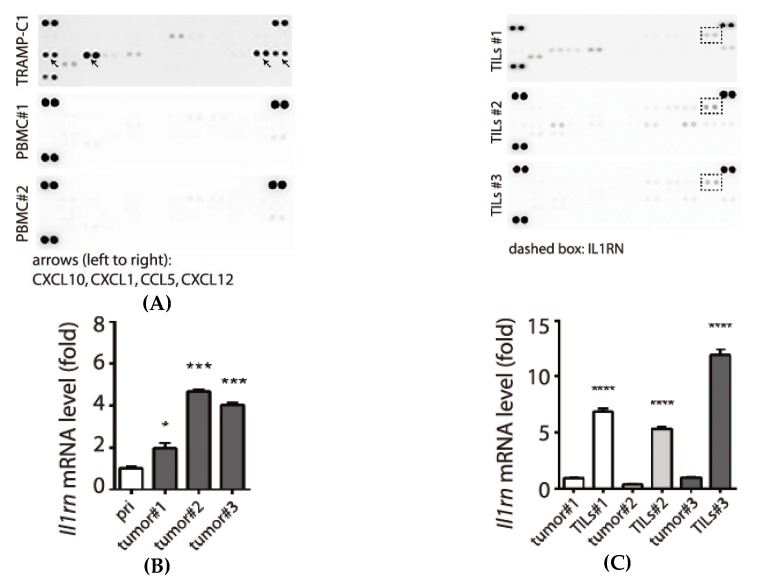
To identify tumorigenic chemokines, we compared two syngeneic mouse prostate cancer cell lines by an antibody array and quantitative reverse-transcription polymerase chain reaction (RT-PCR). The tumor microenvironment was analyzed by monitoring gene expressions in mouse tumor tissues, primary cells, and tumor-infiltrating leukocytes (TILs).
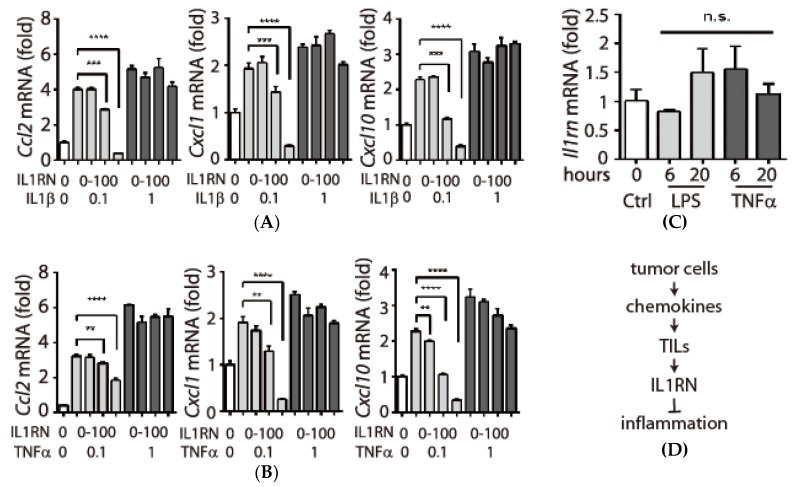
We identified a group of pro-inflammatory chemokines associated with a tumorigenic transgenic adenocarcinoma mouse prostate (TRAMP)-C1 cell line. In the tumor microenvironment, the TILs secrete a natural anti-inflammatory factor, interleukin-1 receptor antagonist (IL1RN), which inhibits the functions of pro-inflammatory molecules and likely accounts for tumor type-specific anti-inflammation functions.
Our results support that tumor cells recruit TILs by pro-inflammatory chemokines to establish an IL1RN-mediated anti-inflammatory environment in the syngeneic prostate cancer model.
多项证据表明炎症具有促进肿瘤的作用。由于许多趋化因子在炎症过程中对免疫细胞的协调起着重要作用,监测肿瘤内趋化因子为研究肿瘤微环境提供了一种方法。
为了鉴定致瘤趋化因子,我们通过抗体阵列和定量逆转录聚合酶链反应(RT-PCR)比较了两种同基因小鼠前列腺癌细胞系。通过监测小鼠肿瘤组织、原代细胞和肿瘤浸润白细胞(TILs)中的基因表达来分析肿瘤微环境。
我们鉴定出一组与致瘤性转基因腺癌小鼠前列腺(TRAMP)-C1细胞系相关的促炎趋化因子。在肿瘤微环境中,TILs分泌一种天然抗炎因子白细胞介素-1受体拮抗剂(IL1RN),它抑制促炎分子的功能,可能是肿瘤类型特异性抗炎功能的原因。
我们的结果支持肿瘤细胞通过促炎趋化因子招募TILs,在同基因前列腺癌模型中建立IL1RN介导的抗炎环境。