Department of Analytical Chemistry, Charles University, Faculty of Pharmacy, Akademika Heyrovského 1203, 500 05 Hradec Králové, Czech Republic.
Molecules. 2020 Apr 1;25(7):1612. doi: 10.3390/molecules25071612.
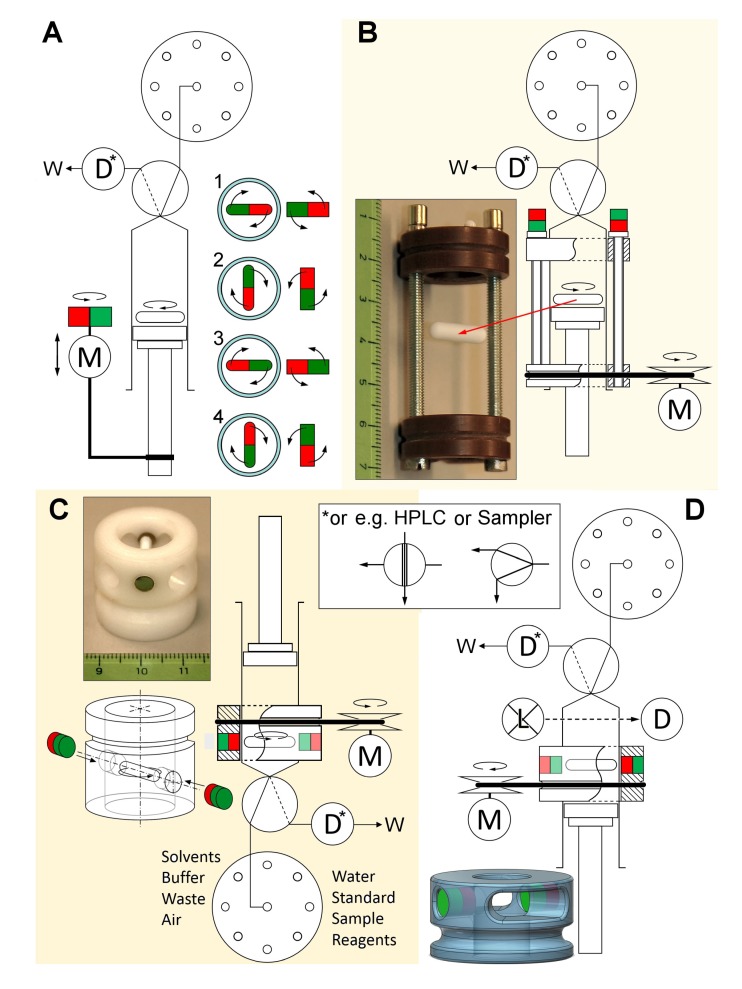
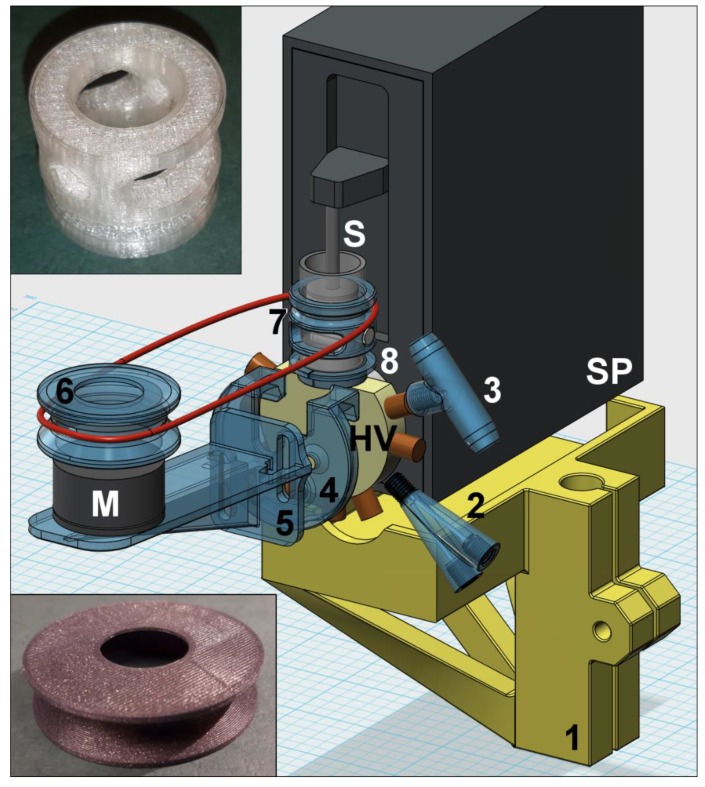
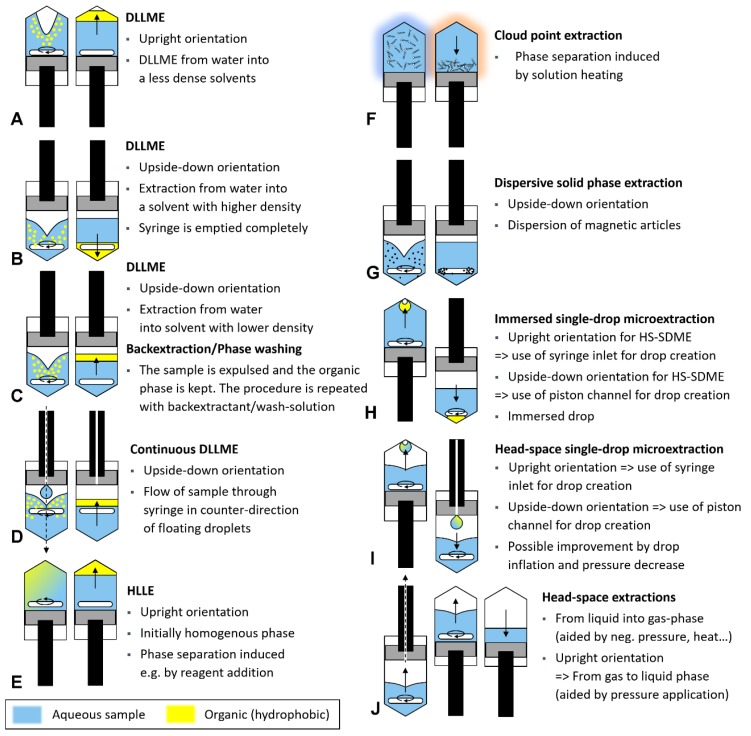
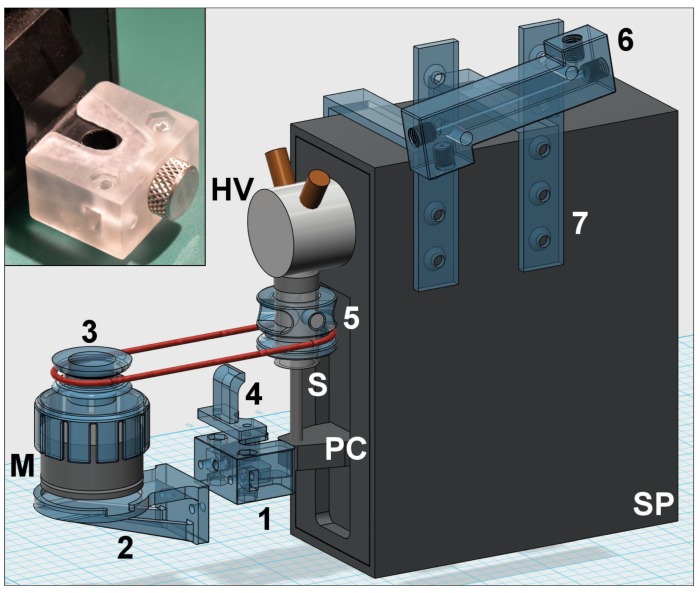
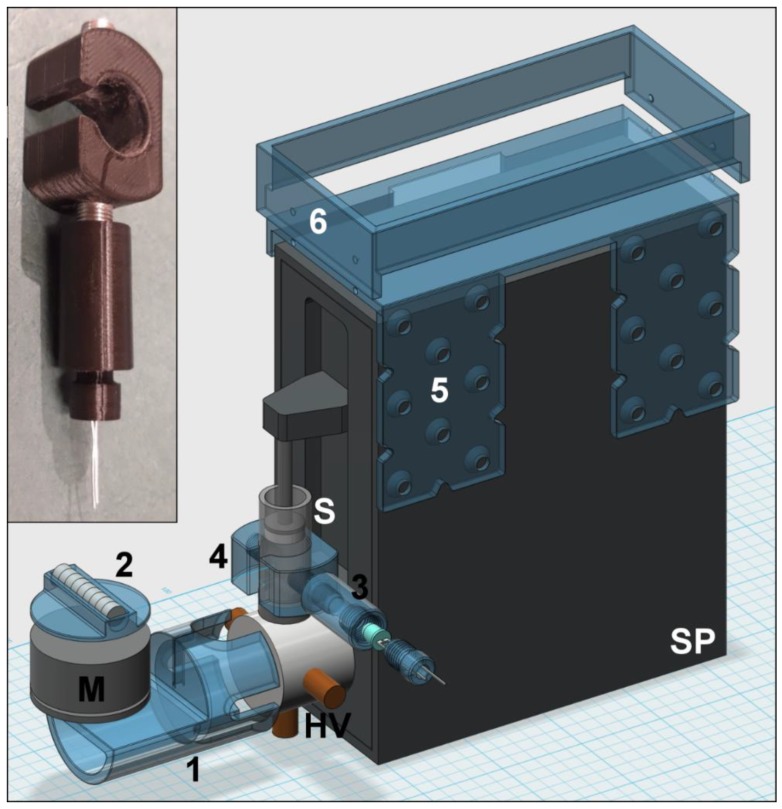
About eight years ago, a new automation approach and flow technique called "Lab-In-Syringe" was proposed. It was derived from previous flow techniques, all based on handling reagent and sample solutions in a flow manifold. To date Lab-In-Syringe has evidently gained the interest of researchers in many countries, with new modifications, operation modes, and technical improvements still popping up. It has proven to be a versatile tool for the automation of sample preparation, particularly, liquid-phase microextraction approaches. This article aims to assist newcomers to this technique in system planning and setup by overviewing the different options for configurations, limitations, and feasible operations. This includes syringe orientation, in-syringe stirring modes, in-syringe detection, additional inlets, and addable features. The authors give also a chronological overview of technical milestones and a critical explanation on the potentials and shortcomings of this technique, calculations of characteristics, and tips and tricks on method development. Moreover, a comprehensive overview of the different operation modes of Lab-In-Syringe automated sample pretreatment is given focusing on the technical aspects and challenges of the related operations. We further deal with possibilities on how to fabricate required or useful system components, in particular by 3D printing technology, with over 20 different elements exemplarily shown. Finally, a short discussion on shortcomings and required improvements is given.
大约八年前,提出了一种新的自动化方法和流动技术,称为“注射器内实验室”。它源自以前的流动技术,所有这些技术都基于在流动歧管中处理试剂和样品溶液。迄今为止,注射器内实验室显然引起了许多国家研究人员的兴趣,新的改进、操作模式和技术进步仍在不断涌现。它已被证明是自动化样品制备的多功能工具,特别是在液相微萃取方法中。本文旨在通过概述不同的配置、限制和可行操作选项,为该技术的新手提供系统规划和设置方面的帮助。这包括注射器的方向、注射器内搅拌模式、注射器内检测、附加入口和可添加的功能。作者还按时间顺序概述了技术里程碑,并对该技术的潜力和缺点、特性计算以及方法开发的技巧和窍门进行了批判性解释。此外,还全面概述了注射器内自动化样品预处理的不同操作模式,重点介绍了相关操作的技术方面和挑战。我们进一步探讨了如何通过 3D 打印技术制造所需或有用的系统组件的可能性,其中特别展示了 20 多个不同的元件。最后,对缺点和所需改进进行了简短讨论。