Cerutti Aude, Blanchard Nicolas, Besteiro Sébastien
LPHI, UMR 5235, CNRS, University of Montpellier, 34095 Montpellier, France.
Center for Pathophysiology Toulouse-Purpan (CPTP), INSERM, CNRS, University of Toulouse, 31024 Toulouse, France.
Pathogens. 2020 Mar 21;9(3):234. doi: 10.3390/pathogens9030234.
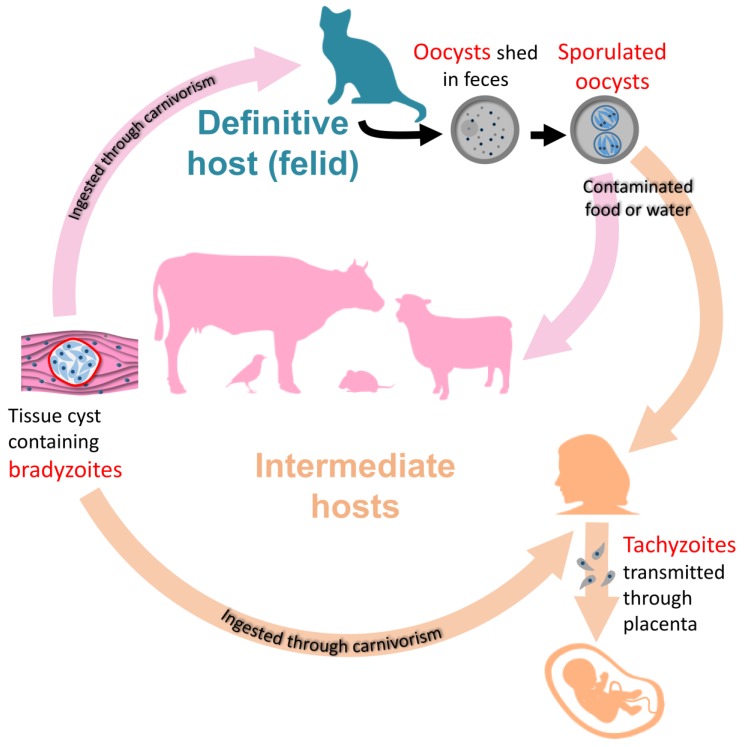
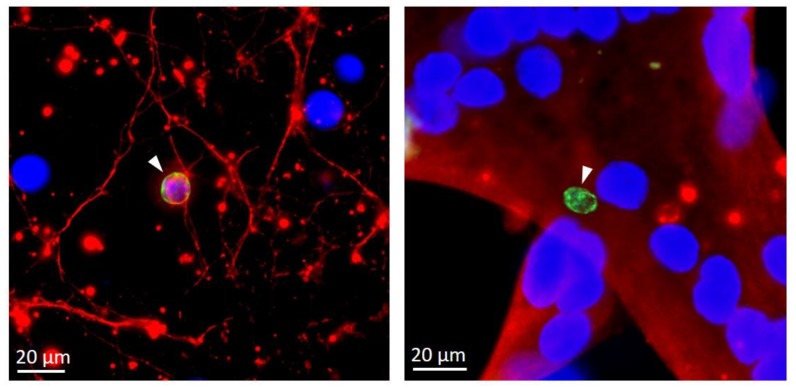
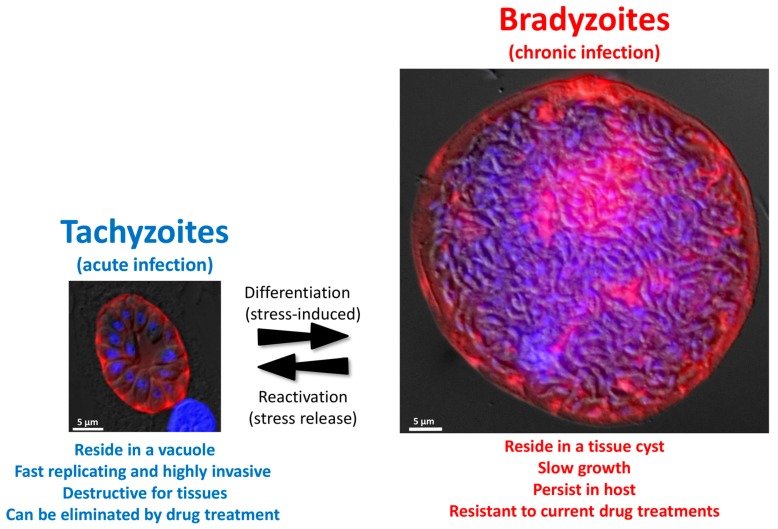
is a ubiquitous parasitic protist found in a wide variety of hosts, including a large proportion of the human population. Beyond an acute phase which is generally self-limited in immunocompetent individuals, the ability of the parasite to persist as a dormant stage, called bradyzoite, is an important aspect of toxoplasmosis. Not only is this stage not eliminated by current treatments, but it can also reactivate in immunocompromised hosts, leading to a potentially fatal outcome. Yet, despite its critical role in the pathology, the bradyzoite stage is relatively understudied. One main explanation is that it is a considerably challenging model, which essentially has to be derived from in vivo sources. However, recent progress on genetic manipulation and in vitro differentiation models now offers interesting perspectives for tackling key biological questions related to this particularly important developmental stage.
是一种普遍存在的寄生原生生物,存在于多种宿主中,包括很大比例的人类群体。在免疫功能正常的个体中,急性期通常是自限性的,而寄生虫以休眠阶段(称为缓殖子)持续存在的能力是弓形虫病的一个重要方面。这个阶段不仅不能被目前的治疗方法消除,而且在免疫功能低下的宿主中还会重新激活,导致潜在的致命后果。然而,尽管缓殖子阶段在病理学中起着关键作用,但对其研究相对较少。一个主要原因是它是一个极具挑战性的模型,基本上必须从体内来源获得。然而,基因操作和体外分化模型的最新进展现在为解决与这个特别重要的发育阶段相关的关键生物学问题提供了有趣的视角。