UCLA Department of Neurosurgery, USA; UCLA Brain Injury Research Center, USA.
UCLA Department of Neurosurgery, USA; UCLA Department of Neurology, USA.
Exp Neurol. 2020 Jul;329:113289. doi: 10.1016/j.expneurol.2020.113289. Epub 2020 Apr 2.
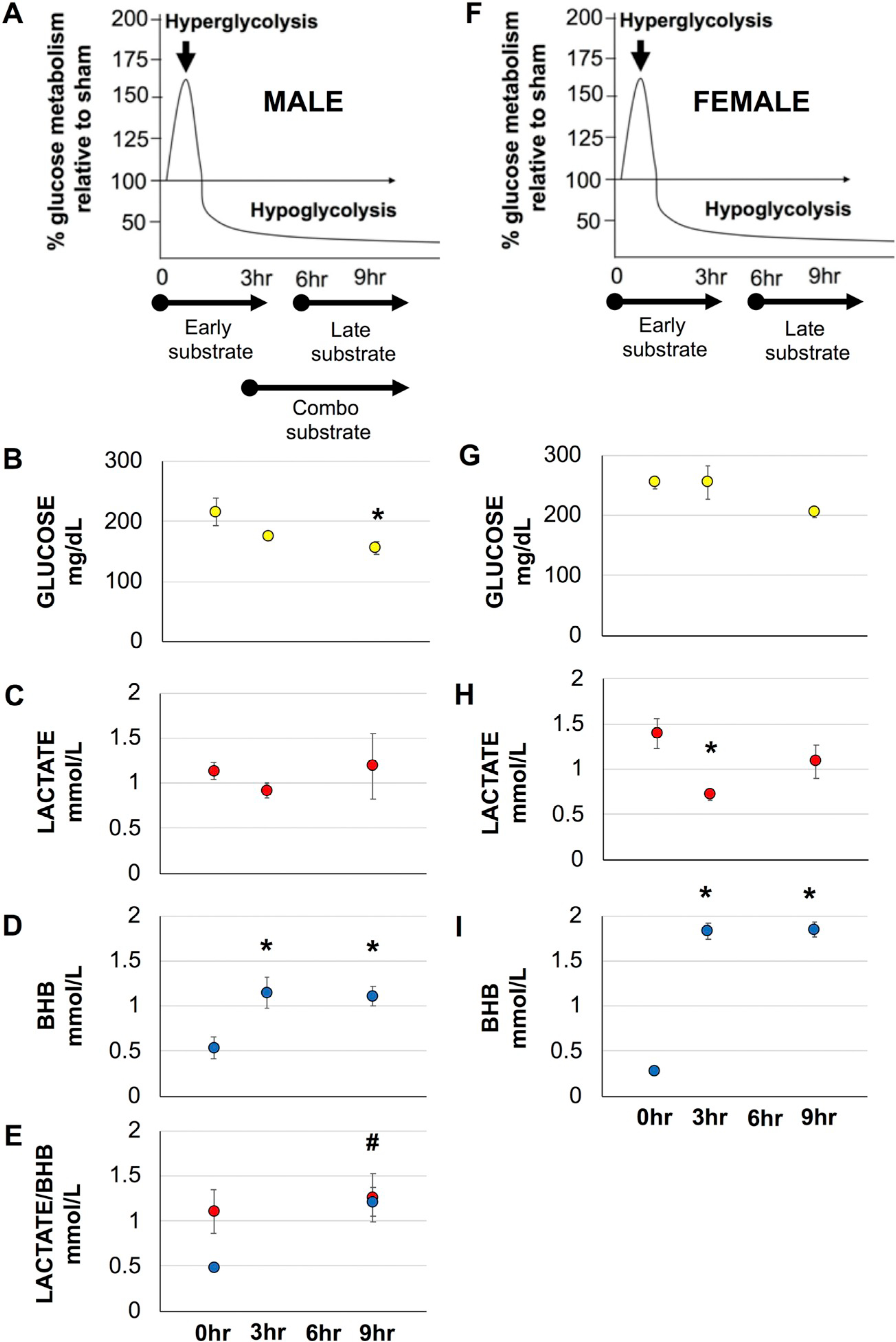
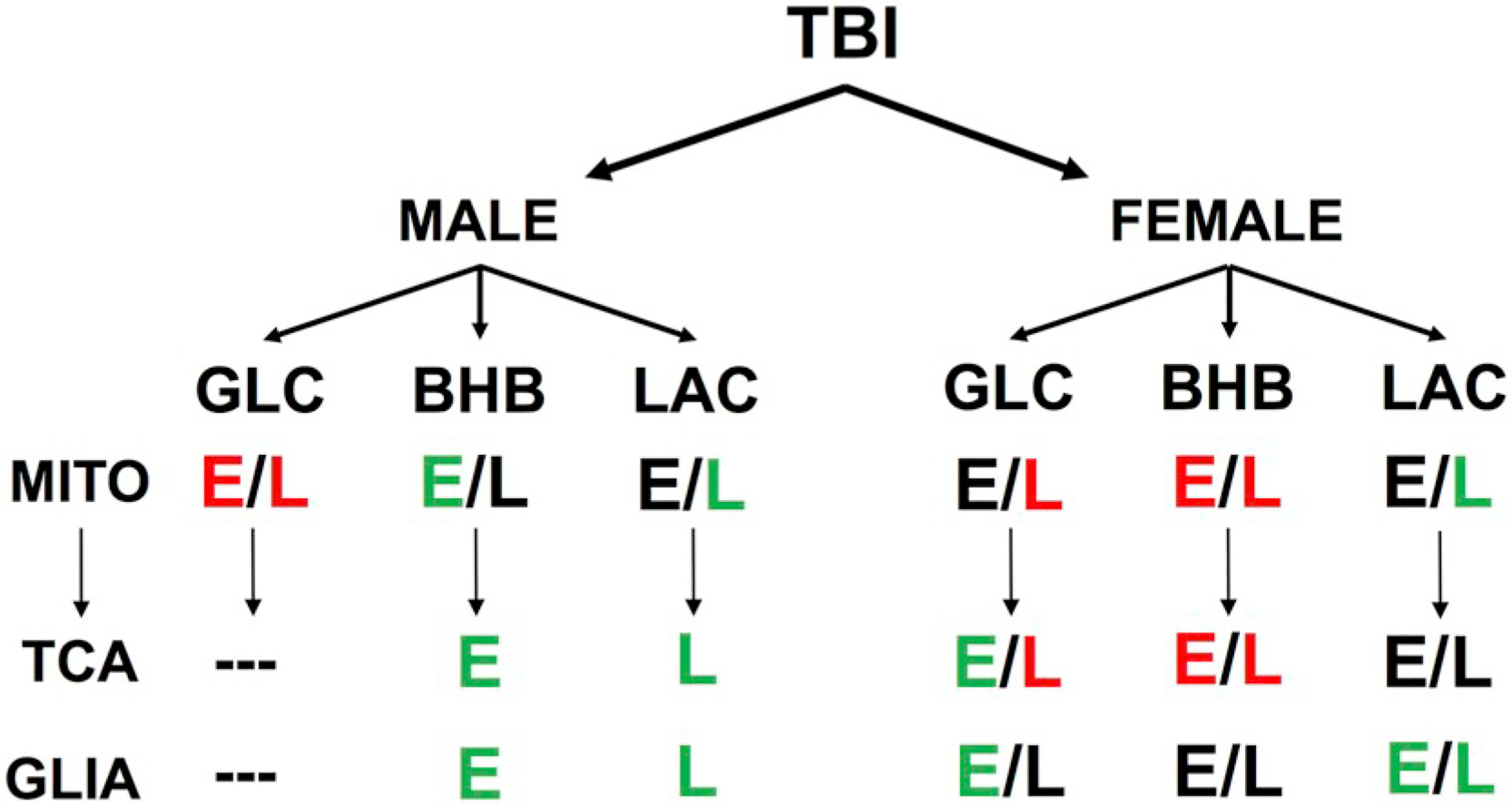
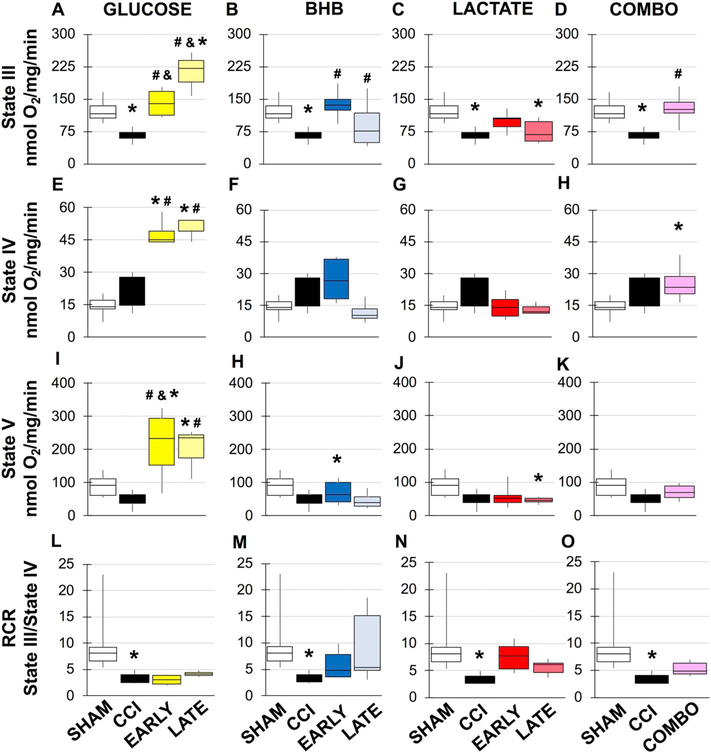
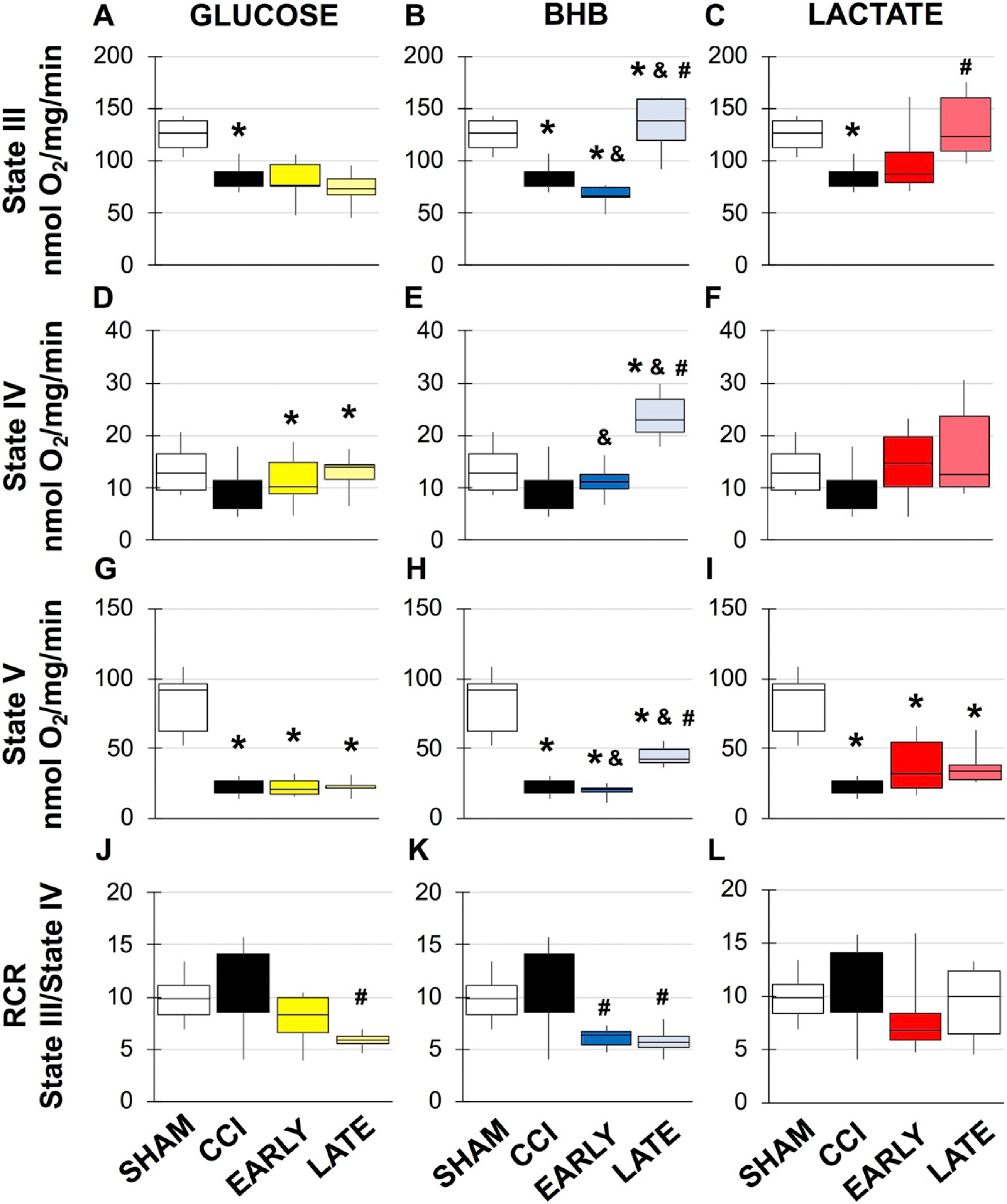
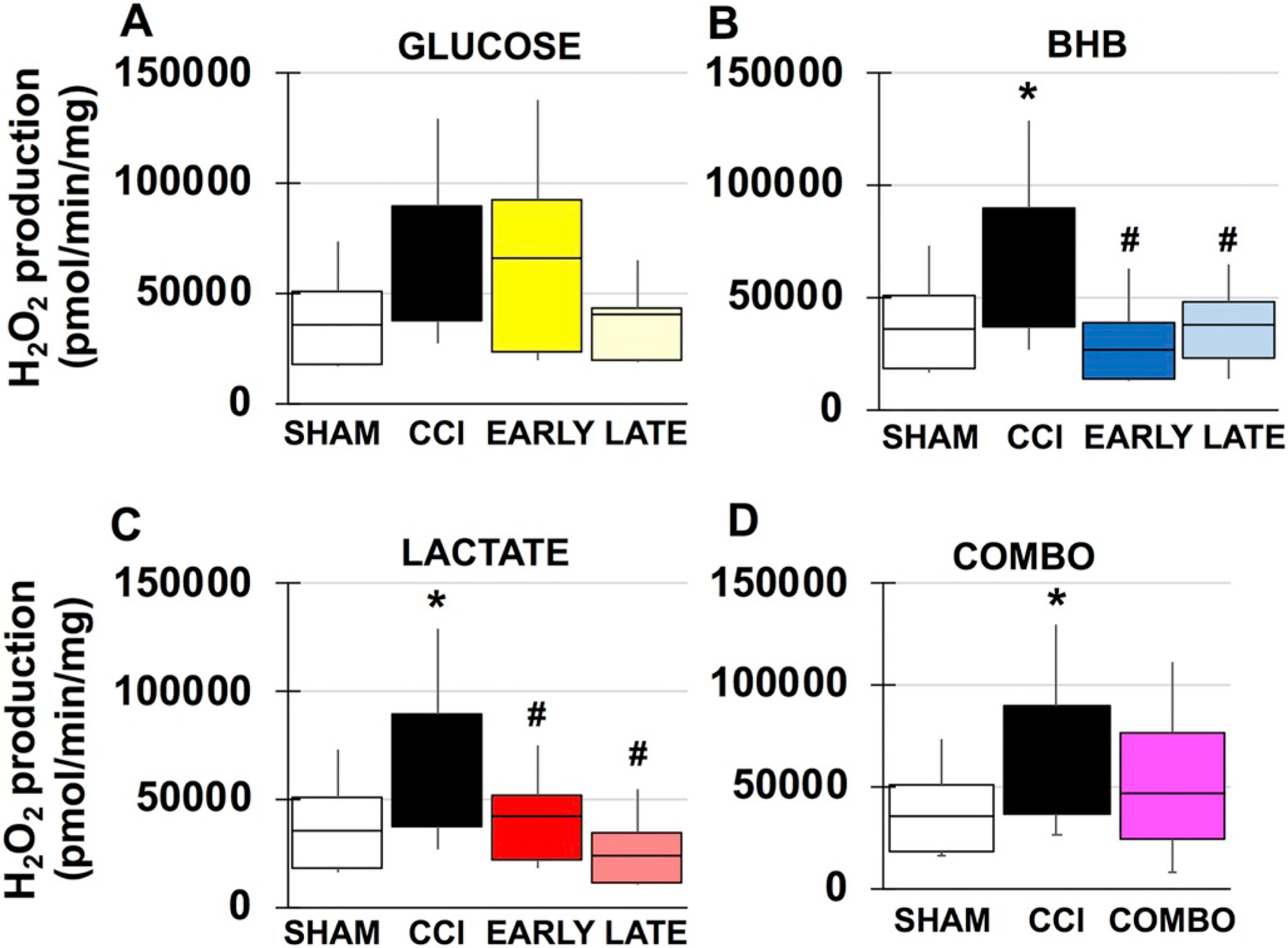
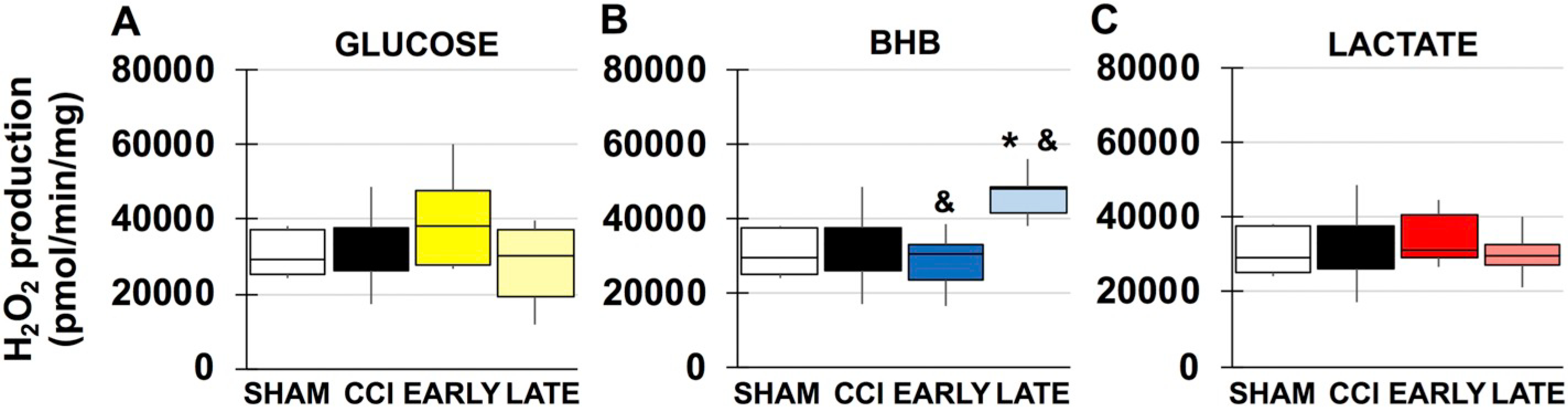
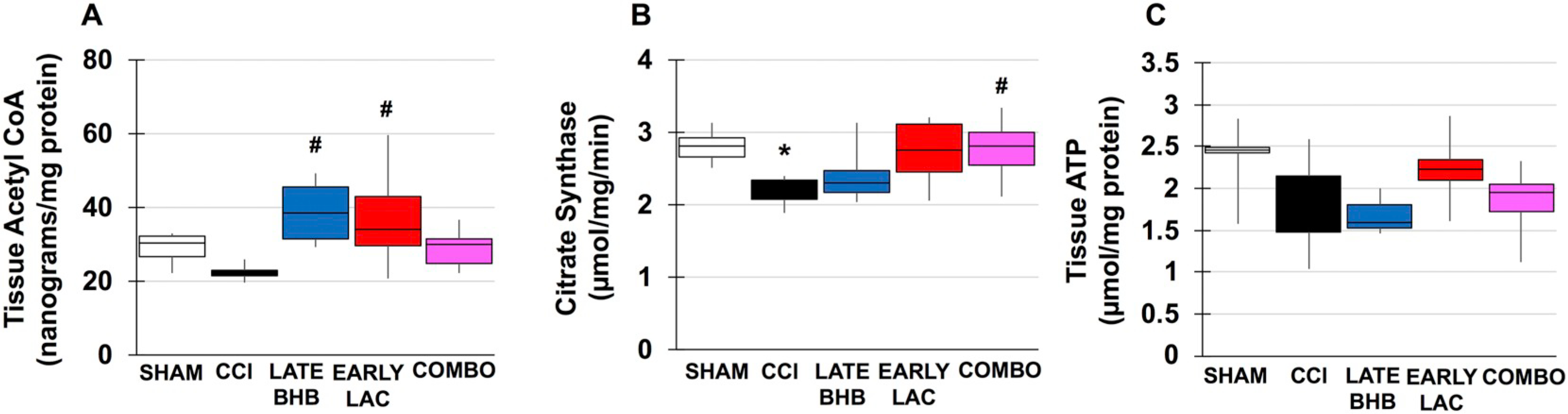
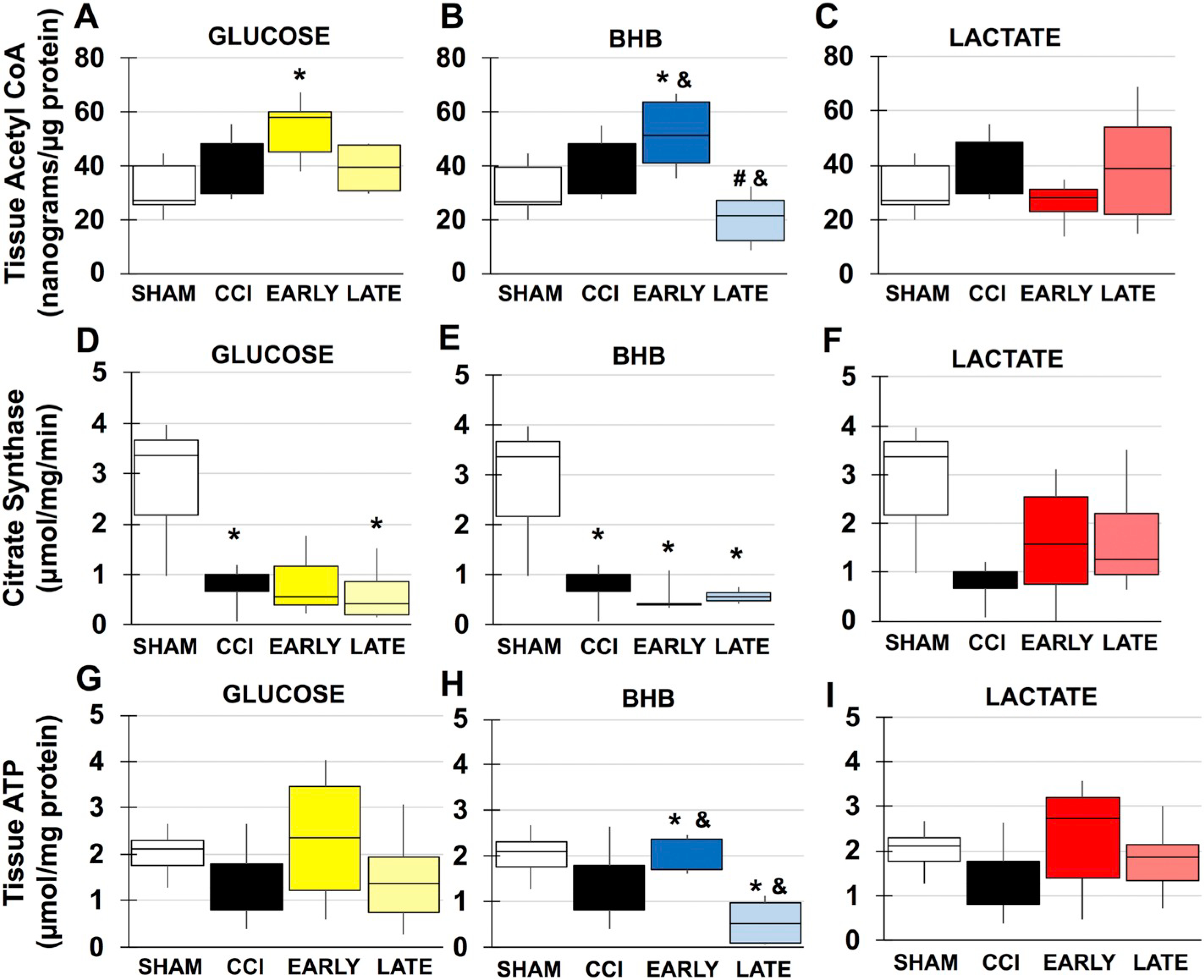
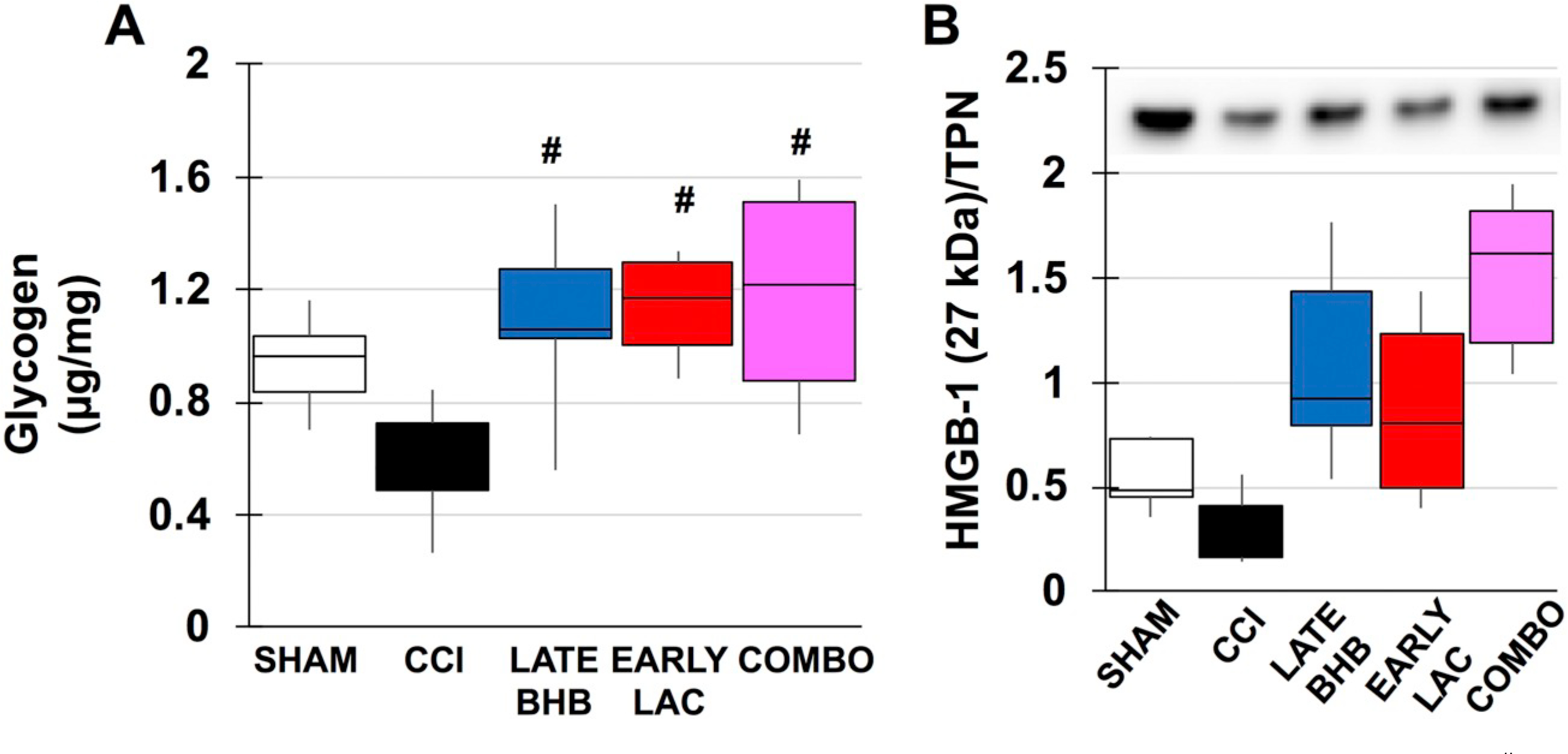
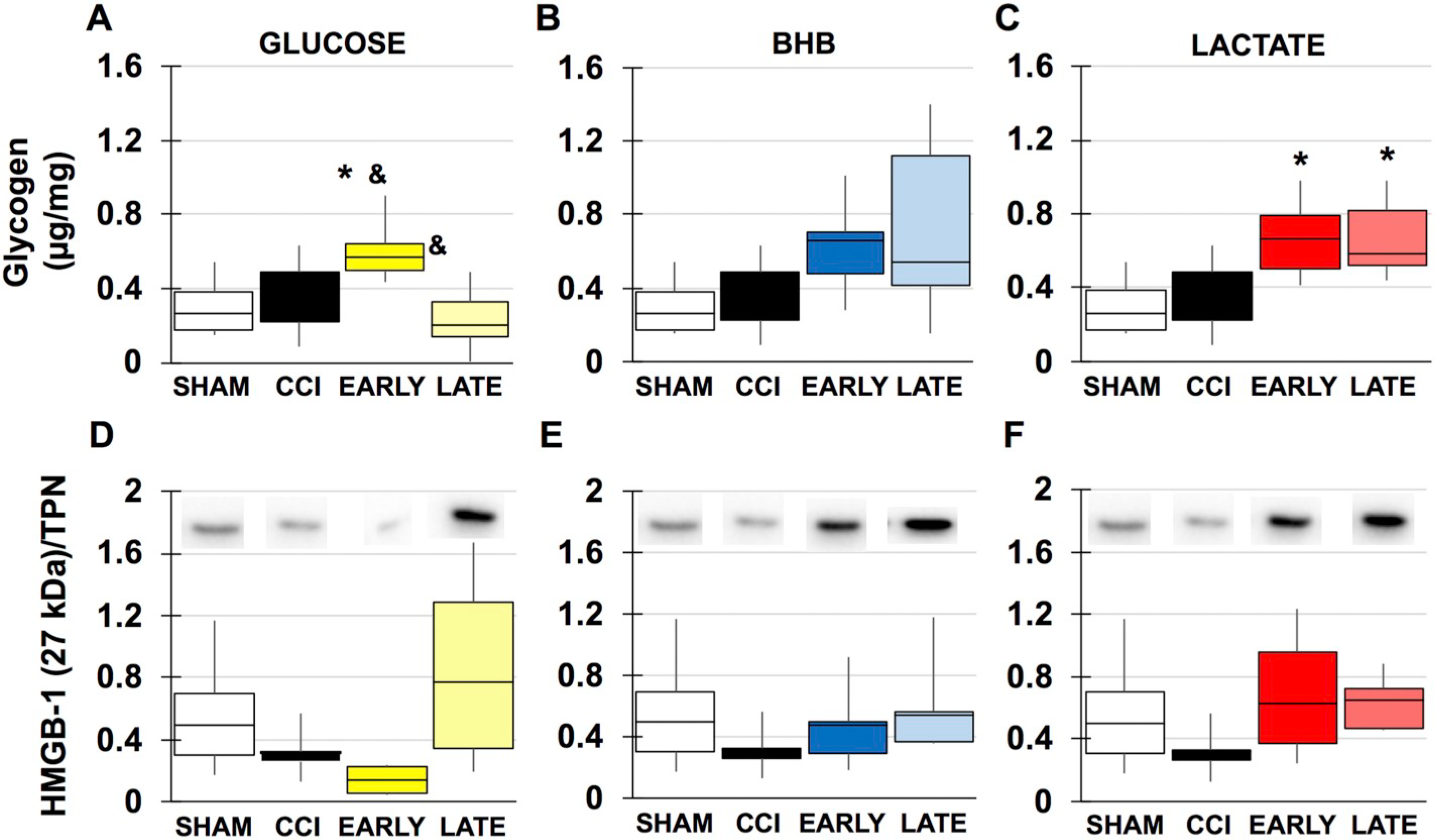
Decreases in energy metabolism following traumatic brain injury (TBI) are attributed to impairment of glycolytic flux and oxidative phosphorylation. Glucose utilization post-TBI is decreased while administration of alternative substrates has been shown to be neuroprotective. Changes in energy metabolism following TBI happens in two phases; a period of hyper-metabolism followed by prolonged hypo-metabolism. It is not understood how different cerebral metabolic states may impact substrate metabolism and ultimately mitochondrial function. Adult male or female Sprague Dawley rats were given sham surgery or controlled cortical impact (CCI) and were assigned one of two administration schemes. Glucose, lactate or beta-hydroxybutyrate (BHB) were infused i.v. either starting immediately after injury or beginning 6 h post-injury for 3 h to reflect the hyper- and hypo-metabolic stages. Animals were euthanized 24 h post-injury. The peri-contusional cortex was collected and assayed for mitochondrial respiration peroxide production, and citrate synthase activity. Tissue acetyl-CoA, ATP, glycogen and HMGB1 were also quantified. Sex differences were observed in injury pattern. Administration based on cerebral metabolic state identified that only early lactate and late BHB improved mitochondrial function and peroxide production and TCA cycle intermediates in males. In contrast, both early and late BHB had deleterious effects on all aspects of metabolic measurements in females. These data stress there is no one optimal alternative substrate, but rather the fuel type used should be guided by both cerebral metabolic state and sex.
创伤性脑损伤 (TBI) 后能量代谢的减少归因于糖酵解通量和氧化磷酸化的损伤。TBI 后葡萄糖利用率降低,而给予替代底物已被证明具有神经保护作用。TBI 后能量代谢的变化发生在两个阶段;代谢亢进期后是长时间的代谢低下期。目前尚不清楚不同的脑代谢状态如何影响底物代谢,最终影响线粒体功能。雄性或雌性 Sprague Dawley 大鼠接受假手术或皮质控制冲击 (CCI),并分配两种给药方案之一。葡萄糖、乳酸或β-羟丁酸 (BHB) 通过静脉内输注,要么在损伤后立即开始,要么在损伤后 6 小时开始,持续 3 小时,以反映代谢亢进和代谢低下期。动物在损伤后 24 小时被安乐死。收集损伤区皮质并测定线粒体呼吸、过氧化物产生和柠檬酸合酶活性。还定量了组织乙酰辅酶 A、ATP、糖原和高迁移率族蛋白 1 (HMGB1)。在损伤模式中观察到性别差异。基于脑代谢状态的给药表明,只有早期的乳酸和晚期的 BHB 改善了雄性的线粒体功能和过氧化物产生以及 TCA 循环中间产物。相比之下,早期和晚期的 BHB 对女性所有代谢测量方面都有不良影响。这些数据强调没有一种最佳的替代底物,而是应该根据脑代谢状态和性别来选择燃料类型。