Ahamad Afrinash, Wang Jia, Ge Shaoyu, Kirschen Gregory W
Graduate Program in Neuroscience, Stony Brook University, Stony Brook, NY, United States.
School of Health Technology and Management, Stony Brook University, Stony Brook, NY, United States.
Front Neurosci. 2020 Mar 17;14:202. doi: 10.3389/fnins.2020.00202. eCollection 2020.
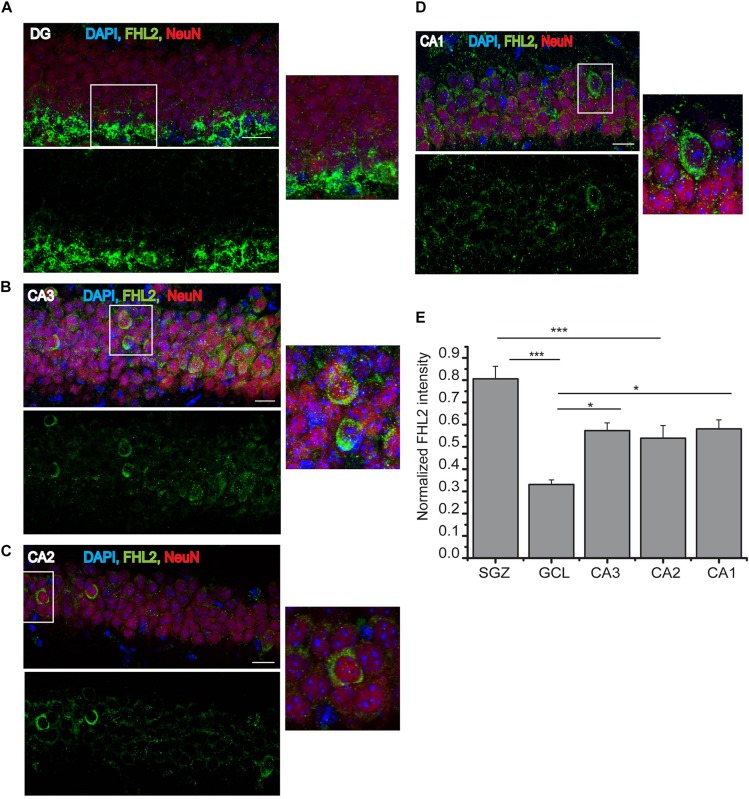
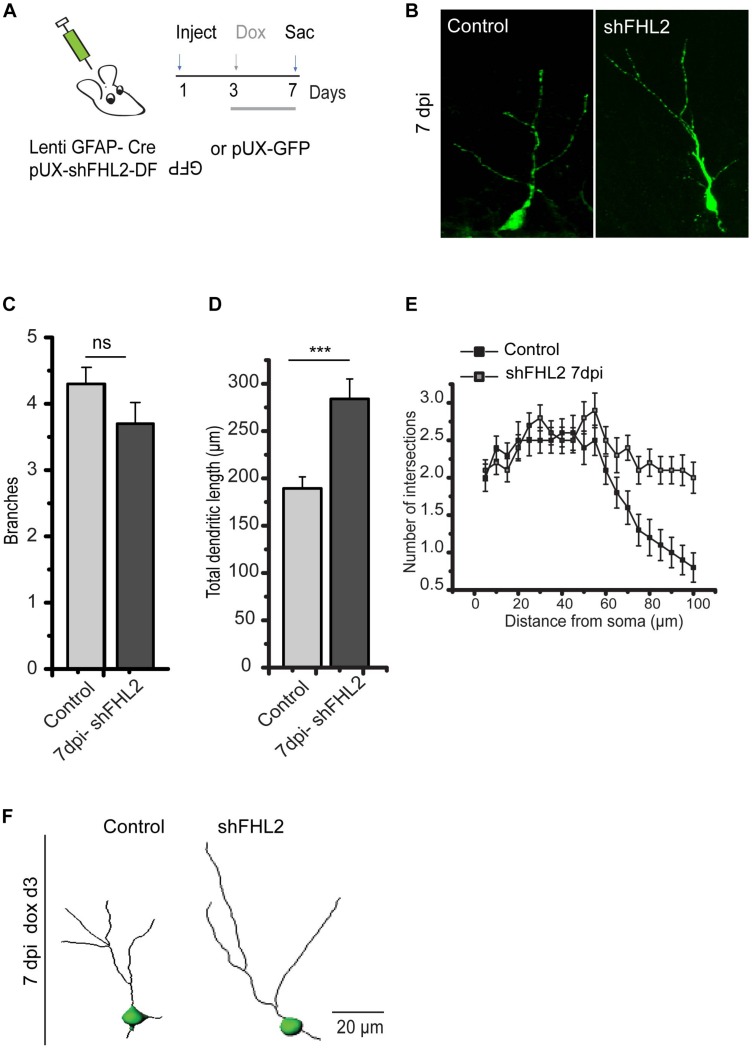
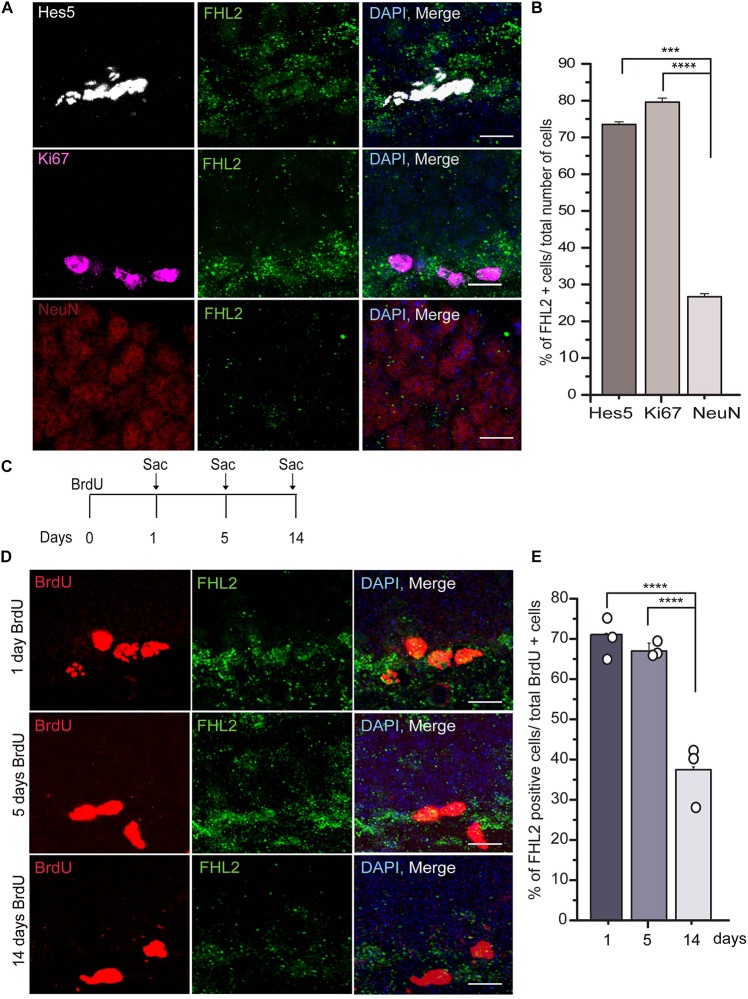
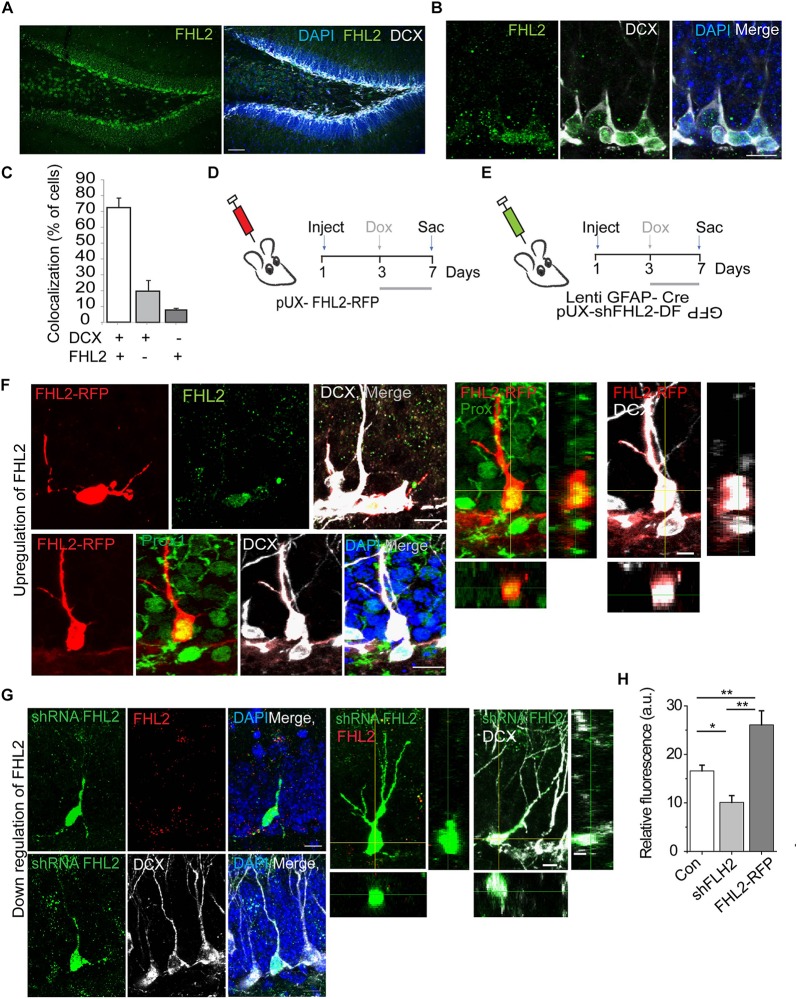
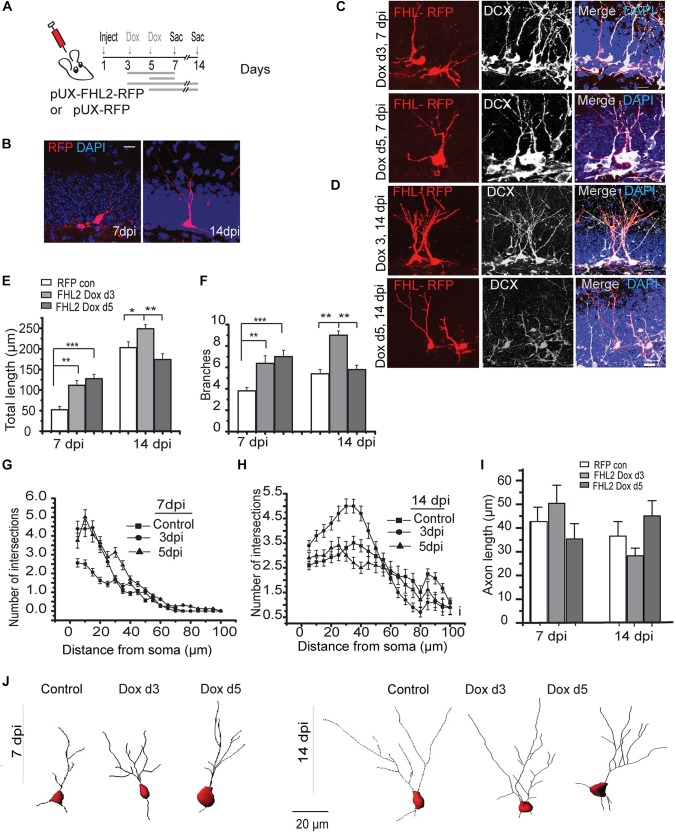
Dentate granule cells (DGCs), the progeny of neural stem cells (NSCs) in the sub-granular zone of the dentate gyrus (DG), must develop and functionally integrate with the mature cohort of neurons in order to maintain critical hippocampal functions throughout adulthood. Dysregulation in the continuum of DGC development can result in aberrant morphology and disrupted functional maturation, impairing neuroplasticity of the network. Yet, the molecular underpinnings of the signaling involved in adult-born DGC maturation including dendritic growth, which correlates with functional integration, remains incompletely understood. Given the high metabolic activity in the dentate gyrus (DG) required to achieve continuous neurogenesis, we investigated the potential regulatory role of a cellular metabolism-linked gene recently implicated in NSC cycling and neuroblast migration, called Four and a half LIM domain 2 (FHL2). The FHL2 protein modulates numerous pathways related to proliferation, migration, survival and cytoskeletal rearrangement in peripheral tissues, interacting with the machinery of the sphingosine-1-phosphate pathway, also known to be highly active especially in the hippocampus. Yet, the potential relevance of FHL2 to adult-born DGC development remains unknown. To elucidate the role of FHL2 in DGC development in the adult brain, we first confirmed the endogenous expression of FHL2 in NSCs and new granule cells within the DG, then engineered viral vectors for genetic manipulation experiments, investigating morphological changes in early stages of DGC development. Overexpression of FHL2 during early DGC development resulted in marked sprouting and branching of dendrites, while silencing of FHL2 increased dendritic length. Together, these findings suggest a novel role of FHL2 in adult-born DGC morphological maturation, which may open up a new line of investigation regarding the relevance of this gene in physiology and pathologies of the hippocampus such as mesial temporal lobe epilepsy (MTLE).
齿状颗粒细胞(DGCs)是齿状回(DG)颗粒下区神经干细胞(NSCs)的子代细胞,为在成年期维持关键的海马功能,它们必须发育并在功能上与成熟的神经元群体整合。DGC发育连续过程中的失调可导致形态异常和功能成熟受损,从而损害网络的神经可塑性。然而,参与成年新生DGC成熟(包括与功能整合相关的树突生长)的信号传导的分子基础仍未完全了解。鉴于实现持续神经发生所需的齿状回(DG)中的高代谢活性,我们研究了一种与细胞代谢相关的基因——四又二分之一LIM结构域2(FHL2)的潜在调节作用,该基因最近被认为与NSC循环和成神经细胞迁移有关。FHL2蛋白在外周组织中调节许多与增殖、迁移、存活和细胞骨架重排相关的途径,与已知在海马中尤其活跃的鞘氨醇-1-磷酸途径的机制相互作用。然而,FHL2与成年新生DGC发育的潜在相关性仍然未知。为了阐明FHL2在成人大脑DGC发育中的作用,我们首先证实了FHL2在DG内的NSCs和新颗粒细胞中的内源性表达,然后构建病毒载体用于基因操作实验,研究DGC发育早期的形态变化。在DGC发育早期过表达FHL2导致树突明显发芽和分支,而沉默FHL2则增加树突长度。总之,这些发现表明FHL2在成年新生DGC形态成熟中具有新作用,这可能为研究该基因在海马生理和病理(如内侧颞叶癫痫(MTLE))中的相关性开辟新的研究方向。