Minetti Giampaolo, Bernecker Claudia, Dorn Isabel, Achilli Cesare, Bernuzzi Stefano, Perotti Cesare, Ciana Annarita
Laboratories of Biochemistry, Department of Biology and Biotechnology "L. Spallanzani", University of Pavia, Pavia, Italy.
Department of Blood Group Serology and Transfusion Medicine, Medical University of Graz, Graz, Austria.
Front Physiol. 2020 Mar 17;11:215. doi: 10.3389/fphys.2020.00215. eCollection 2020.
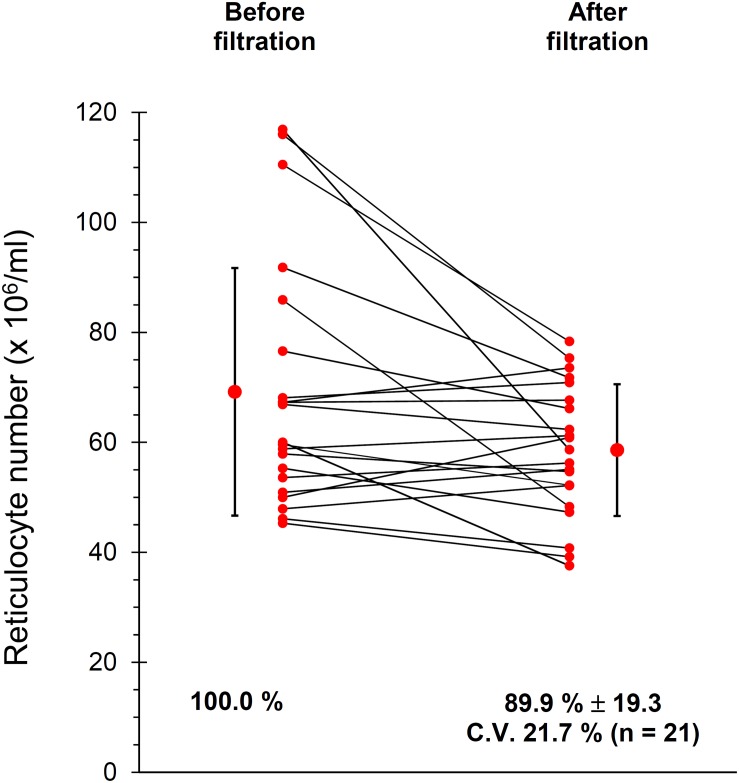
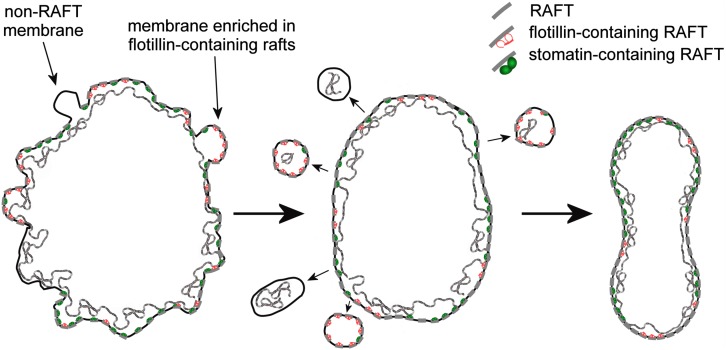
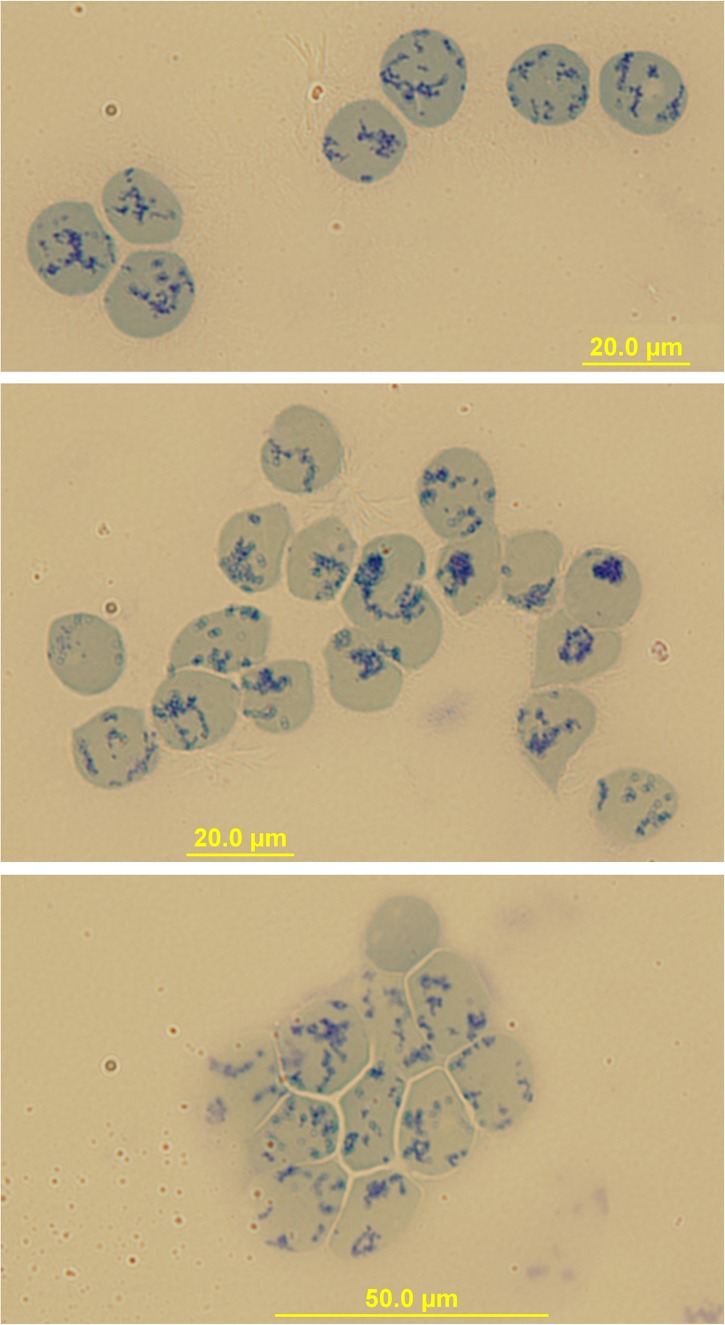
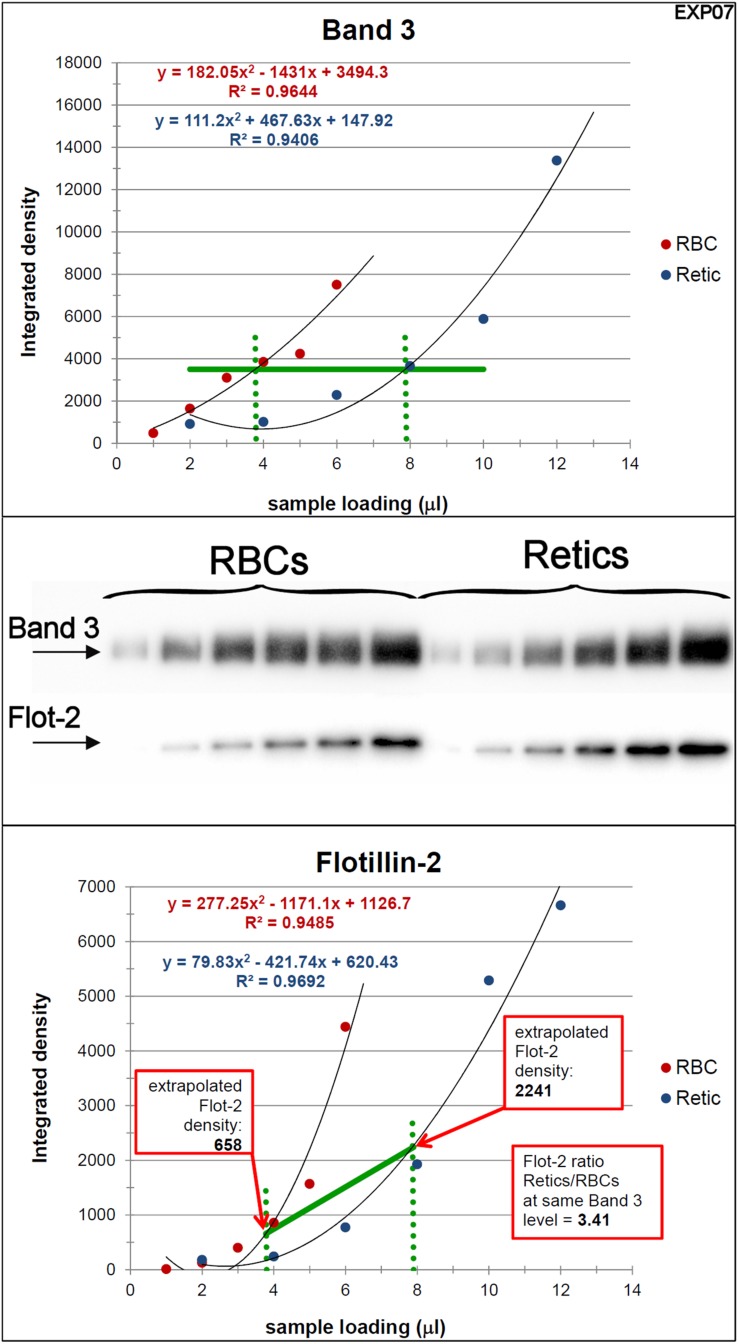
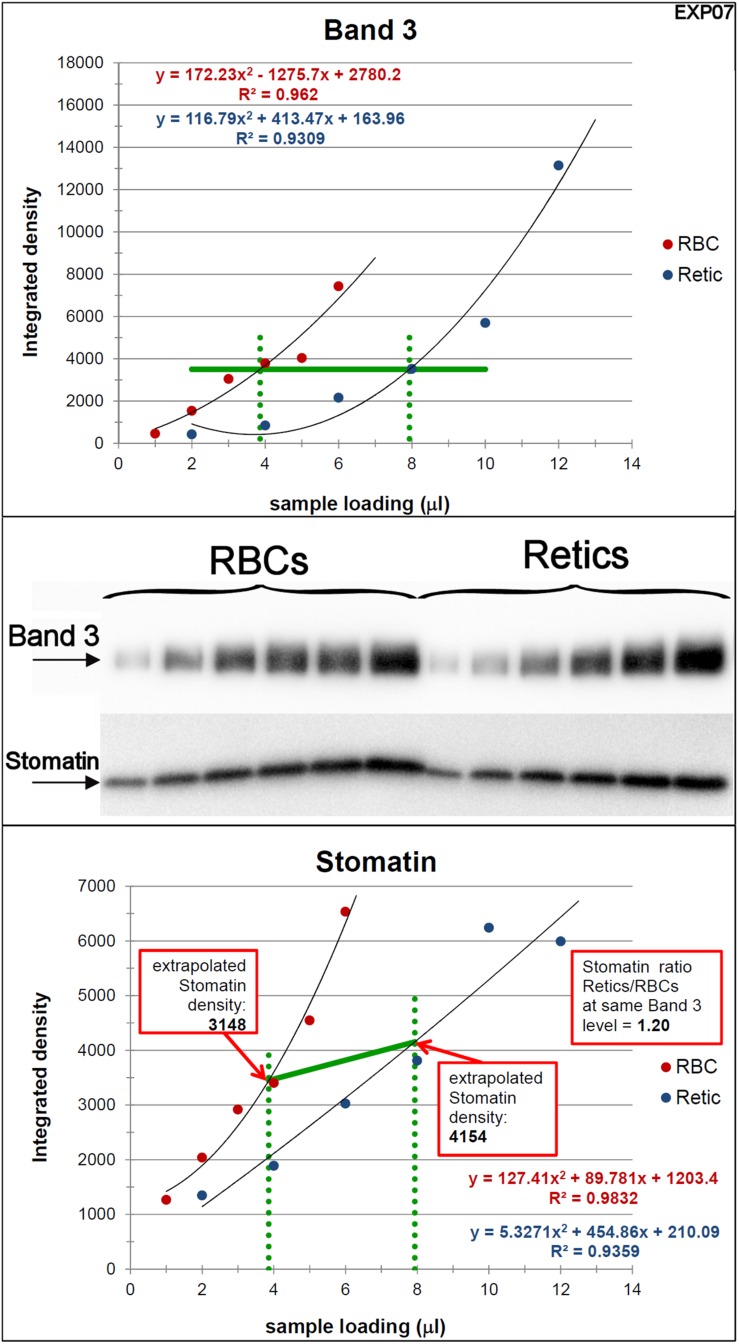
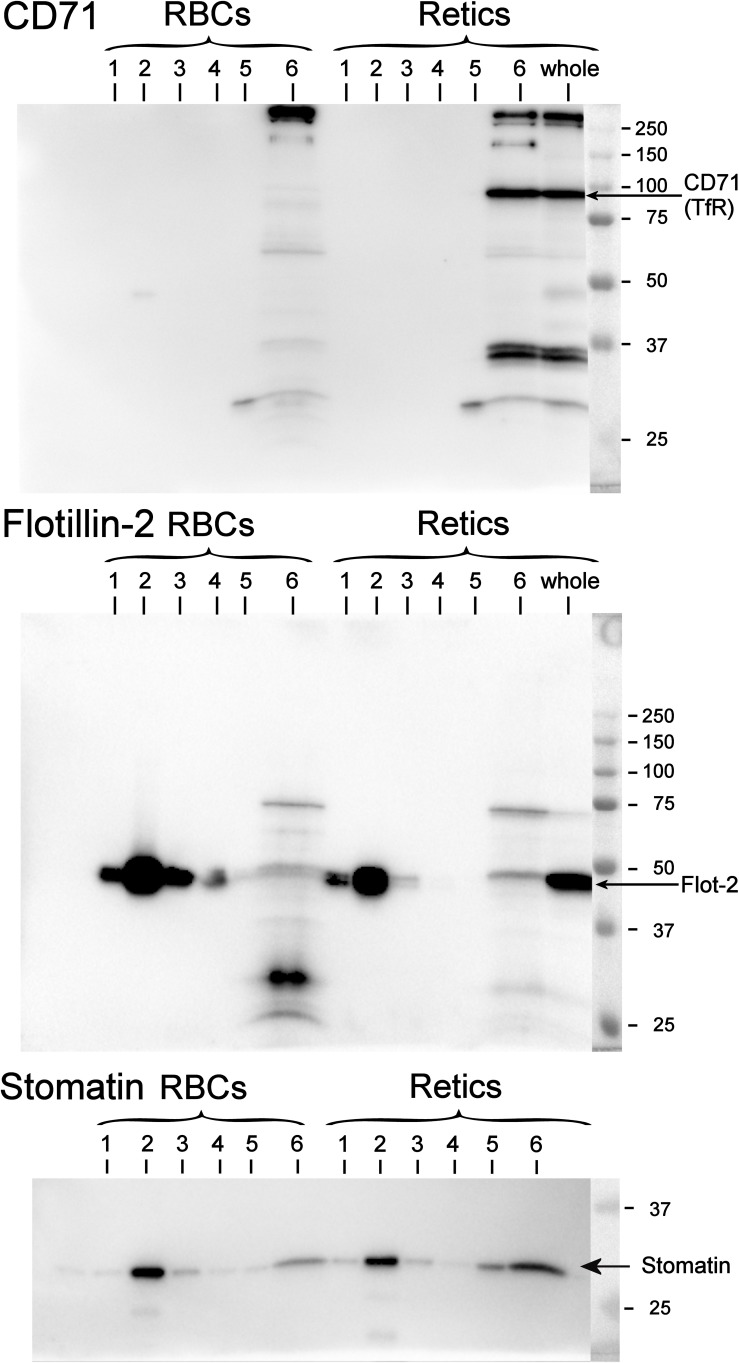
Red blood cells (RBCs) begin their circulatory life as reticulocytes (Retics) after their egress from the bone marrow where, as R1 Retics, they undergo significant rearrangements in their membrane and intracellular components, via autophagic, proteolytic, and vesicle-based mechanisms. Circulating, R2 Retics must complete this maturational process, which involves additional loss of significant amounts of membrane and selected membrane proteins. Little is known about the mechanism(s) at the basis of this terminal differentiation in the circulation, which culminates with the production of a stable biconcave discocyte. The membrane of R1 Retics undergoes a selective remodeling through the release of exosomes that are enriched in transferrin receptor and membrane raft proteins and lipids, but are devoid of Band 3, glycophorin A, and membrane skeletal proteins. We wondered whether a similar selective remodeling occurred also in the maturation of R2 Retics. Peripheral blood R2 Retics, isolated by an immunomagnetic method, were compared with mature circulating RBCs from the same donor and their membrane protein and lipid content was analyzed. Results show that both Band 3 and spectrin decrease from R2 Retics to RBCs on a "per cell" basis. Looking at membrane proteins that are considered as markers of membrane rafts, flotillin-2 appears to decrease in a disproportionate manner with respect to Band 3. Stomatin also decreases but in a more proportionate manner with respect to Band 3, hinting at a heterogeneous nature of membrane rafts. High resolution lipidomics analysis, on the contrary, revealed that those lipids that are typically representative of the membrane raft phase, sphingomyelin and cholesterol, are enriched in mature RBCs with respct to Retics, relative to total cell lipids, strongly arguing in favor of the selective retention of at least certain subclasses of membrane rafts in RBCs as they mature from Retics. Our hypothesis that rafts serve as additional anchoring sites for the lipid bilayer to the underlying membrane-skeleton is corroborated by the present results. It is becoming ever more clear that a proper lipid composition of the reticulocyte is necessary for the production of a normal mature RBC.
红细胞(RBCs)从骨髓中释放出来后,以网织红细胞(Retics)的形式开始其循环生命历程。在骨髓中,作为R1网织红细胞,它们通过自噬、蛋白水解和基于囊泡的机制,在膜和细胞内成分上经历显著的重排。循环中的R2网织红细胞必须完成这个成熟过程,这涉及大量膜和特定膜蛋白的进一步丢失。关于循环中这种终末分化的机制知之甚少,这种分化最终产生稳定的双凹圆盘状红细胞。R1网织红细胞的膜通过释放富含转铁蛋白受体、膜筏蛋白和脂质,但缺乏带3蛋白、血型糖蛋白A和膜骨架蛋白的外泌体进行选择性重塑。我们想知道在R2网织红细胞成熟过程中是否也发生了类似的选择性重塑。通过免疫磁珠法分离出的外周血R2网织红细胞与来自同一供体的成熟循环红细胞进行比较,并分析它们的膜蛋白和脂质含量。结果表明,从“每个细胞”的角度来看,带3蛋白和血影蛋白从R2网织红细胞到红细胞都减少了。观察被视为膜筏标志物的膜蛋白,相对于带3蛋白,浮舰蛋白-2似乎以不成比例的方式减少。司他汀也减少,但相对于带3蛋白减少的比例更大,这暗示了膜筏的异质性。相反,高分辨率脂质组学分析表明,那些通常代表膜筏相的脂质,鞘磷脂和胆固醇,相对于总细胞脂质,在成熟红细胞中相对于网织红细胞富集,有力地支持了红细胞从网织红细胞成熟过程中至少某些膜筏亚类被选择性保留的观点。我们的假设,即膜筏作为脂质双层与下层膜骨架的额外锚定位点,得到了目前结果的证实。越来越清楚的是,网织红细胞适当的脂质组成对于产生正常成熟的红细胞是必要的。