Yusuf Muhammed Aasim, Hussain Shoaib Fahad, Sultan Faisal, Badar Farhana, Sullivan Richard
Shaukat Khanum Memorial Cancer Hospital and Research Centre, Lahore, Pakistan.
Joint First Authors.
Ecancermedicalscience. 2020 Mar 5;14:1018. doi: 10.3332/ecancer.2020.1018. eCollection 2020.
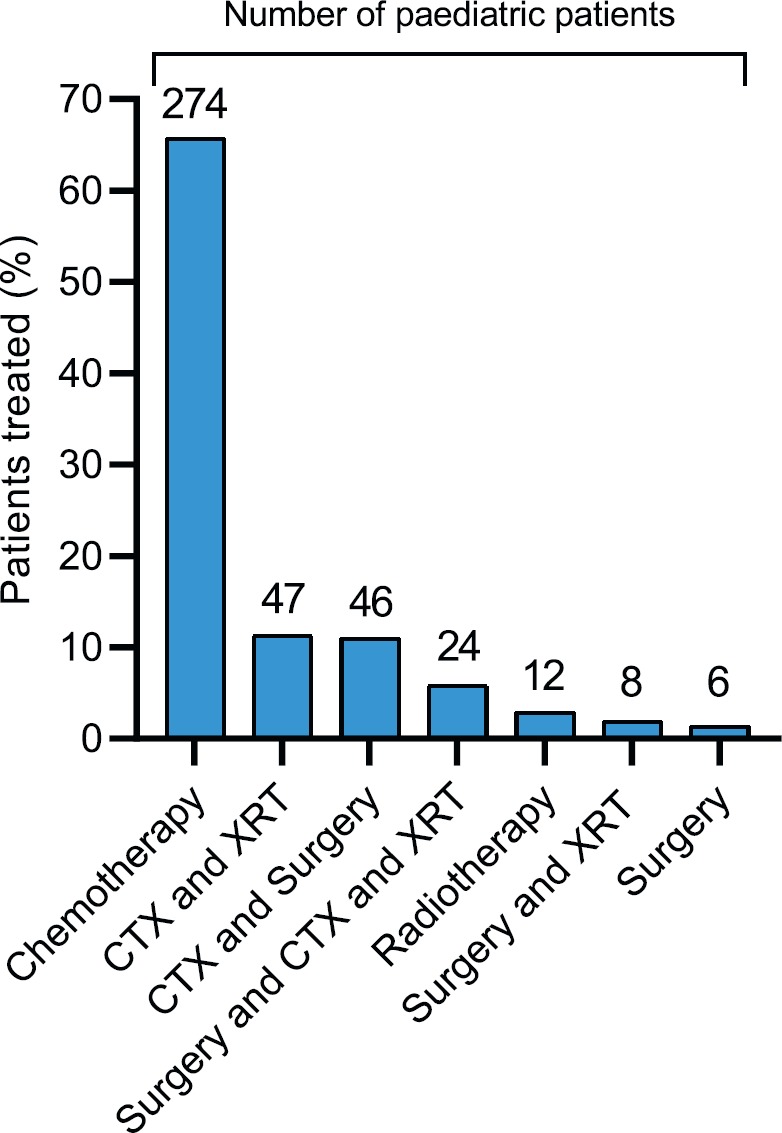
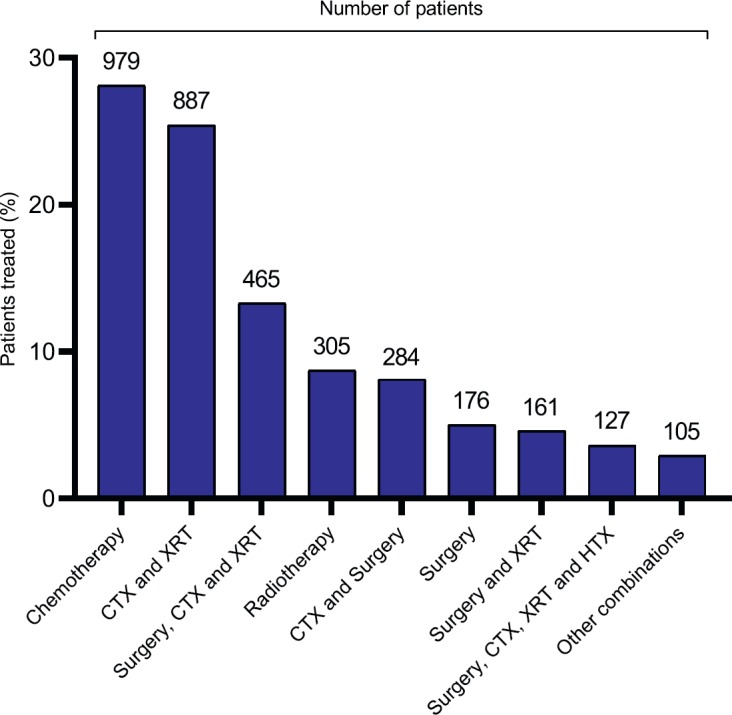
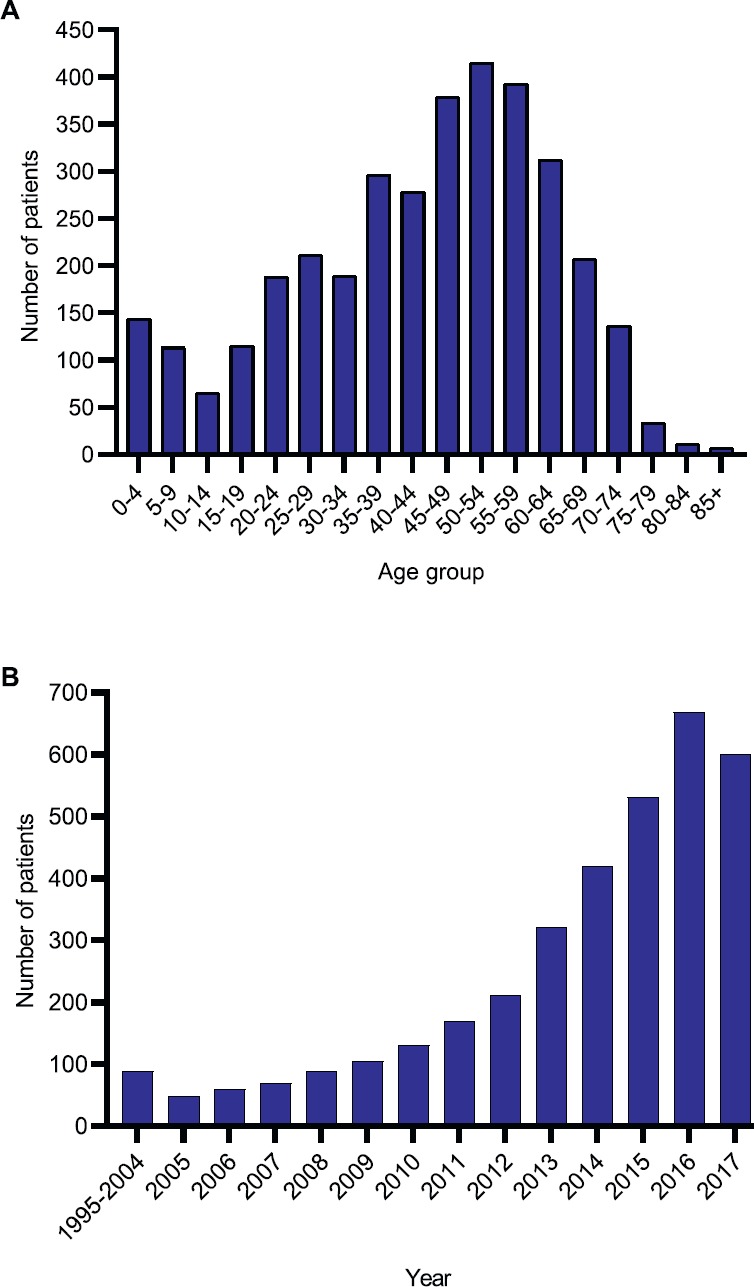
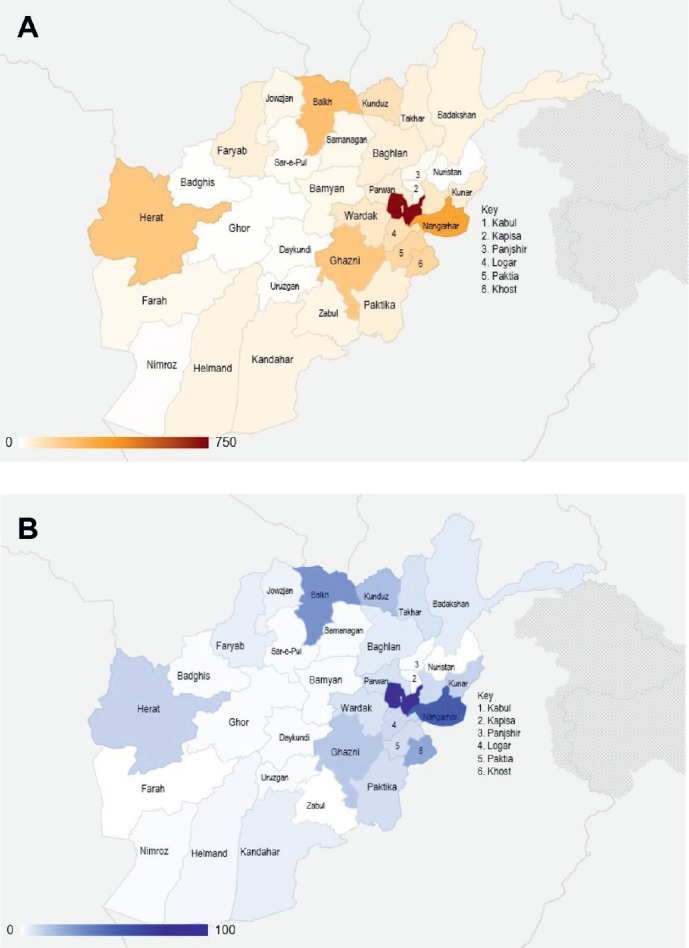
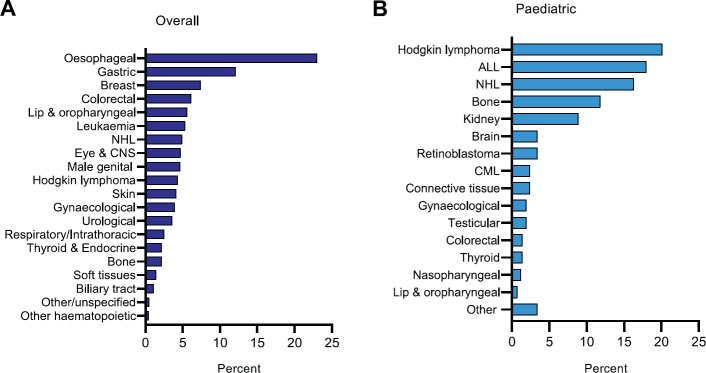
Armed conflict in Afghanistan has continued for close to 40 years and has devastated its health infrastructure. The lack of a cancer care infrastructure has meant that many Afghans seek cancer care in neighbouring countries, like Pakistan. There remains a significant lack of empirical data on the new therapeutic geographies of cancer in contemporary conflicts. This retrospective single centre study explores the therapeutic and clinical geographies of Afghan cancer patients who were treated at the Shaukat Khanum Memorial Cancer Hospital and Research Centre (SKMCH&RC) in Lahore, Pakistan over a 22-year-period (1995 to 2017) covering major periods of conflict and relative peace. Data was available for 3,489 Afghan patients who received treatment at SKMCH&RC. The mean age at presentation was 42.7 years, and 60% were men. 30.2% came from Kabul and Nangarhar districts of Afghanistan, which have relatively short travel times to Pakistan, but patients from all parts of Afghanistan migrated to SKMCH&RC for treatment. Overall, 34.1% were diagnosed with upper gastrointestinal malignancies and 55.7% presented with late stage III/IV cancer. A wide range of treatments were provided, with 25.4% of patients receiving a combination of chemotherapy and radiation treatment. 52.7% of all patients were lost to follow-up. Outcomes were more favourable for children with cancer, 42% of whom had a complete response to therapy. Complex migration patterns, mixed political economies (refugees, forced and unforced migrants) and models of care that must be adapted to the realities of the patients rather than notional international standards all reflect the new therapeutic geographies that long-term conflict creates. This requires significant new domestic and international (e.g., United Nations High Commissioner for Refugees) policy and practises for providing cancer care in today's contemporary conflict ecosystems that frequently cross national borders.
阿富汗的武装冲突已持续近40年,其卫生基础设施遭到严重破坏。由于缺乏癌症护理基础设施,许多阿富汗人前往邻国巴基斯坦寻求癌症治疗。目前,关于当代冲突中癌症新治疗地域的实证数据仍然严重匮乏。这项回顾性单中心研究探讨了在巴基斯坦拉合尔的沙卡特汗姆纪念癌症医院及研究中心(SKMCH&RC)接受治疗的阿富汗癌症患者的治疗和临床地域情况,研究时间段为22年(1995年至2017年),涵盖了冲突的主要阶段和相对和平时期。共有3489名在SKMCH&RC接受治疗的阿富汗患者的数据可供分析。患者就诊时的平均年龄为42.7岁,其中60%为男性。30.2%的患者来自阿富汗的喀布尔和楠格哈尔地区,这些地区到巴基斯坦的行程相对较短,但阿富汗各地的患者都前往SKMCH&RC接受治疗。总体而言,34.1%的患者被诊断为上消化道恶性肿瘤,55.7%的患者就诊时已处于癌症晚期(III/IV期)。医院提供了广泛的治疗方法,25.4%的患者接受了化疗和放疗相结合的治疗。所有患者中有52.7%失访。癌症儿童的治疗效果较好,其中42%的儿童对治疗完全缓解。复杂的移民模式、混合的政治经济状况(难民、被迫和非被迫移民)以及必须适应患者实际情况而非名义上的国际标准的护理模式,都反映了长期冲突所创造的新治疗地域情况。这需要国内和国际(如联合国难民事务高级专员公署)制定重大的新政策和做法,以便在当今经常跨越国界的当代冲突生态系统中提供癌症护理。