Cinelli Michael, Schwartz Leonard, Spagnola Jonathan, Gulkarov Iosif, Rosell Frank, Lackey Adam, Imam Mohammed, Schwartz Charles
Department of Medicine, Staten Island University Hospital, Staten Island, NY, USA.
Division of Cardiology, Department of Medicine, Staten Island University Hospital, Staten Island, NY, USA.
Cardiol Res. 2020 Apr;11(2):113-117. doi: 10.14740/cr1013. Epub 2020 Mar 10.
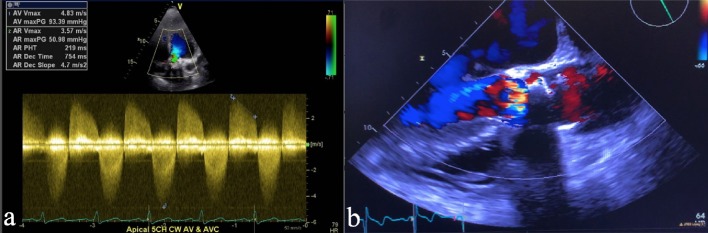
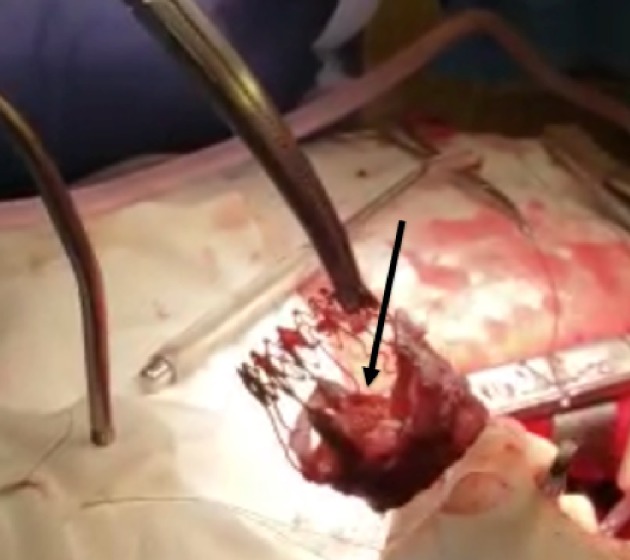
Sutureless bioprosthetic valves such as the Sorin Perceval S valve (SPV) have been used in patients with aortic stenosis that require surgical aortic valve replacement (SAVR). These prostheses have been marketed on the basis of their rapid implantation techniques with avoidance of sutures and reduced aortic cross-clamp times. We report a case of an early failure of a SPV nearly 4 years after implantation in a 58-year-old woman who was low-risk. While the patient's symptoms initially improved with SAVR with a sutureless bioprosthetic valve, they progressively worsened as the valve degraded, and the leaflets became increasingly calcified and stenotic ultimately, requiring reoperative SAVR with a St. Jude mechanical valve. This case raises the issue of the lack of much-needed data describing the long-term durability and hemodynamic performance of these valves, particularly in a low-risk patient with excellent functional status. We hope to shed further insight into the lack of long-term studies on patients with SPV to assess their longevity and long-term effectiveness, as well as elucidation of possible prevention and monitoring of these potential complications. The use of newer generation prostheses, although attractive for their ease of implantation, potentially carries higher long-term risk due to shorter durability leading to reintervention to address valve deterioration. This is especially true in low-risk patients who are young and active. Cardiology and cardiothoracic surgery societies need to develop a universal registry with follow-up of all valves in order to track and study the durability of these valves, and to evaluate for incidence of known and potential complications.
诸如索林·佩尔塞瓦尔S瓣膜(SPV)之类的无缝合生物瓣膜已用于需要进行外科主动脉瓣置换术(SAVR)的主动脉瓣狭窄患者。这些假体因其快速植入技术而得以销售,该技术可避免缝合并缩短主动脉交叉钳夹时间。我们报告了一例58岁低风险女性患者,在植入SPV近4年后早期瓣膜失败的病例。虽然患者的症状最初通过使用无缝合生物瓣膜的SAVR得到改善,但随着瓣膜退化,症状逐渐恶化,瓣叶最终钙化和狭窄程度越来越严重,需要再次进行SAVR并植入圣犹达机械瓣膜。该病例引发了一个问题,即缺乏描述这些瓣膜长期耐用性和血流动力学性能的急需数据,尤其是在功能状态良好的低风险患者中。我们希望能进一步深入了解对使用SPV的患者缺乏长期研究的情况,以评估其寿命和长期有效性,同时阐明对这些潜在并发症可能的预防和监测方法。新一代假体虽然因其易于植入而具有吸引力,但由于耐用性较短导致需要再次干预以解决瓣膜退化问题,可能具有更高的长期风险。在年轻且活跃的低风险患者中尤其如此。心脏病学和心胸外科学会需要建立一个通用登记系统,对所有瓣膜进行随访,以便跟踪和研究这些瓣膜的耐用性,并评估已知和潜在并发症的发生率。