VIP Unit, China-Japan Union Hospital of Jilin University, Changchun 130033, China.
Department of Pathology, China-Japan Union Hospital of Jilin University, Changchun 130033, China.
Oxid Med Cell Longev. 2020 Mar 11;2020:7126976. doi: 10.1155/2020/7126976. eCollection 2020.
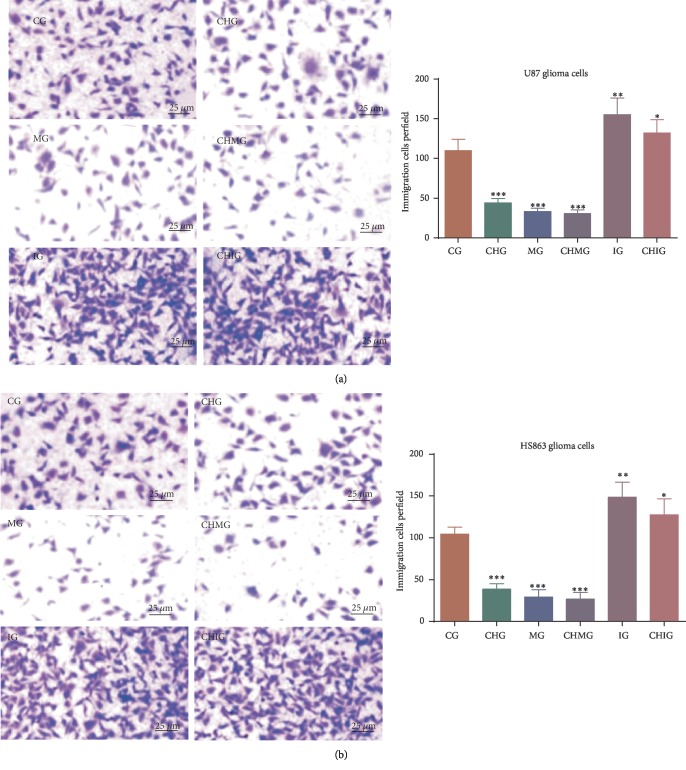
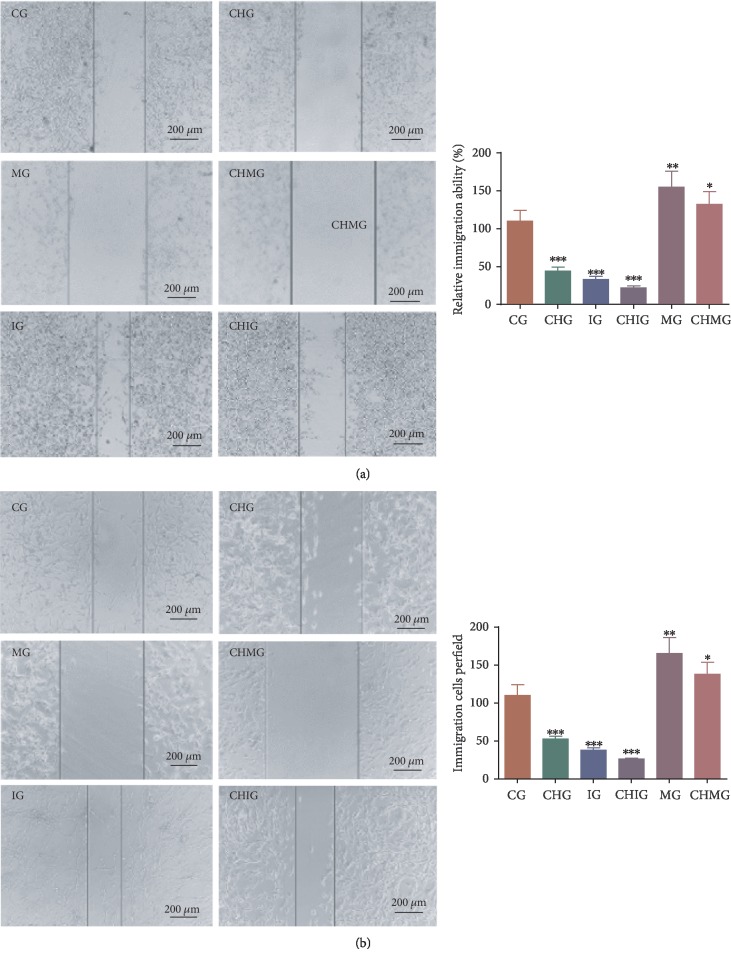
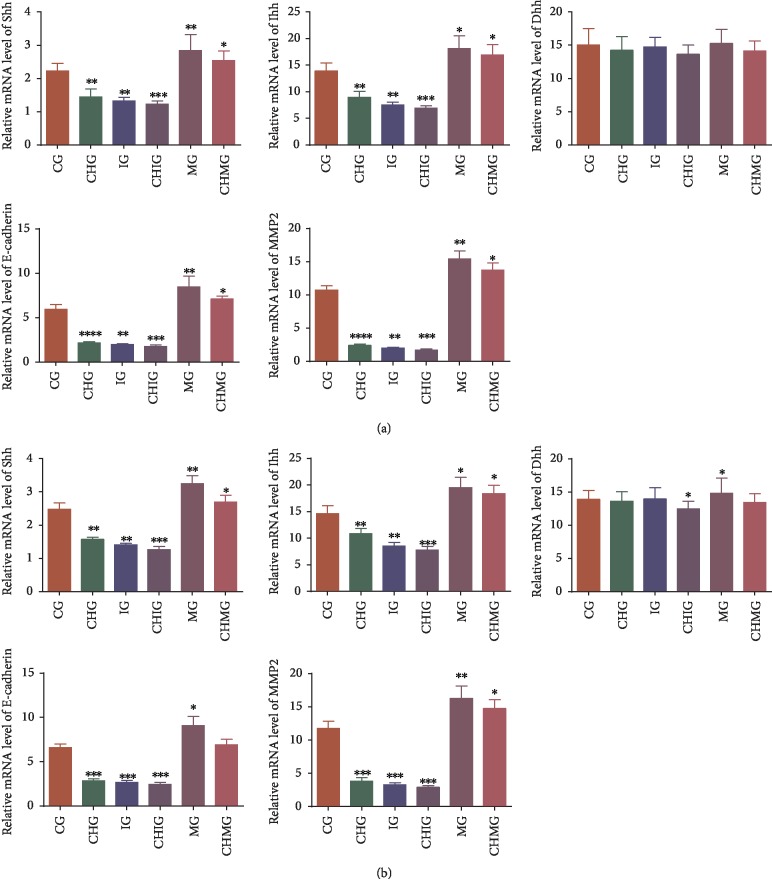
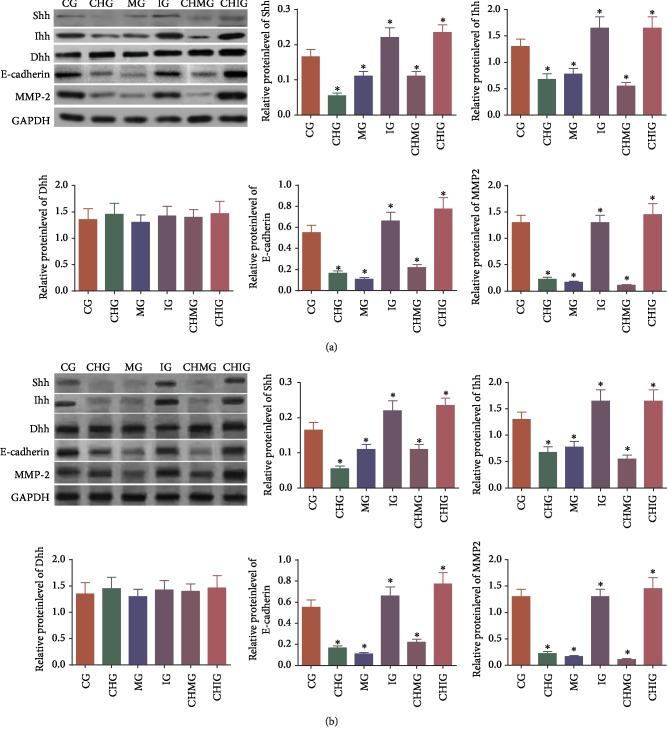
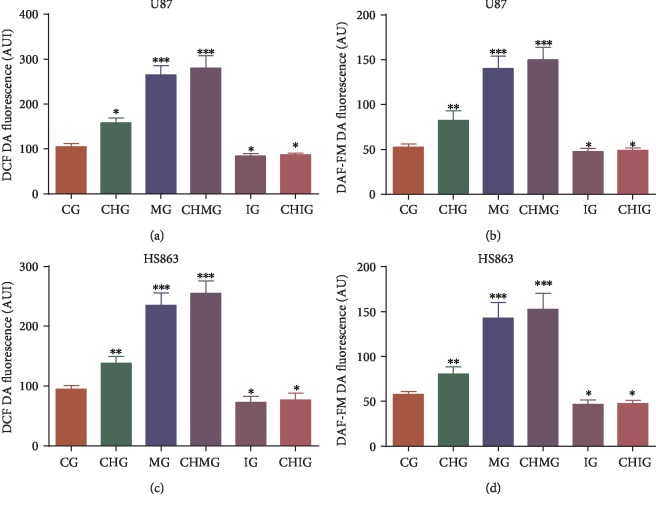
Chidamide has a broad spectrum of antitumor activity but its function on glioma remains unknown. The increase of reactive oxygen species (ROS) and reactive nitrogen species (RNS) may control glioma risk by promoting its apoptosis and necrosis. Hedgehog pathway is crucial to glioma cell proliferation and controls ROS production. We aimed to explore the effects of chidamide on the levels of miR-338-5p (glioma cell inhibitor), which may regulate Hedgehog signaling, resulting in the changes of RNS. . Migration and invasion activities of glioma cells were measured by using the Transwell chamber assay. The expression levels of Sonic Hedgehog (Shh), Indian Hedgehog (Ihh), Desert Hedgehog (Dhh), miR-338-5p, and related molecules were detected by using real-time PCR (RT-PCR) and or Western Blot in U87 and HS683 glioma cells. The effects of chidamide on these molecules were measured by using the miR-338-5p inhibitor or mimics in U87 and HS683 glioma cell lines. ROS and RNS were measured by DCF DA and DAF-FM DA fluorescence. Biomarkers of oxidative stress were measured by using a corresponding kit. Apoptosis and necrosis rates were measured by using flow cytometry.
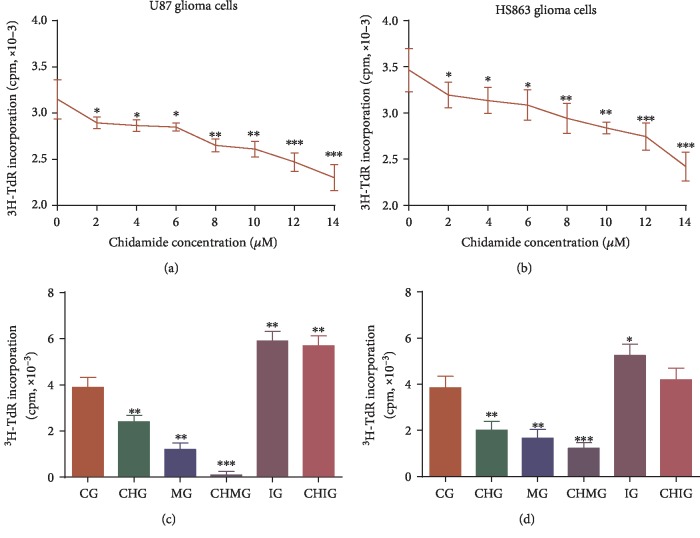
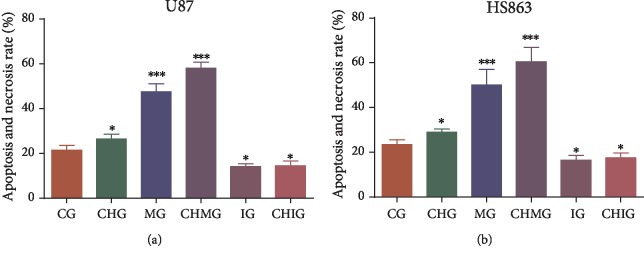
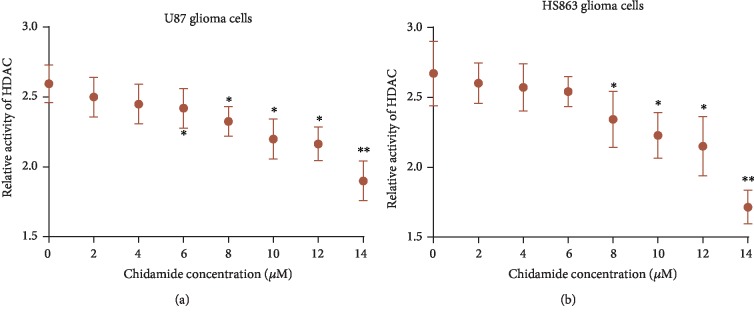
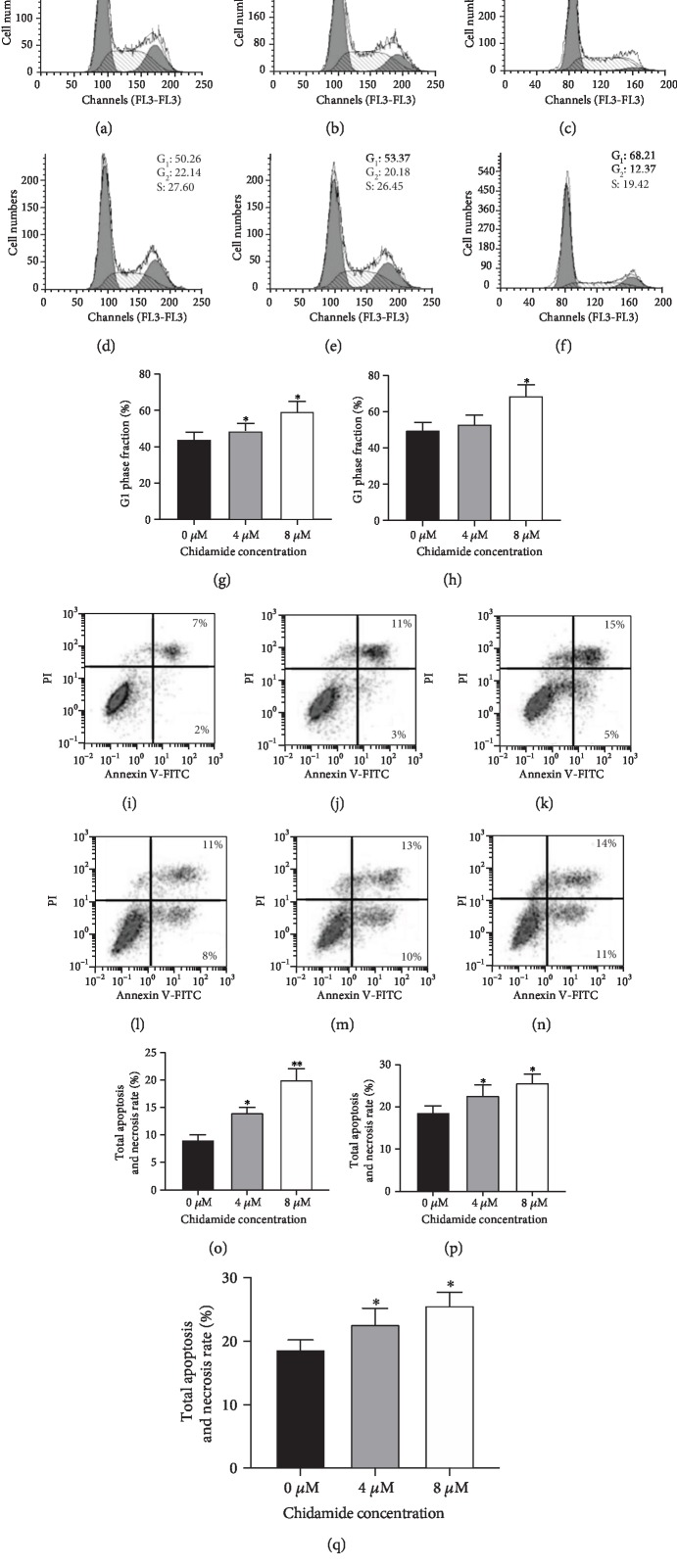
Chidamide inhibited the growth rate, migration, and invasion of human malignant glioma cells and increased the level of miR-338-5p. miR-338-5p inhibitor or mimics increased or inhibited the growth rate of U87 and HS683 glioma cells. Chidamide inhibited the levels of Shh, Ihh, migration protein E-cadherin, and invading protein MMP-2. The increase in the level of Shh and Ihh led to the reduction in the ROS and RNS levels. miR-338-5p inhibitor or mimics also showed a promoting or inhibitory function for the levels of Shh and Ihh. Furthermore, miR-338-5p mimics and inhibitor inhibited or promoted the migration and invasion of the glioma cells ( < 0.05). Evaluated levels of miR-338-5p increased oxidative stress level and apoptosis and necrosis rate by regulating the levels of biomarkers of oxidative stress ( < 0.05). Evaluated levels of miR-338-5p increased oxidative stress level and apoptosis and necrosis rate by regulating the levels of biomarkers of oxidative stress (.
Chidamide inhibits glioma cells by increasing oxidative stress via the miRNA-338-5p regulation of Hedgehog signaling. Chidamide may be a potential drug in the prevention of glioma development.
西达本胺具有广谱抗肿瘤活性,但对神经胶质瘤的作用尚不清楚。活性氧(ROS)和活性氮(RNS)的增加可能通过促进其凋亡和坏死来控制神经胶质瘤的风险。Hedgehog 通路对神经胶质瘤细胞的增殖至关重要,并控制 ROS 的产生。我们旨在探讨西达本胺对 miR-338-5p(神经胶质瘤细胞抑制剂)水平的影响,miR-338-5p 可能调节 Hedgehog 信号,从而改变 RNS。通过 Transwell 室测定检测神经胶质瘤细胞的迁移和侵袭活性。采用实时 PCR(RT-PCR)和/或 Western blot 检测 U87 和 HS683 神经胶质瘤细胞中 Sonic Hedgehog(Shh)、Indian Hedgehog(Ihh)、Desert Hedgehog(Dhh)、miR-338-5p 和相关分子的表达水平。在 U87 和 HS683 神经胶质瘤细胞系中,使用 miR-338-5p 抑制剂或模拟物测量西达本胺对这些分子的影响。通过 DCF DA 和 DAF-FM DA 荧光测量 ROS 和 RNS。使用相应的试剂盒测量氧化应激生物标志物。通过流式细胞术测量细胞凋亡和坏死率。
西达本胺抑制人恶性神经胶质瘤细胞的生长速度、迁移和侵袭,并增加 miR-338-5p 的水平。miR-338-5p 抑制剂或模拟物增加或抑制 U87 和 HS683 神经胶质瘤细胞的生长速度。西达本胺抑制 Shh、Ihh、迁移蛋白 E-钙黏蛋白和侵袭蛋白 MMP-2 的水平。Shh 和 Ihh 水平的升高导致 ROS 和 RNS 水平降低。miR-338-5p 抑制剂或模拟物也表现出对 Shh 和 Ihh 水平的促进或抑制作用。此外,miR-338-5p 模拟物和抑制剂抑制或促进神经胶质瘤细胞的迁移和侵袭(<0.05)。通过调节氧化应激生物标志物的水平,评估的 miR-338-5p 水平增加了氧化应激水平和细胞凋亡和坏死率(<0.05)。
西达本胺通过 miRNA-338-5p 调节 Hedgehog 信号增加氧化应激抑制神经胶质瘤细胞。西达本胺可能是预防神经胶质瘤发展的潜在药物。