Hyung Daejin, Mallon Ann-Marie, Kyung Dong Soo, Cho Soo Young, Seong Je Kyung
1National Cancer Center, 323 Ilsan-ro, Goyang-si, Kyeonggi-do 10408 Republic of Korea.
2MRC Harwell Institute, Mammalian Genetics Unit, Oxfordshire, OX11 0RD UK.
Lab Anim Res. 2019 Nov 13;35:23. doi: 10.1186/s42826-019-0023-z. eCollection 2019.
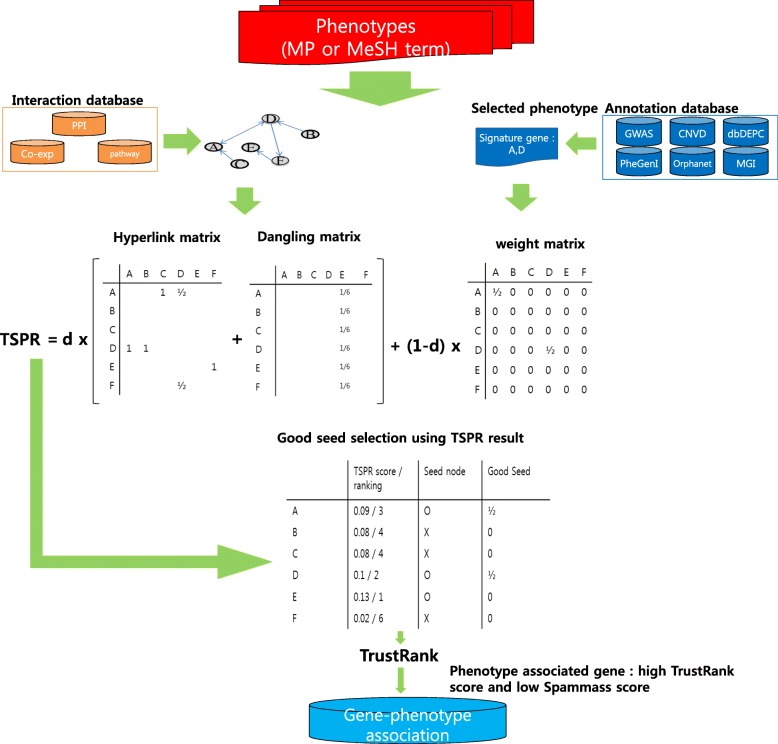
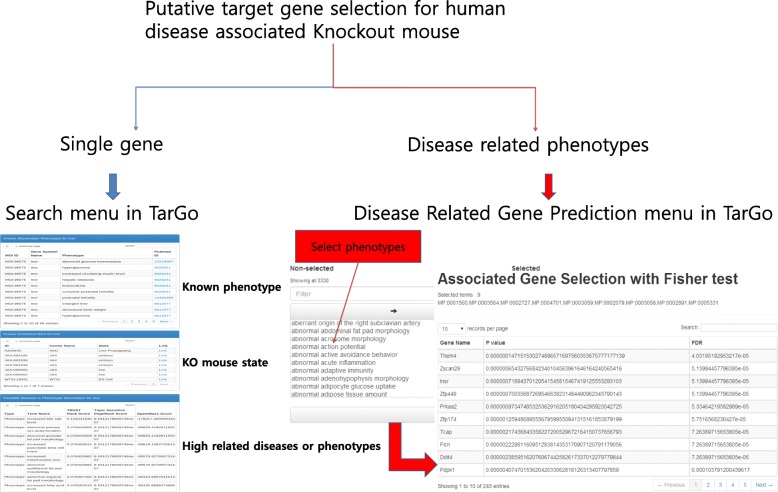
Genetically engineered mouse models are used in high-throughput phenotyping screens to understand genotype-phenotype associations and their relevance to human diseases. However, not all mutant mouse lines with detectable phenotypes are associated with human diseases. Here, we propose the "Target gene selection system for Genetically engineered mouse models" (TarGo). Using a combination of human disease descriptions, network topology, and genotype-phenotype correlations, novel genes that are potentially related to human diseases are suggested. We constructed a gene interaction network using protein-protein interactions, molecular pathways, and co-expression data. Several repositories for human disease signatures were used to obtain information on human disease-related genes. We calculated disease- or phenotype-specific gene ranks using network topology and disease signatures. In conclusion, TarGo provides many novel features for gene function prediction.
基因工程小鼠模型用于高通量表型筛选,以了解基因型与表型的关联及其与人类疾病的相关性。然而,并非所有具有可检测表型的突变小鼠品系都与人类疾病相关。在此,我们提出了“基因工程小鼠模型的靶基因选择系统”(TarGo)。通过结合人类疾病描述、网络拓扑结构和基因型-表型相关性,提出了可能与人类疾病相关的新基因。我们利用蛋白质-蛋白质相互作用、分子途径和共表达数据构建了一个基因相互作用网络。使用了几个人类疾病特征库来获取与人类疾病相关基因的信息。我们利用网络拓扑结构和疾病特征计算了疾病或表型特异性基因排名。总之,TarGo为基因功能预测提供了许多新特性。