Cong Ye, Han Xiahe, Wang Youping, Chen Zongzheng, Lu Yao, Liu Tingjiao, Wu Zhengzhi, Jin Yu, Luo Yong, Zhang Xiuli
State Key Laboratory of Fine Chemicals, Department of Chemical Engineering, Dalian University of Technology, Dalian 116023, China.
College of Pharmaceutical Science, Soochow University, Suzhou 215123, China.
Micromachines (Basel). 2020 Apr 3;11(4):381. doi: 10.3390/mi11040381.
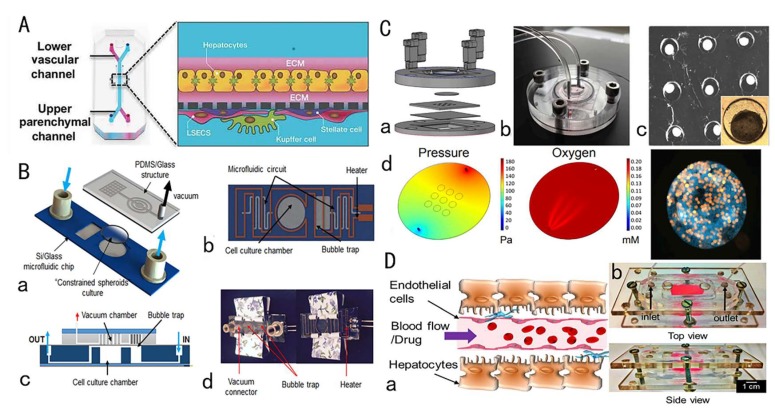
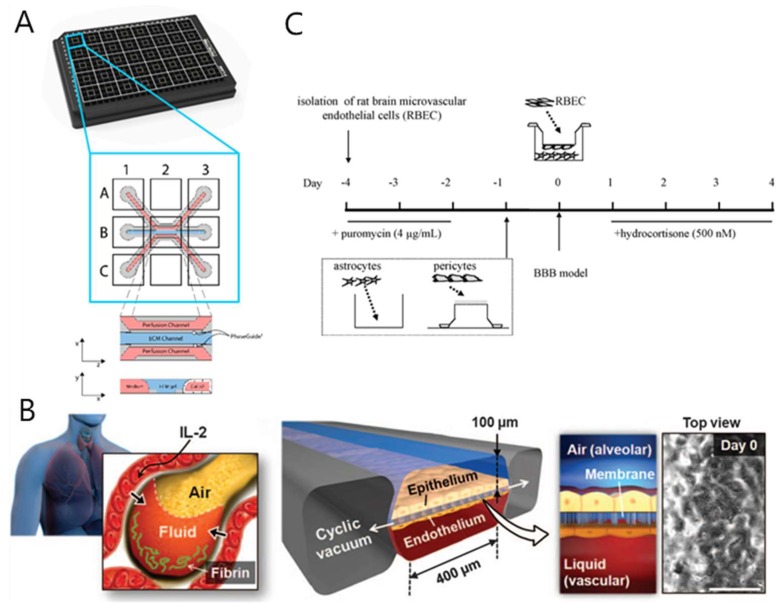
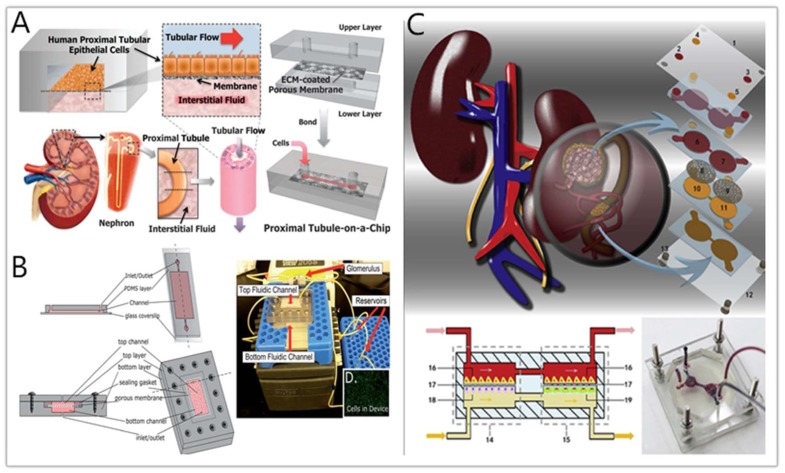
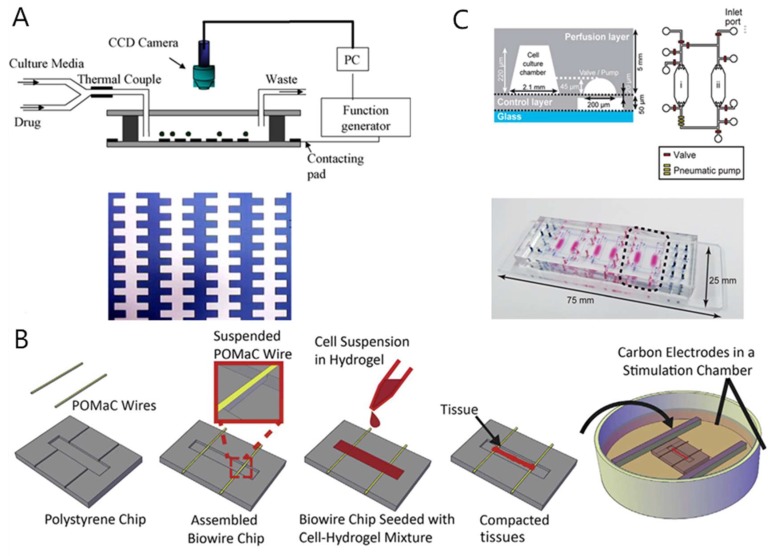
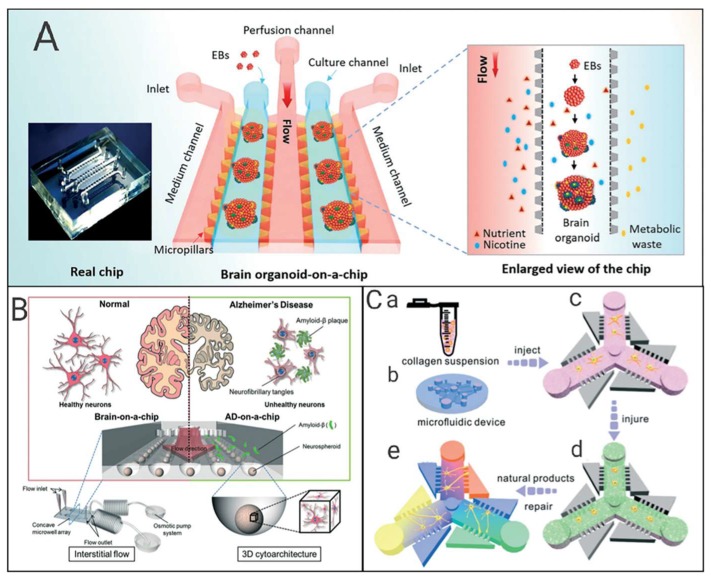
Organ-on-a-chip academic research is in its blossom. Drug toxicity evaluation is a promising area in which organ-on-a-chip technology can apply. A unique advantage of organ-on-a-chip is the ability to integrate drug metabolism and drug toxic processes in a single device, which facilitates evaluation of toxicity of drug metabolites. Human organ-on-a-chip has been fabricated and used to assess drug toxicity with data correlation with the clinical trial. In this review, we introduced the microfluidic chip models of liver, kidney, heart, nerve, and other organs and multiple organs, highlighting the application of these models in drug toxicity detection. Some biomarkers of toxic injury that have been used in organ chip platforms or have potential for use on organ chip platforms are summarized. Finally, we discussed the goals and future directions for drug toxicity evaluation based on organ-on-a-chip technology.
芯片器官的学术研究正蓬勃发展。药物毒性评估是芯片器官技术能够应用的一个有前景的领域。芯片器官的一个独特优势是能够在单个装置中整合药物代谢和药物毒性过程,这有助于评估药物代谢物的毒性。人类芯片器官已被制造出来,并用于评估药物毒性,其数据与临床试验相关。在本综述中,我们介绍了肝脏、肾脏、心脏、神经和其他器官以及多器官的微流控芯片模型,重点阐述了这些模型在药物毒性检测中的应用。总结了一些已在器官芯片平台上使用或有潜力在器官芯片平台上使用的毒性损伤生物标志物。最后,我们讨论了基于芯片器官技术进行药物毒性评估的目标和未来方向。