Department of Microbiology and Virology, Faculty of Natural Sciences, Comenius University in Bratislava, Ilkovicova 6, 84215, Bratislava, Slovakia.
Comenius University Science Park, Comenius University in Bratislava, Ilkovicova 8, 84104, Bratislava, Slovakia.
Sci Rep. 2020 Apr 7;10(1):6024. doi: 10.1038/s41598-020-62811-4.
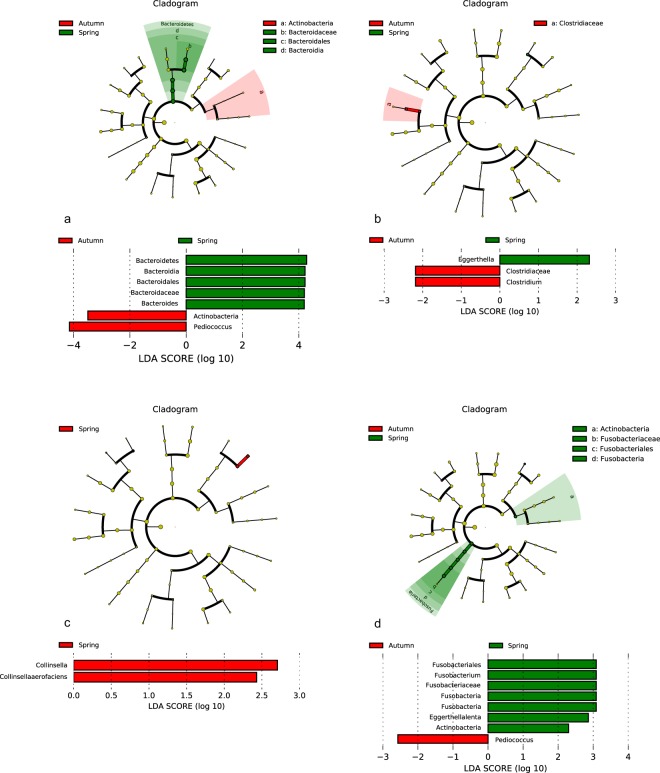
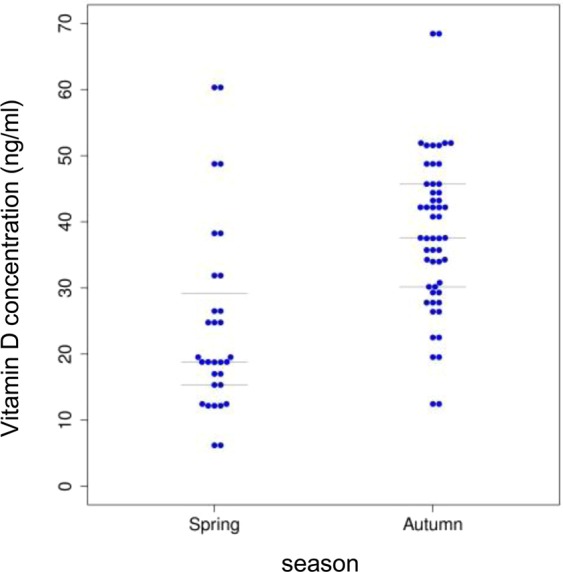
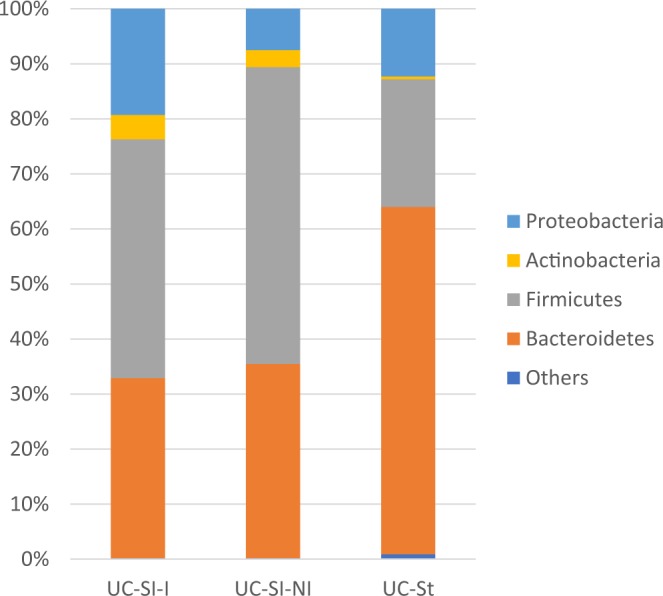
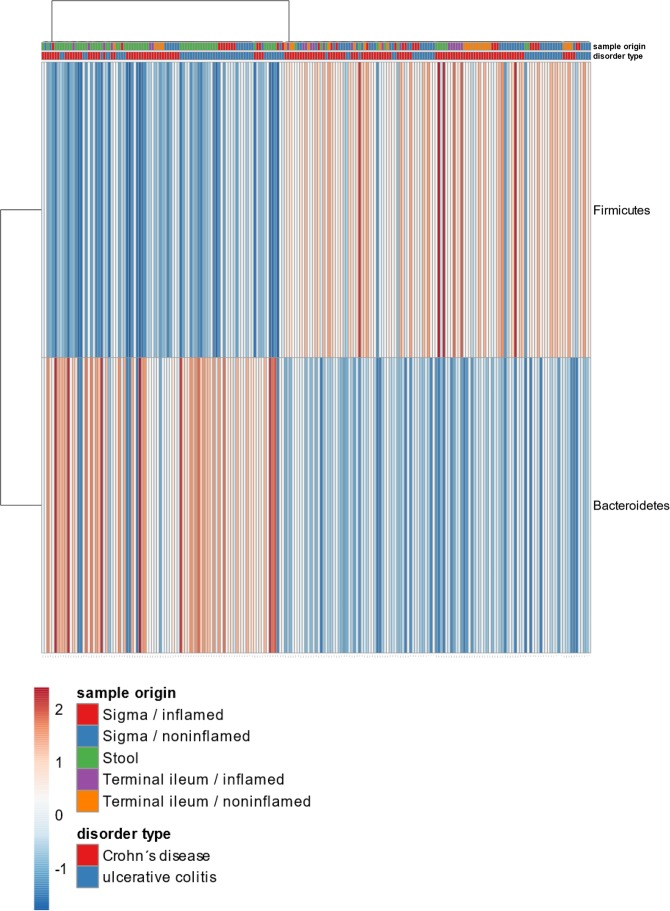
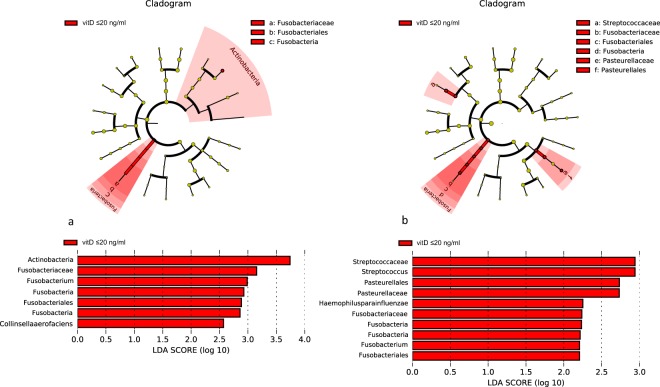
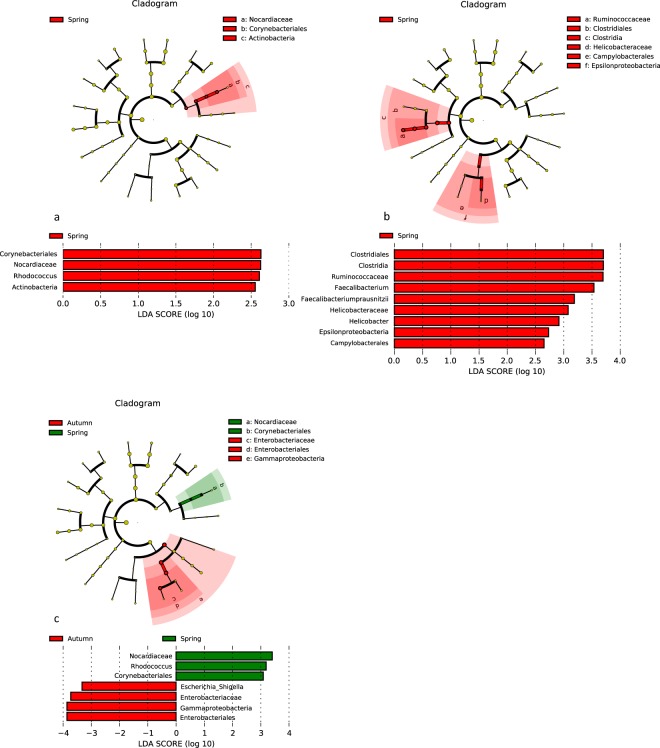
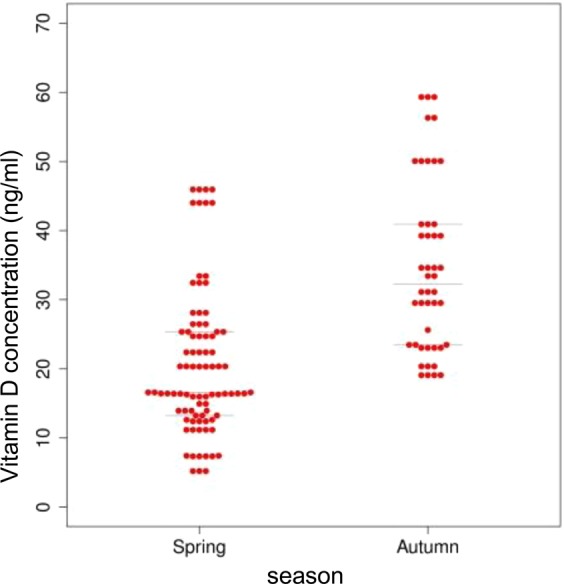
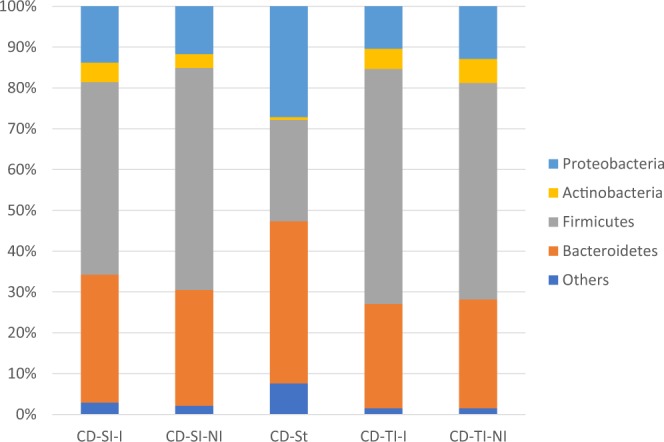
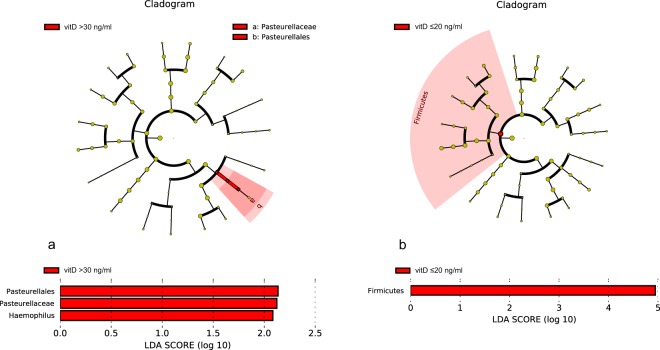
Higher probability of the development of Crohn's disease (CD) and ulcerative colitis (UC) as a possible consequence of the north-south gradient has been recently suggested. Living far north or south of the equator is manifested in fluctuation of vitamin D (vitD) levels depending on the season in both healthy and affected individuals. In the present study we investigate the possible link between the seasonal serum vitD level to the microbial composition of the lower gut of Inflammatory Bowel disease (IBD) patients using 16S rRNA sequencing. Decrease of serum vitD level in winter/spring season in a cohort of 35 UC patients and 39 CD patients was confirmed. Low gut microbiota composition of patients with IBD correlated with the serum level of 25(OH)D that directly coupled to seasonal variability of the sunshine in the central European countries. It is supposed to be related to increased abundance of Actinobacteria and Proteobacteria in UC and Actinobacteria, Fusobacteria, Firmicutes and Bacteroidetes in CD. In summer/autumn period, we observed a reduction in abundance of bacterial genera typical for inflammation like Eggerthella lenta, Fusobacterium spp., Bacteroides spp., Collinsella aerofaciens, Helicobacter spp., Rhodococcus spp., Faecalibacterium prausnitzii; and increased abundance of Pediococcus spp. and Clostridium spp. and of Escherichia/Shigella spp.
最近有人提出,南北梯度可能导致克罗恩病(CD)和溃疡性结肠炎(UC)的发病概率增加。居住在赤道以北或以南的人,无论是否患病,其体内维生素 D(vitD)水平都会随季节波动。在本研究中,我们使用 16S rRNA 测序技术,研究了血清 vitD 水平的季节性变化与 IBD 患者下消化道微生物组成之间的可能联系。我们在 35 名 UC 患者和 39 名 CD 患者的队列中证实,冬季/春季血清 vitD 水平下降。IBD 患者的肠道微生物组成与血清 25(OH)D 水平相关,25(OH)D 水平与中欧国家阳光季节性变化直接相关。这可能与 UC 中放线菌和变形菌丰度增加以及 CD 中放线菌、梭杆菌门、厚壁菌门和拟杆菌门丰度增加有关。在夏/秋季节,我们观察到与炎症相关的细菌属丰度降低,如迟缓埃格特菌、梭杆菌属、拟杆菌属、栖瘤胃球菌、幽门螺杆菌属、罗氏菌属、普雷沃氏菌属;而肠球菌属和梭菌属以及大肠杆菌/志贺氏菌属的丰度增加。