Sun Fulin, Yang Hongqiang, Wang Guan, Shi Qi
South China Sea Institute of Oceanology, Institute of South China Sea Ecology and Environmental Engineering, Chinese Academy of Sciences, Guangzhou, China.
State Key Laboratory of Tropical Oceanography, South China Sea Institute of Oceanology, Chinese Academy of Sciences, Guangzhou, China.
Front Microbiol. 2020 Mar 20;11:448. doi: 10.3389/fmicb.2020.00448. eCollection 2020.
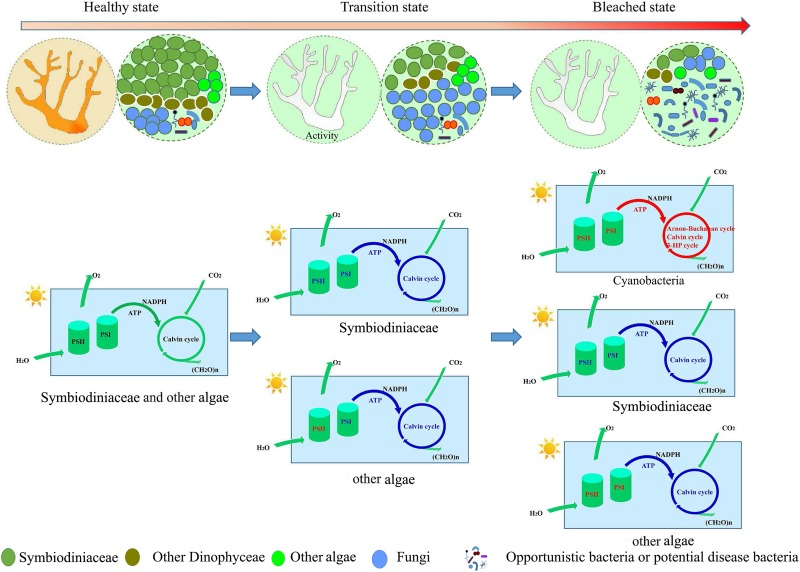
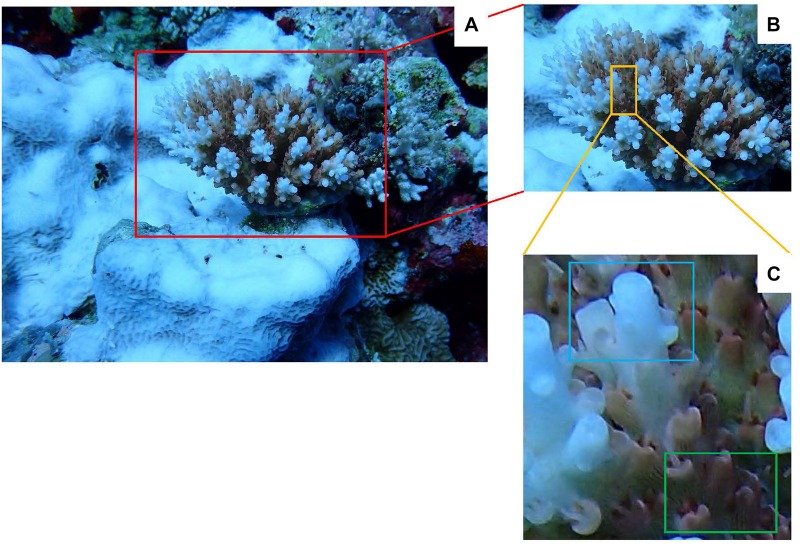
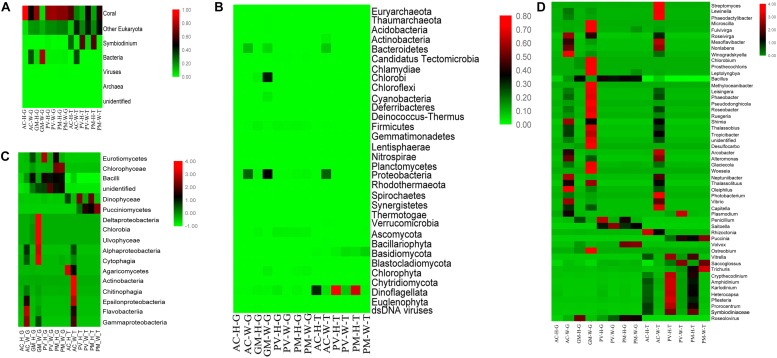
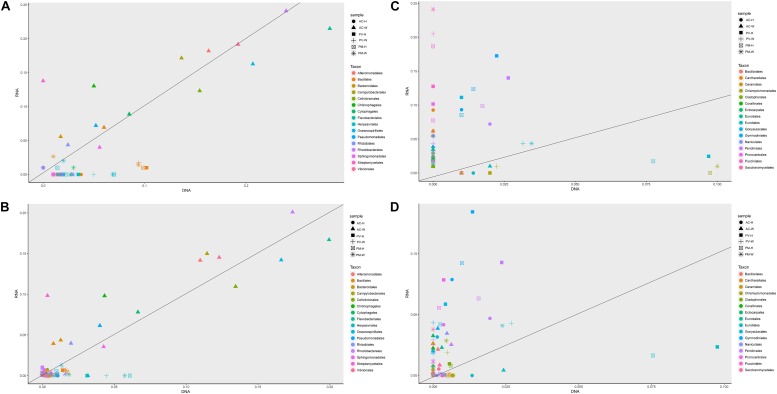
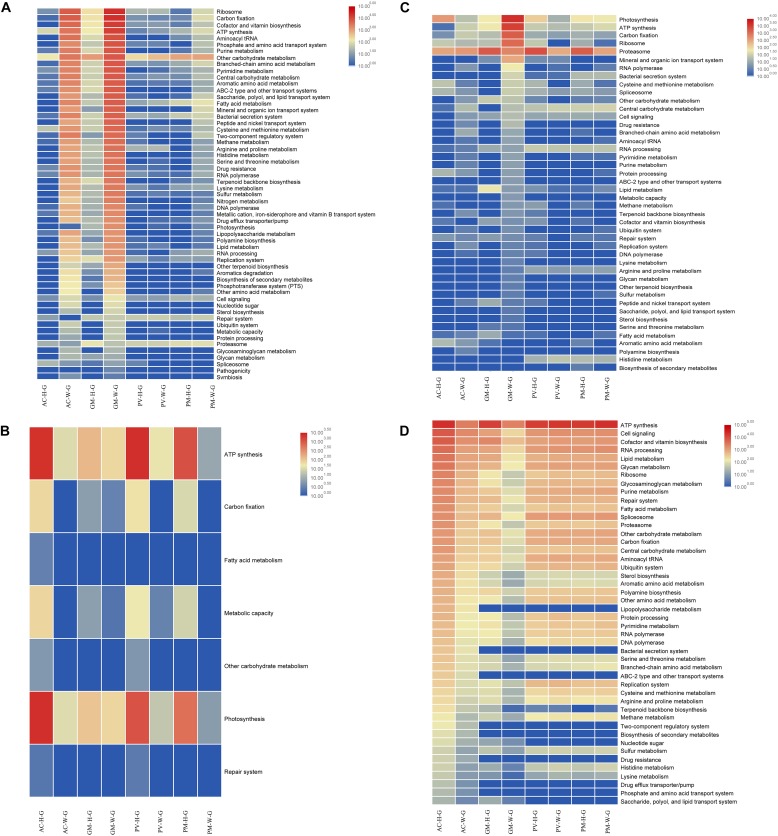
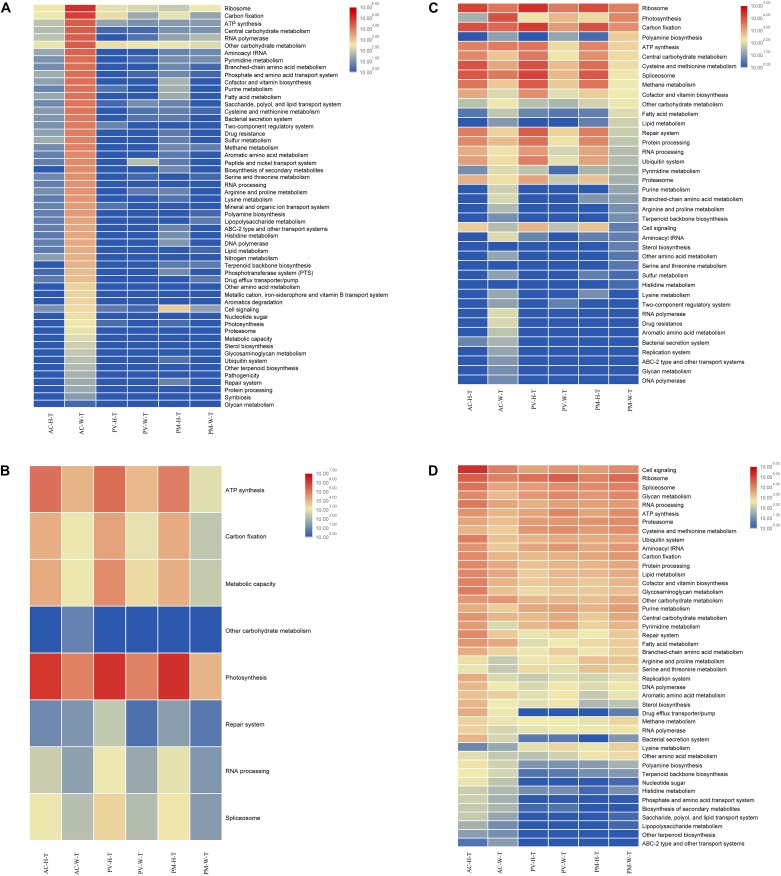
With the abnormal rise in ocean temperatures globally in recent years, coral bleaching is becoming common and serious. However, the response mechanisms and processes of coral symbionts to bleaching are not well understood. In this study, metagenomics and metatranscriptomics were used to explore the composition of coral symbionts and their functions in response to coral bleaching. All four bleaching coral species displayed a significant reduction of the abundance and function of Dinophyceae-like eukaryotes at the DNA and RNA levels. However, different species of bleaching coral have their own characteristic symbiotic components. Bleaching and corals exhibited a very high abundance of prokaryotes and associated gene functions, especially for opportunistic bacteria. In contrast, algae and fungi were identified as the main microbial associate components and had relatively high RNA abundance in bleaching and . Different coral species, whether unbleached or bleaching, have the same symbiotic taxa that perform the same biological functions . Different stages of bleaching, or transitional states, were identified by different genome content and functional gene abundance among bleaching corals. These stages should be considered in future coral bleaching studies to accurately determine symbiont structure and function. An implicit hypothesis is that there is a causal relationship between the stability of eukaryotic communities and coral bleaching.
近年来,随着全球海洋温度异常上升,珊瑚白化现象日益普遍且严重。然而,珊瑚共生体对白化的响应机制和过程尚不清楚。在本研究中,利用宏基因组学和宏转录组学来探究珊瑚共生体的组成及其在应对珊瑚白化时的功能。所有四种白化珊瑚物种在DNA和RNA水平上都显示出类甲藻真核生物的丰度和功能显著降低。然而,不同种类的白化珊瑚有其各自独特的共生成分。白化珊瑚表现出原核生物及其相关基因功能的丰度非常高,尤其是机会性细菌。相比之下,藻类和真菌被确定为主要的微生物伴生成分,并且在白化珊瑚中具有相对较高的RNA丰度。不同的珊瑚物种,无论是否白化,都有执行相同生物学功能的相同共生分类群。通过白化珊瑚中不同的基因组含量和功能基因丰度确定了白化的不同阶段或过渡状态。在未来的珊瑚白化研究中应考虑这些阶段,以准确确定共生体的结构和功能。一个隐含的假设是真核生物群落的稳定性与珊瑚白化之间存在因果关系。