Laboratory of Molecular Medicine, Boston Children's Hospital, Harvard Medical School, Boston, Massachusetts 02115, United States.
Department of Pediatrics, Harvard Medical School, Boston, Massachusetts 02115, United States.
ACS Infect Dis. 2020 May 8;6(5):1182-1191. doi: 10.1021/acsinfecdis.0c00008. Epub 2020 Apr 20.
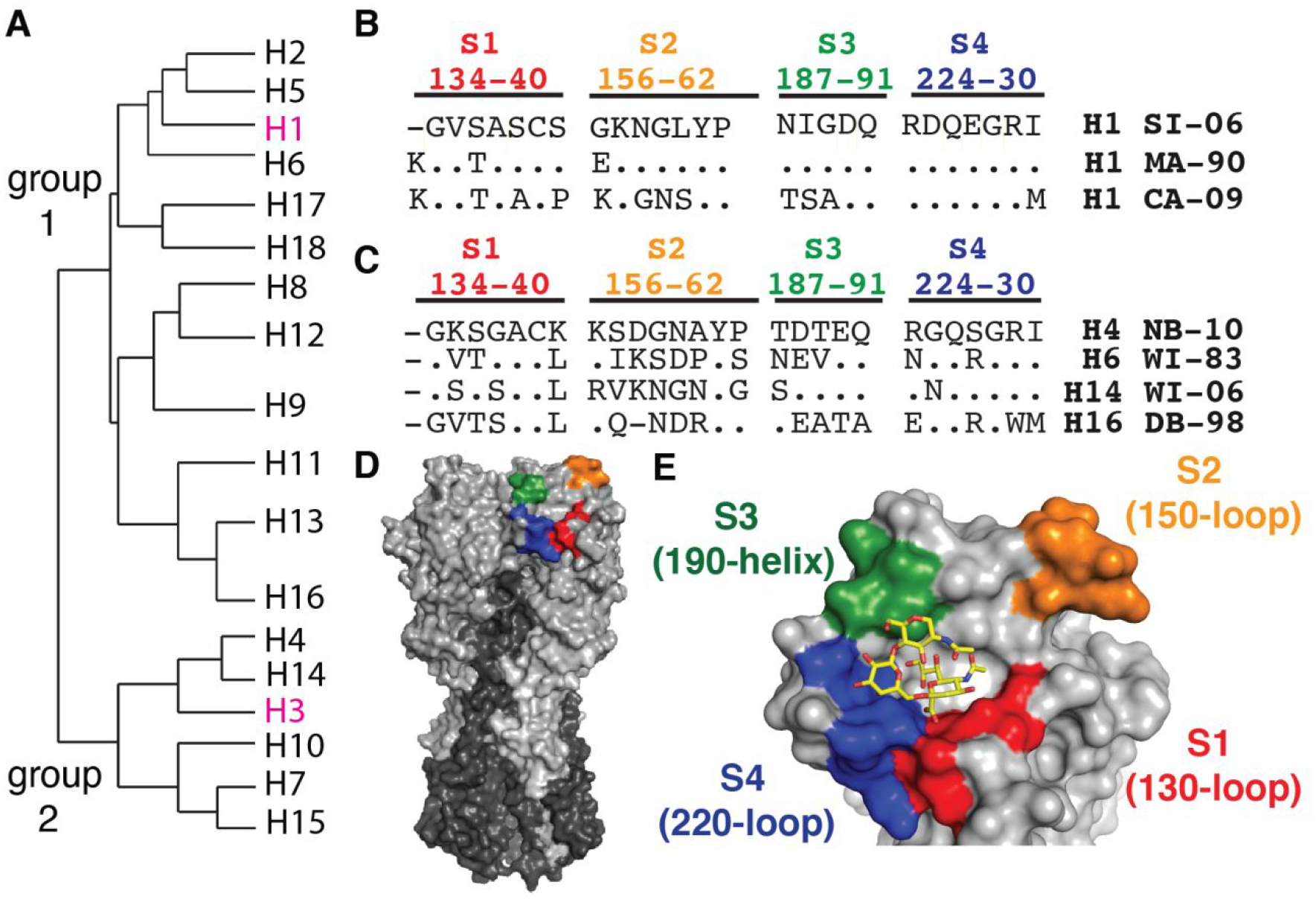
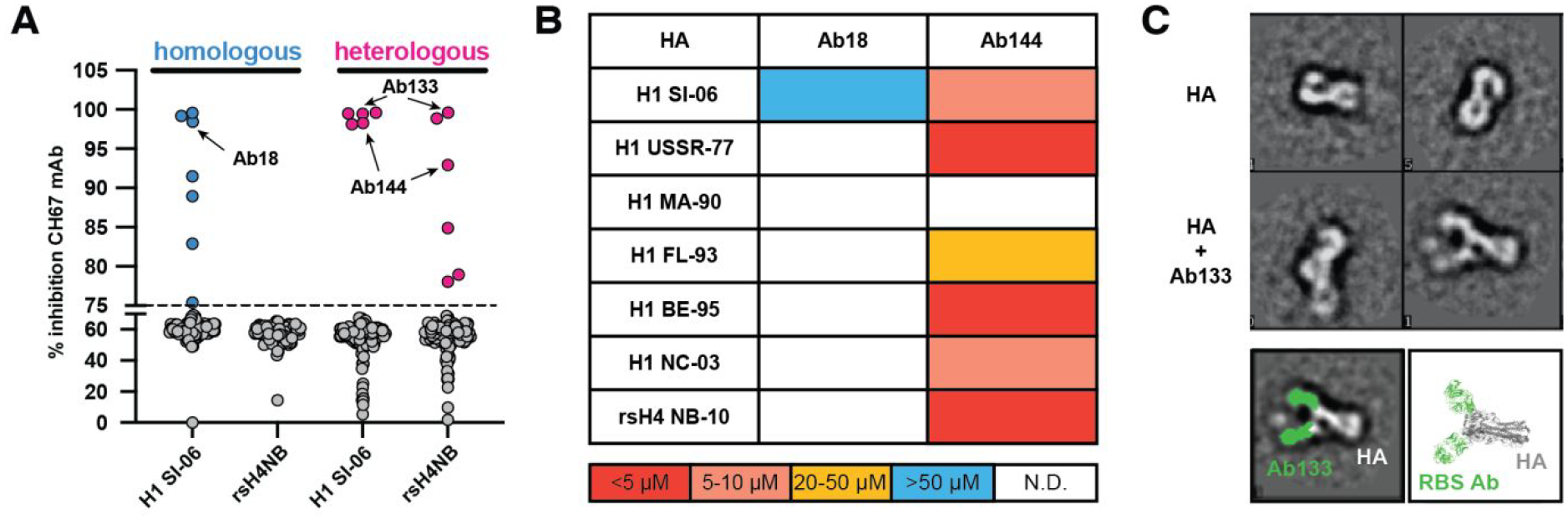
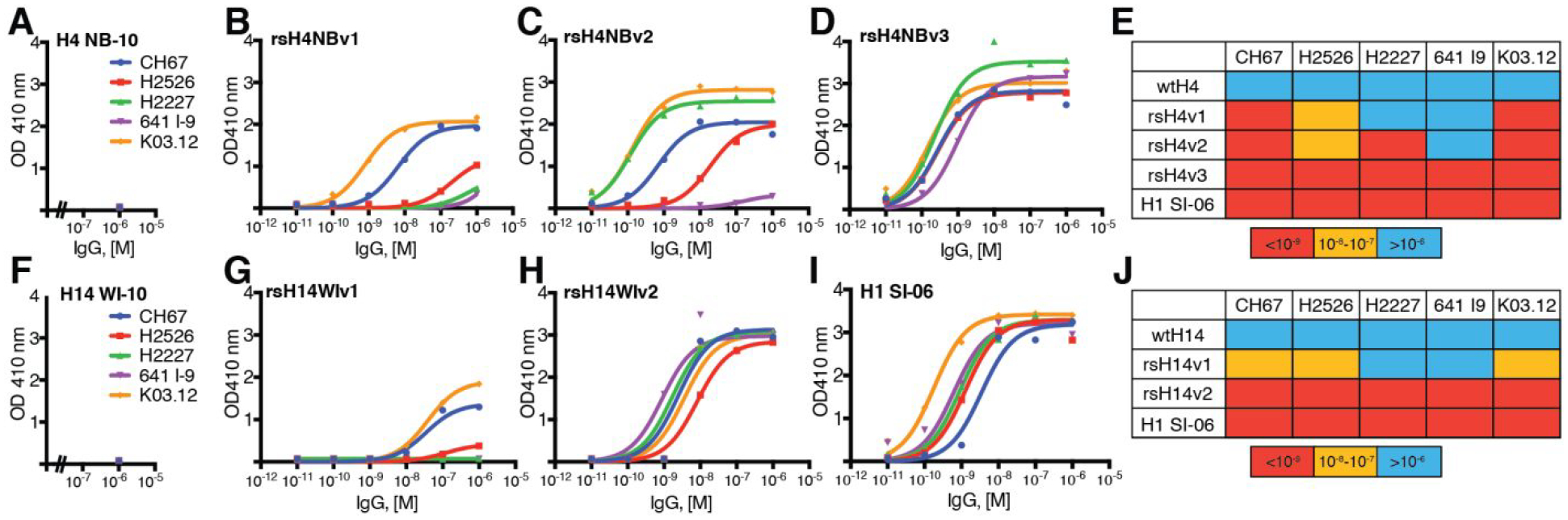
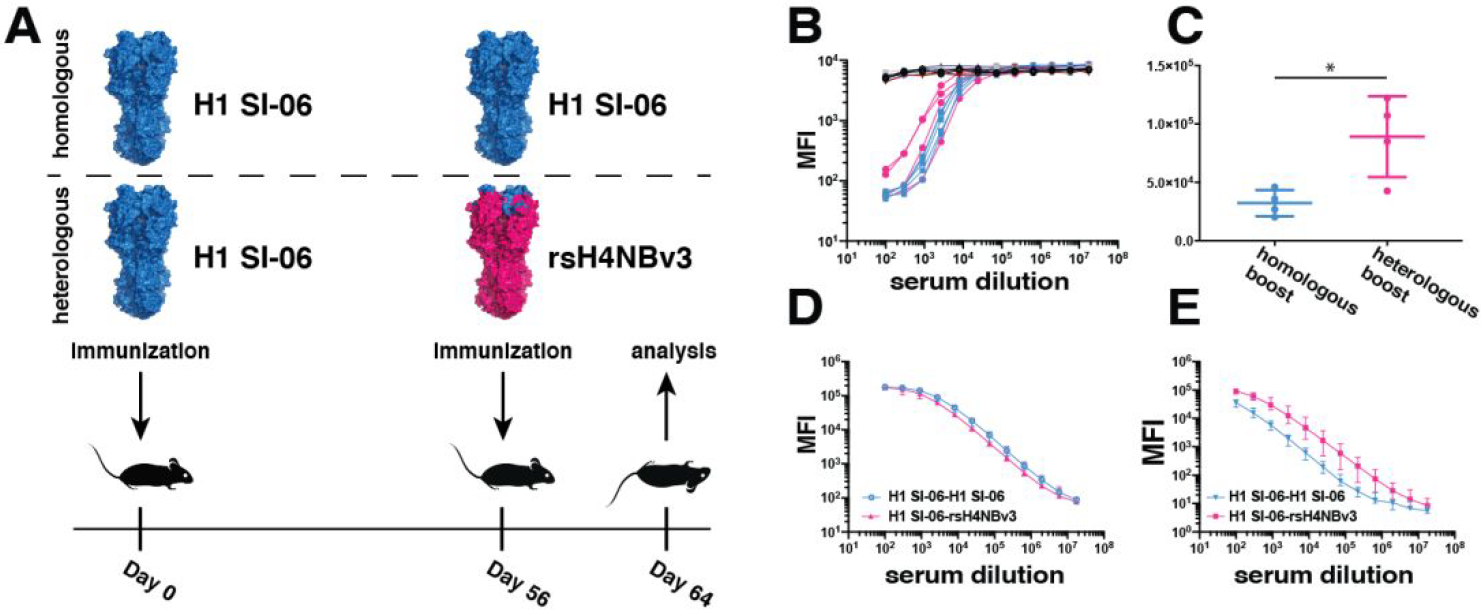
Antigenic variation and viral evolution have thwarted traditional influenza vaccination strategies. The broad protection afforded by a "universal" influenza vaccine may come from immunogens that elicit humoral immune responses targeting conserved epitopes on the viral hemagglutinin (HA), such as the receptor-binding site (RBS). Here, we engineered candidate immunogens that use noncirculating, avian influenza HAs as molecular scaffolds to present the broadly neutralizing RBS epitope from historical, circulating H1 influenzas. These "resurfaced" HAs (rsHAs) remove epitopes potentially targeted by strain-specific responses in immune-experienced individuals. Through structure-guided optimization, we improved two antigenically different scaffolds to bind a diverse panel of pan-H1 and H1/H3 cross-reactive bnAbs with high affinity. Subsequent serological and single germinal center B cell analyses from murine prime-boost immunizations show that the rsHAs are both immunogenic and can augment the quality of elicited RBS-directed antibodies. Our structure-guided, RBS grafting approach provides candidate immunogens for selectively presenting a conserved viral epitope.
抗原变异和病毒进化使传统的流感疫苗接种策略受阻。“通用”流感疫苗提供的广泛保护可能来自于能够引发针对病毒血凝素 (HA) 上保守表位的体液免疫反应的免疫原,例如受体结合位点 (RBS)。在这里,我们设计了候选免疫原,这些免疫原使用非循环的禽流感 HA 作为分子支架,来展示来自历史上循环的 H1 流感的广泛中和的 RBS 表位。这些“重新出现”的 HA(rsHA)去除了免疫经验个体中针对特定菌株反应的潜在靶标表位。通过结构导向优化,我们改进了两种抗原上不同的支架,以高亲和力结合多样化的 pan-H1 和 H1/H3 交叉反应性 bnAbs 面板。随后进行的来自鼠类初次-加强免疫接种的血清学和单个生发中心 B 细胞分析表明,rsHA 既具有免疫原性,又能增强所诱导的 RBS 定向抗体的质量。我们的基于结构的、RBS 嫁接方法提供了候选免疫原,可用于选择性地展示保守的病毒表位。