Department of Chemistry, University of Pennsylvania, 231 South 34th Street, Philadelphia, Pennsylvania 19104, United States.
Acc Chem Res. 2020 Apr 21;53(4):988-1000. doi: 10.1021/acs.accounts.0c00076. Epub 2020 Apr 9.
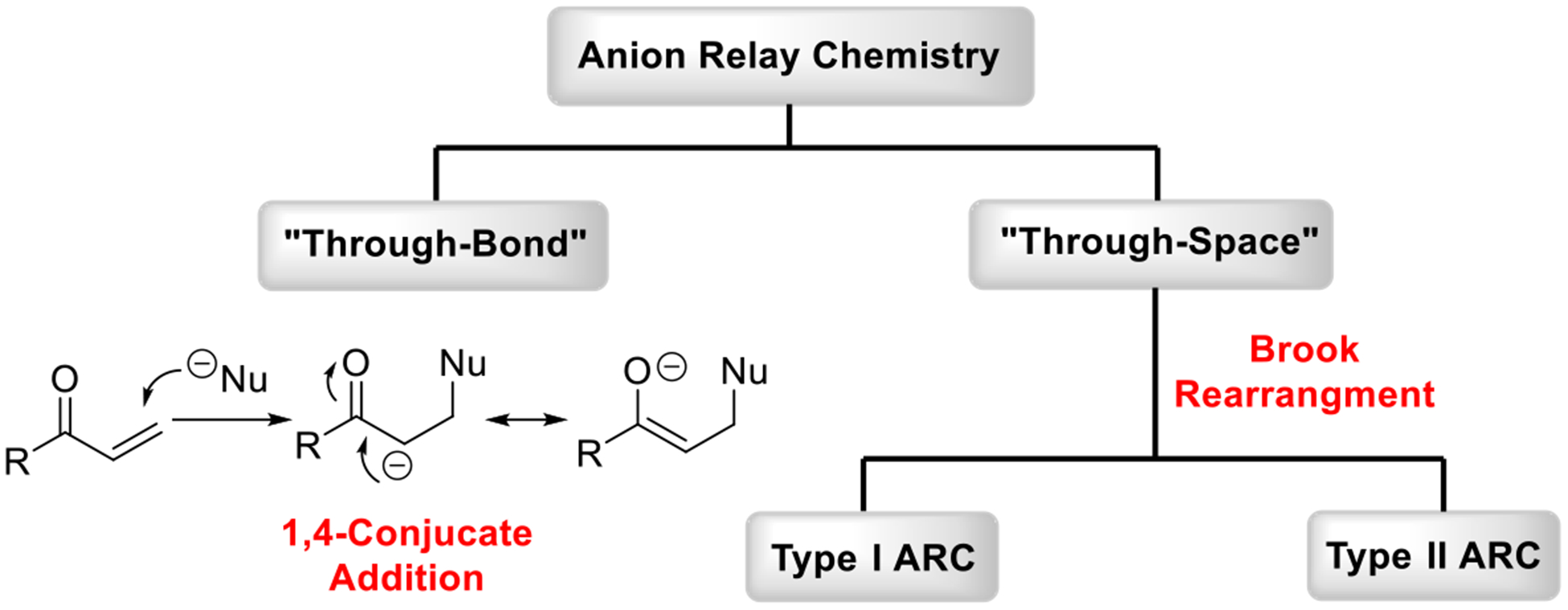
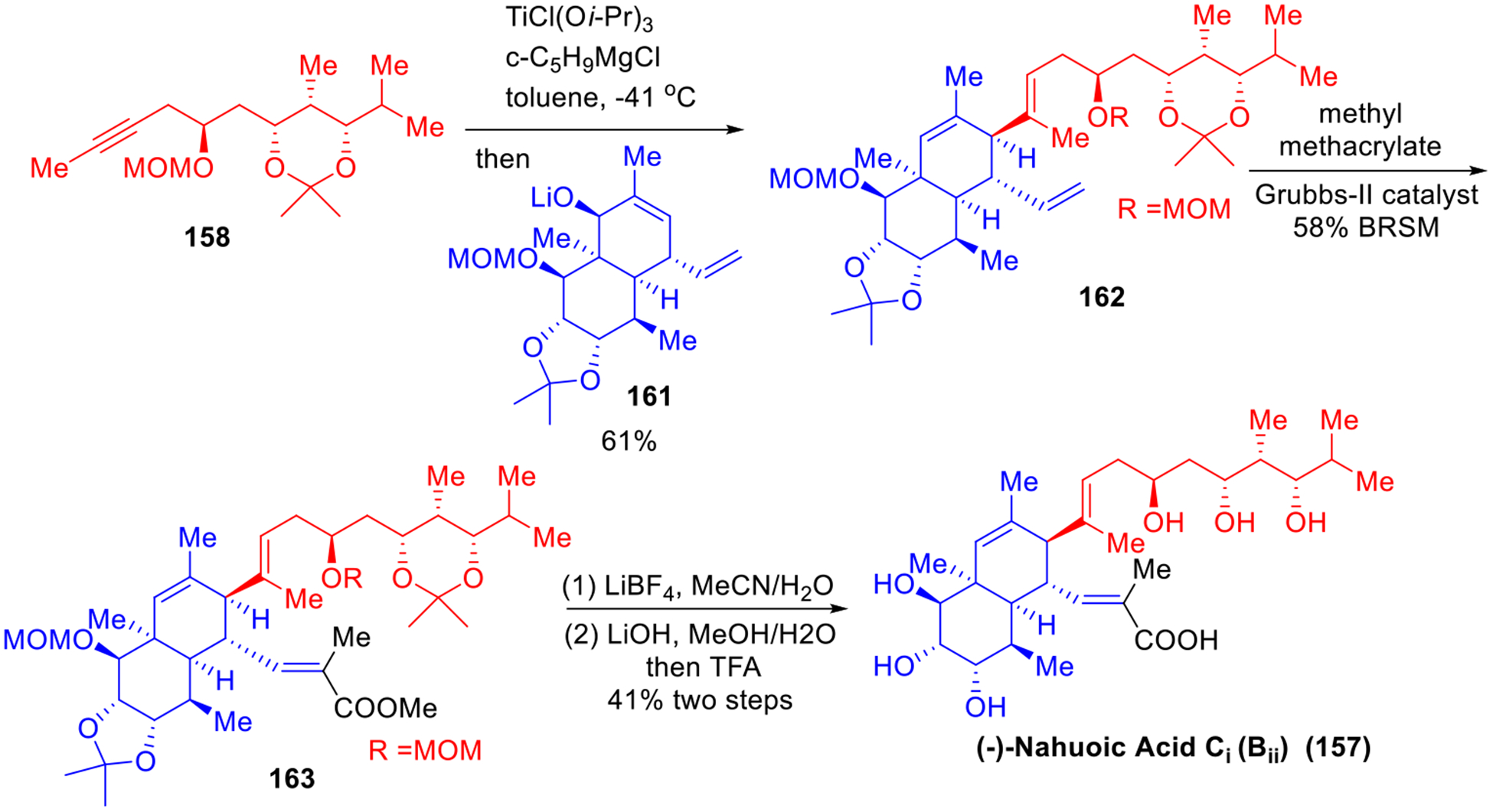
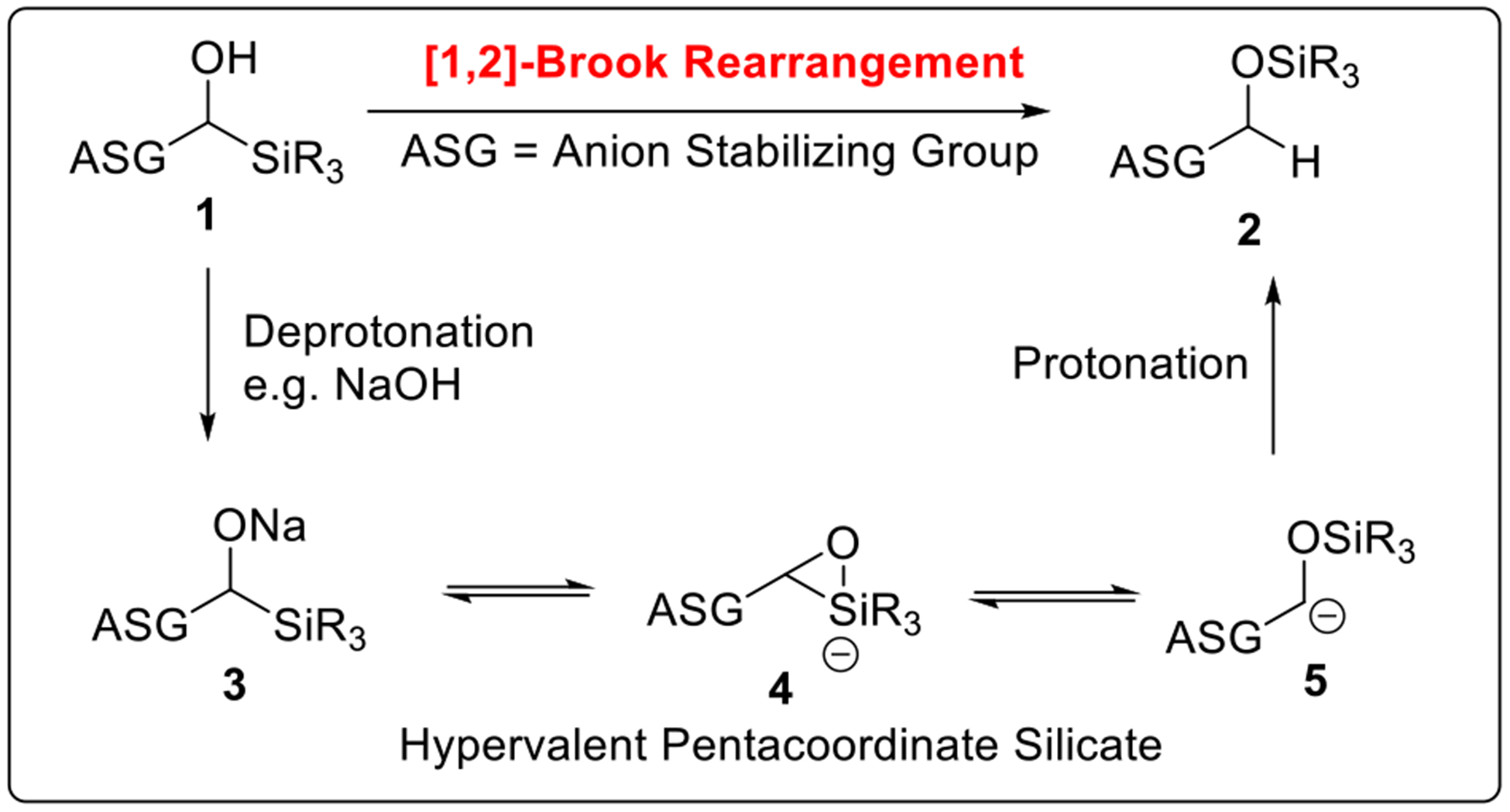
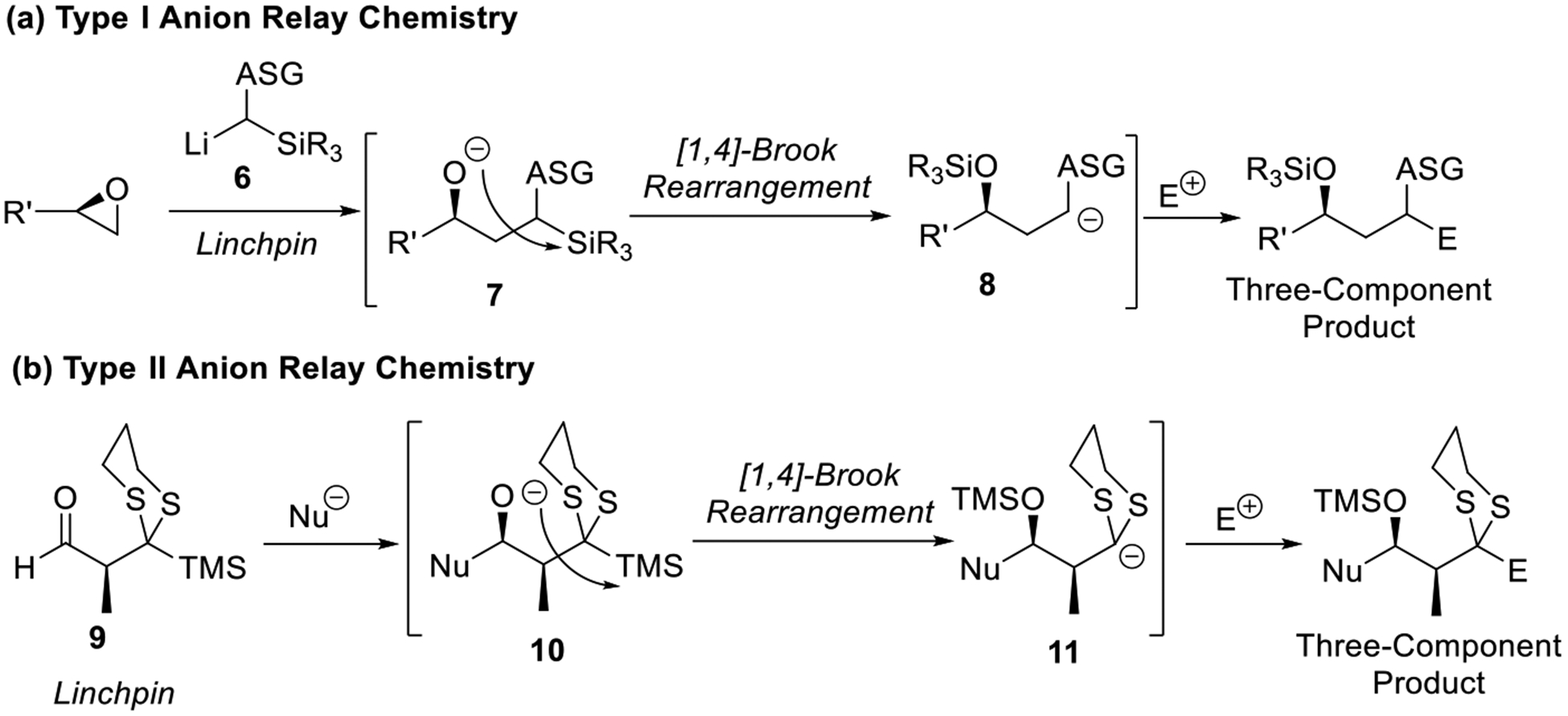
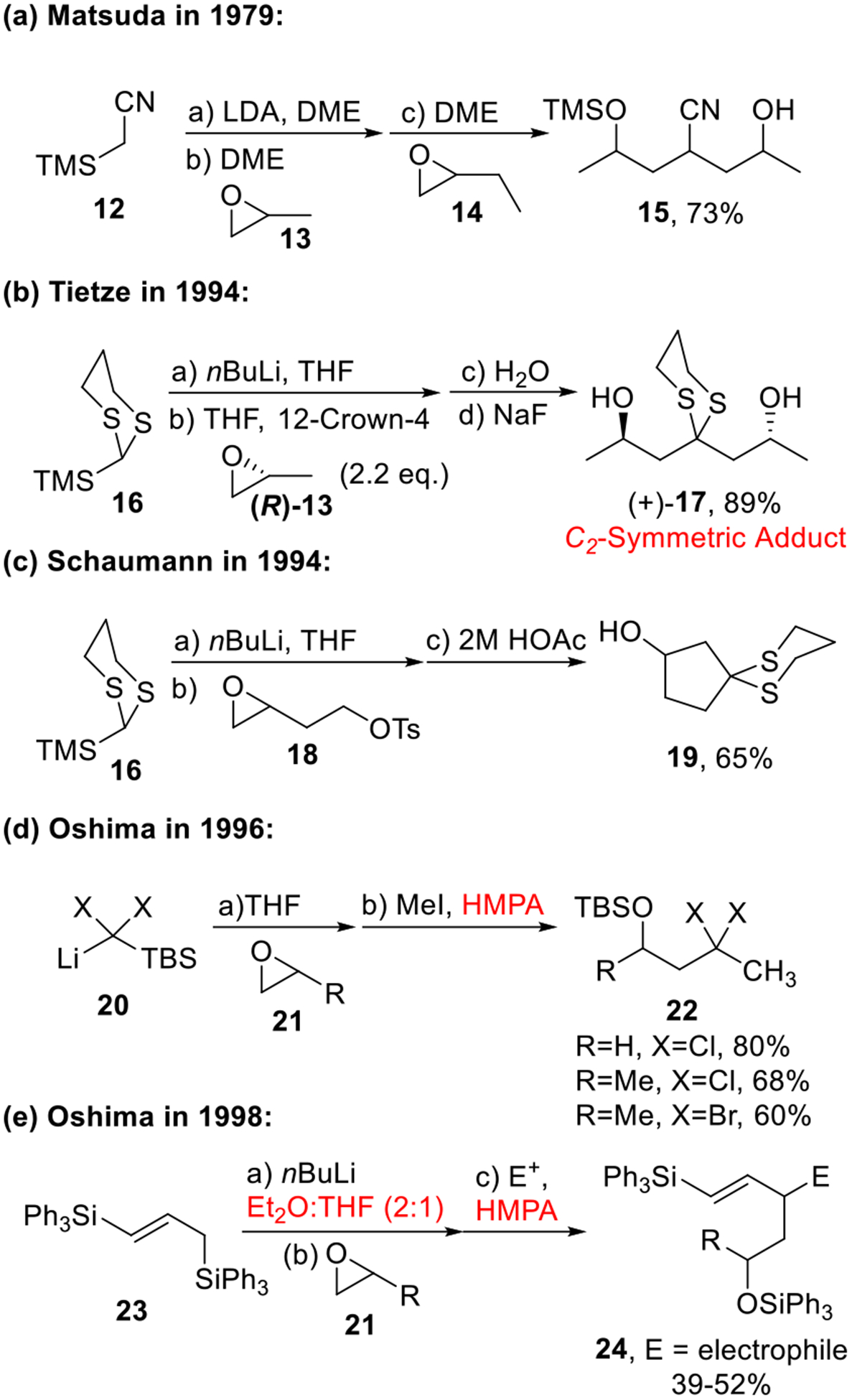
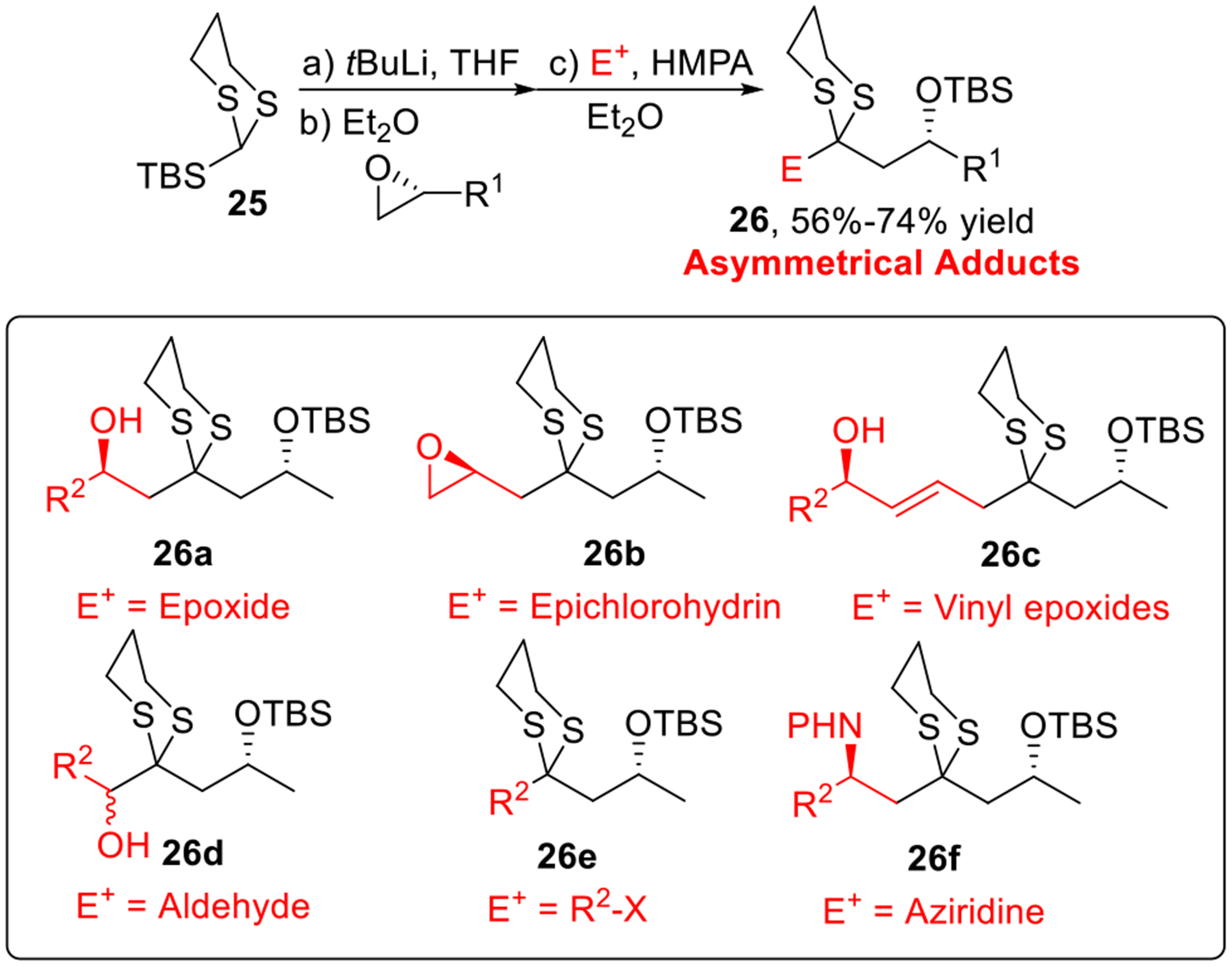
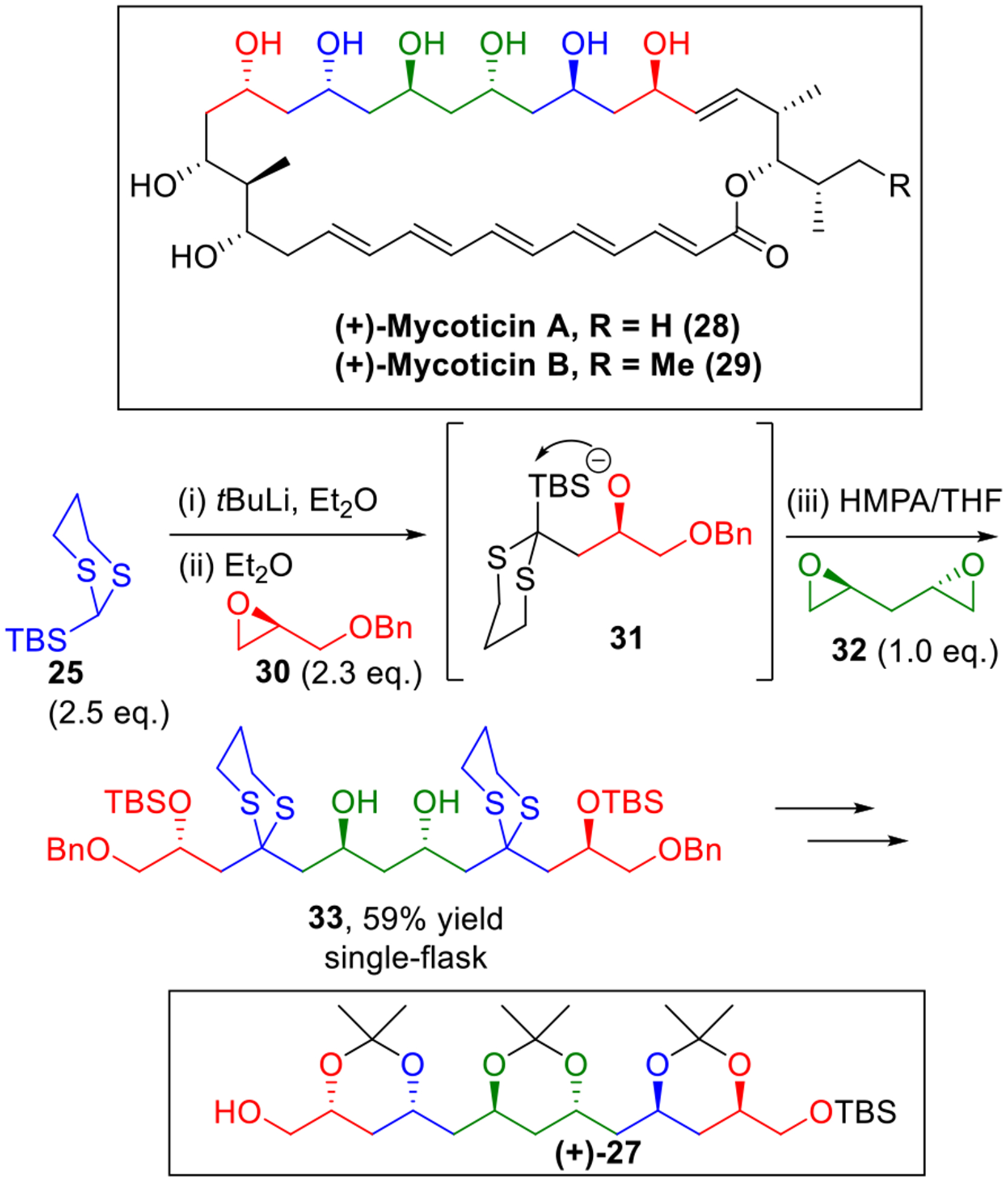
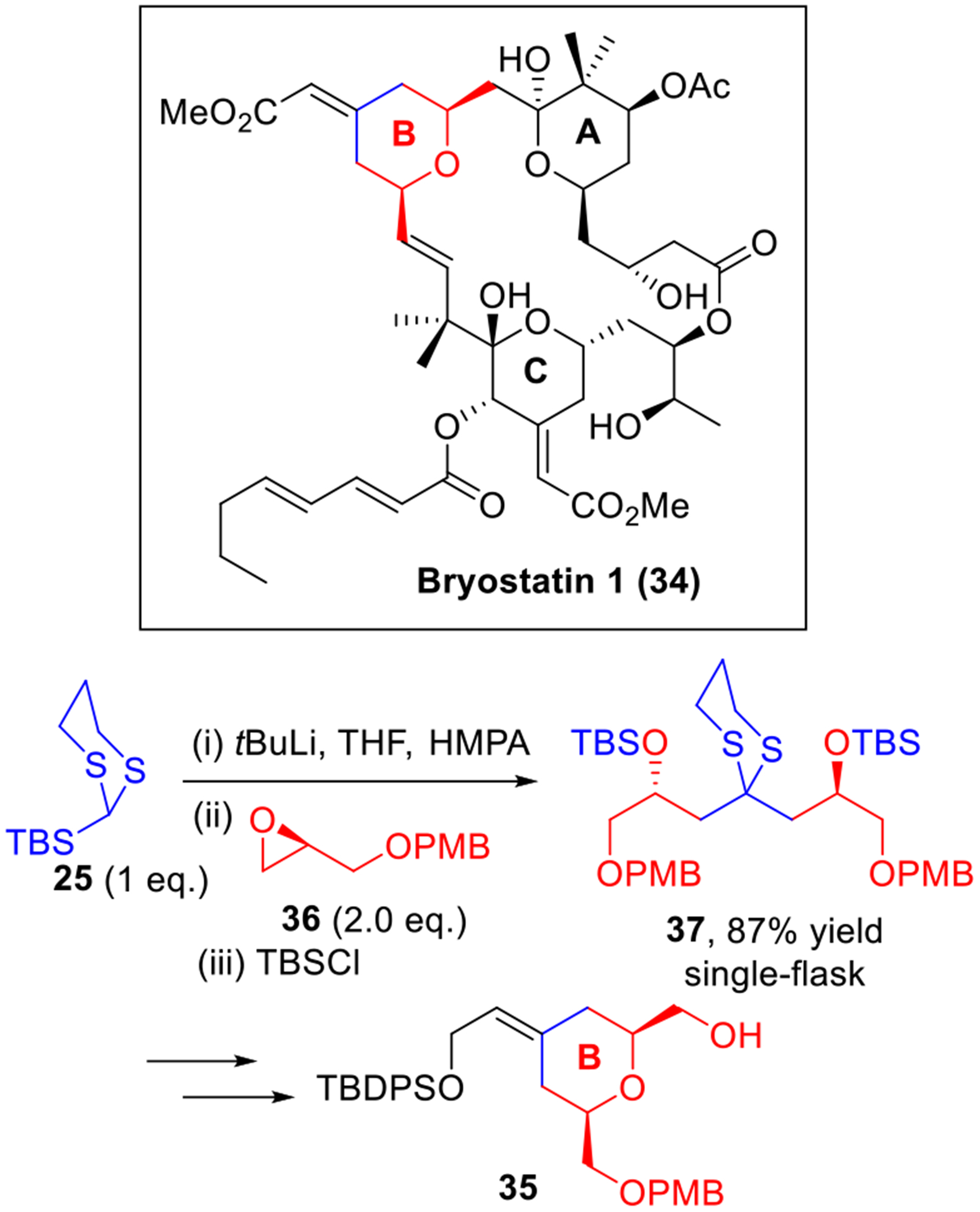
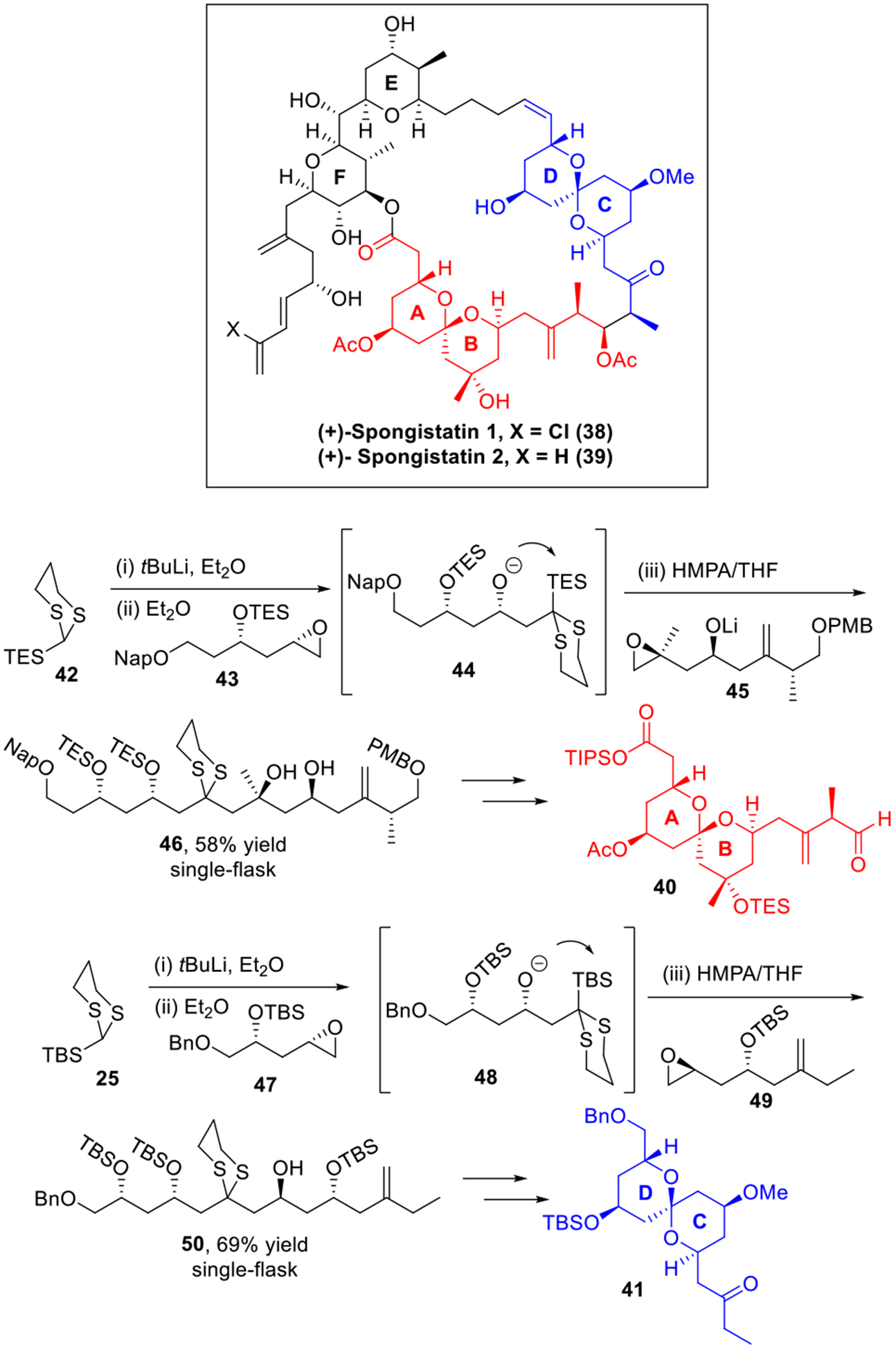
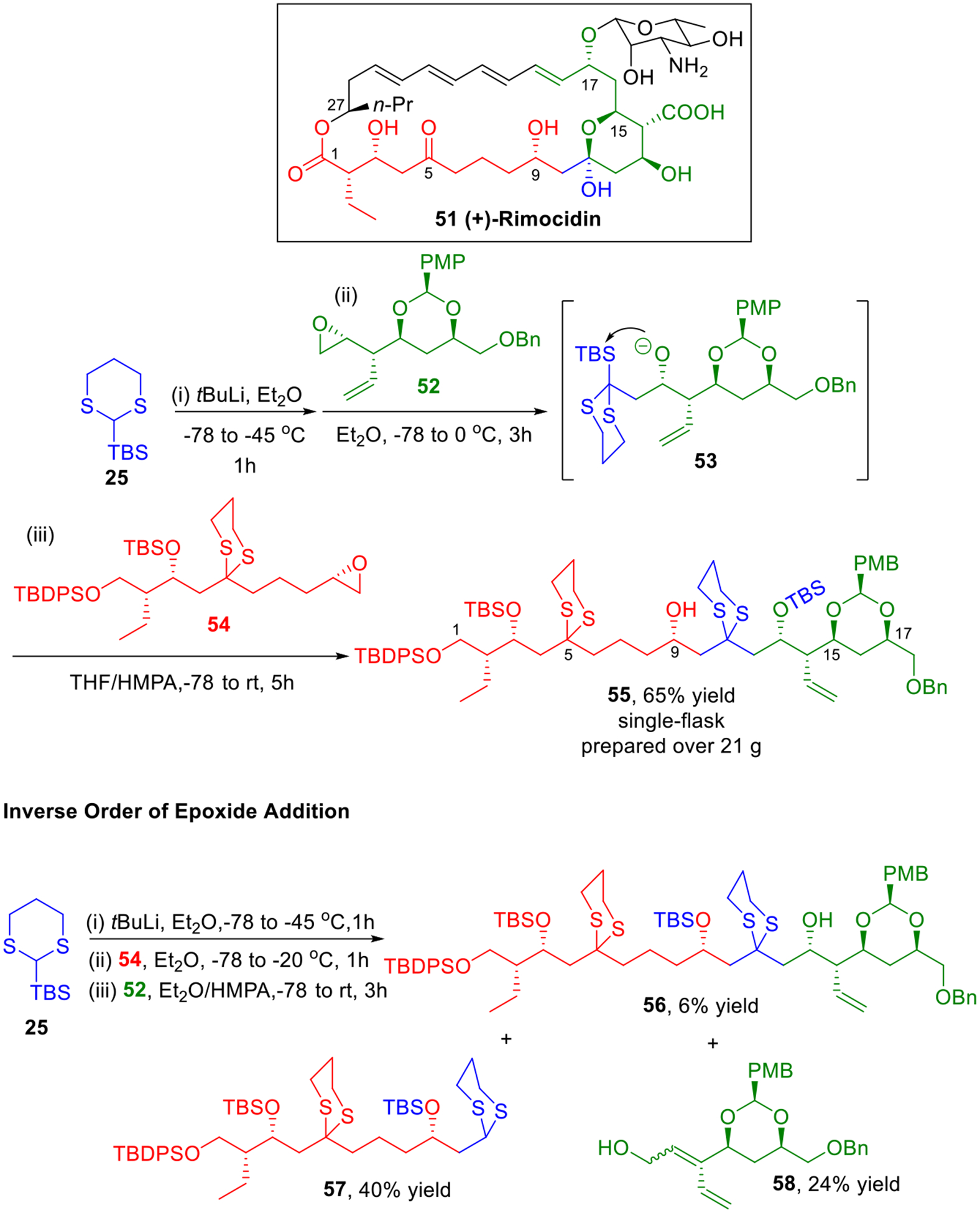
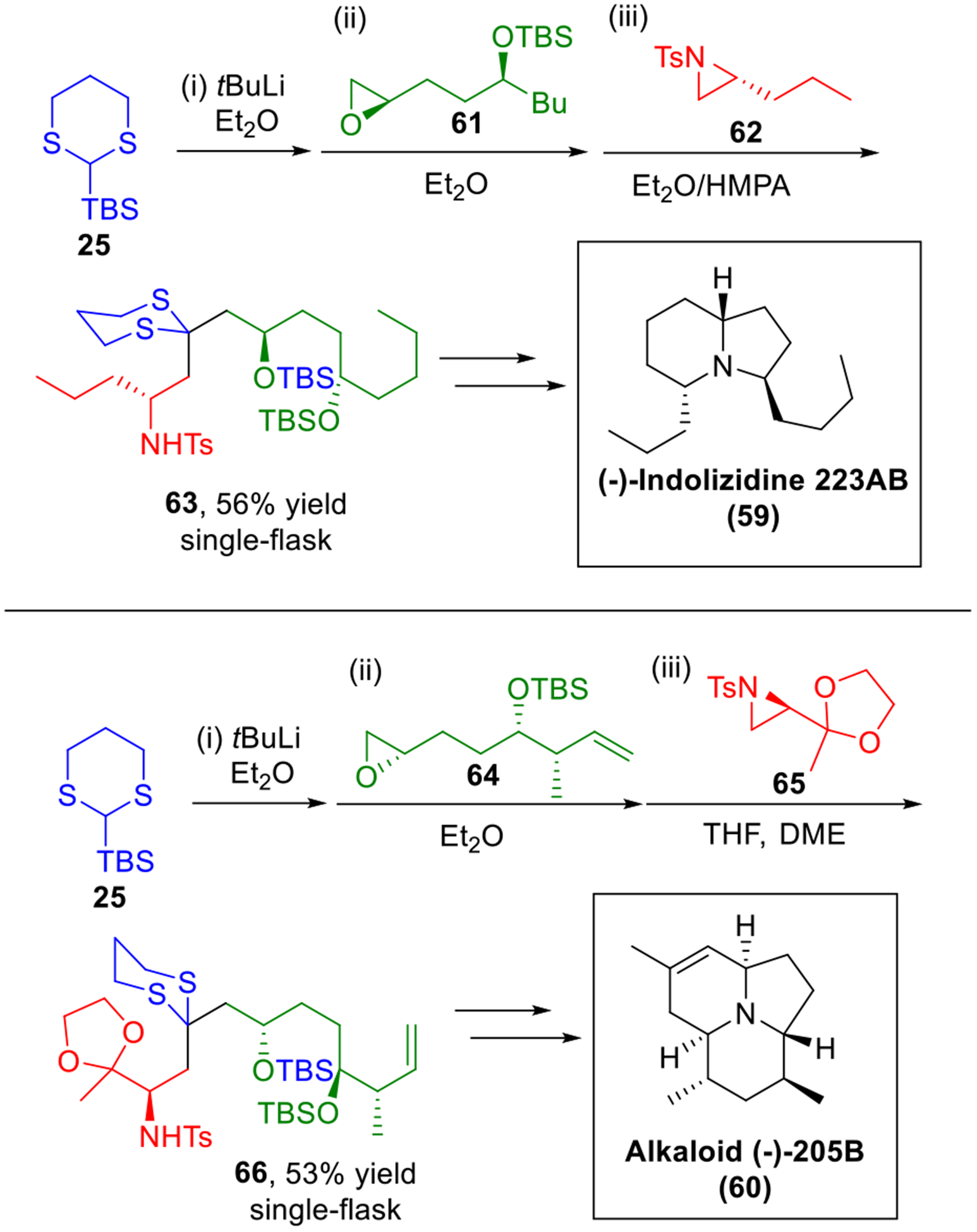
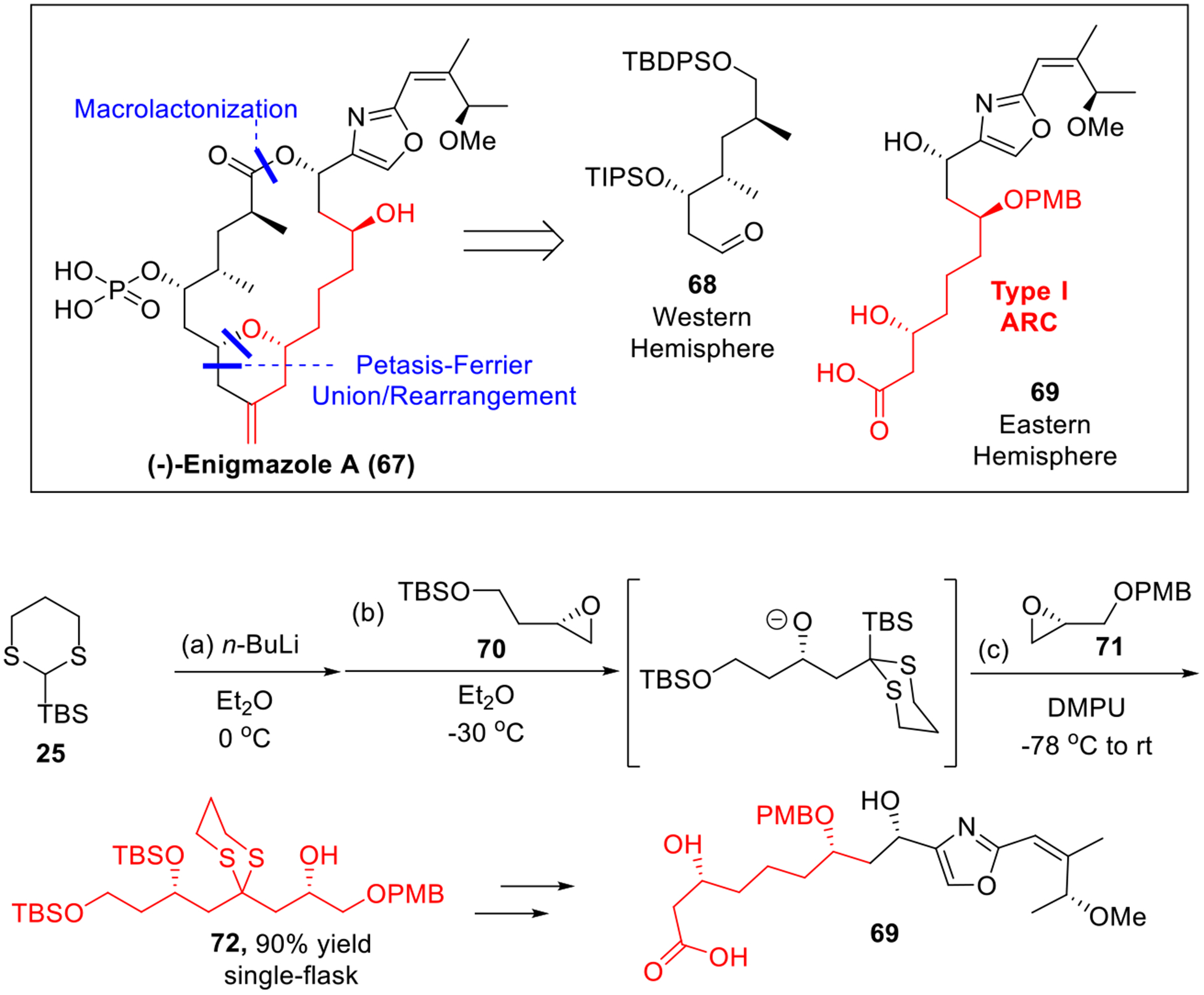
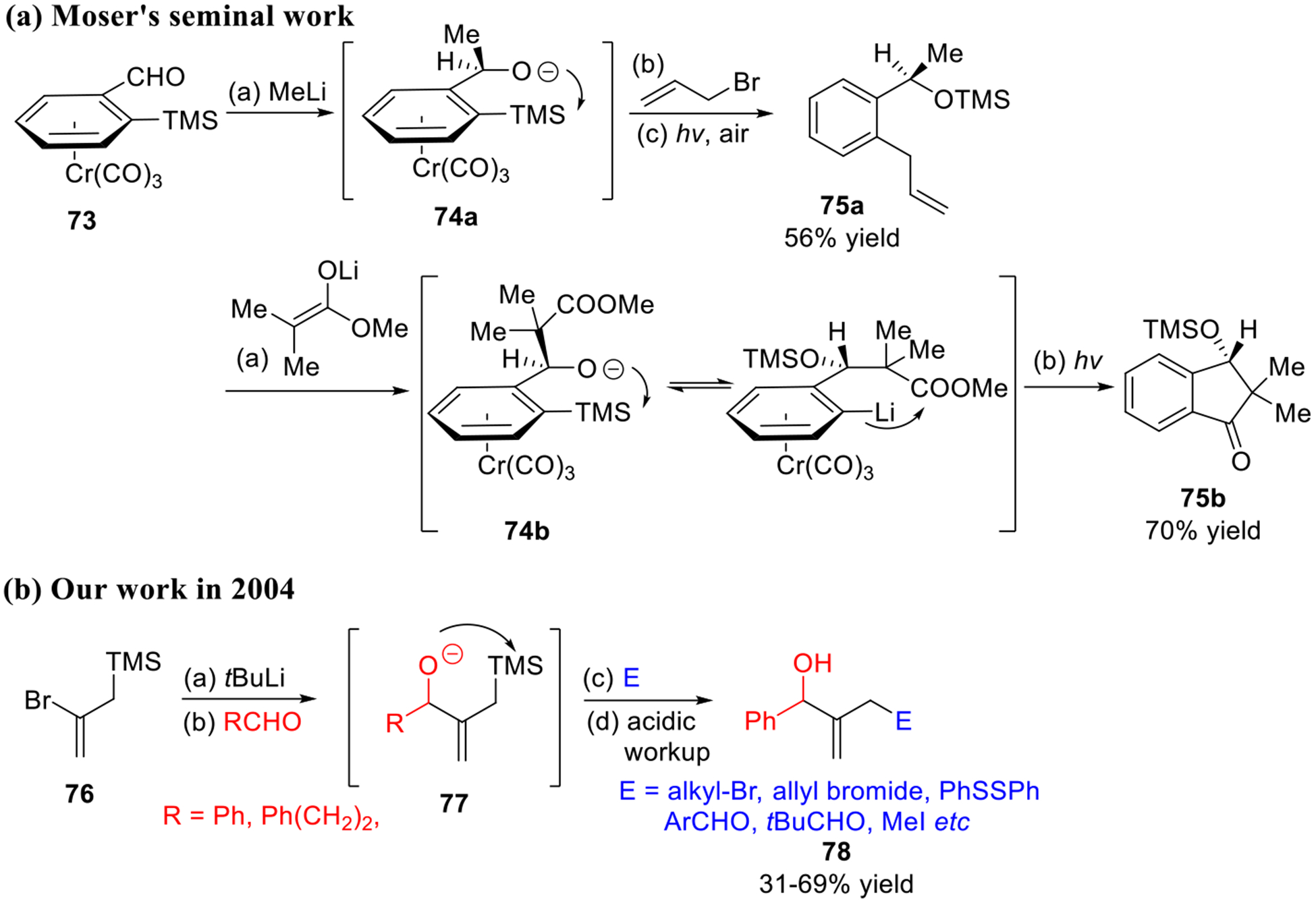
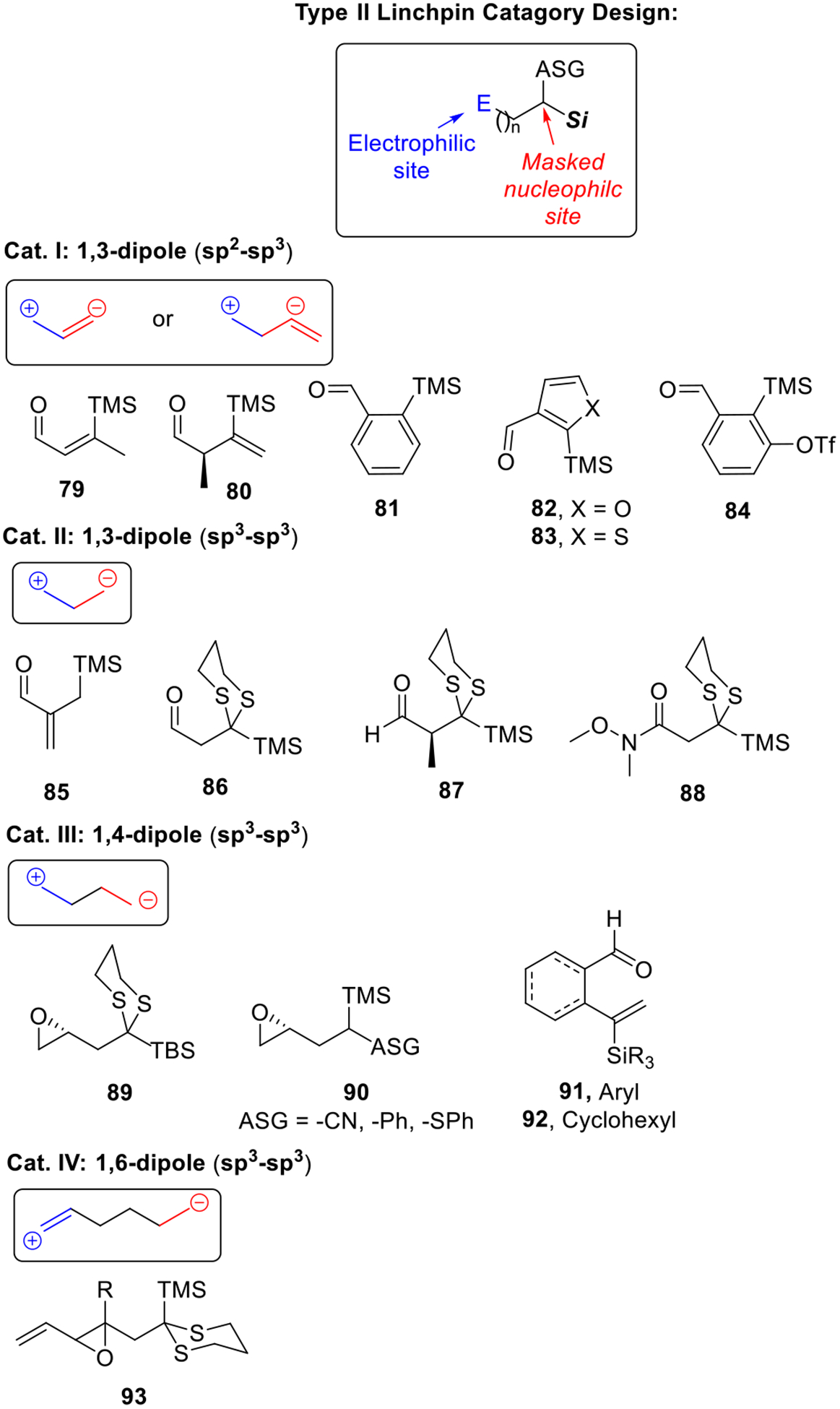
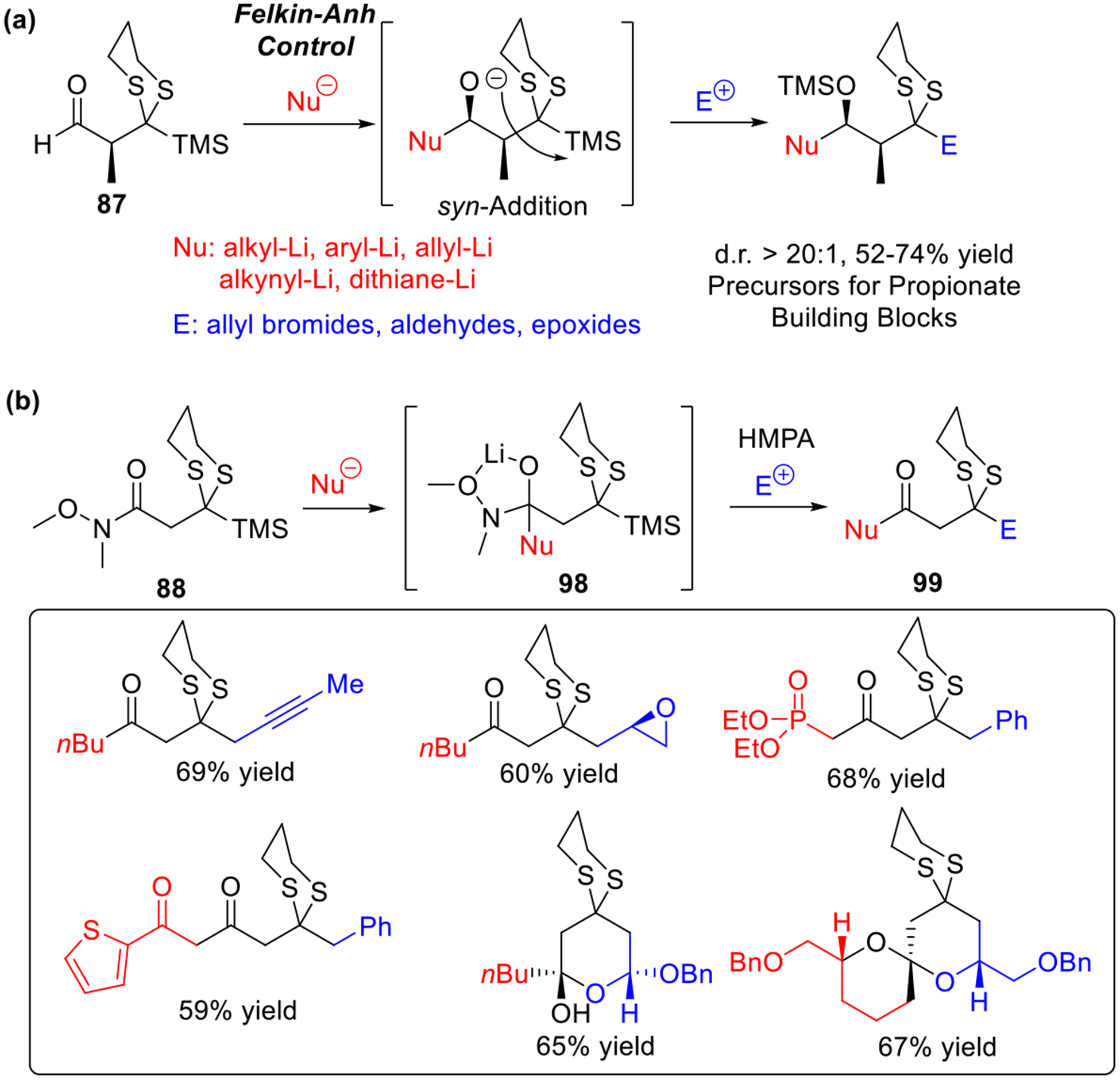
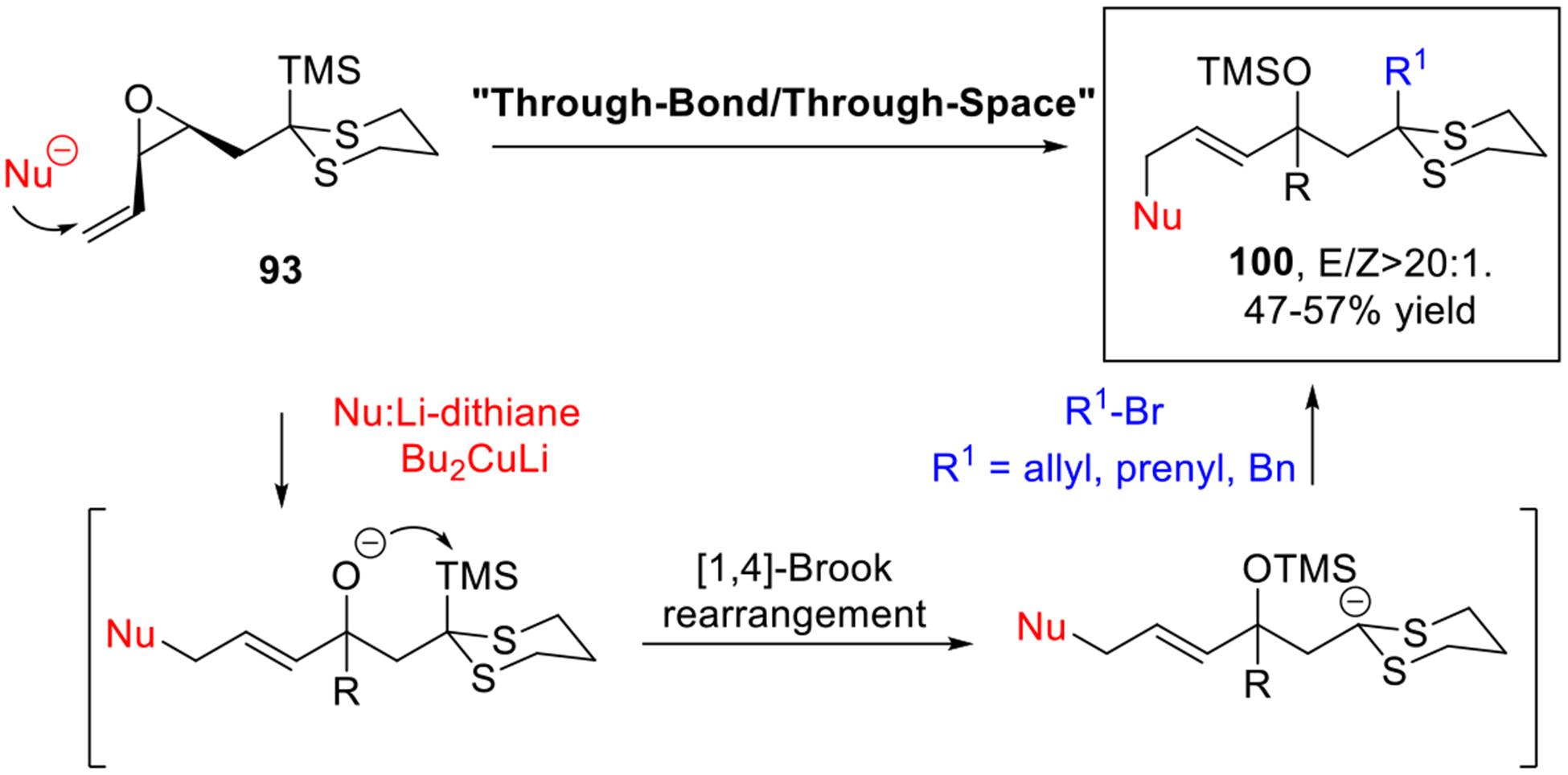
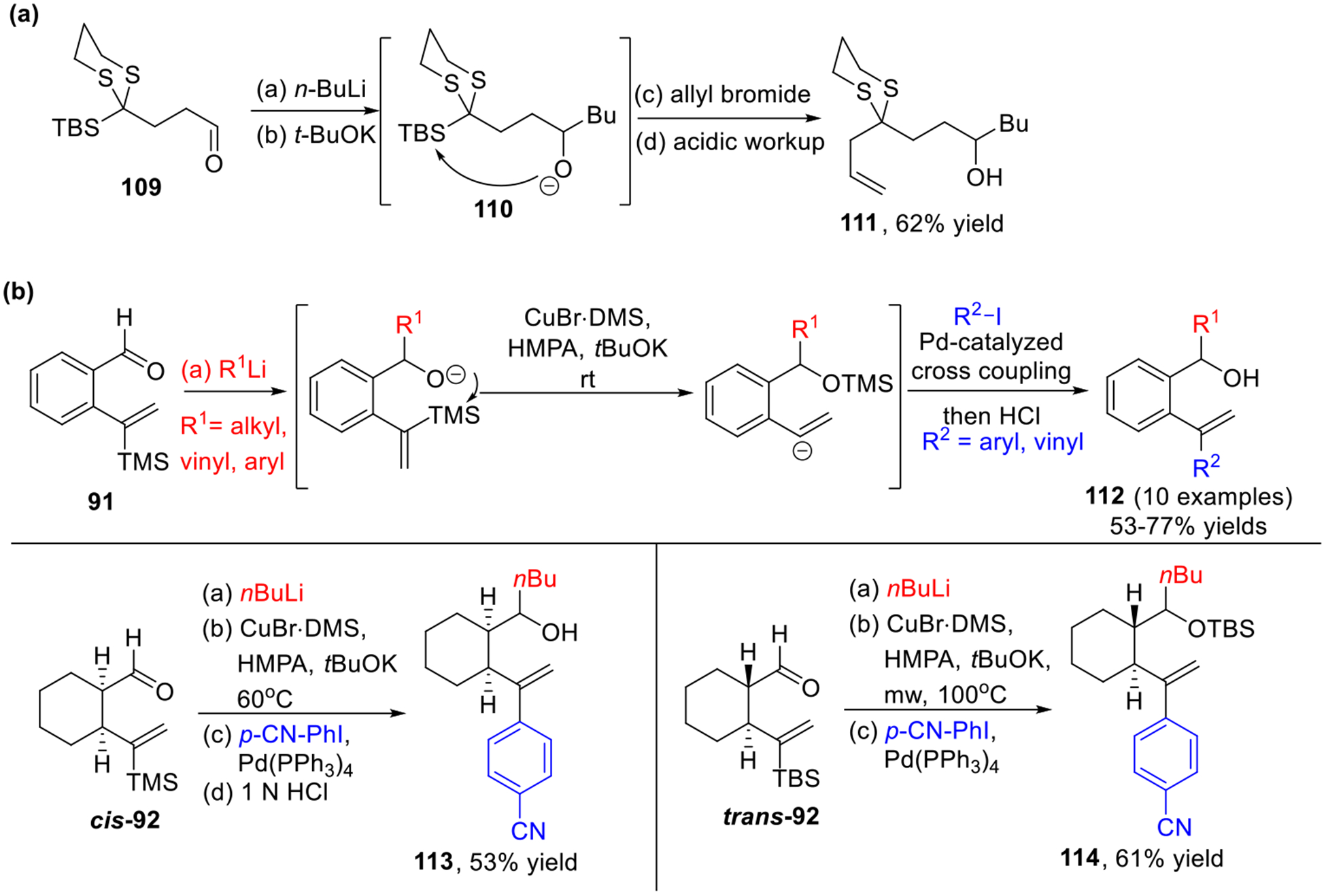
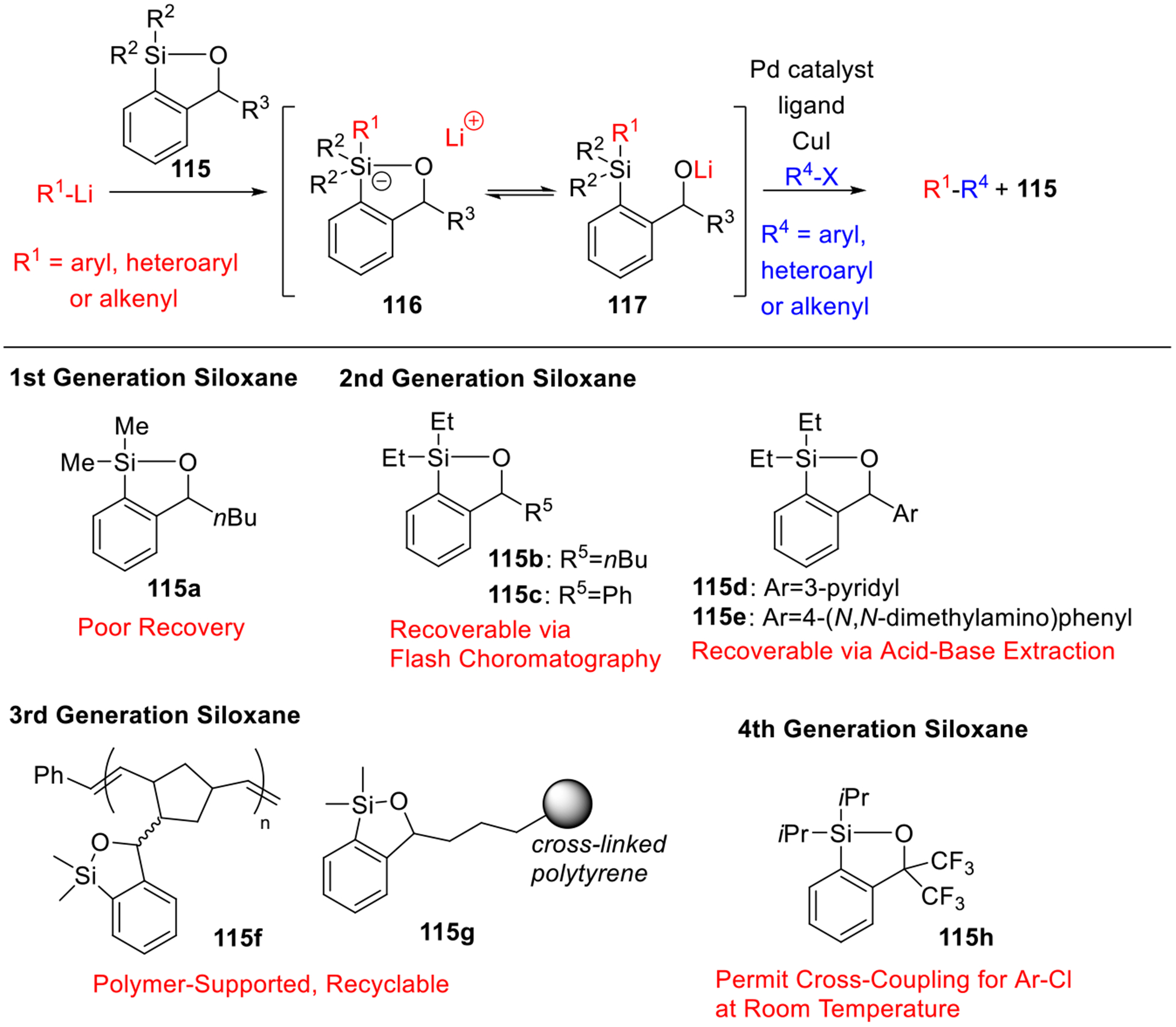
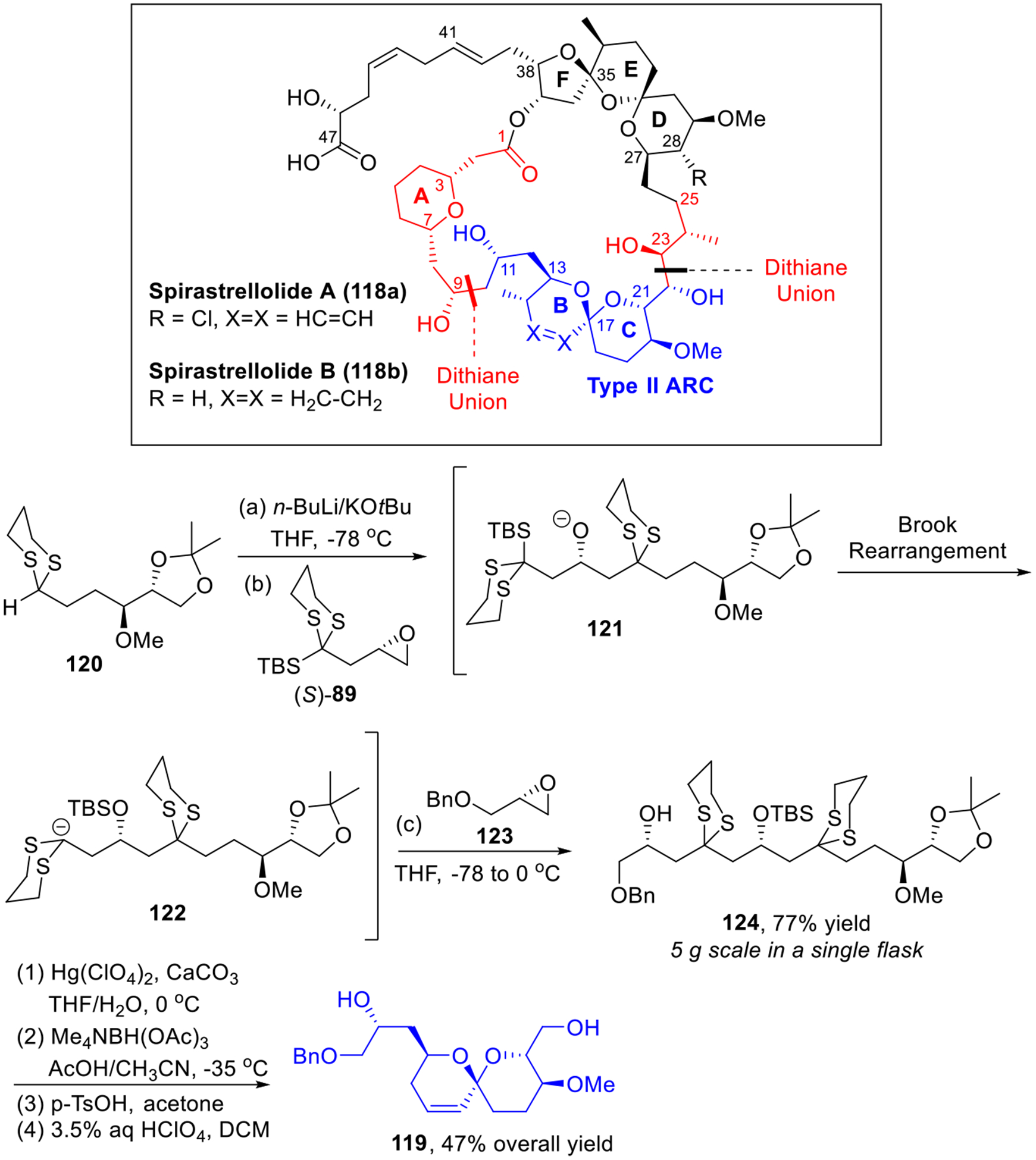
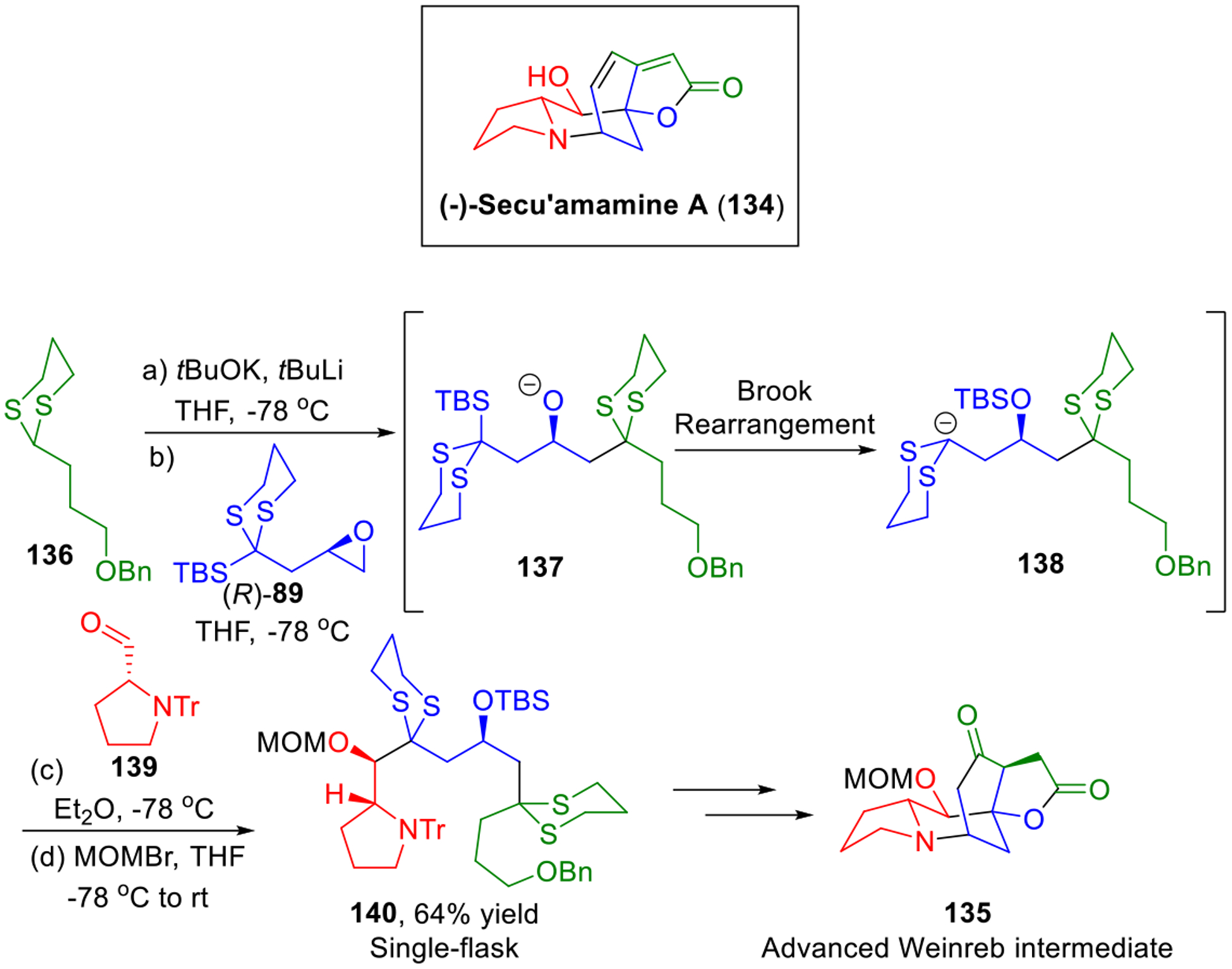
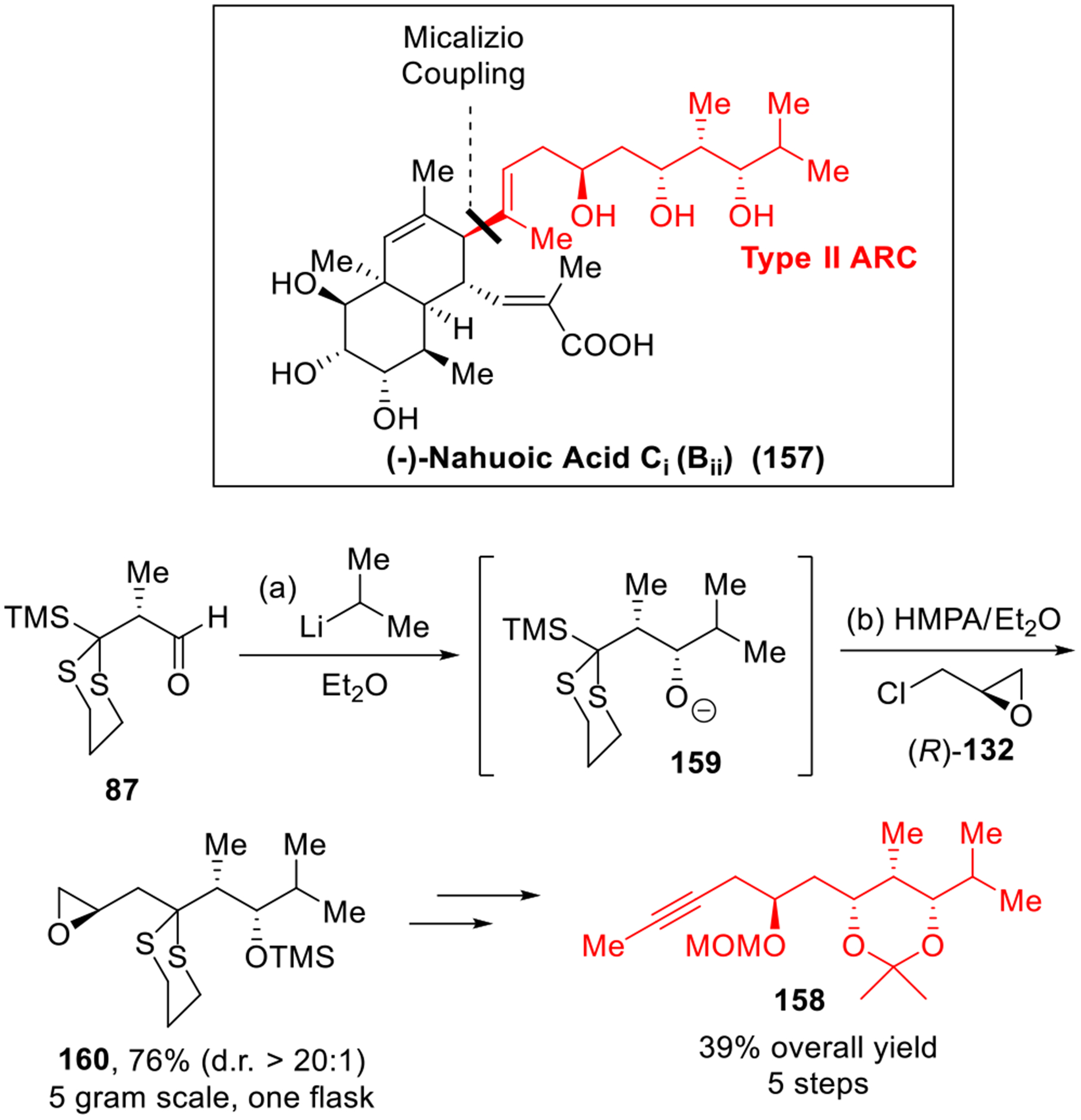
Multicomponent union tactics in which three or more fragments are rapidly connected are highly prized in the construction of architecturally complex natural products. Anion Relay Chemistry (ARC), a multicomponent union tactic, has just such potential to elaborate structurally diverse scaffolds in a single operation with excellent stereochemical control. Conceptually, the ARC tactic can be divided into two main classes: "Through-Bond," by the relay of negative charge through the bonding system of a molecule; and "Through-Space," by the migration of negative charge across space by a transfer agent. "Through-Space" Anion Relay Chemistry, the focus of this Account, can be further subdivided into two types: Type I ARC, originated from the Tietze-Schaumann-Smith coupling reaction, which for the first time permits controllable Brook rearrangements to construct unsymmetrical adducts, and as such has been successfully employed in the total syntheses of diverse natural products, including the mycoticins, bryostatin 1, spongistatins, rimocidin, indolizidine alkaloids, and enigmazole A; and Type II ARC, central to which is the design of novel bifunctional linchpins that enable rapid assembly of linear and cyclic fragments with diverse architectural features, ranging from polyols, spiroketals, and polyenes to polypropionate scaffolds. Recently, the Type II ARC tactic has been exploited as the key construction tactic in the total syntheses of the spirastrellolides, the cryptocarya acetates, secu'amamine A, mandelalide A, and nahuoic acid C (B). This Account will present the evolution of both the Type I and Type II Anion Relay tactics, in conjunction with some prominent applications.
多组分偶联策略中,三个或更多的片段可以快速连接,这在构建结构复杂的天然产物中非常重要。阴离子接力化学(ARC)是一种多组分偶联策略,它具有在单个操作中通过极好的立体化学控制来精心构建结构多样的支架的潜力。从概念上讲,ARC 策略可以分为两类:“通过键”,通过分子键合系统传递负电荷;“通过空间”,通过转移试剂在空间中迁移负电荷。“通过空间”阴离子接力化学是本报告的重点,可以进一步细分为两种类型:I 型 ARC,源于蒂策-绍曼-施密特偶联反应,该反应首次允许可控的布鲁克重排来构建不对称加合物,因此已成功应用于多种天然产物的全合成中,包括真菌霉素、海鞘素 1、海绵抑素、里莫西林、吲哚里西啶生物碱和 enigmazole A;以及 II 型 ARC,其核心是设计新型双功能连接物,使具有不同结构特征的线性和环状片段能够快速组装,范围从多元醇、螺缩酮和多烯到聚丙酸酯支架。最近,II 型 ARC 策略已被用作全合成螺旋曲洛内酯、隐壳酮乙酸酯、secu'amamine A、曼德勒内酯 A 和纳霍酸 C(B)的关键构建策略。本报告将介绍 I 型和 II 型阴离子接力策略的发展,以及一些突出的应用。