Department of Pathology, University of Agricultural Sciences and Veterinary Medicine, Cluj-Napoca, Romania.
Department of Nanomedicine, Regional Institute of Gastroenterology and Hepatology, Cluj-Napoca, Romania.
Int J Nanomedicine. 2020 Mar 31;15:2231-2258. doi: 10.2147/IJN.S241183. eCollection 2020.
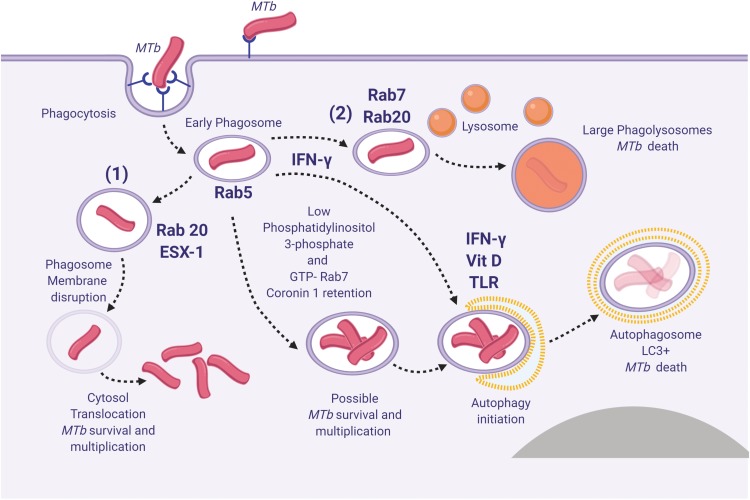
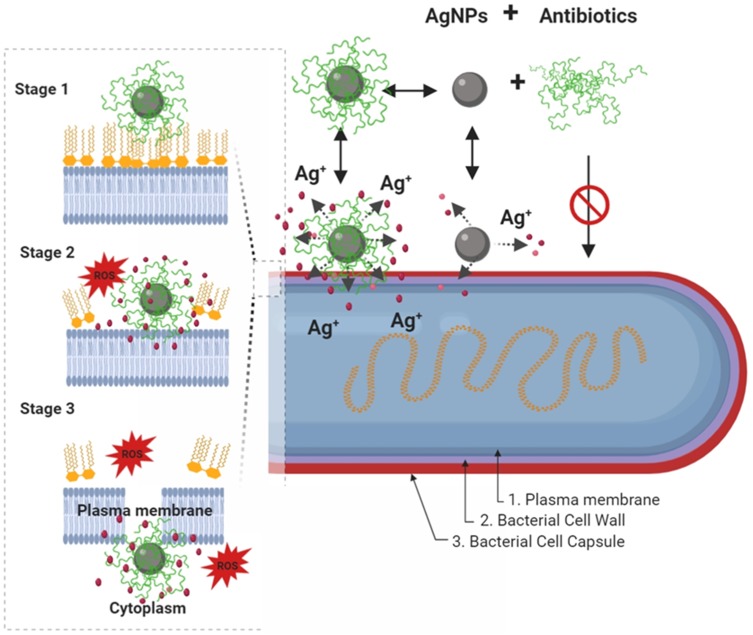
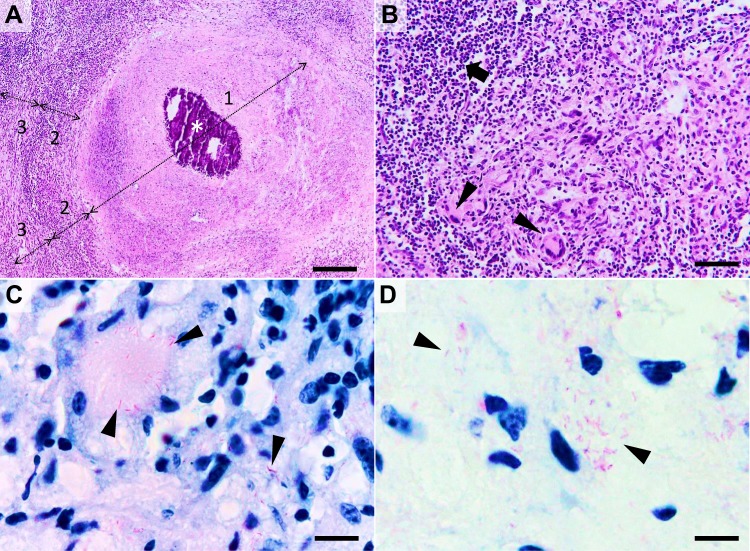
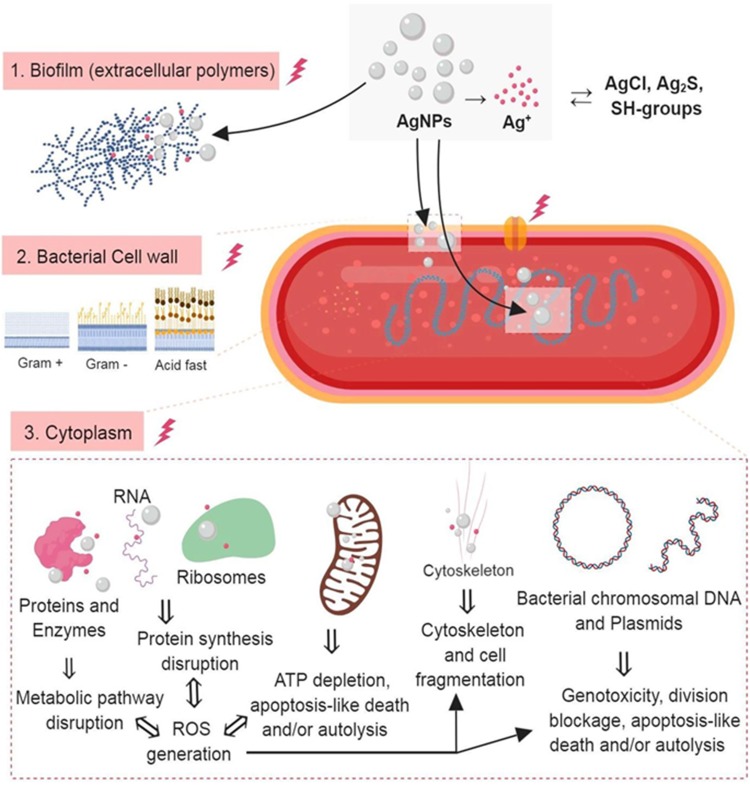
Rapid emergence of aggressive, multidrug-resistant Mycobacteria strain represents the main cause of the current antimycobacterial-drug crisis and status of tuberculosis (TB) as a major global health problem. The relatively low-output of newly approved antibiotics contributes to the current orientation of research towards alternative antibacterial molecules such as advanced materials. Nanotechnology and nanoparticle research offers several exciting new-concepts and strategies which may prove to be valuable tools in improving the TB therapy. A new paradigm in antituberculous therapy using silver nanoparticles has the potential to overcome the medical limitations imposed in TB treatment by the drug resistance which is commonly reported for most of the current organic antibiotics. There is no doubt that AgNPs are promising future therapeutics for the medication of mycobacterial-induced diseases but the viability of this complementary strategy depends on overcoming several critical therapeutic issues as, poor delivery, variable intramacrophagic antimycobacterial efficiency, and residual toxicity. In this paper, we provide an overview of the pathology of mycobacterial-induced diseases, andhighlight the advantages and limitations of silver nanoparticles (AgNPs) in TB treatment.
耐药性强、多重耐药性分枝杆菌菌株的迅速出现是当前抗分枝杆菌药物危机和结核病(TB)作为主要全球健康问题的主要原因。新批准的抗生素产量相对较低,这促使人们将研究方向转向替代抗菌分子,如先进材料。纳米技术和纳米颗粒研究提供了一些令人兴奋的新概念和策略,这些概念和策略可能成为改善结核病治疗的有价值的工具。利用银纳米颗粒进行抗结核治疗的新范例有可能克服由大多数当前有机抗生素普遍报告的耐药性对结核病治疗造成的医学限制。毫无疑问,AgNPs 是治疗分枝杆菌引起的疾病的有前途的未来疗法,但这种补充策略的可行性取决于克服几个关键的治疗问题,如输送不良、巨噬细胞内抗分枝杆菌效率的可变性和残留毒性。在本文中,我们概述了分枝杆菌引起的疾病的病理学,并强调了银纳米颗粒(AgNPs)在结核病治疗中的优势和局限性。