Department for Cell Biology and Neuroscience, School of Osteopathic Medicine, Rowan University, 2 Medical Center Drive, Stratford, NJ 08084, USA.
Int J Mol Sci. 2020 Apr 11;21(8):2661. doi: 10.3390/ijms21082661.
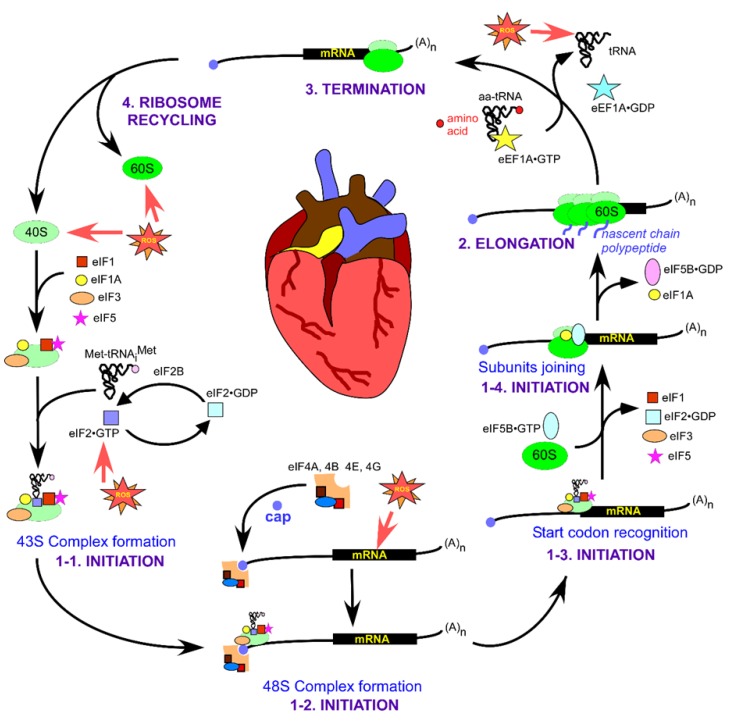
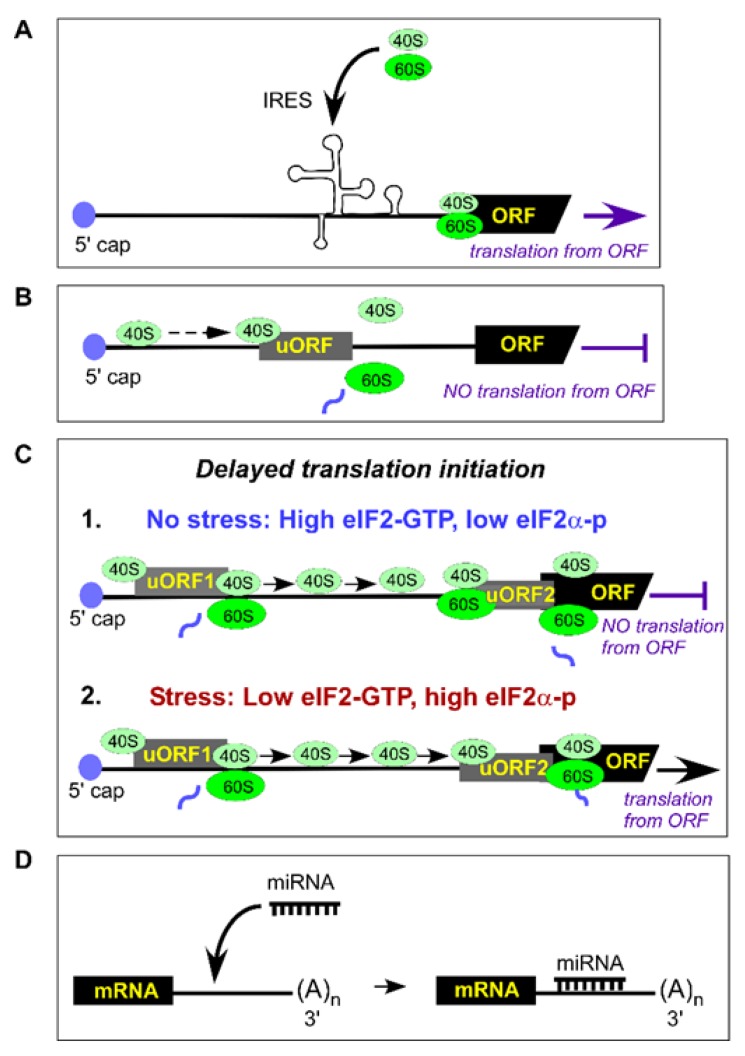
Cardiovascular diseases (CVDs) are a group of disorders that affect the heart and blood vessels. Due to their multifactorial nature and wide variation, CVDs are the leading cause of death worldwide. Understanding the molecular alterations leading to the development of heart and vessel pathologies is crucial for successfully treating and preventing CVDs. One of the causative factors of CVD etiology and progression is acute oxidative stress, a toxic condition characterized by elevated intracellular levels of reactive oxygen species (ROS). Left unabated, ROS can damage virtually any cellular component and affect essential biological processes, including protein synthesis. Defective or insufficient protein translation results in production of faulty protein products and disturbances of protein homeostasis, thus promoting pathologies. The relationships between translational dysregulation, ROS, and cardiovascular disorders will be examined in this review.
心血管疾病 (CVDs) 是一组影响心脏和血管的疾病。由于其多因素的性质和广泛的变化,CVDs 是全球死亡的主要原因。了解导致心脏和血管病理发展的分子变化对于成功治疗和预防 CVDs 至关重要。CVD 病因和进展的一个致病因素是急性氧化应激,这是一种以细胞内活性氧 (ROS) 水平升高为特征的有毒状态。如果不加以控制,ROS 几乎可以破坏任何细胞成分,并影响包括蛋白质合成在内的基本生物过程。翻译缺陷或不足会导致错误的蛋白质产物产生和蛋白质平衡紊乱,从而促进病理学的发生。本综述将探讨翻译失调、ROS 和心血管疾病之间的关系。