Parets Sebastià, Irigoyen Ángel, Ordinas Margarita, Cabot Joan, Miralles Marc, Arbona Laura, Péter Mária, Balogh Gábor, Fernández-García Paula, Busquets Xavier, Lladó Victoria, Escribá Pablo V, Torres Manuel
Laboratory of Molecular Cell Biomedicine, Department of Biology, University of the Balearic Islands, Palma de Mallorca, Spain.
Department of Neurosciences and Neurology, Laminar Pharmaceuticals SL, Palma de Mallorca, Spain.
Front Cell Dev Biol. 2020 Mar 27;8:164. doi: 10.3389/fcell.2020.00164. eCollection 2020.
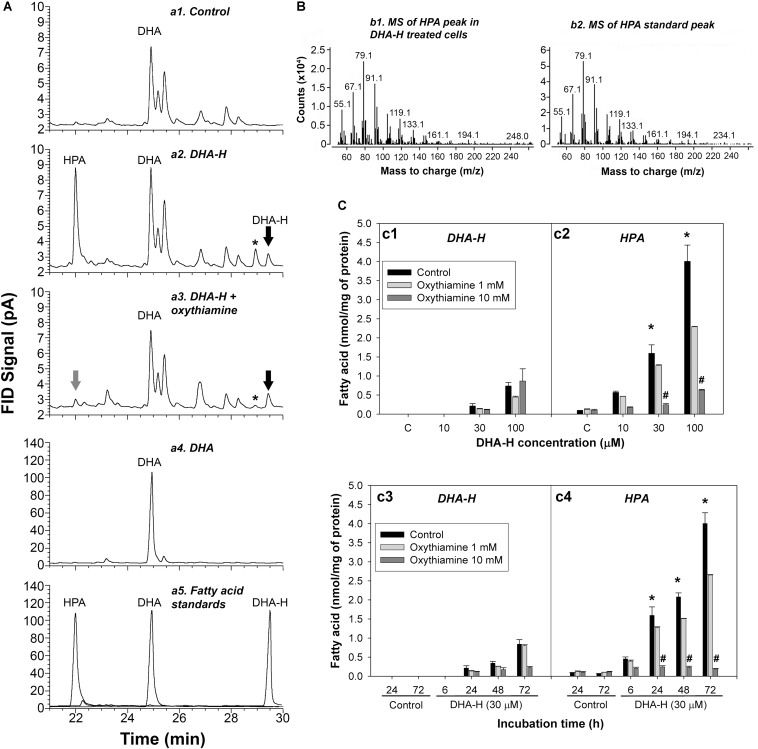
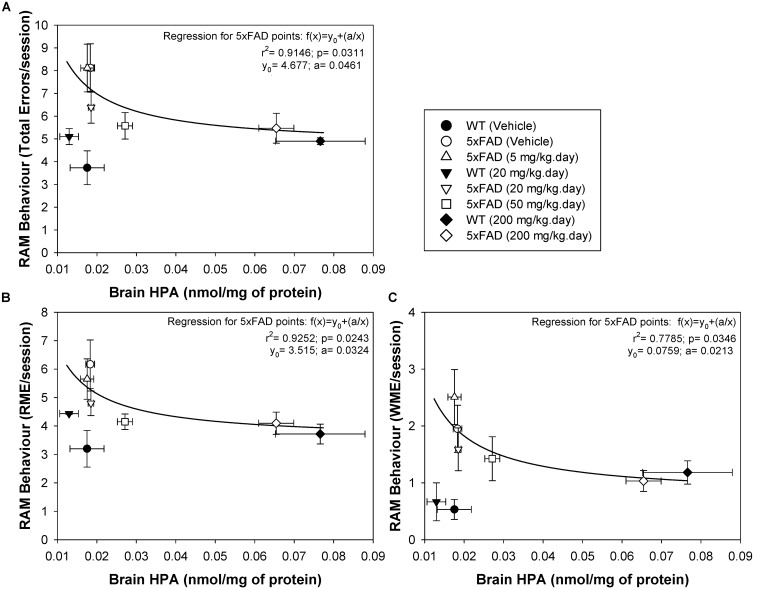
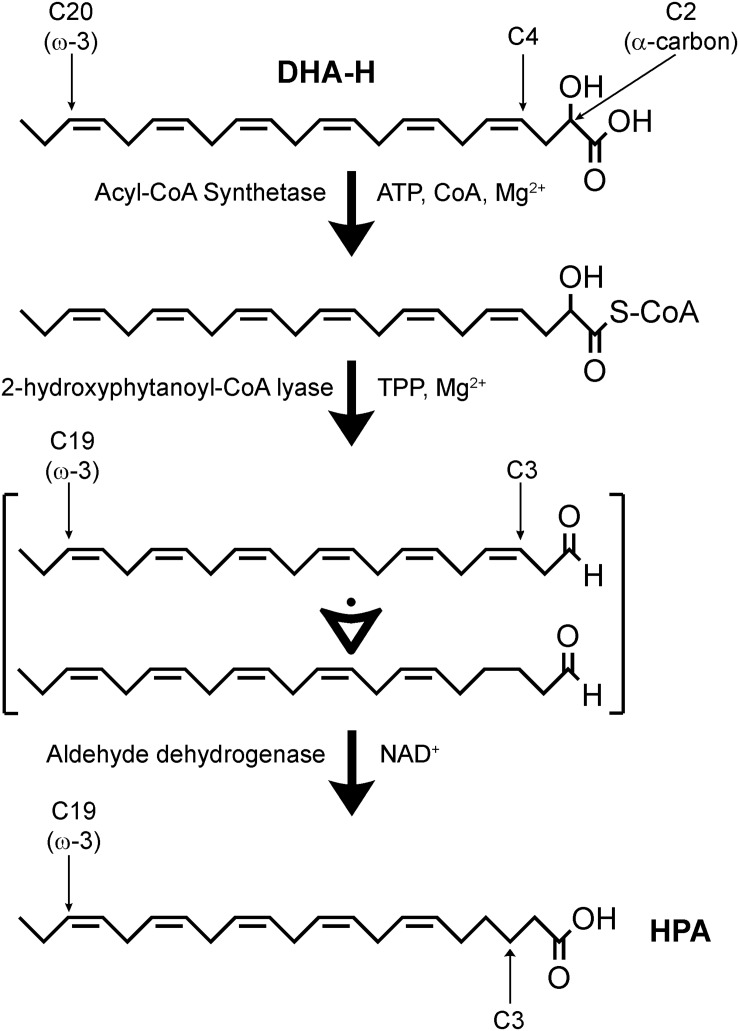
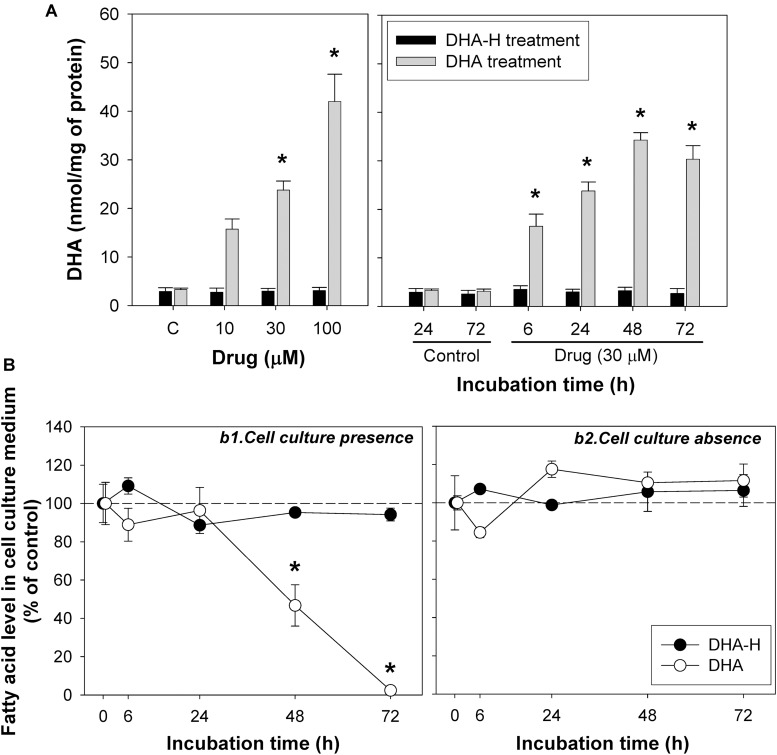
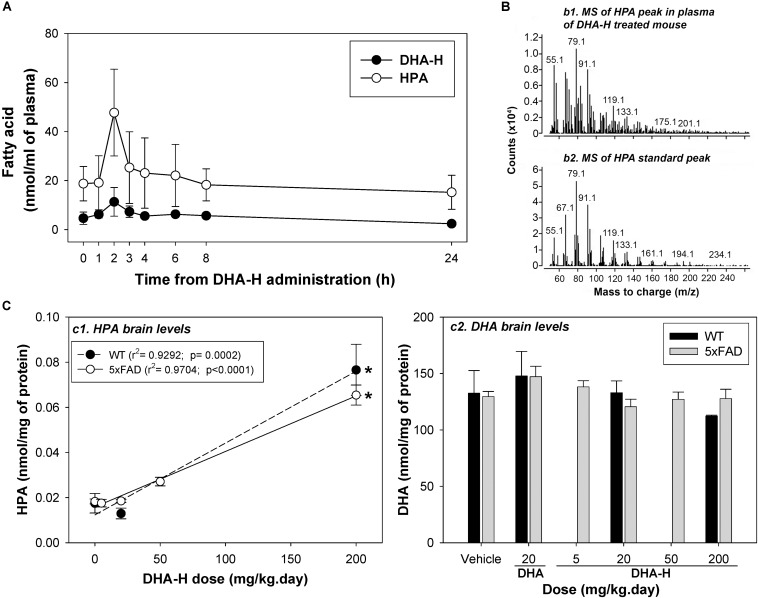
Alzheimer's disease (AD) is a neurodegenerative disease with as yet no efficient therapies, the pathophysiology of which is still largely unclear. Many drugs and therapies have been designed and developed in the past decade to stop or slow down this neurodegenerative process, although none has successfully terminated a phase-III clinical trial in humans. Most therapies have been inspired by the amyloid cascade hypothesis, which has more recently come under question due to the almost complete failure of clinical trials of anti-amyloid/tau therapies to date. To shift the perspective for the design of new AD therapies, membrane lipid therapy has been tested, which assumes that brain lipid alterations lie upstream in the pathophysiology of AD. A hydroxylated derivative of docosahexaenoic acid was used, 2-hydroxy-docosahexaenoic acid (DHA-H), which has been tested in a number of animal models and has shown efficacy against hallmarks of AD pathology. Here, for the first time, DHA-H is shown to undergo α-oxidation to generate the heneicosapentaenoic acid (HPA, C21:5, n-3) metabolite, an odd-chain omega-3 polyunsaturated fatty acid that accumulates in cell cultures, mouse blood plasma and brain tissue upon DHA-H treatment, reaching higher concentrations than those of DHA-H itself. Interestingly, DHA-H does not share metabolic routes with its natural analog DHA (C22:6, n-3) but rather, DHA-H and DHA accumulate distinctly, both having different effects on cell fatty acid composition. This is partly explained because DHA-H α-hydroxyl group provokes steric hindrance on fatty acid carbon 1, which in turn leads to diminished incorporation into cell lipids and accumulation as free fatty acid in cell membranes. Finally, DHA-H administration to mice elevated the brain HPA levels, which was directly and positively correlated with cognitive spatial scores in AD mice, apparently in the absence of DHA-H and without any significant change in brain DHA levels. Thus, the evidence presented in this work suggest that the metabolic conversion of DHA-H into HPA could represent a key event in the therapeutic effects of DHA-H against AD.
阿尔茨海默病(AD)是一种神经退行性疾病,目前尚无有效的治疗方法,其病理生理学在很大程度上仍不清楚。在过去十年中,人们设计并开发了许多药物和疗法来阻止或减缓这种神经退行性过程,尽管还没有一种药物能成功完成人类III期临床试验。大多数疗法都受到淀粉样蛋白级联假说的启发,而由于迄今为止抗淀粉样蛋白/ tau疗法的临床试验几乎完全失败,该假说最近受到了质疑。为了转变新的AD疗法设计思路,人们对膜脂质疗法进行了测试,该疗法认为脑脂质改变在AD病理生理学中处于上游位置。使用了二十二碳六烯酸的一种羟基化衍生物,即2-羟基二十二碳六烯酸(DHA-H),它已在多种动物模型中进行了测试,并显示出对AD病理特征的疗效。在此,首次表明DHA-H会发生α-氧化生成二十一碳五烯酸(HPA,C21:5,n-3)代谢物,这是一种奇数链ω-3多不饱和脂肪酸,在DHA-H处理后会在细胞培养物、小鼠血浆和脑组织中积累,其浓度高于DHA-H本身。有趣的是,DHA-H与其天然类似物DHA(C22:6,n-3)并不共享代谢途径,相反,DHA-H和DHA会明显地分别积累,两者对细胞脂肪酸组成具有不同的影响。部分原因在于DHA-H的α-羟基在脂肪酸碳1上引发了空间位阻,这反过来导致其掺入细胞脂质的量减少,并以游离脂肪酸的形式在细胞膜中积累。最后,给小鼠施用DHA-H会提高脑内HPA水平,这与AD小鼠的认知空间评分直接呈正相关,显然是在没有DHA-H且脑内DHA水平无任何显著变化的情况下。因此,这项工作中所呈现的证据表明,DHA-H向HPA的代谢转化可能是DHA-H对AD治疗作用的关键事件。