Clinical Medical Research Center, The Second Clinical Medical College of Jinan University (Shenzhen People's Hospital), 1017 North Rd Dongmen, Luohu District, Shenzhen, China.
Integrated Chinese and Western Medicine Postdoctoral research station, Jinan University, Guangzhou, China.
BMC Cancer. 2020 Mar 23;20(1):242. doi: 10.1186/s12885-020-06717-4.
Colorectal cancer (CRC) ranks the third among the most common malignancies globally. It is well known that microRNAs (miRNAs) play vital roles in destabilizing mRNAs and repressing their translations in this disease. However, the mechanism of miRNA-induced mRNA cleavage remains to be investigated.
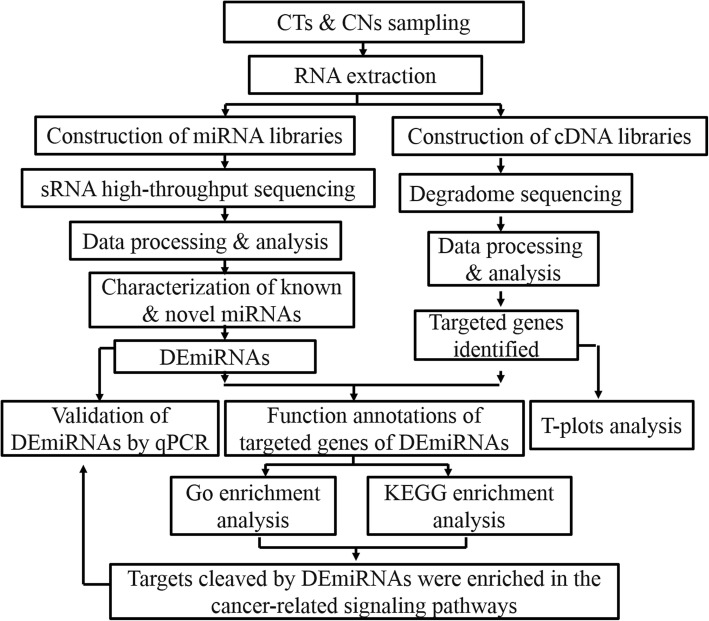
In this study, high-throughput small RNA (sRNA) sequencing was utilized to identify and profile miRNAs from six pairs of colorectal cancer tissues (CTs) and adjacent tissues (CNs). Degradome sequencing (DS) was employed to detect the cleaved target genes. The Database for Annotation, Visualization and Integrated Discovery (DAVID) software was used for GO (Gene Ontology) and KEGG (Kyoto Encyclopedia of Genes and Genomes) pathway analysis.
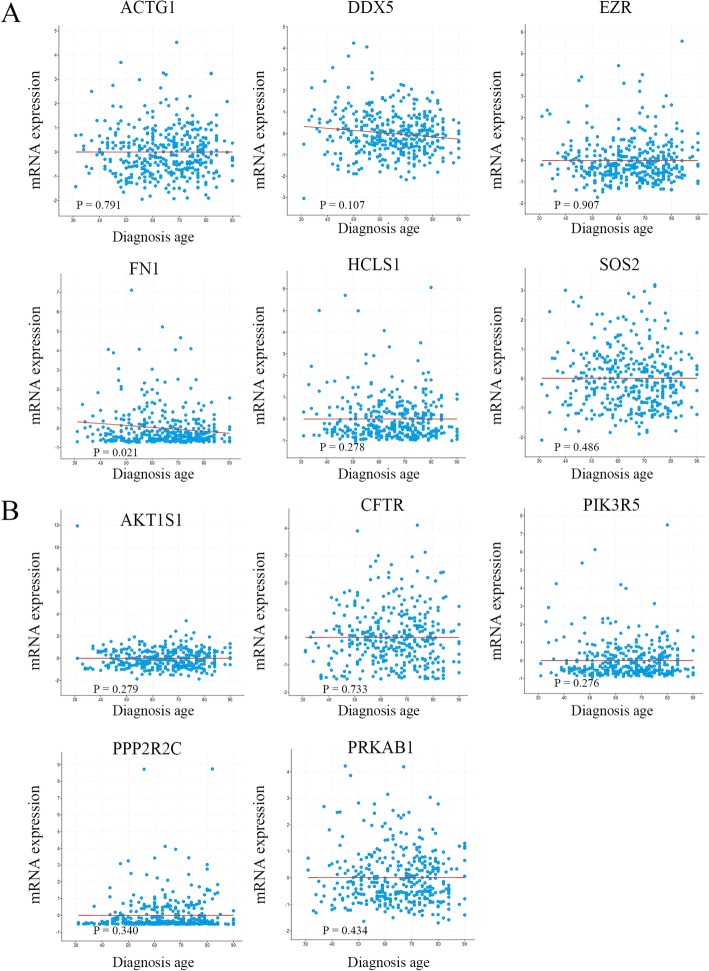
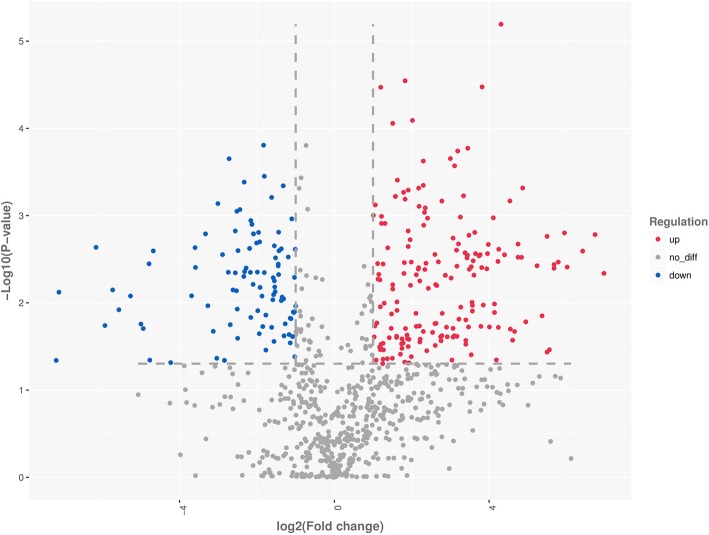
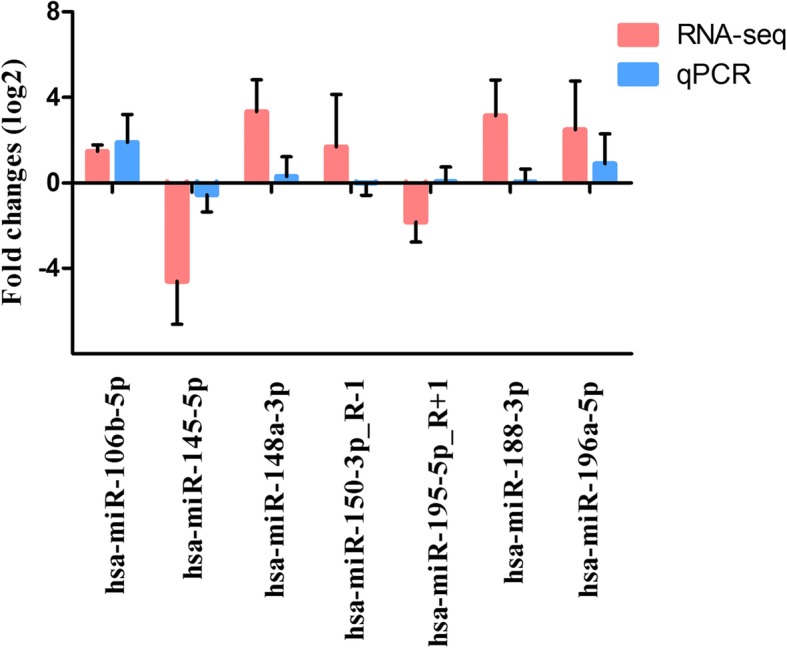
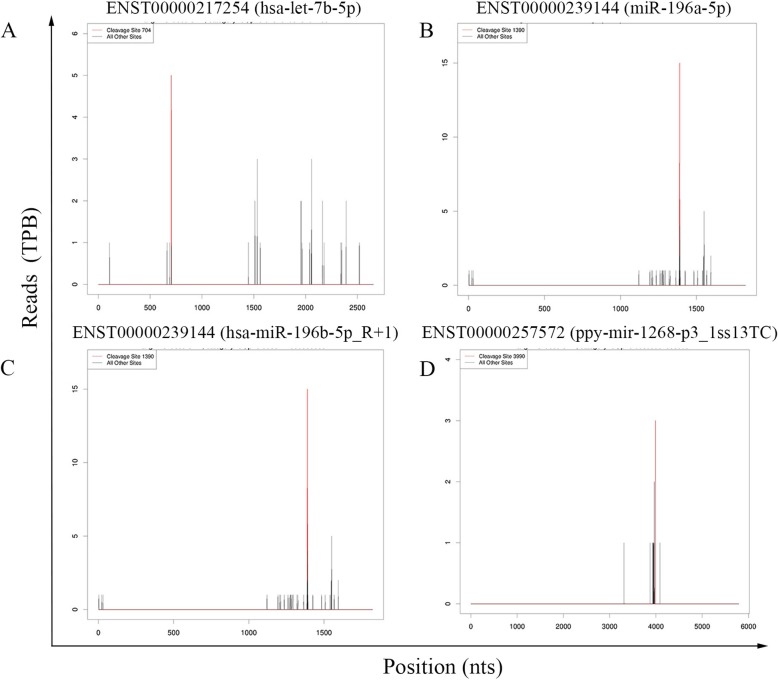
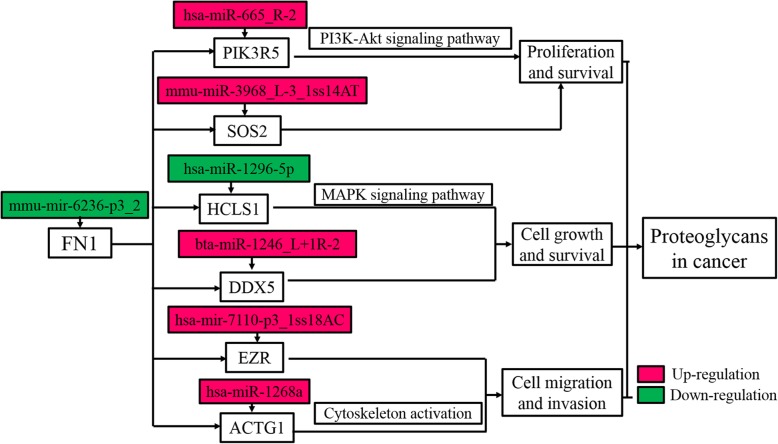
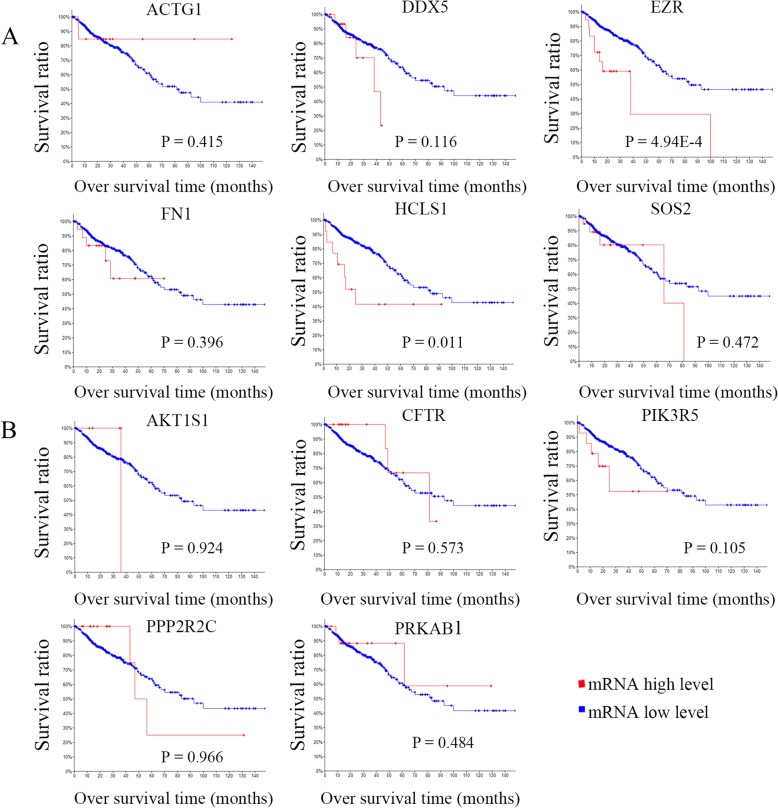
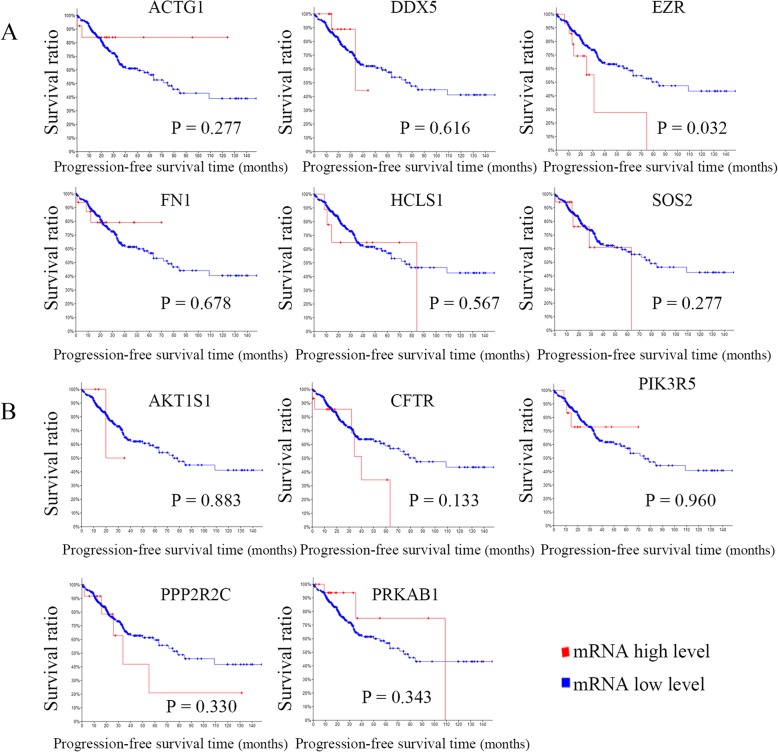
In total, 1278 known miRNAs (clustered into 337 families) and 131 novel miRNAs were characterized in the CT and CN libraries, respectively. Of those, 420 known and eight novel miRNAs were defined as differentially expressed miRNAs (DEmiRNAs) by comparing the expression levels observed in the CT and CN libraries. Furthermore, through DS, 9685 and 202 potential target transcripts were characterized as target genes for 268 known and 33 novel miRNAs, respectively. It was further predicted that a total of 264 targeted genes for the 85 DEmiRNAs are involved in proteoglycans in cancer and the AMP-activated protein kinase signaling pathway. After systemic analysis of prognosis-related miRNA targets in those cancer-related signal pathways, we found that two targets ezrin (EZR) and hematopoietic cell-specific Lyn substrate 1 (HCLS1) had the potential prognostic characteristics with CRC regarding over survival (OS) or recurrence.
In total, we found that endonucleolytic miRNA-directed mRNA cleavage occurs in CRC. A number of potential genes targeted by CRC-related miRNAs were identified and some may have the potential as prognosis markers of CRC. The present findings may lead to an improved better appreciation of the novel interaction mode between miRNAs and target genes in CRC.
结直肠癌(CRC)在全球范围内是最常见的恶性肿瘤之一,排名第三。众所周知,微小 RNA(miRNA)在破坏 mRNA 并抑制其翻译方面发挥着重要作用。然而,miRNA 诱导的 mRNA 切割的机制仍有待研究。
本研究利用高通量小 RNA(sRNA)测序技术,从六对结直肠癌细胞组织(CTs)和相邻正常组织(CNs)中鉴定和分析 miRNA。利用降解组测序(DS)检测切割的靶基因。数据库检索用于基因本体论(GO)和京都基因与基因组百科全书(KEGG)通路分析。
在 CT 和 CN 文库中,共鉴定了 1278 个已知 miRNA(聚类为 337 个家族)和 131 个新的 miRNA。其中,通过比较 CT 和 CN 文库中的表达水平,确定了 420 个已知和 8 个新的 miRNA 为差异表达 miRNA(DEmiRNA)。此外,通过 DS,鉴定了 9685 个和 202 个潜在的靶转录本作为 268 个已知和 33 个新 miRNA 的靶基因。进一步预测,85 个 DEmiRNA 的 264 个靶基因涉及癌症中的蛋白聚糖和 AMP 激活蛋白激酶信号通路。对这些癌症相关信号通路中预后相关 miRNA 靶基因进行系统分析后,发现 ezrin(EZR)和造血细胞特异性 Lyn 底物 1(HCLS1)两个靶基因在结直肠癌中具有潜在的生存预后特征。
总之,我们发现结直肠癌细胞中存在内切酶介导的 miRNA 指导的 mRNA 切割。鉴定出一些与 CRC 相关的 miRNA 靶向的潜在基因,其中一些可能具有作为 CRC 预后标志物的潜力。本研究结果可能会更好地理解 miRNA 和靶基因在 CRC 中的新型相互作用模式。