Nutrition and Clinical Services Division, International Centre for Diarrheal Disease Research, Bangladesh, Dhaka, 1212, Bangladesh.
Infectious Diseases Division, International Centre for Diarrheal Disease Research, Bangladesh, Dhaka, 1212, Bangladesh.
Parasit Vectors. 2020 Apr 15;13(1):196. doi: 10.1186/s13071-020-04064-8.
Visceral leishmaniasis (VL) caused by dimorphic Leishmania species is a parasitic disease with high socioeconomic burden in endemic areas worldwide. Sustaining control of VL in terms of proper and prevailing immunity development is a global necessity amid unavailability of a prophylactic vaccine. Screening of experimental proteome of the human disease propagating form of Leishmania donovani (amastigote) can be more pragmatic for in silico mining of novel vaccine candidates.
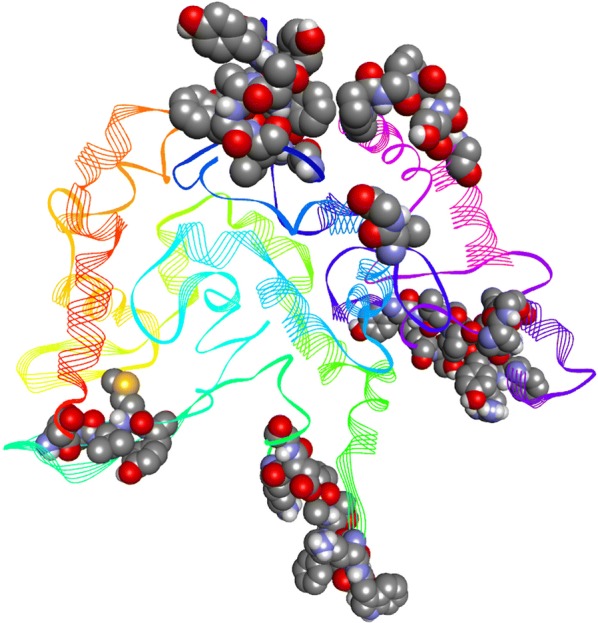
By using an immunoinformatic approach, CD4+ and CD8+ T cell-specific epitopes from experimentally reported L. donovani proteins having secretory potential and increased abundance in amastigotes were screened. A chimera linked with a Toll-like receptor 4 (TLR4) peptide adjuvant was constructed and evaluated for physicochemical characteristics, binding interaction with TLR4 in simulated physiological condition and the trend of immune response following hypothetical immunization.
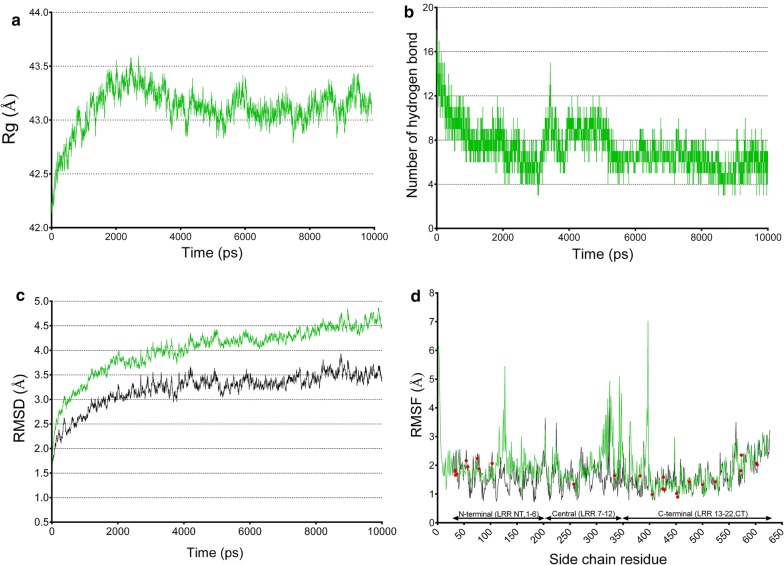
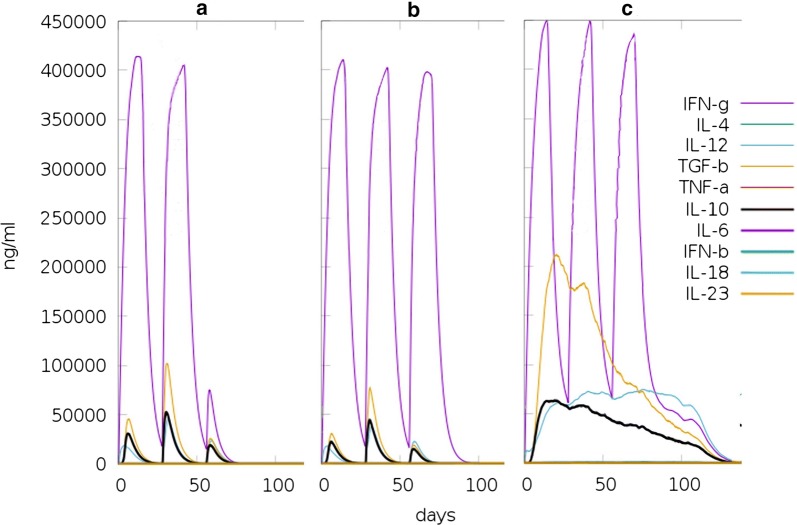
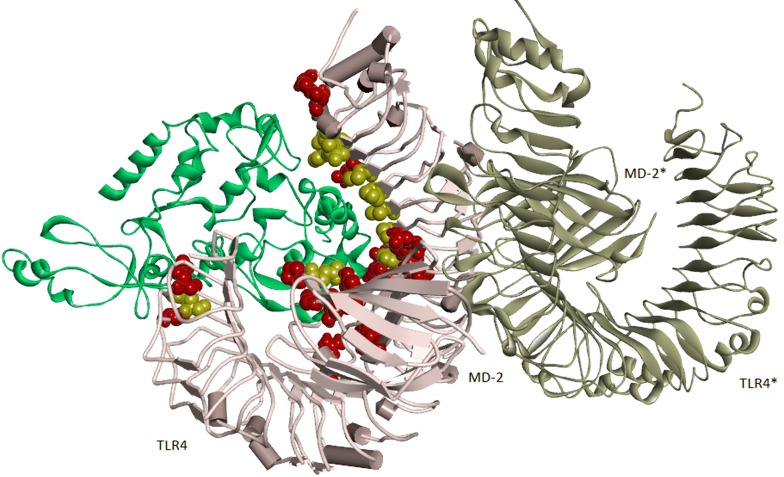
Selected epitopes from physiologically important L. donovani proteins were found mostly conserved in L. infantum, covering theoretically more than 98% of the global population. The multi-epitope chimeric vaccine was predicted as stable, antigenic and non-allergenic. Structural analysis of vaccine-TLR4 receptor docked complex and its molecular dynamics simulation suggest sufficiently stable binding interface along with prospect of non-canonical receptor activation. Simulation dynamics of immune response following hypothetical immunization indicate active and memory B as well as CD4+ T cell generation potential, and likely chance of a more Th1 polarized response.
The methodological approach and results from this study could facilitate more informed screening and selection of candidate antigenic proteins for entry into vaccine production pipeline in future to control human VL.
由二态利什曼原虫引起的内脏利什曼病(VL)是一种寄生虫病,在全球流行地区具有很高的社会经济负担。在没有预防性疫苗的情况下,全球需要保持适当和流行的免疫发展来控制 VL。筛选传播形式的人类疾病的利什曼原虫(无鞭毛体)的实验蛋白质组对于计算机挖掘新型疫苗候选物更为务实。
通过使用免疫信息学方法,从具有分泌潜力和在无鞭毛体中丰度增加的实验报道的 L. donovani 蛋白中筛选出 CD4+和 CD8+T 细胞特异性表位。构建了一种与 Toll 样受体 4(TLR4)肽佐剂相连的嵌合体,并对其理化特性、在模拟生理条件下与 TLR4 的结合相互作用以及假设免疫后的免疫反应趋势进行了评估。
从生理上重要的 L. donovani 蛋白中选择的表位在 L. infantum 中大多保守,理论上覆盖了全球超过 98%的人口。多表位嵌合疫苗被预测为稳定、抗原和非变应原性。疫苗-TLR4 受体对接复合物的结构分析及其分子动力学模拟表明,结合界面足够稳定,具有非典型受体激活的前景。假设免疫后的免疫反应模拟动力学表明,具有潜在的活性和记忆 B 以及 CD4+T 细胞生成能力,并且可能会产生更偏向 Th1 的反应。
本研究中的方法学方法和结果可以促进更明智地筛选和选择候选抗原蛋白,以便将来进入疫苗生产管道来控制人类 VL。