Pappalardo Helena Domenica, Toscano Valeria, Puglia Giuseppe Diego, Genovese Claudia, Raccuia Salvatore Antonino
Consiglio Nazionale delle Ricerche-Istituto per i Sistemi Agricoli e Forestali del Mediterraneo, Catania, Italy.
Front Plant Sci. 2020 Mar 31;11:240. doi: 10.3389/fpls.2020.00240. eCollection 2020.
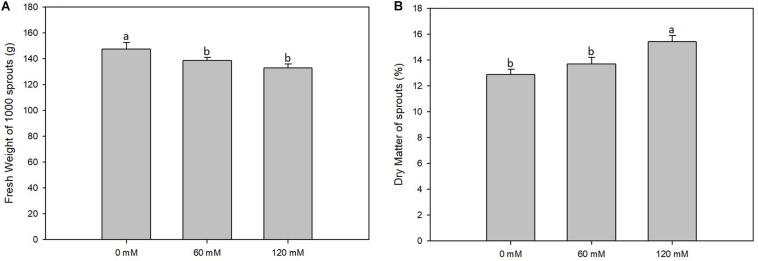
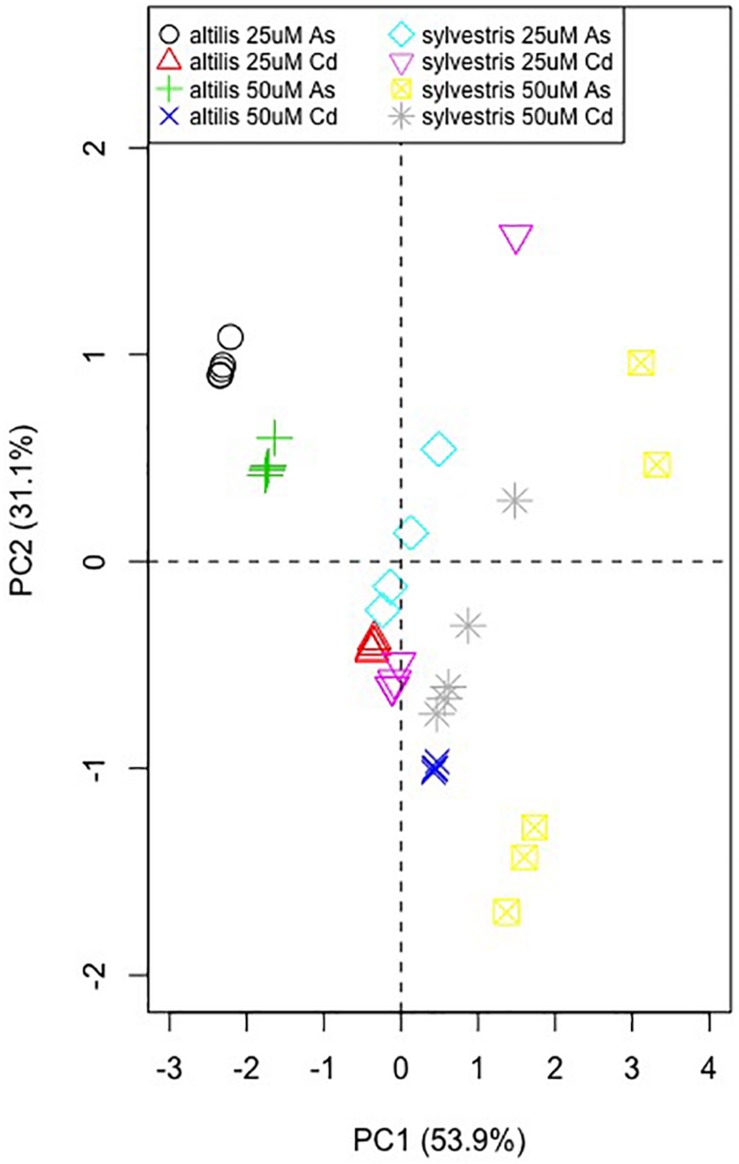
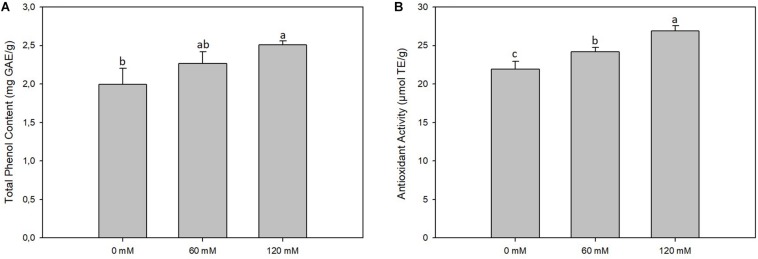
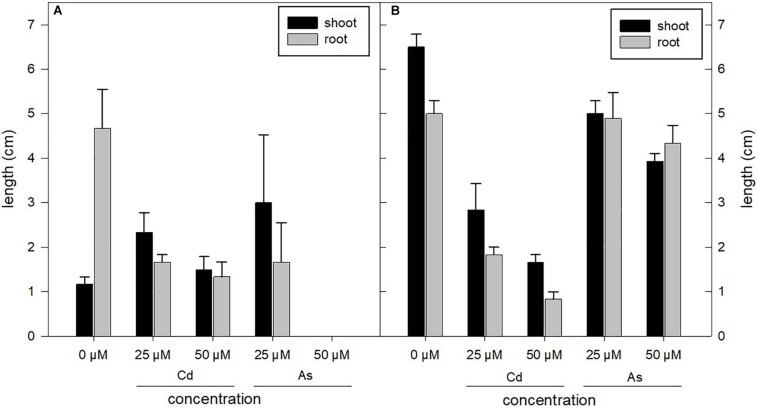
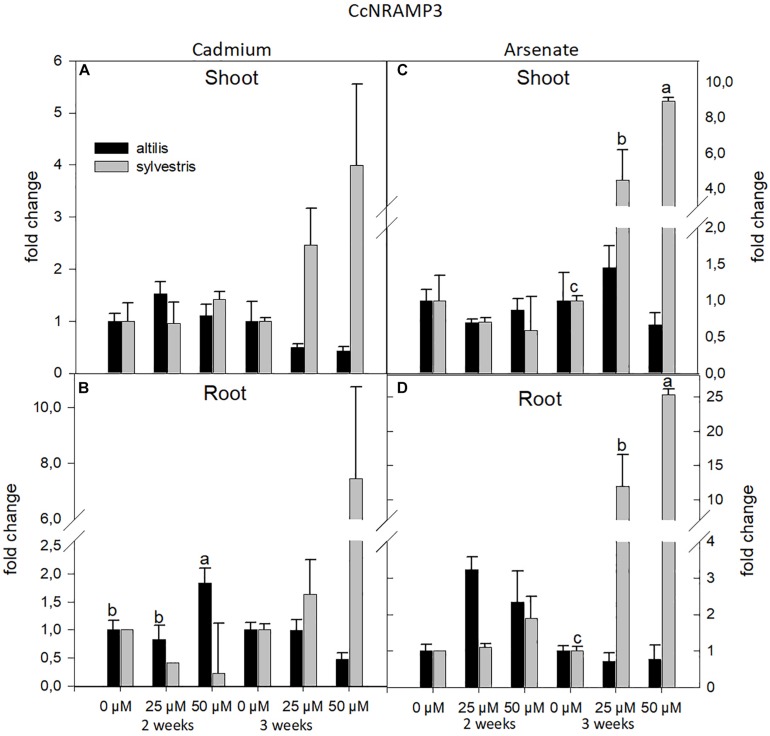
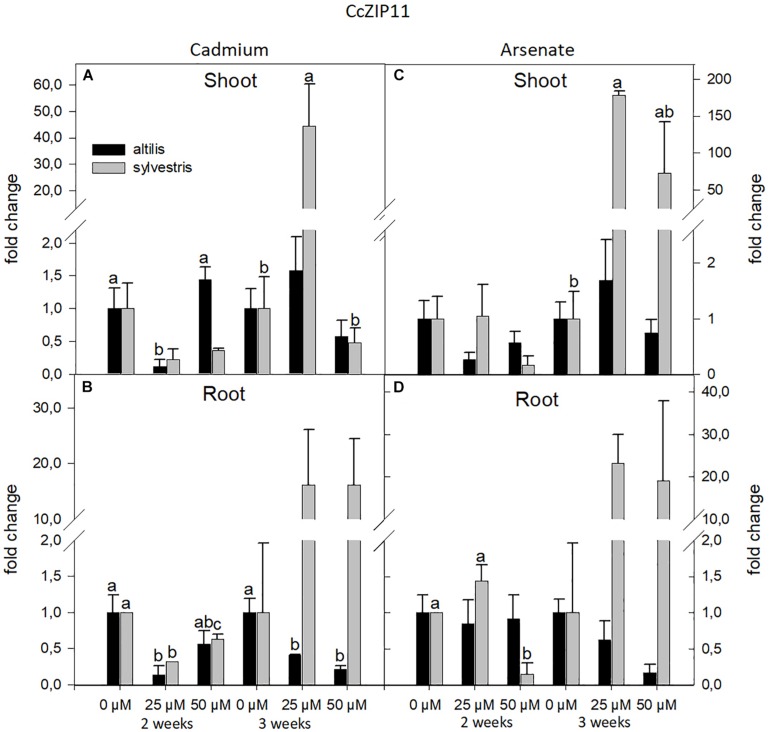
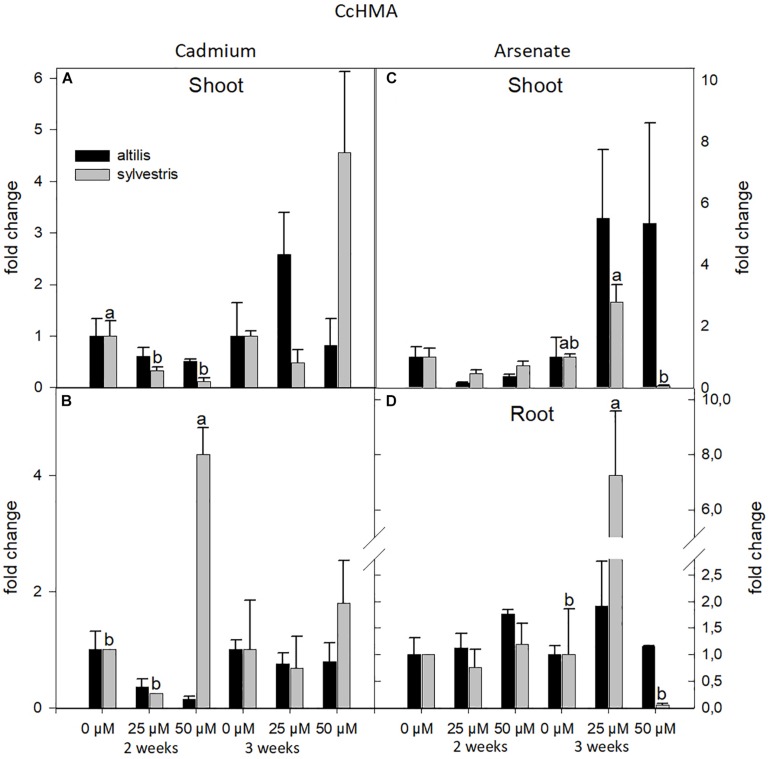
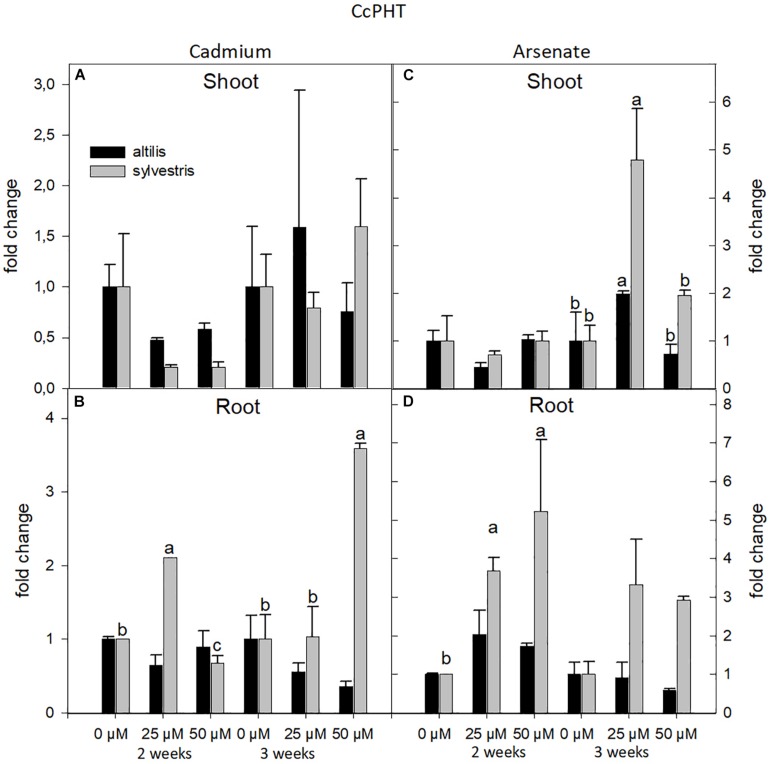
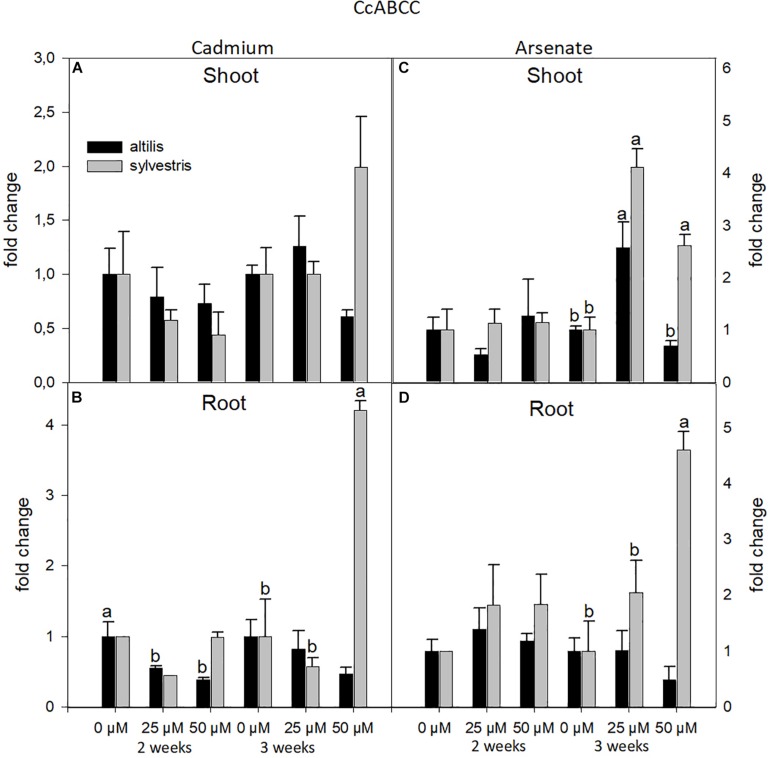
Cardoon ( L.) is a Mediterranean crop, member of the Asteraceae family, characterized by high production of biomass and secondary metabolites and by a good adaptation to climate change, usable in green chemistry, nutraceutical, and pharmaceutical sectors. Recent studies demonstrated the ability of cardoon to grow up in a stressful environment, which is associated with enhanced biosynthesis of biologically active compounds in these plants, and this effect is increased by abiotic stresses (salt, heat, pollution, and drought stress) that characterize many world marginal areas, affected by the climate changes. The plant response to these stresses consists in implementing different processes that modify some plant biological functions, such as alleviating both cellular hyperosmolarity and ion disequilibrium or synthesizing antioxidant molecules. The aim of this work was to investigate different cardoon response mechanisms to abiotic stresses and to evaluate their influence on the biologically active compounds biosynthesis. Following this purpose, we analyzed the ability of cardoon seeds to germinate under different salt stress conditions, and on the sprouts obtained, we measured the total phenol content and the antioxidant activity. Moreover, the growth of cardoon seedlings grown under heavy metals stress conditions was monitored, and the expression levels of heavy metal transport-associated genes were analyzed. The results showed the ability of cardoon plants to tolerate abiotic stress, thanks to different defense mechanisms and the possibility to obtain biomass with high content of biologically active molecules by exploiting the natural tolerance of this species for abiotic stresses. Moreover, we identified some important genes encoding for metal transportation that may be involved in arsenic and cadmium uptake and translocation in . Then, this species can be considered as a promising crop for green chemistry and energy in marginal lands.
刺菜蓟(Cynara cardunculus L.)是一种地中海作物,属于菊科,其特点是生物量和次生代谢产物产量高,对气候变化适应性良好,可用于绿色化学、营养保健品和制药领域。最近的研究表明,刺菜蓟能够在胁迫环境中生长,这与这些植物中生物活性化合物生物合成的增强有关,而许多受气候变化影响的世界边缘地区所特有的非生物胁迫(盐、热、污染和干旱胁迫)会增强这种效应。植物对这些胁迫的反应包括实施不同的过程,这些过程会改变一些植物生物学功能,例如减轻细胞高渗性和离子失衡或合成抗氧化分子。这项工作的目的是研究刺菜蓟对非生物胁迫的不同反应机制,并评估它们对生物活性化合物生物合成的影响。为此,我们分析了刺菜蓟种子在不同盐胁迫条件下的发芽能力,并对获得的芽苗菜测量了总酚含量和抗氧化活性。此外,监测了在重金属胁迫条件下生长的刺菜蓟幼苗的生长情况,并分析了重金属运输相关基因的表达水平。结果表明,刺菜蓟植物具有耐受非生物胁迫的能力,这得益于不同的防御机制,并且通过利用该物种对非生物胁迫的天然耐受性,有可能获得生物活性分子含量高的生物量。此外,我们鉴定了一些编码金属转运的重要基因,这些基因可能参与了刺菜蓟中砷和镉的吸收和转运。因此,该物种可被视为边缘土地上绿色化学和能源方面有前景的作物。