Gates Stephen, Sager Brain, Khazzam Michael
Department of Orthopaedic Surgery, Shoulder Service, University of Texas Southwestern Medical Center, Dallas, Texas, USA.
EFORT Open Rev. 2020 Mar 2;5(3):126-137. doi: 10.1302/2058-5241.5.190011. eCollection 2020 Mar.
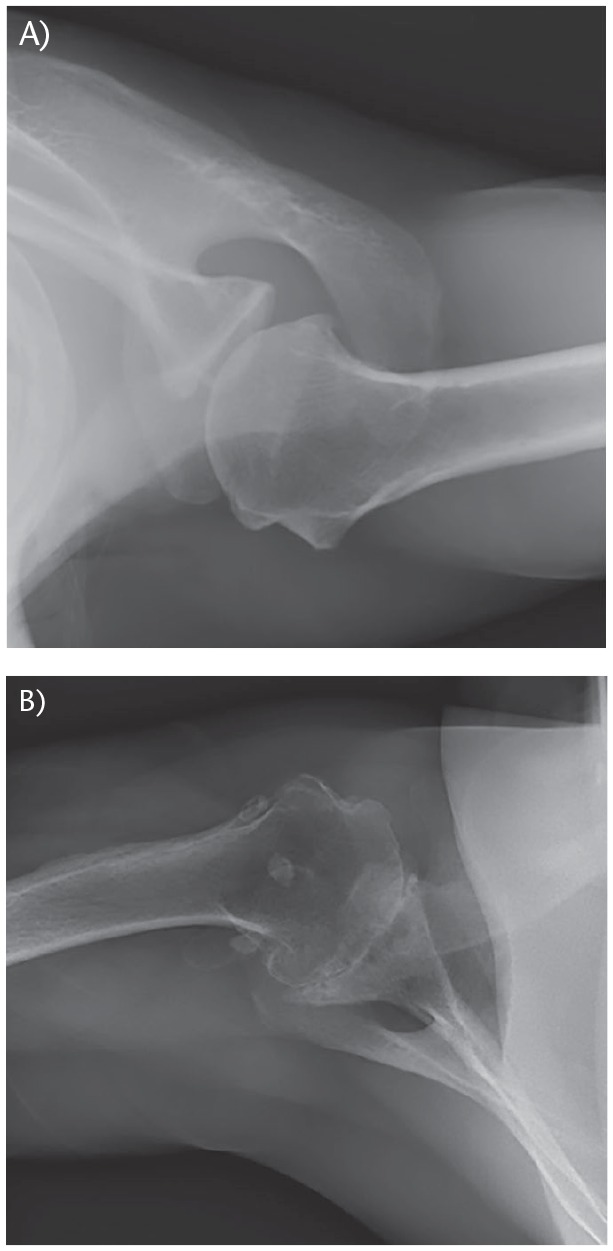
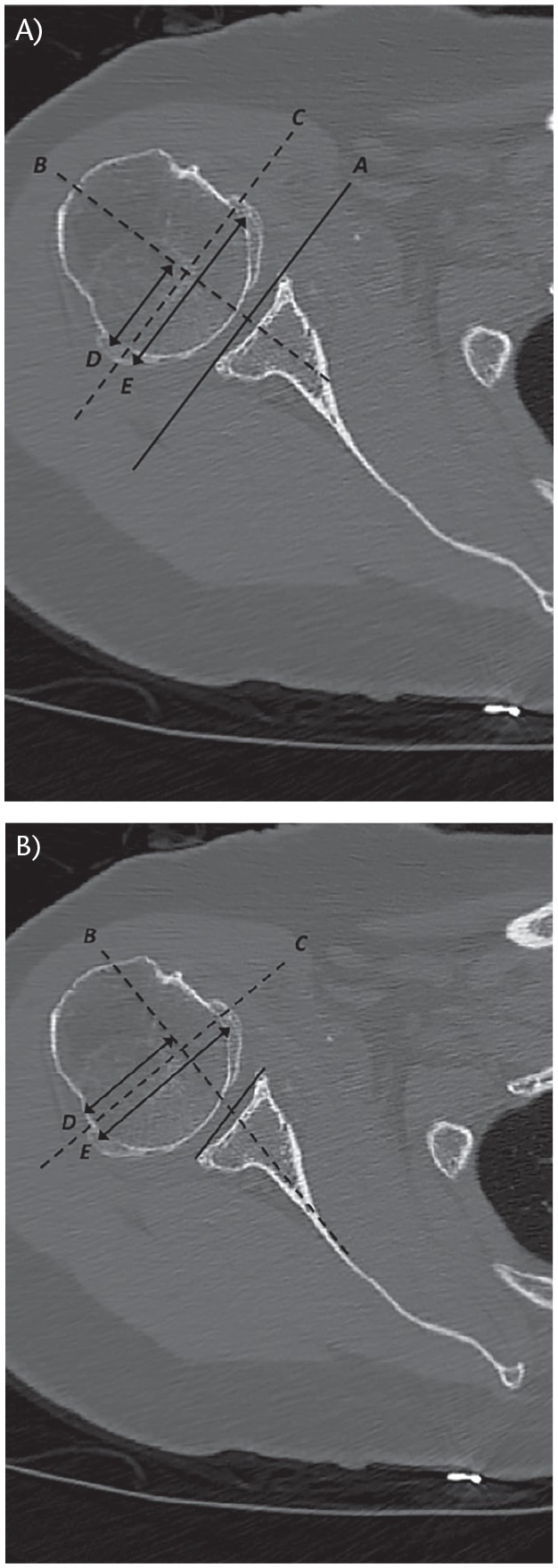
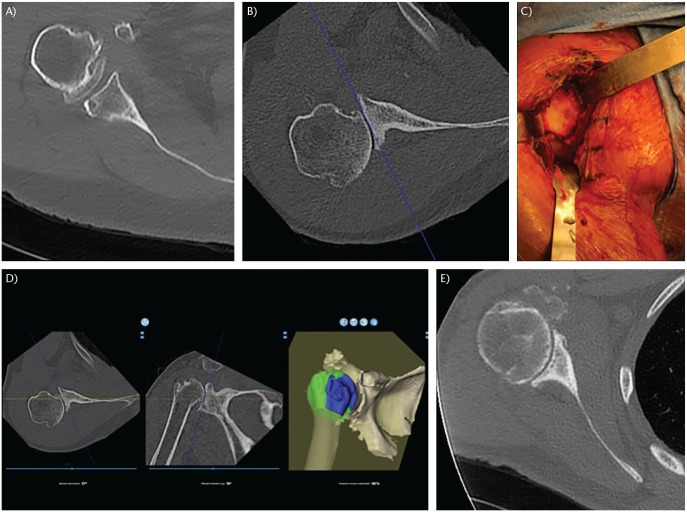
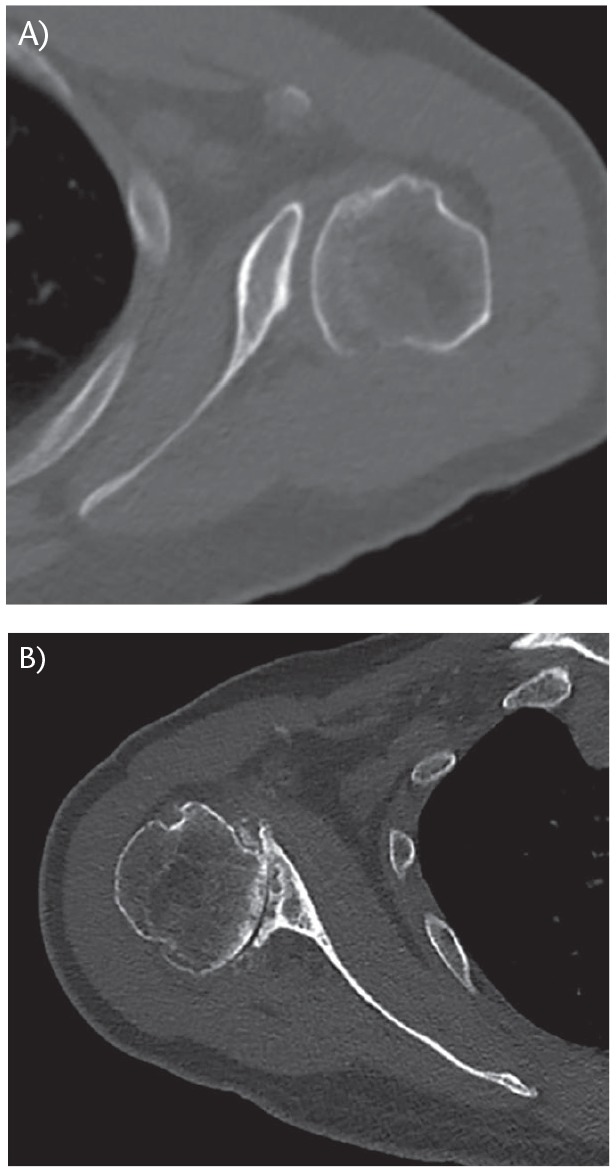
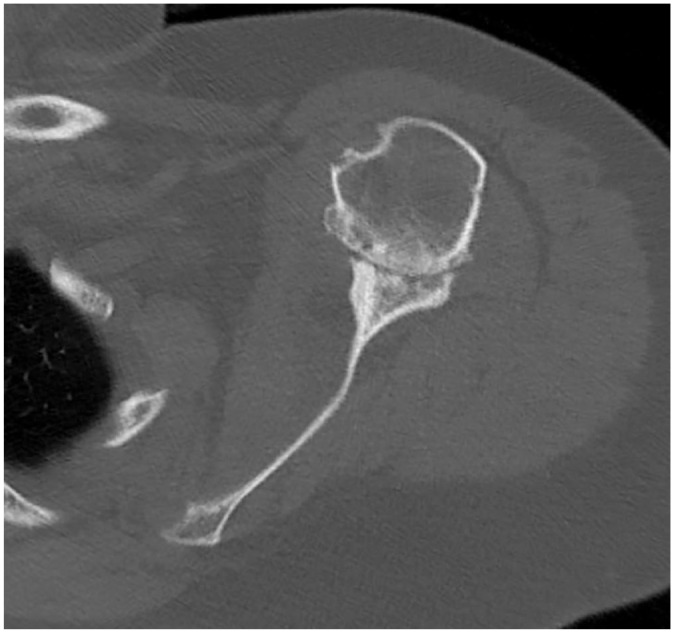
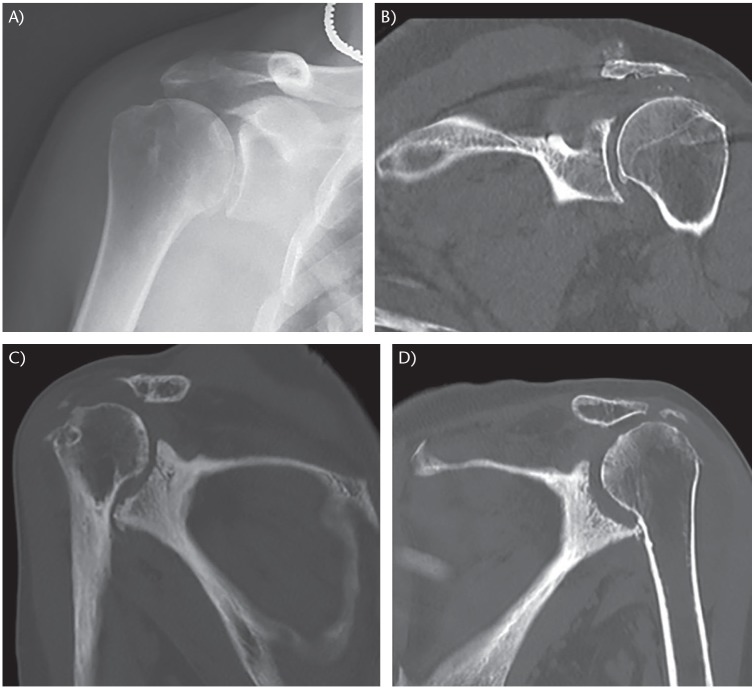
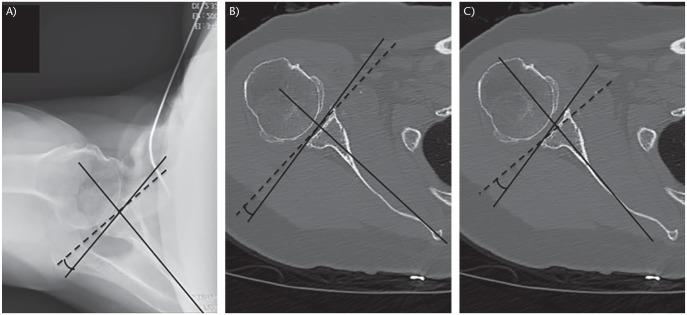
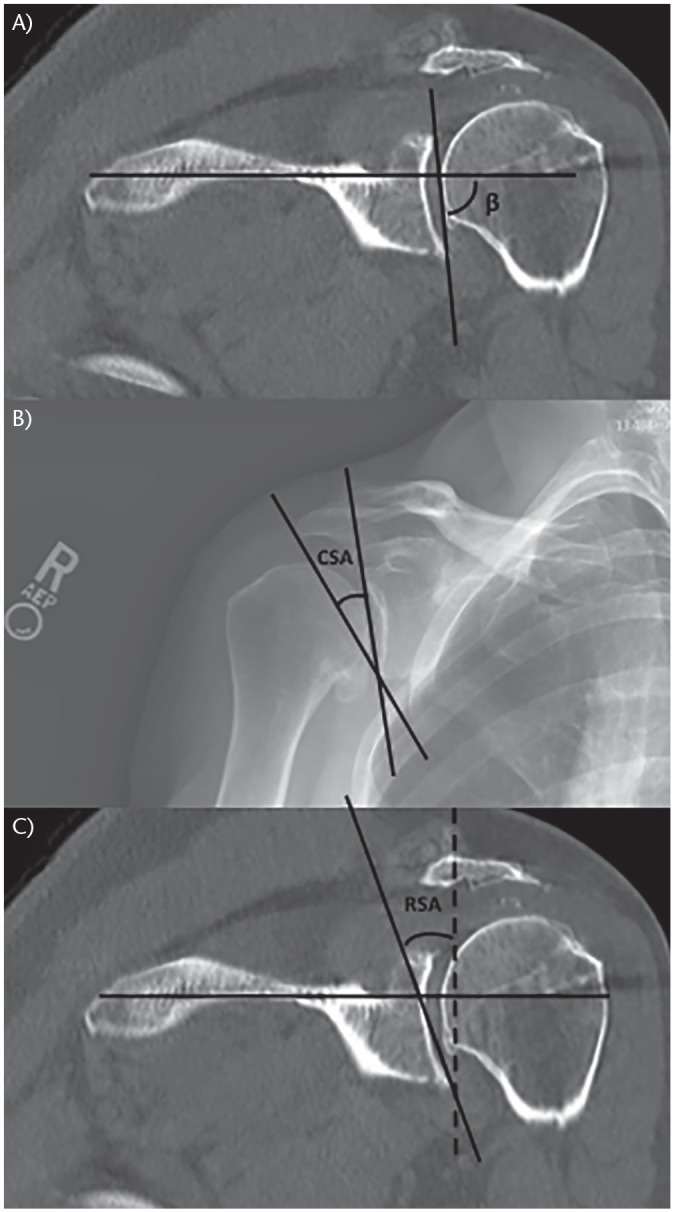
Preoperative assessment of the glenoid in the setting of shoulder arthroplasty is critical to account for variations in glenoid morphology, wear, version, inclination, and glenohumeral subluxation.Three-dimensional computed tomography (3D CT) scan assessment of the morphology of glenoid erosion allows for a more accurate surgical decision-making process to correct deformity and restore the joint line.Newer technology has brought forth computer-assisted software for glenoid planning in shoulder arthroplasty and patient-specific instrumentation.There have been promising early findings, although further evaluation is needed to determine how this technology impacts implant survivorship, function, and patient-reported outcomes. Cite this article: 2020;5:126-137. DOI: 10.1302/2058-5241.5.190011.
在肩关节置换术中,术前评估肩胛盂对于了解肩胛盂形态、磨损、旋转、倾斜以及肱盂半脱位的变化至关重要。三维计算机断层扫描(3D CT)扫描评估肩胛盂侵蚀形态有助于更准确地进行手术决策,以纠正畸形并恢复关节线。新技术带来了用于肩关节置换术中肩胛盂规划和患者特异性器械的计算机辅助软件。尽管需要进一步评估以确定该技术如何影响植入物的生存率、功能和患者报告的结果,但已有一些早期的阳性发现。引用本文:2020;5:126 - 137。DOI:10.1302/2058 - 5241.5.190011。