Department of Clinical Immunology Center, The Third Affiliated Hospital of Sun Yat-sen University, Guangzhou 510630, China; Department of Spine Surgery, The Third Affiliated Hospital of Sun Yat-sen University, Guangzhou 510630, China.
Department of Clinical Immunology Center, The Third Affiliated Hospital of Sun Yat-sen University, Guangzhou 510630, China.
Mol Ther. 2020 Jun 3;28(6):1518-1532. doi: 10.1016/j.ymthe.2020.04.003. Epub 2020 Apr 11.
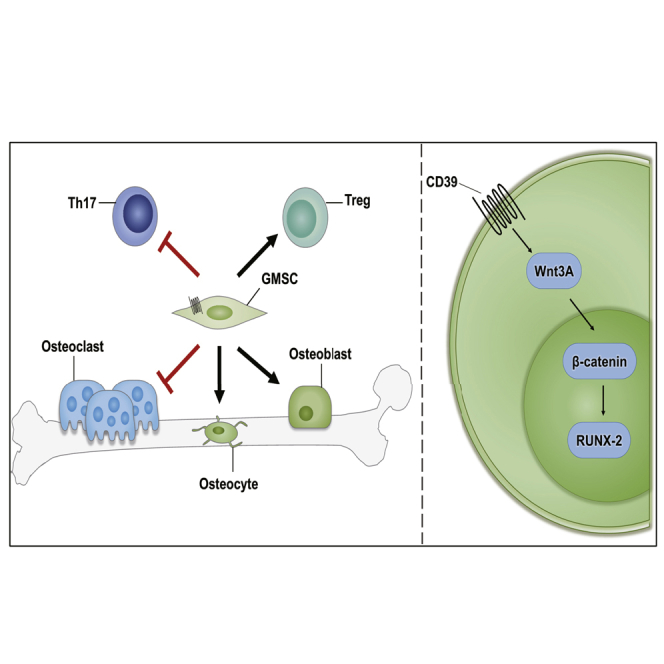
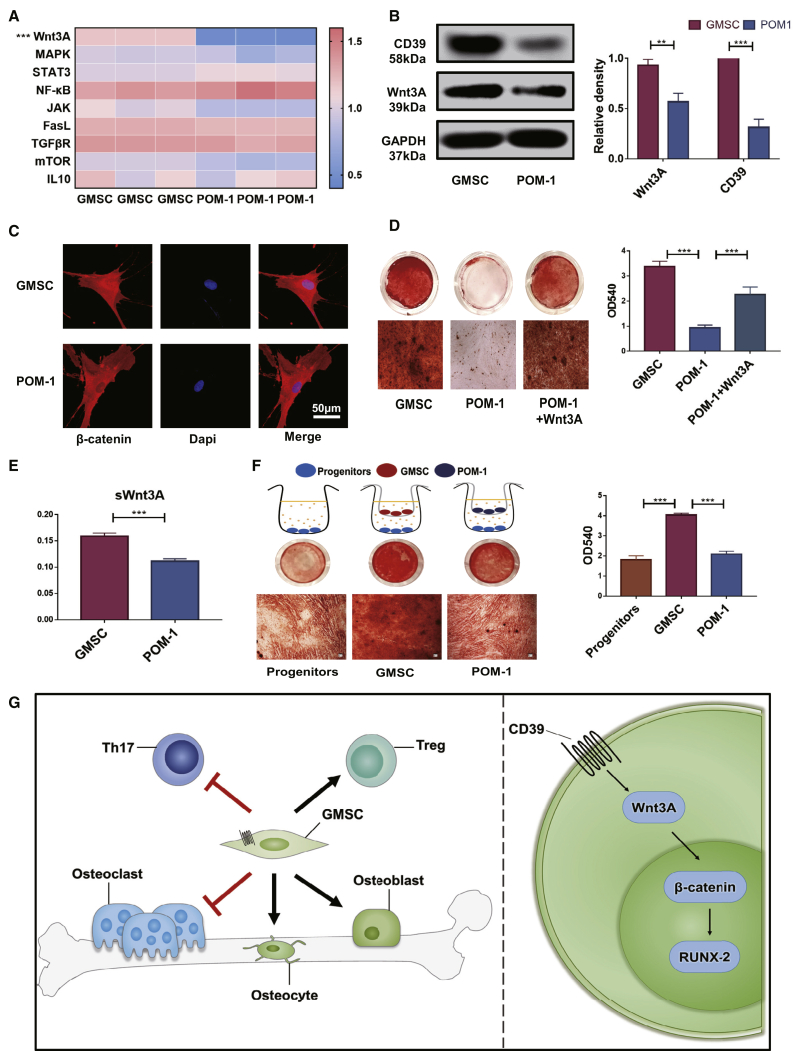
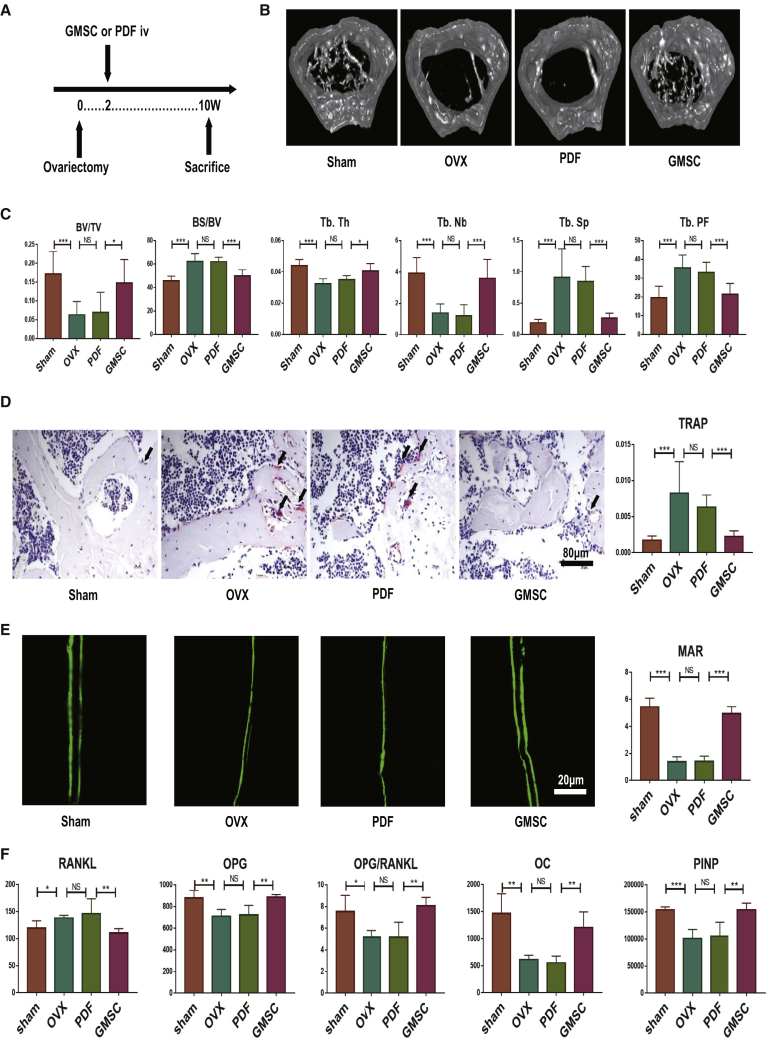
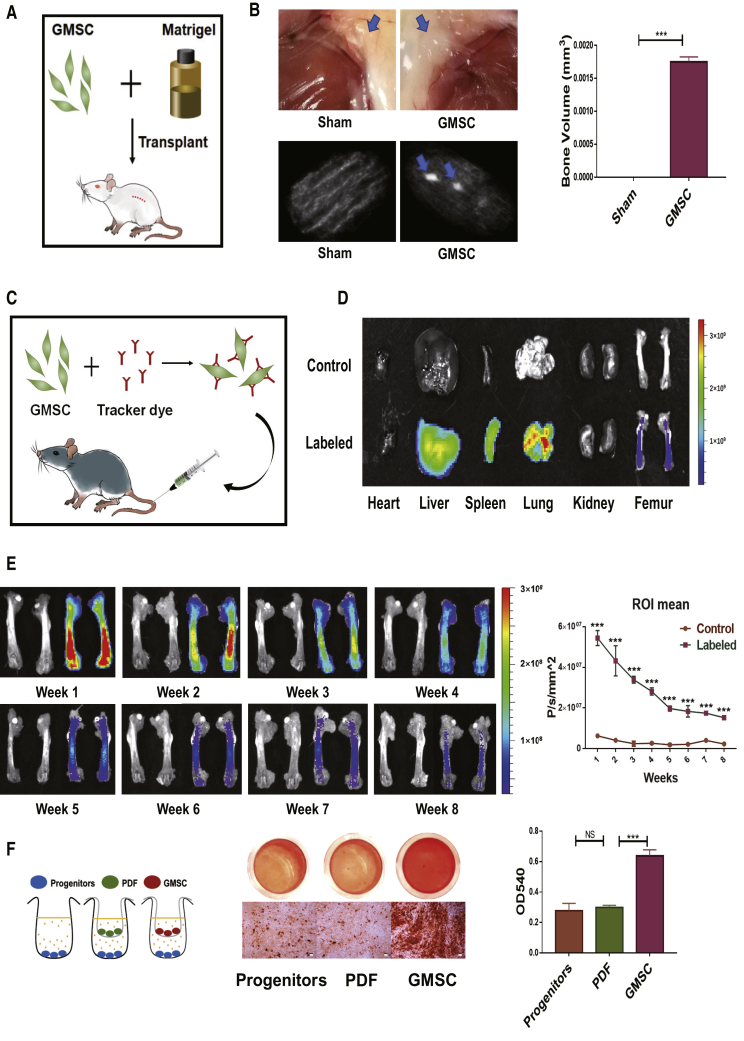
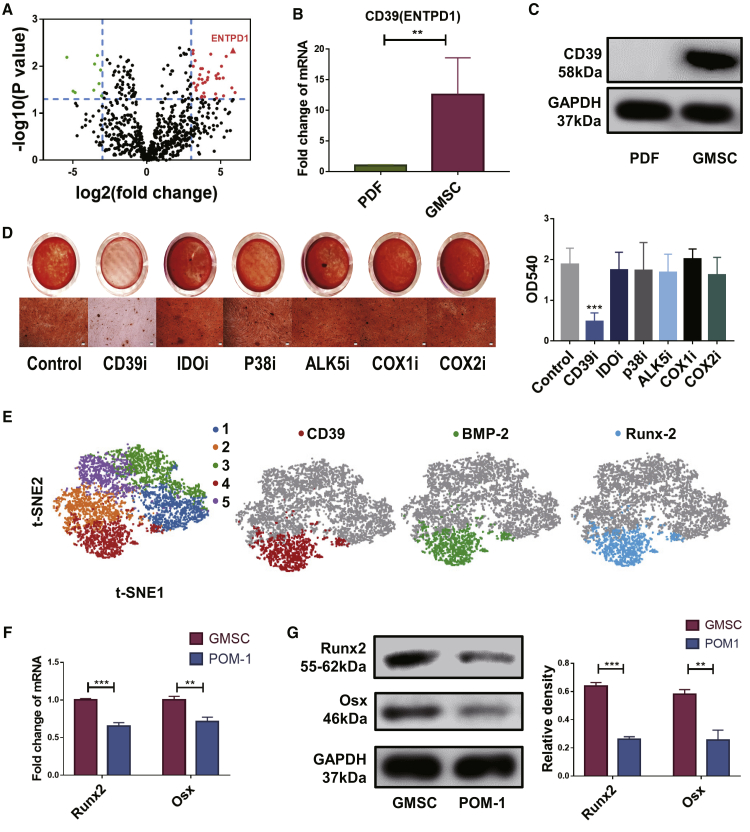
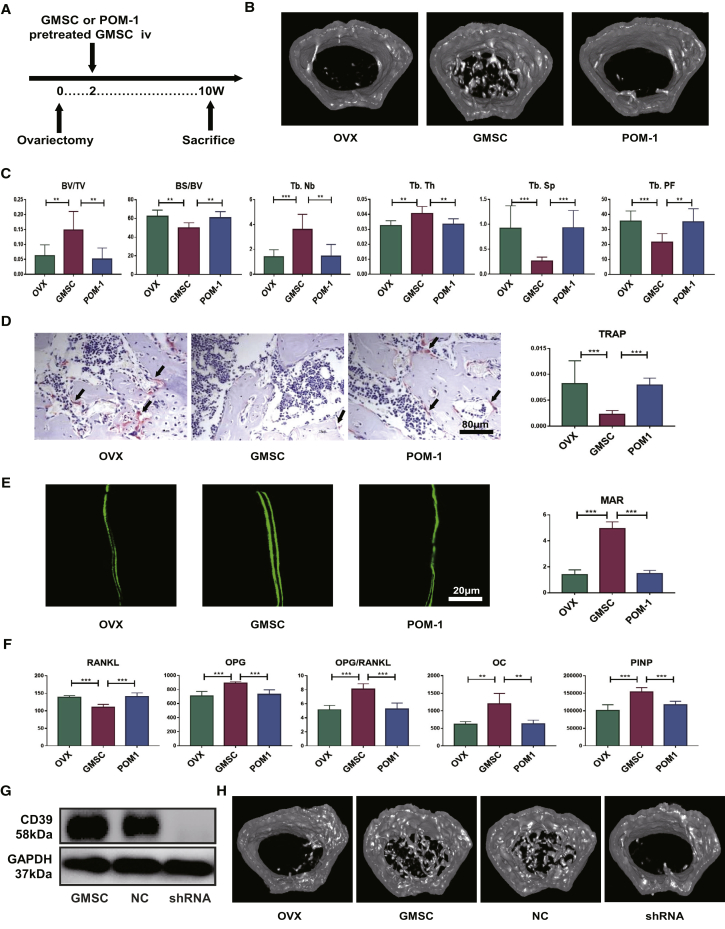
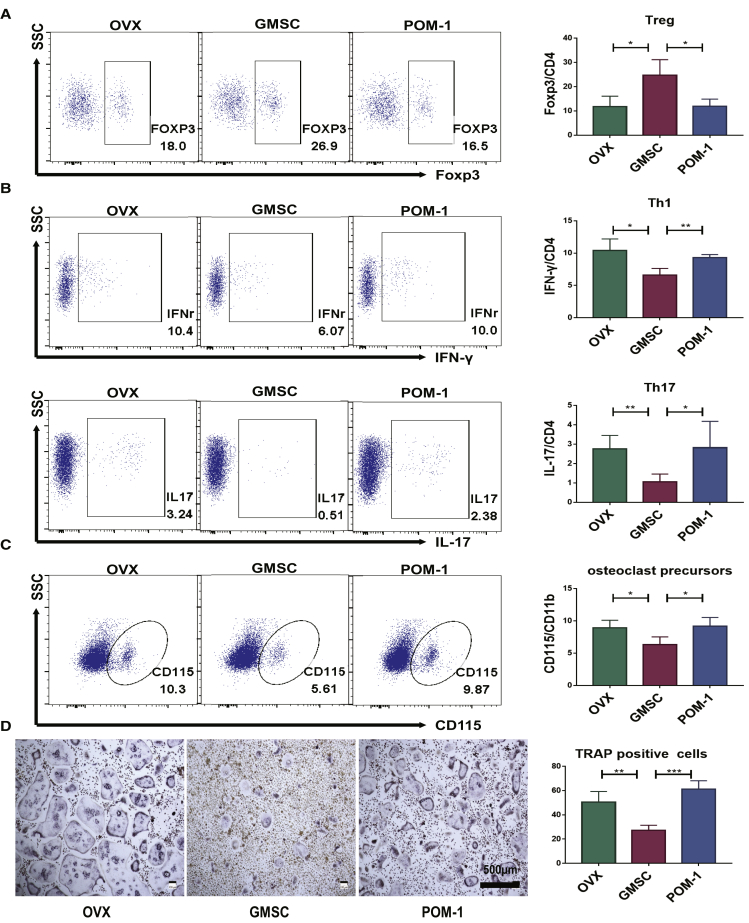
Osteoporosis is a disease in which the density and quality of bone are reduced, causing bones to become weak and so brittle that a fall or even mild stresses can cause a fracture. Current drug treatment consists mainly of antiresorptive agents that are unable to stimulate new bone formation. Our recent studies have defined a critical role of gingiva-derived mesenchymal stem cells (GMSCs) in attenuating autoimmune arthritis through inhibition of osteoclast formation and activities, but it remains to be ruled out whether the administration of GMSCs to patients with osteoporosis could also regulate osteoblasts and eventually affect bone formation and protection. With the use of an ovariectomized mouse model, we here demonstrated that adoptive transfer of GMSCs regulated the balance of osteoclasts and osteoblasts, eventually contributing to dynamic bone formation. Validation by RNA sequencing (RNA-seq), single-cell sequencing, revealed a unique population of CD39 GMSC that plays an important role in promoting bone formation. We further demonstrated that CD39 produced from GMSC exerted its osteogenic capacity through the Wnt/β-catenin pathway. Our results not only establish a previously unidentified role and mechanism of GMSC for bone promotion but also a potential therapeutic target for management of patients with osteoporosis and other bone loss conditions.
骨质疏松症是一种骨骼密度和质量降低的疾病,使骨骼变得脆弱,以至于跌倒甚至轻微的压力都可能导致骨折。目前的药物治疗主要包括抗吸收剂,它们无法刺激新骨形成。我们最近的研究定义了牙龈间充质干细胞(GMSC)在通过抑制破骨细胞形成和活性来减轻自身免疫性关节炎方面的关键作用,但仍需要排除向骨质疏松症患者给予 GMSC 是否也可以调节成骨细胞,最终影响骨形成和保护。我们使用去卵巢小鼠模型,在此证明了 GMSC 的过继转移调节了破骨细胞和成骨细胞的平衡,最终有助于动态骨形成。通过 RNA 测序(RNA-seq)、单细胞测序进行验证,揭示了一种独特的 CD39+GMSC 群体,它在促进骨形成中发挥重要作用。我们进一步证明,GMSC 产生的 CD39 通过 Wnt/β-catenin 通路发挥其成骨能力。我们的研究结果不仅为 GMSC 促进骨骼的作用和机制提供了一个先前未被识别的作用和机制,也为骨质疏松症和其他骨质流失疾病患者的管理提供了一个潜在的治疗靶点。