,.
Invest Ophthalmol Vis Sci. 2020 Apr 9;61(4):25. doi: 10.1167/iovs.61.4.25.
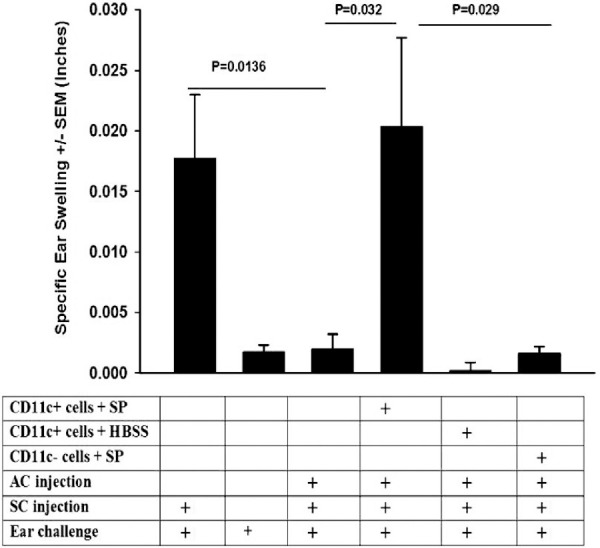
Severing corneal nerves during orthotopic corneal transplantation elicits the elaboration of the neuropeptide substance P (SP), which induces the generation of CD11c+ contrasuppressor (CS) cells. CS cells disable T regulatory cells (Tregs) that are induced when antigens enter the anterior chamber (AC), either by direct injection or by orthotopic corneal transplantation. This study examined the crucial cell surface molecules on Tregs that are adversely affected by CS cells that are generated by severing corneal nerves.
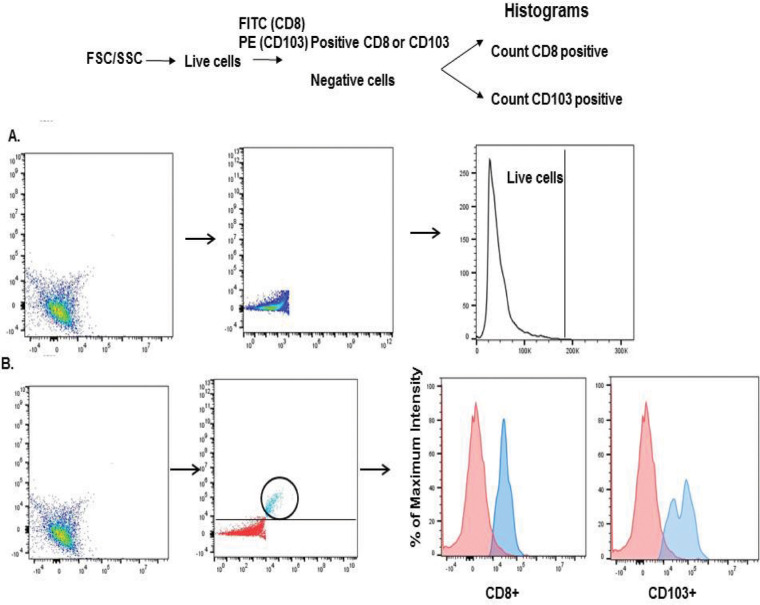
CS cells were induced by producing shallow 2.0-mm circular incisions in the corneal epithelium in BALB/c mice. CD8+ Tregs were generated by injecting ovalbumin into the AC. The effects of CS cells and SP on the expression and function of two cell surface molecules (CD103 and the receptor of interferon-γ) that are crucial for the induction and function of CD8+ Tregs were analyzed.
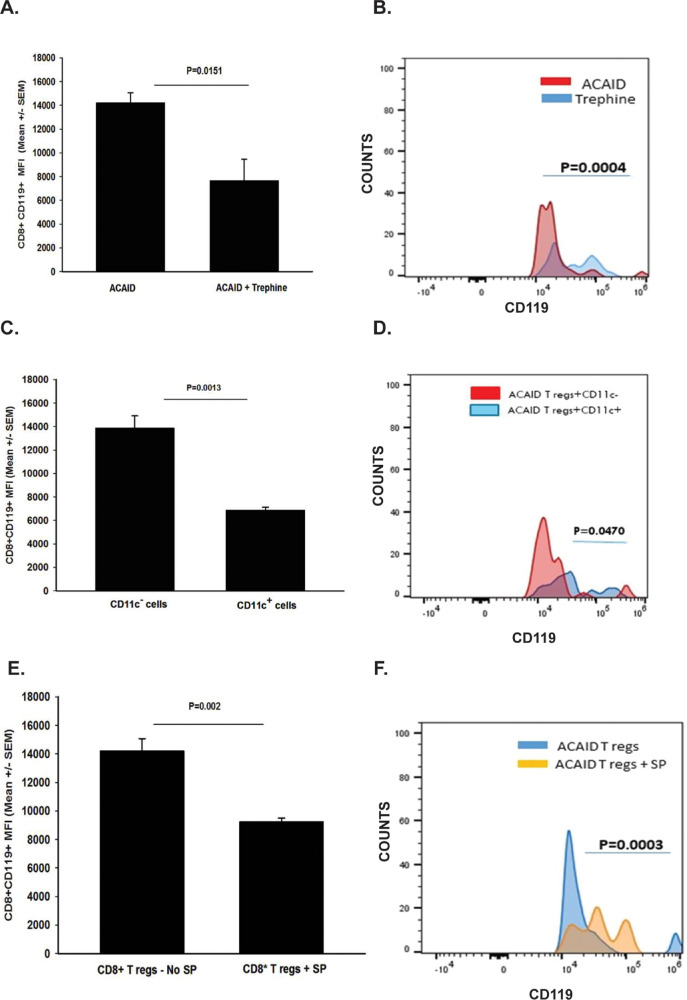
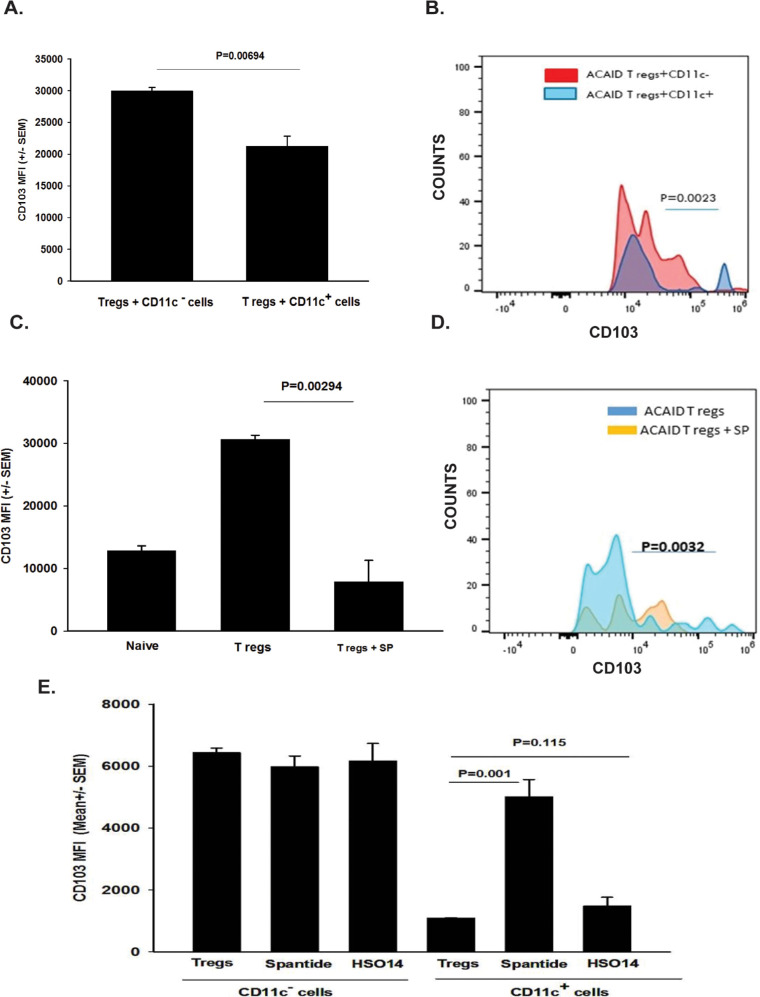
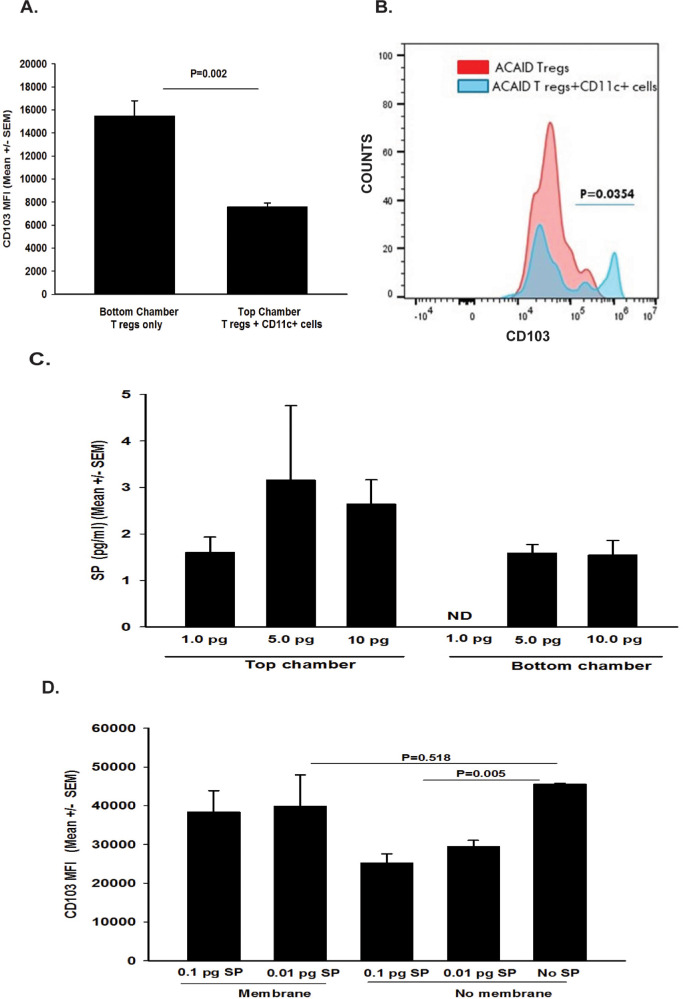
SP converted CD11c+, but not CD11c- , dendritic cells (DCs) to CS cells. Severing corneal nerves resulted in a 66% reduction in the expression of CD103 on CD8+ AC-associated immune deviation (ACAID) Tregs, and a 50% reduction in the interferon-γ receptor (IFN-γR). These effects could be mimicked in vitro by coculturing CS cells with CD8+ ACAID Tregs.
The elaboration of SP in response to corneal nerve ablation converts CD11c+ DCs to CS cells. CS cells disable CD8+ ACAID Tregs by downregulating two crucial cell surface molecules, CD103 and IFN-γR, by an SP-dependent pathway. Blocking this pathway may provide a means of restoring ocular immune privilege in corneas subjected to corneal nerve injury.
同种异体角膜移植过程中切断角膜神经会引发神经肽 P 物质(SP)的产生,从而诱导产生 CD11c+拮抗性(CS)细胞。CS 细胞会使 T 调节细胞(Tregs)失能,而 Tregs 是在抗原进入前房(AC)时被诱导产生的,无论是通过直接注射还是同种异体角膜移植。本研究检测了 CS 细胞对 Tregs 表面关键分子的影响,这些分子是由切断角膜神经产生的 CS 细胞引起的。
在 BALB/c 小鼠中,通过在角膜上皮上产生 2.0mm 浅圆形切口来诱导 CS 细胞。通过将卵清蛋白注射到 AC 中来产生 CD8+Tregs。分析 CS 细胞和 SP 对诱导和功能至关重要的两个细胞表面分子(CD103 和干扰素-γ受体)的表达和功能的影响。
SP 将 CD11c+,但不是 CD11c-,树突状细胞(DC)转化为 CS 细胞。切断角膜神经导致 CD8+AC 相关免疫偏离(ACAID)Tregs 上 CD103 的表达减少 66%,干扰素-γ受体(IFN-γR)减少 50%。体外共培养 CS 细胞和 CD8+ACAID Tregs 可以模拟这些效应。
角膜神经消融反应产生的 SP 将 CD11c+DC 转化为 CS 细胞。CS 细胞通过下调两个关键的细胞表面分子 CD103 和 IFN-γR 使 CD8+ACAID Tregs 失能,这是一种 SP 依赖性途径。阻断该途径可能为恢复角膜神经损伤后角膜的眼部免疫特权提供一种方法。