Department of Pharmacology and Vanderbilt Institute of Chemical Biology, Vanderbilt University Medical School, Nashville, TN, 37232, USA.
Laboratory of Food and Health, Research Group on Quality, Safety and Bioactivity of Plant Foods, Dept. Food Science and Technology, CEBAS-CSIC, P.O. Box 164, Murcia, Campus de Espinardo, 30100, Spain.
Mol Nutr Food Res. 2020 Jun;64(11):e2000129. doi: 10.1002/mnfr.202000129. Epub 2020 May 4.
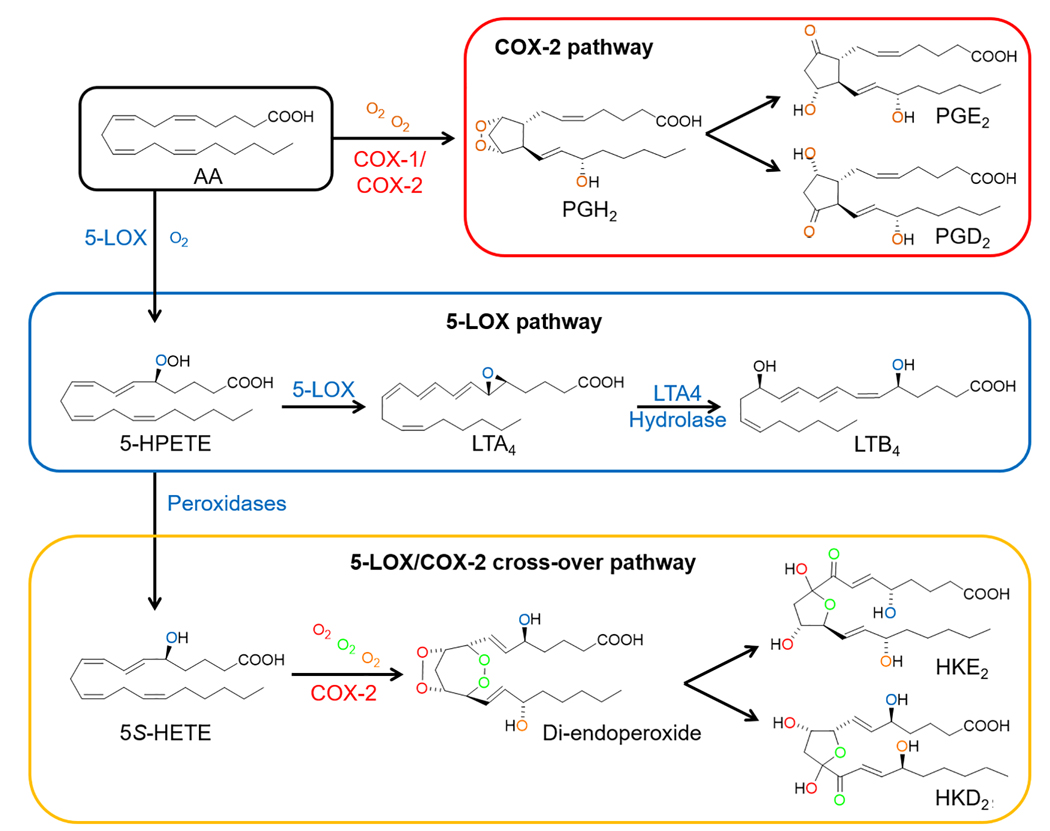
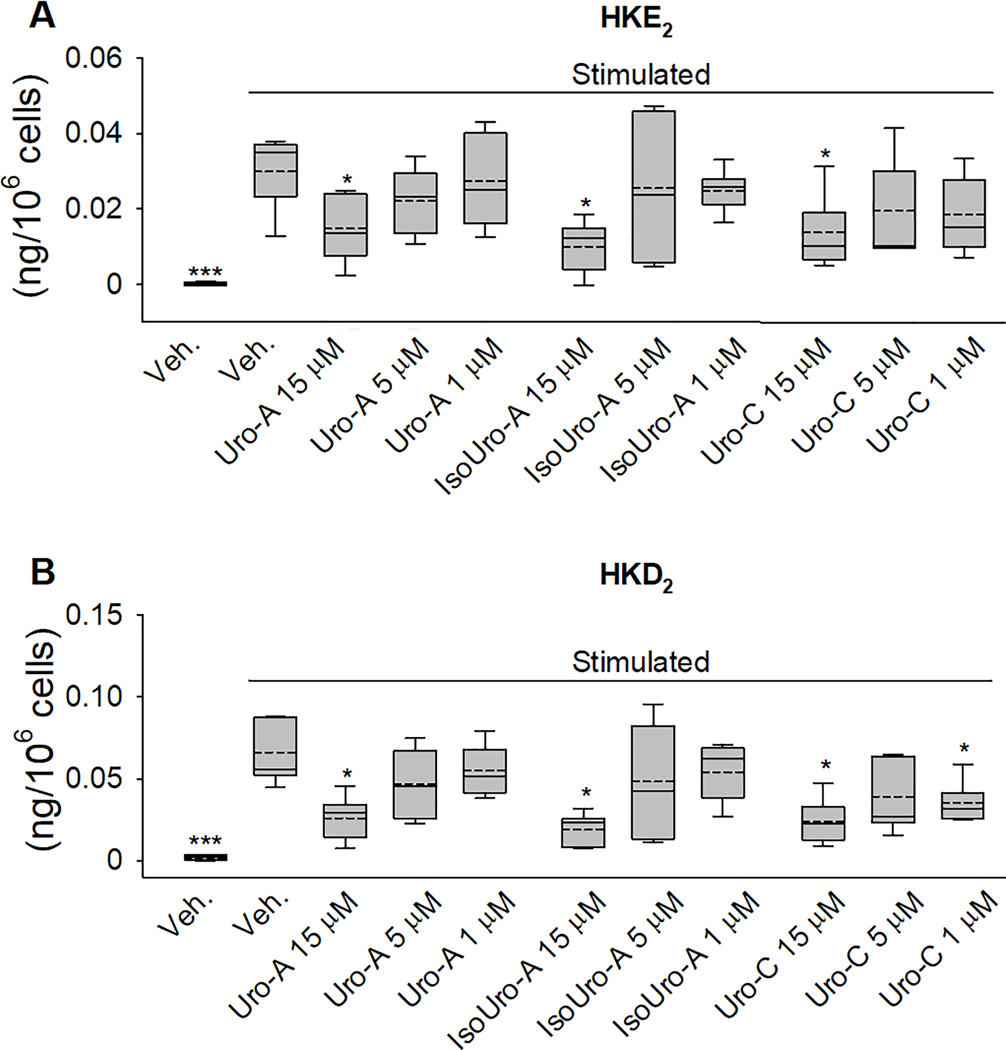
Urolithins (Uro), gut microbial metabolites derived from ellagic acid (EA), reach significant concentrations in the human colon. Uro-A exerts anti-inflammatory activity in animal models of inflammatory bowel diseases (IBDs). It is hypothesized that Uro can modulate the biosynthesis of leukocyte-derived inflammatory eicosanoids from the 5-lipoxygenase (5-LOX), cyclooxygenase-2 (COX-2), and 5-LOX/COX-2 pathways, relevant in the onset and progression of IBDs, including 5-hydroxyeicosatetraenoic acids (5-HETEs), leukotriene-B (LTB ), prostaglandin E (PGE ), and hemiketals (HKE and HKD ).
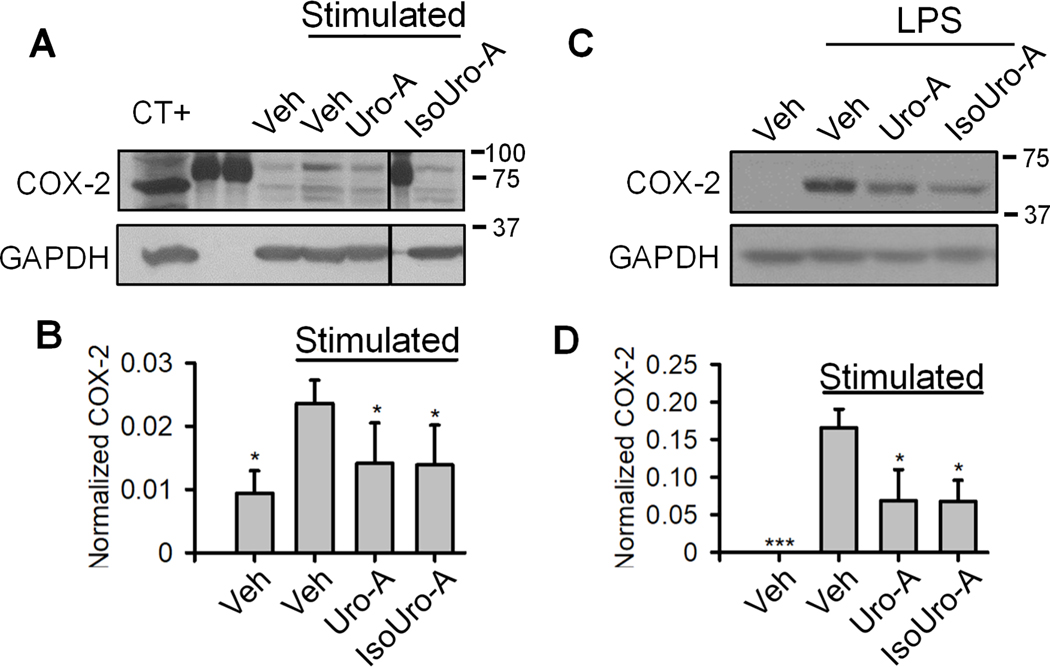
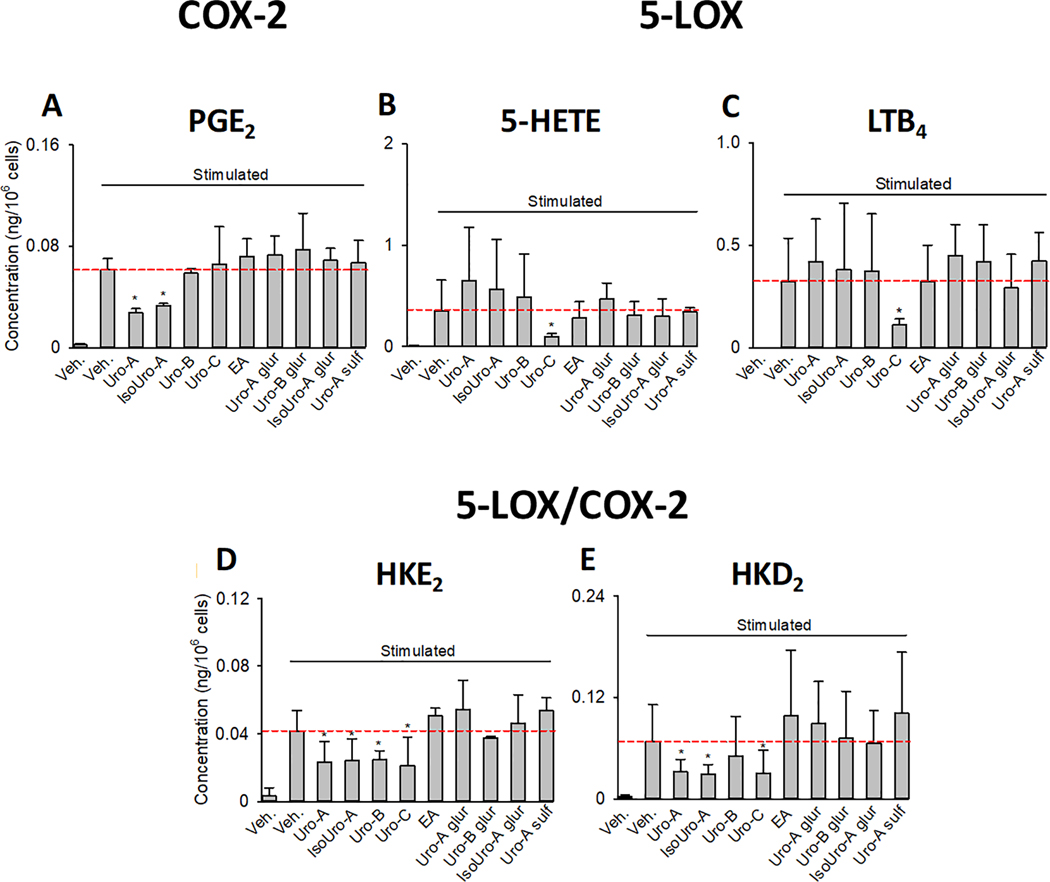
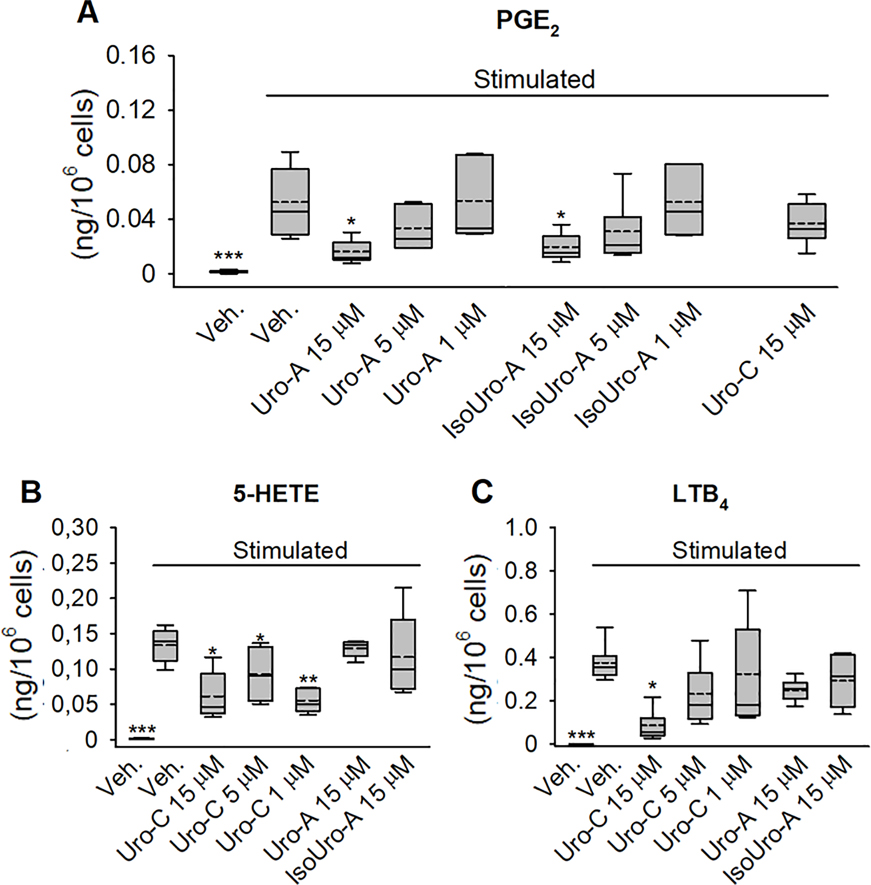
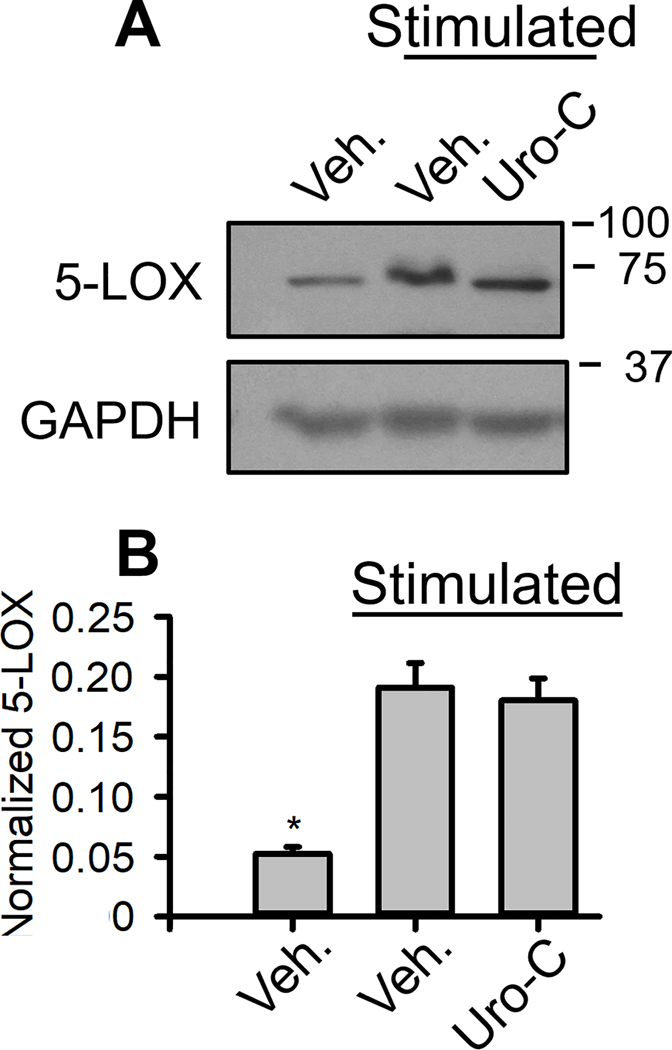
Leukocytes, obtained from six healthy donors, are stimulated with lipopolysaccharide and calcium ionophore A23187. Uro, at concentrations found in the human colon (1-15 µm), decrease eicosanoid biosynthesis and COX-2 levels in the activated leukocytes. In contrast, EA and conjugated Uro (glucuronides and sulfates) are inactive. Uro-A and isourolithin-A reduce the formation of the 5-LOX/COX-2 products HKE and HKD through the COX-2 pathway (down-regulation of COX-2 and PGE2), whereas Uro-C reduces 5-HETE and LTB via inhibition of 5-LOX.
The results show that physiologically relevant colonic Uro target eicosanoid biosynthetic pathways. The effect on HKs and LTB formation is unprecedented and expands the knowledge on anti-inflammatory mechanisms of Uro against IBDs.
来自鞣花酸(EA)的尿石素(Uro)是肠道微生物的代谢产物,在人类结肠中达到显著浓度。Uro-A 在炎症性肠病(IBD)的动物模型中具有抗炎活性。假设 Uro 可以调节白细胞衍生的炎症类二十烷酸的生物合成,从 5-脂氧合酶(5-LOX)、环氧化酶-2(COX-2)和 5-LOX/COX-2 途径,这与 IBD 的发病和进展有关,包括 5-羟二十碳四烯酸(5-HETEs)、白三烯-B(LTB)、前列腺素 E(PGE)和半缩醛(HKE 和 HKD)。
从 6 名健康供体中获得的白细胞用脂多糖和钙离子载体 A23187 刺激。在人类结肠中发现的浓度(1-15µm)的 Uro 降低了激活白细胞中的类二十烷酸生物合成和 COX-2 水平。相比之下,EA 和共轭 Uro(葡萄糖醛酸和硫酸盐)是无活性的。Uro-A 和异尿石素-A 通过 COX-2 途径(下调 COX-2 和 PGE2)减少 5-LOX/COX-2 产物 HKE 和 HKD 的形成,而 Uro-C 通过抑制 5-LOX 减少 5-HETE 和 LTB。
结果表明,生理相关的结肠 Uro 靶向类二十烷酸生物合成途径。对 HKs 和 LTB 形成的影响是前所未有的,并扩展了 Uro 对 IBD 的抗炎机制的知识。