Karimi Nasser, Kashkouli Mohsen Bahmani, Sianati Hamed, Khademi Behzad
Eye and Skull Base Research Centers, The Five Senses Institute, Iran University of Medical Sciences, Tehran, Iran.
J Ophthalmic Vis Res. 2020 Apr 6;15(2):218-235. doi: 10.18502/jovr.v15i2.6740. eCollection 2020 Apr-Jun.
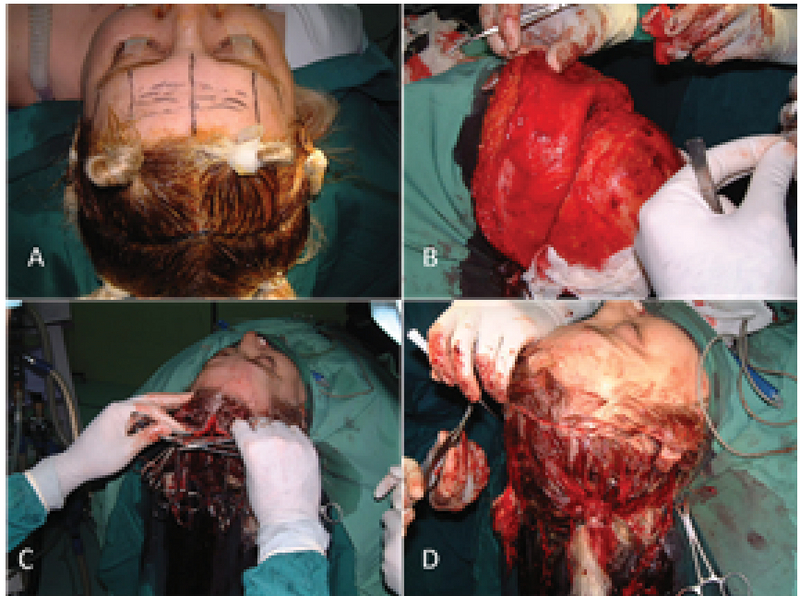
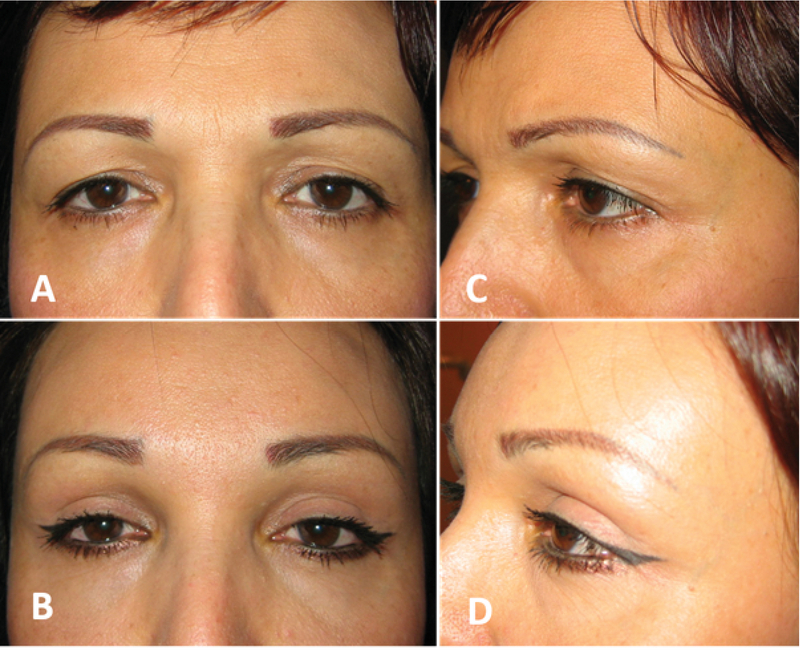
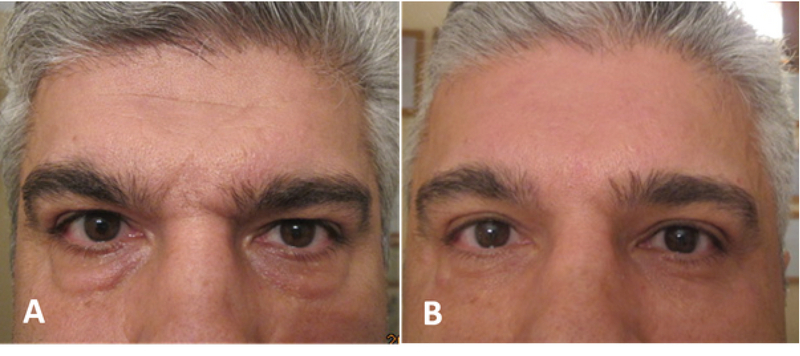
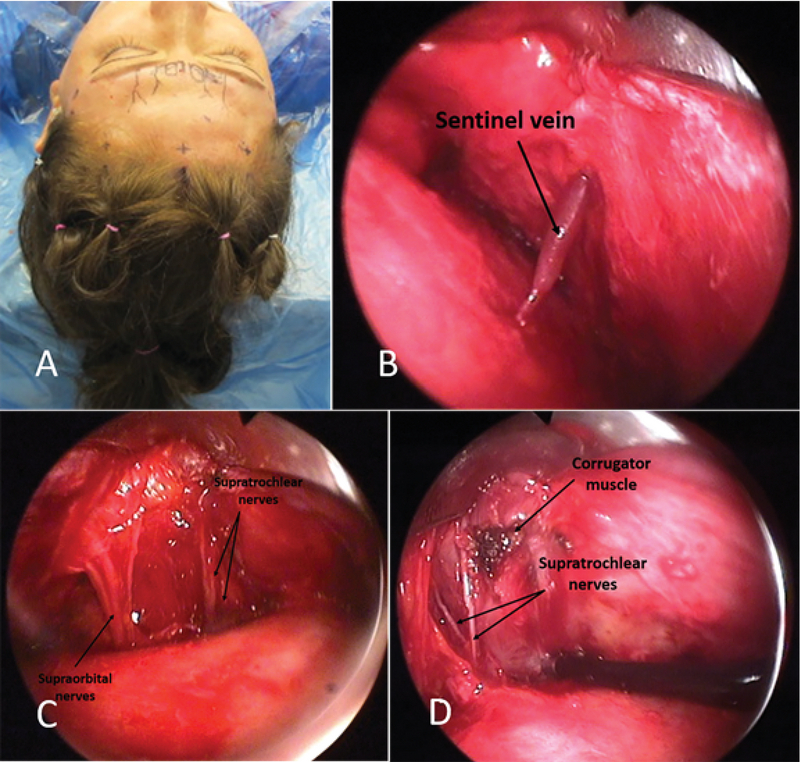
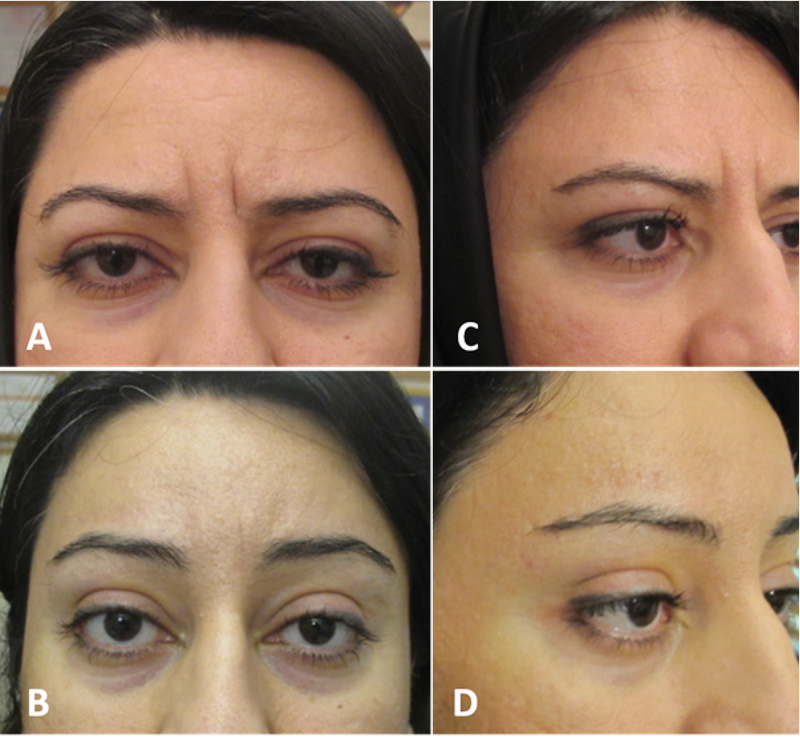
None of brow lift techniques are completely satisfactory because of their limited effectiveness, lack of longevity, and potential complications. The aim of this study was to provide a comprehensive review of the literature on the pros and cons of the most popular techniques in brow and forehead lift. Relevant original articles in the PubMed database (English language) were sought using the search terms "eyebrow lift", "forehead lift", "periorbital rejuvenation", "eyebrow ptosis", "blepharoplasty and eyebrow change", "surgical eyebrow lift", and "non-surgical eyebrow lift", No date limitation was considered. Titles and abstracts were scanned to include the most pertinent articles. Subsequently, full texts of included articles (111 articles) were skimmed and finally 56 references were selected for the review. A narrative synthesis of data was finally undertaken with particular attention to the indications, techniques, and common complications of the eyebrow lift procedures. Ten popular techniques including two non-surgical methods (Botulinum toxin A and soft tissue fillers) were reviewed in this article. In general, non-surgical methods of forehead/brow lift are temporary, need less experience and correction would be easier should any complication occur. Surgical methods are divided into three categories: trans-blepharoplasty eyebrow lift, direct eyebrow lift, and trans-forehead eyebrow/forehead lift. Currently, the most popular method is the endoscopic forehead lift approach even though its longevity is limited. Direct brow-lift is particularly useful in patients with facial palsy and those who are more likely to be accepting of the scar (male gender, high forehead hair line).
由于其效果有限、持久性不足以及潜在并发症,没有一种提眉技术能完全令人满意。本研究的目的是全面综述有关眉部和额部提升最常用技术利弊的文献。使用搜索词“提眉术”“额部提升术”“眶周年轻化”“眉下垂”“眼睑成形术与眉部改变”“手术提眉术”和“非手术提眉术”在PubMed数据库中搜索相关英文原创文章,不设日期限制。浏览标题和摘要以纳入最相关的文章。随后,浏览纳入文章(111篇文章)的全文,最终选择56篇参考文献进行综述。最后对数据进行叙述性综合分析,特别关注提眉手术的适应证、技术和常见并发症。本文综述了十种常用技术,包括两种非手术方法(A型肉毒毒素和软组织填充剂)。一般来说,额部/眉部提升的非手术方法是暂时的,所需经验较少,若出现任何并发症,矫正也更容易。手术方法分为三类:经眼睑成形术提眉、直接提眉和经额部提眉/额部提升。目前,最常用的方法是内镜下额部提升术,尽管其持久性有限。直接提眉术对面瘫患者以及更能接受瘢痕的患者(男性、发际线高)特别有用。