Zhang Huaning, Li Guoliang, Hu Dong, Zhang Yuanyuan, Zhang Yujie, Shao Hongbo, Zhao Lina, Yang Ruiping, Guo Xiulin
Plant Genetic Engineering Center of Hebei Province/Institute of Genetics and Physiology, Hebei Academy of Agriculture and Forestry Sciences, Shijiazhuang, China.
College of Life Science, Hebei Normal University, Shijiazhuang, Hebei, China.
PeerJ. 2020 Apr 10;8:e8926. doi: 10.7717/peerj.8926. eCollection 2020.
Heat waves can critically influence maize crop yields. Plant heat shock transcription factors (HSFs) play a key regulating role in the heat shock (HS) signal transduction pathway.
In this study, a homologous cloning method was used to clone HSF gene (accession number: MK888854) from young maize leaves. The transcript levels of were detected using qRT-PCR in different tissues and treated by HS, abscisic acid (ABA), hydrogen peroxide (HO), respectively, and the functions of gene were studied in transgenic yeast and .
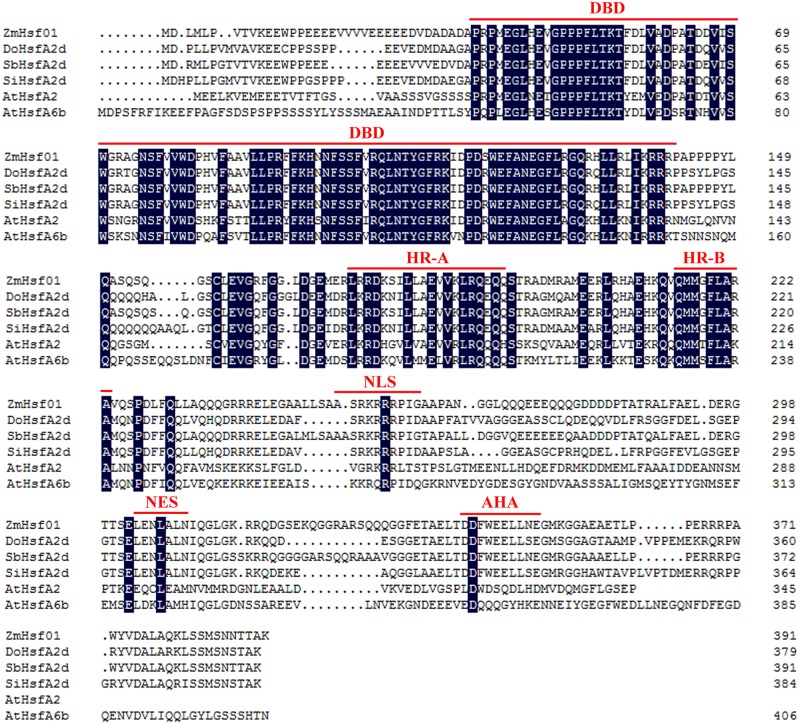
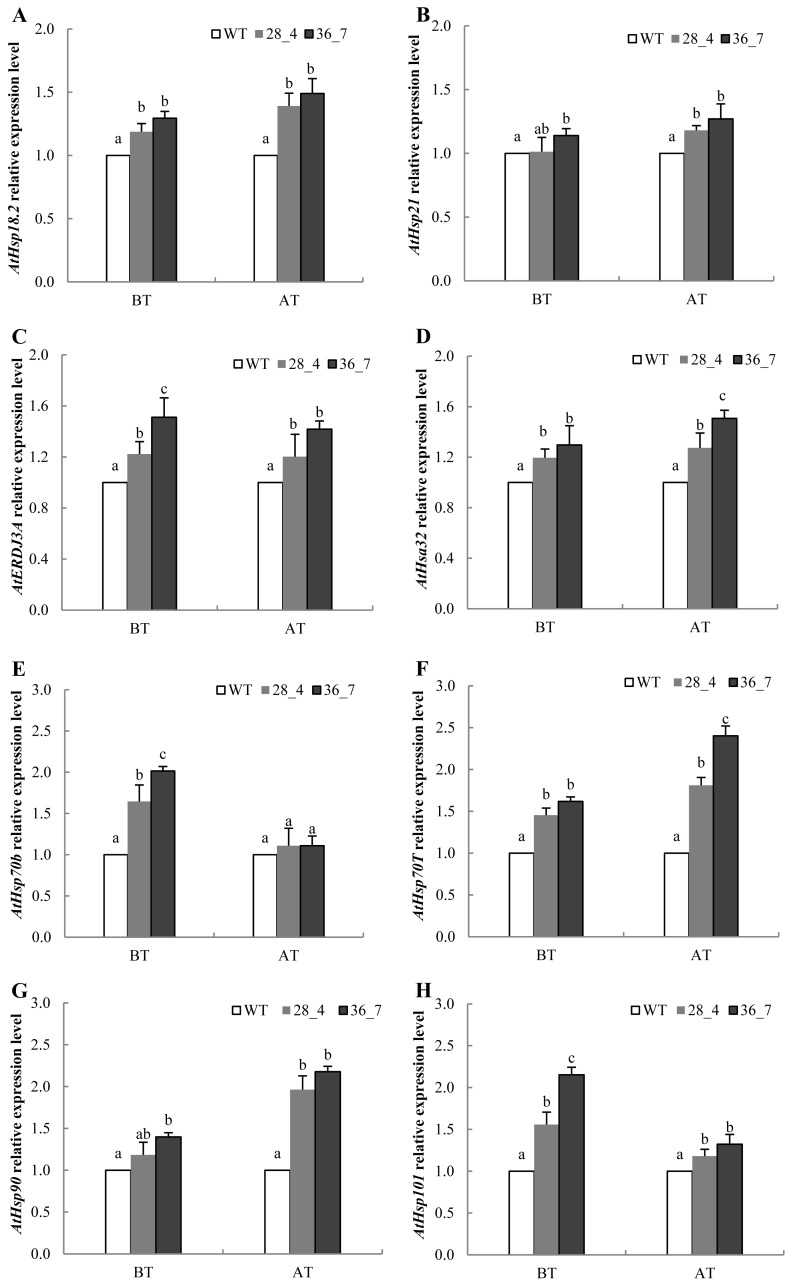
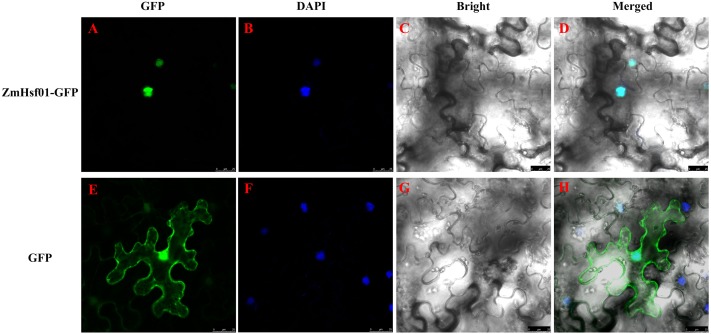
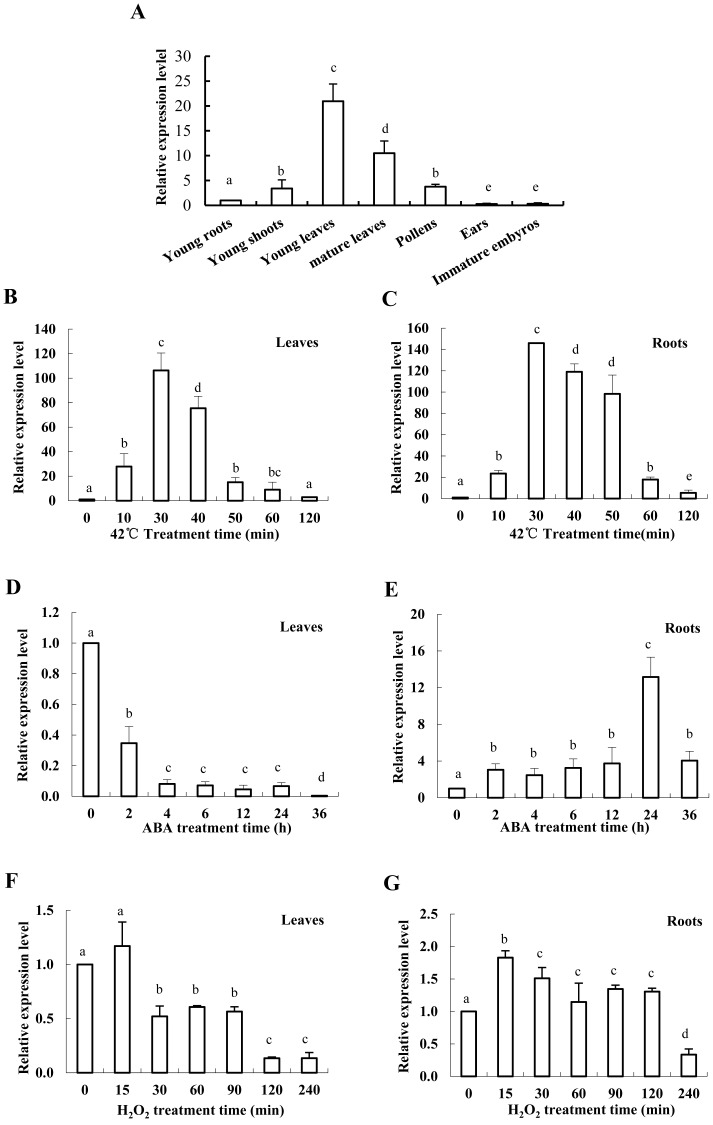
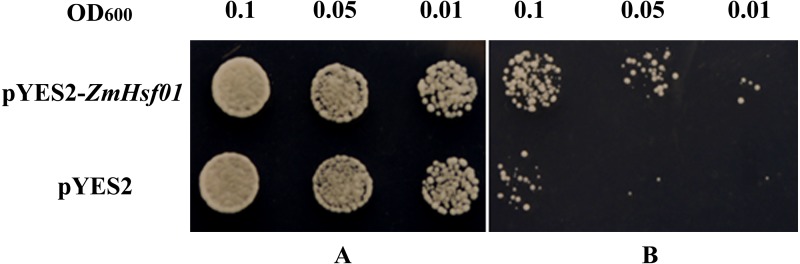
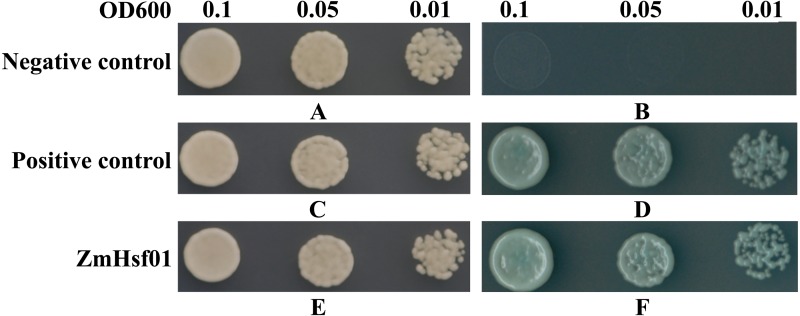
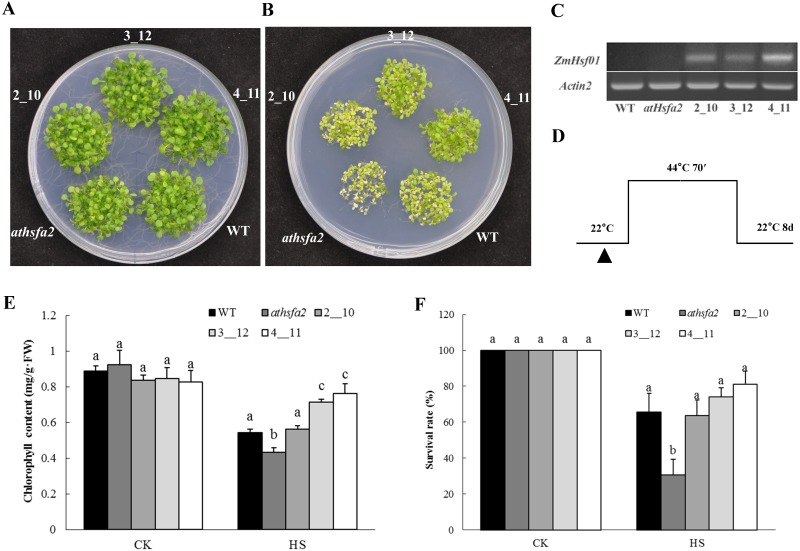
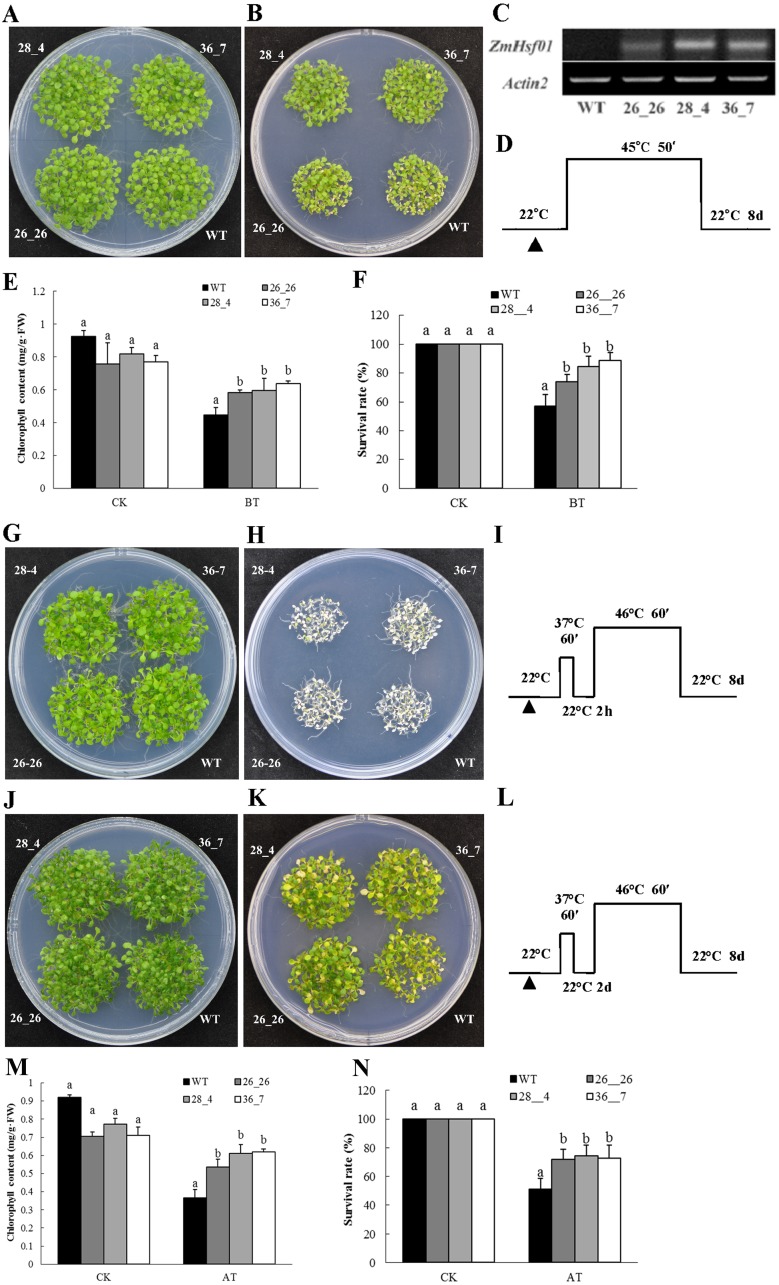
had a coding sequence (CDS) of 1176 bp and encoded a protein consisting of 391 amino acids. The homologous analysis results showed that ZmHsf01 and SbHsfA2d had the highest protein sequence identities. Subcellular localization experiments confirmed that ZmHsf01 was localized in the nucleus. was expressed in many maize tissues. It was up-regulated by HS, and up-regulated in roots and down-regulated in leaves under ABA and HOtreatments. -overexpressing yeast cells showed increased thermotolerance. In seedlings, compensated for the thermotolerance defects of mutant , and -overexpressing lines showed enhanced basal and acquired thermotolerance. When compared to wild type (WT) seedlings, -overexpressing lines showed higher chlorophyll content and survival rates after HS. Heat shock protein (HSP) gene expression levels were more up-regulated in -overexpressing seedlings than WT seedlings. These results suggest that plays a vital role in response to HS in plant.
热浪会严重影响玉米作物产量。植物热激转录因子(HSFs)在热激(HS)信号转导途径中起关键调节作用。
本研究采用同源克隆方法从玉米幼叶中克隆HSF基因(登录号:MK888854)。分别在不同组织中以及经热激、脱落酸(ABA)、过氧化氢(H₂O₂)处理后,使用qRT-PCR检测该基因的转录水平,并在转基因酵母和[此处原文缺失相关内容]中研究该基因的功能。
该基因具有1176 bp的编码序列(CDS),编码一个由391个氨基酸组成的蛋白质。同源性分析结果表明,ZmHsf01与SbHsfA2d具有最高的蛋白质序列同一性。亚细胞定位实验证实ZmHsf01定位于细胞核。该基因在许多玉米组织中表达。它在热激处理下上调,在ABA和H₂O₂处理下,在根中上调而在叶中下调。过表达该基因的酵母细胞表现出耐热性增强。在[此处原文缺失相关内容]幼苗中,该基因弥补了突变体[此处原文缺失相关内容]的耐热性缺陷,过表达该基因的株系表现出增强的基础耐热性和获得性耐热性。与野生型(WT)幼苗相比,过表达该基因的株系在热激后表现出更高的叶绿素含量和存活率。热激蛋白(HSP)基因表达水平在过表达该基因的[此处原文缺失相关内容]幼苗中比WT幼苗上调得更多。这些结果表明该基因在植物对热激的响应中起重要作用。