College of Agronomy and Biotechnology, Yunnan Agricultural University, Kunming, 650201, China.
Academic Affairs Office, Yunnan Agricultural University, Kunming, 650201, China.
BMC Plant Biol. 2023 Jun 1;23(1):292. doi: 10.1186/s12870-023-04310-y.
Quinoa (Chenopodium quinoa Willd.) originates in high altitude areas, such as the Andes, and has some inherent characteristics of cold, drought, and salinity tolerance, but is sensitive to high temperature.
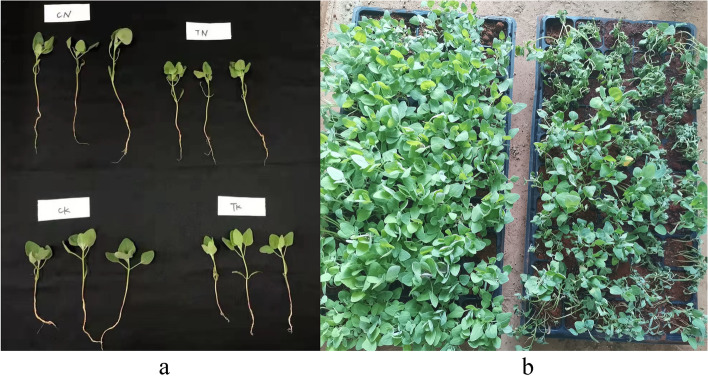
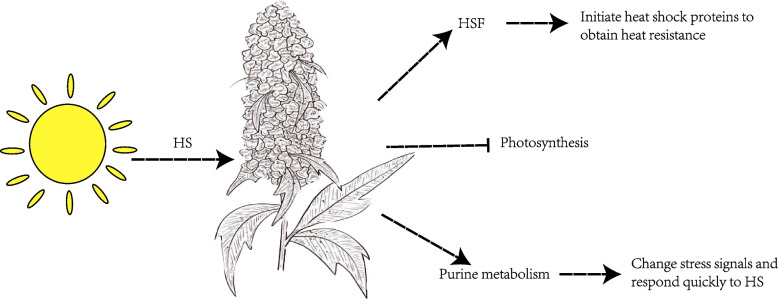
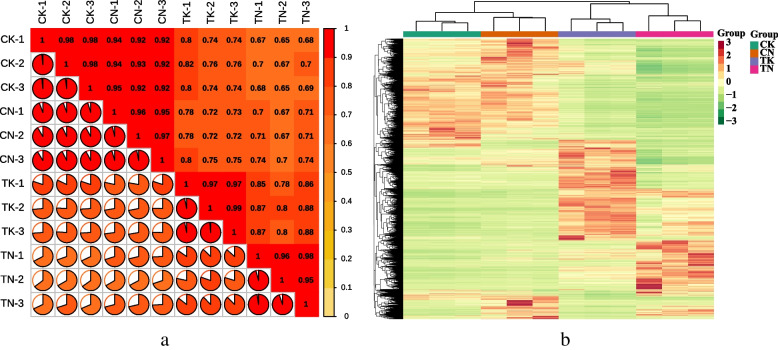
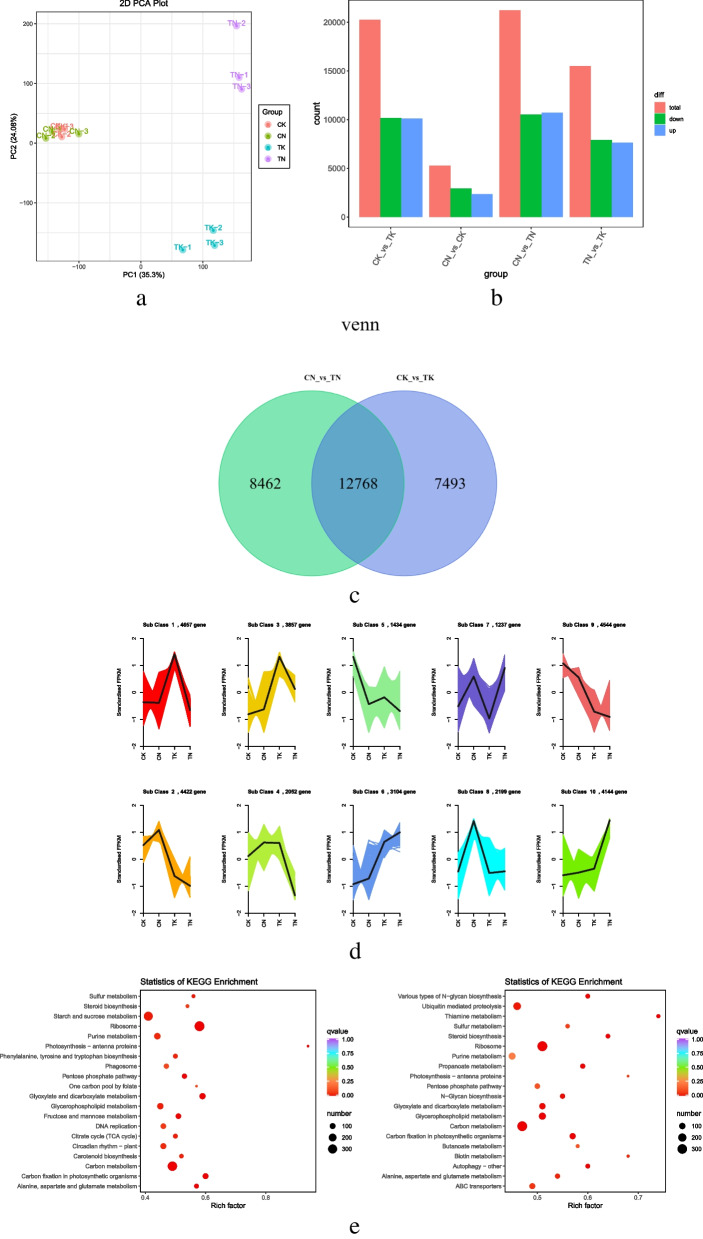
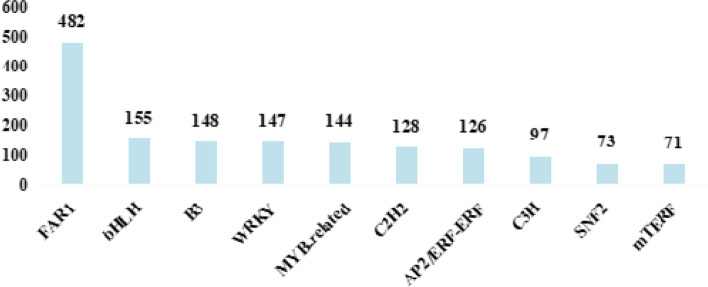
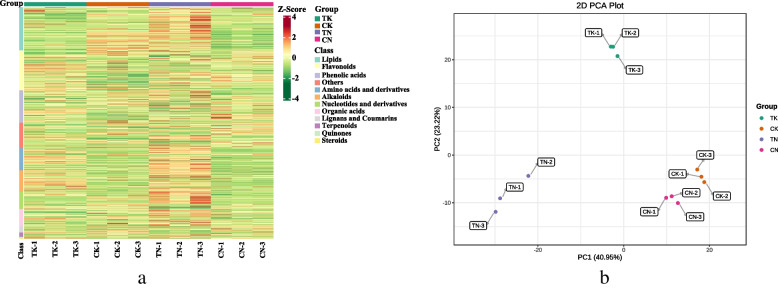
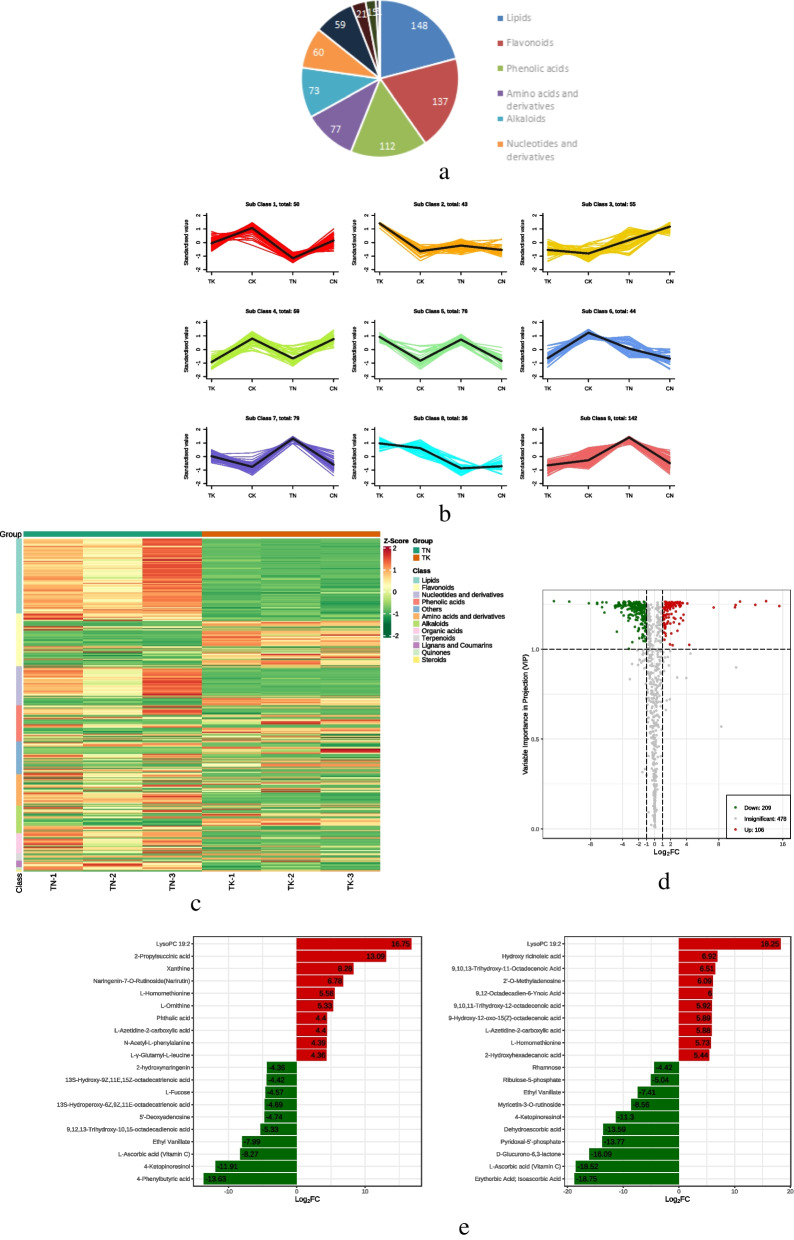
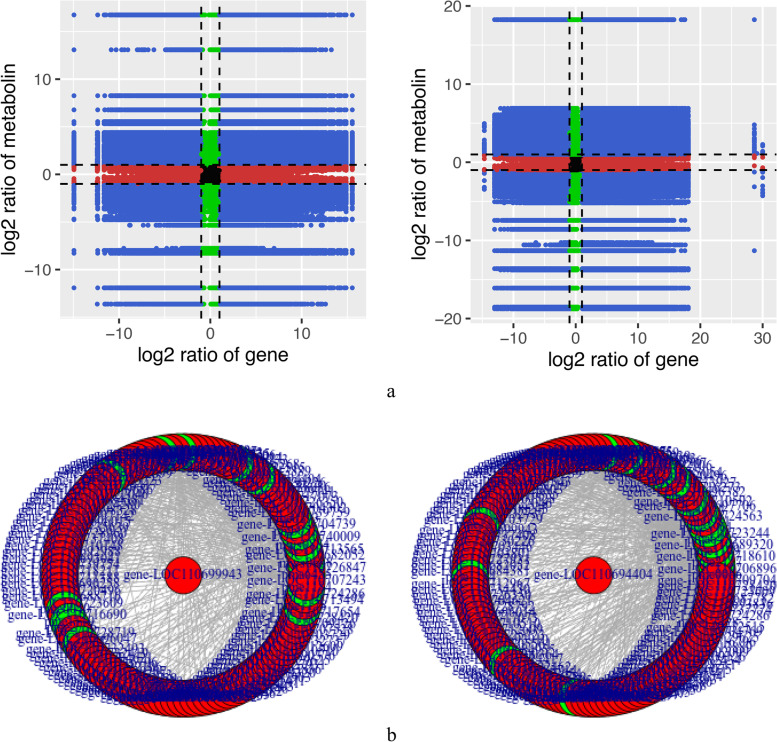
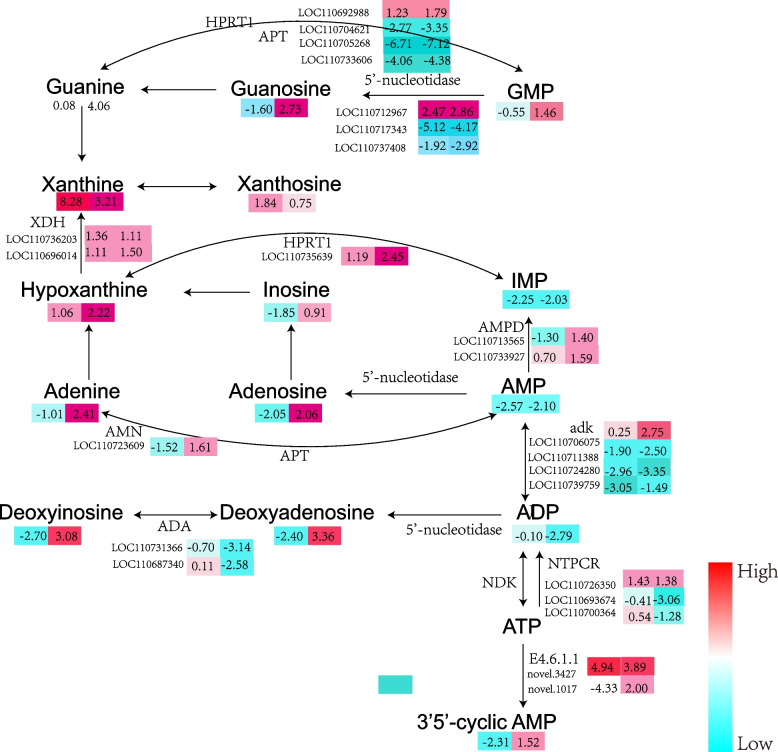
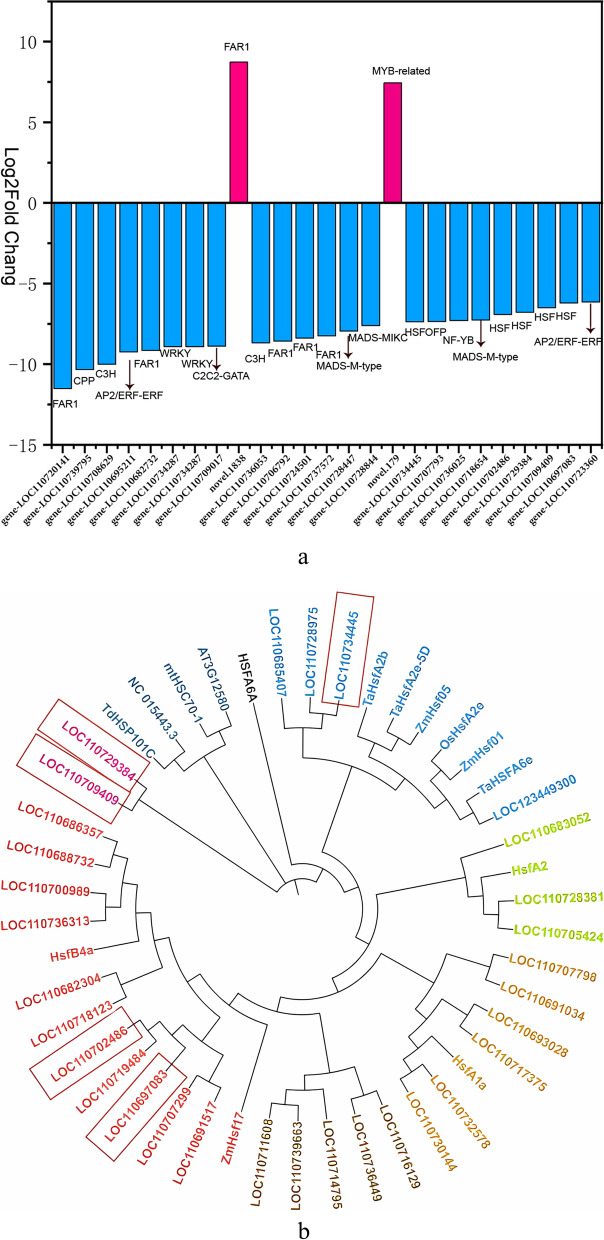
To gain insight into the response mechanism of quinoa to high temperature stress, we conducted an extensive targeted metabolomic study of two cultivars, Dianli-3101 and Dianli-3051, along with a combined transcriptome analysis. A total of 794 metabolites and 54,200 genes were detected, in which the genes related to photosynthesis were found down-regulated at high temperatures, and two metabolites, lipids and flavonoids, showed the largest changes in differential accumulation. Further analysis of the Kyoto Encyclopedia of Genes and Genomes (KEGG) pathway and transcription factors revealed that quinoa inhibits photosynthesis at high temperatures, and the possible strategies being used for high temperature stress management are regulation of heat stress transcription factors (HSFs) to obtain heat tolerance, and regulation of purine metabolism to enhance stress signals for rapid response to high temperature stress. The tolerant genotype could have an enhanced response through lower purine levels. The induction of the stress response could be mediated by HSF transcription factors. The results of this study may provide theoretical references for understanding the response mechanism of quinoa to high temperature stress, and for screening potential high temperature tolerant target genes and high temperature tolerant strains.
These findings reveal the regulation of the transcription factor family HSF and the purinergic pathway in response to high temperature stress to improve quinoa varieties with high temperature tolerance.
藜麦原产于安第斯山脉等高海拔地区,具有一定的抗寒、耐旱、耐盐特性,但对高温敏感。
为了深入了解藜麦对高温胁迫的响应机制,我们对两个品种(滇藜 3101 和滇藜 3051)进行了广泛的靶向代谢组学研究,并结合转录组分析。共检测到 794 种代谢物和 54200 个基因,其中与光合作用相关的基因在高温下表达下调,两种代谢物脂质和类黄酮表现出最大的差异积累。对京都基因与基因组百科全书(KEGG)通路和转录因子的进一步分析表明,藜麦在高温下抑制光合作用,可能的高温胁迫管理策略是调节热应激转录因子(HSFs)以获得耐热性,以及调节嘌呤代谢以增强应激信号,从而快速响应高温胁迫。耐胁迫基因型可能通过降低嘌呤水平来增强响应。应激反应的诱导可能是通过 HSF 转录因子介导的。本研究结果可为深入了解藜麦对高温胁迫的响应机制提供理论参考,为筛选潜在的耐高温目标基因和耐高温株系提供依据。
这些发现揭示了转录因子家族 HSF 和嘌呤能途径在响应高温胁迫中的调节作用,以提高具有高温耐受性的藜麦品种。