Department of Pharmacology, University of Minnesota-Twin Cities, Minneapolis, MN, USA.
Department of Biological Engineering, Massachusetts Institute of Technology, Cambridge, MA, USA.
Cell Death Dis. 2020 Apr 20;11(4):255. doi: 10.1038/s41419-020-2462-8.
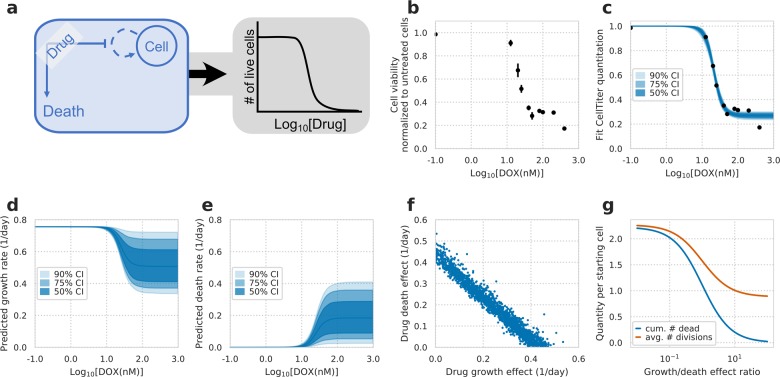
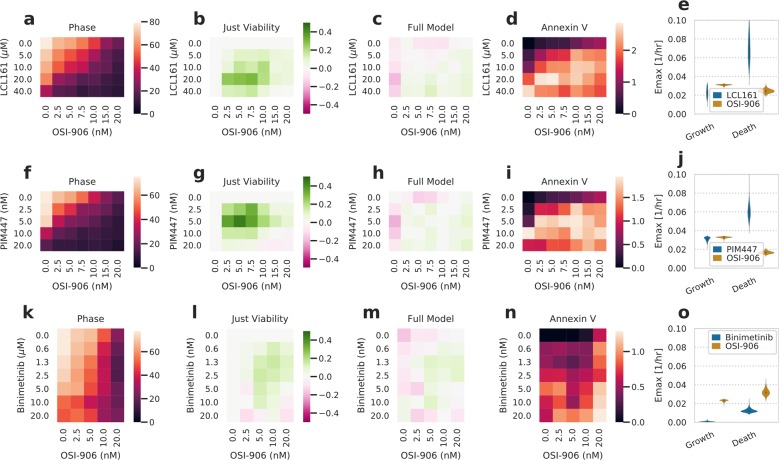
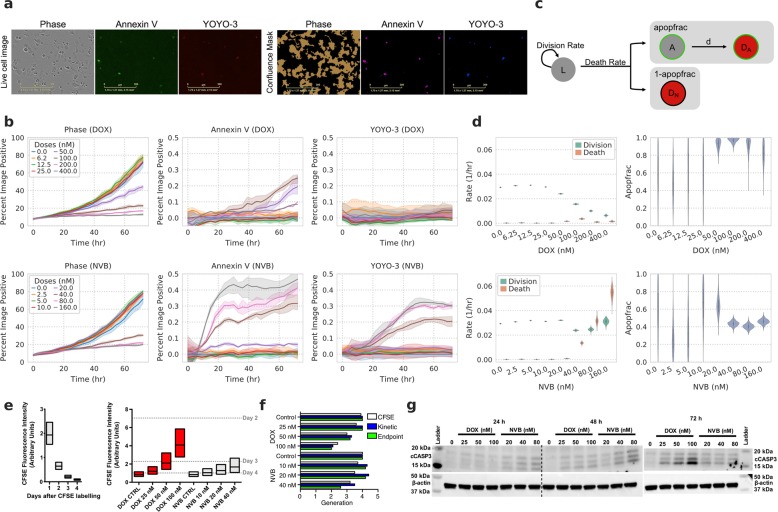
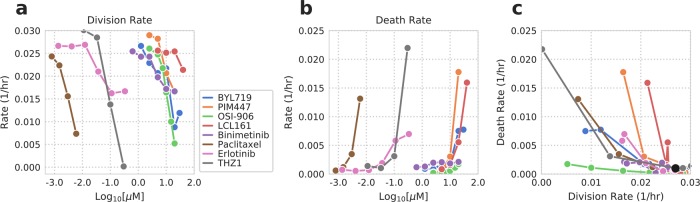
Cancer cell sensitivity or resistance is almost universally quantified through a direct or surrogate measure of cell number. However, compound responses can occur through many distinct phenotypic outcomes, including changes in cell growth, apoptosis, and non-apoptotic cell death. These outcomes have divergent effects on the tumor microenvironment, immune response, and resistance mechanisms. Here, we show that quantifying cell viability alone is insufficient to distinguish between these compound responses. Using an alternative assay and drug-response analysis amenable to high-throughput measurement, we find that compounds with identical viability outcomes can have very different effects on cell growth and death. Moreover, additive compound pairs with distinct growth/death effects can appear synergistic when only assessed by viability. Overall, these results demonstrate an approach to incorporating measurements of cell death when characterizing a pharmacologic response.
癌细胞的敏感性或耐药性几乎普遍通过细胞数量的直接或替代测量来量化。然而,化合物的反应可能通过许多不同的表型结果发生,包括细胞生长、凋亡和非凋亡性细胞死亡的变化。这些结果对肿瘤微环境、免疫反应和耐药机制有不同的影响。在这里,我们表明,仅定量细胞活力不足以区分这些复合反应。使用一种替代的测定方法和药物反应分析,适用于高通量测量,我们发现具有相同活力结果的化合物对细胞生长和死亡可能有非常不同的影响。此外,当仅通过活力评估时,具有不同生长/死亡效应的加性化合物对可能表现出协同作用。总的来说,这些结果表明了在描述药物反应时纳入细胞死亡测量的方法。