State Key Laboratory of Integrated Pest Management, Institute of Zoology, Chinese Academy of Sciences, 100101, Beijing, China.
CAS Center for Excellence in Biotic Interactions, University of Chinese Academy of Sciences, 100049, Beijing, China.
ISME J. 2020 Jul;14(7):1795-1808. doi: 10.1038/s41396-020-0646-y. Epub 2020 Apr 20.
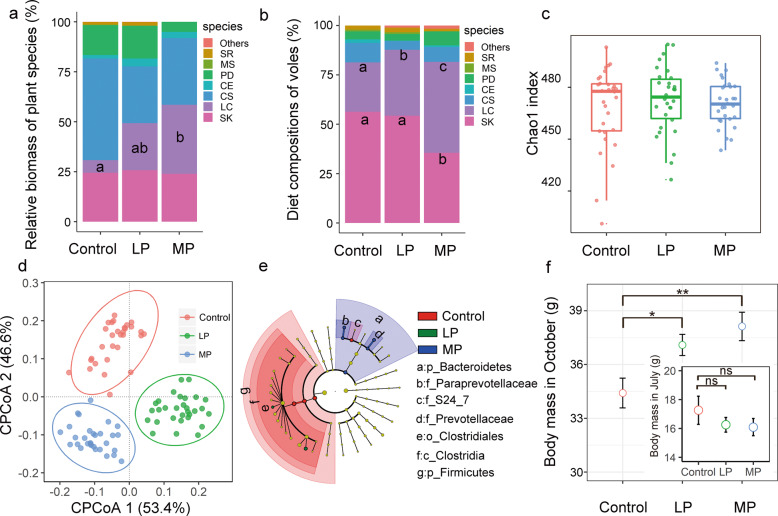
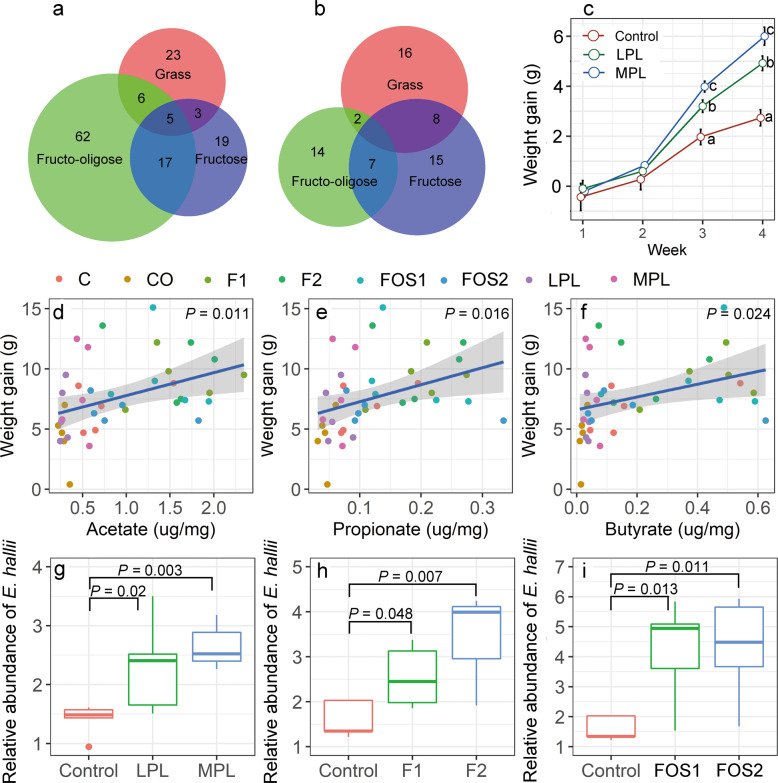
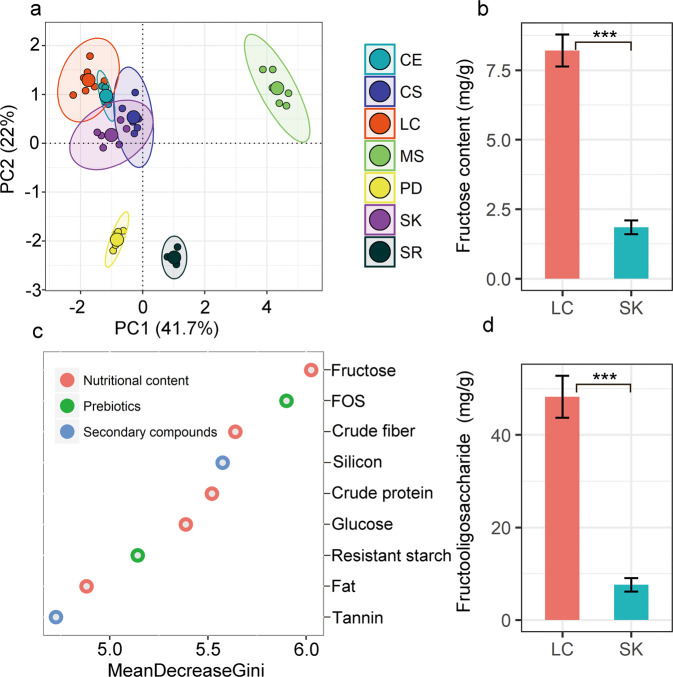
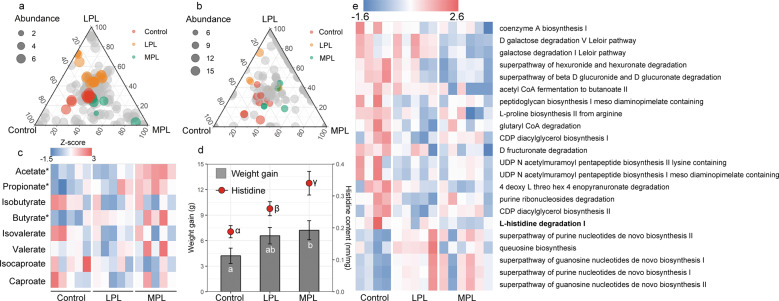
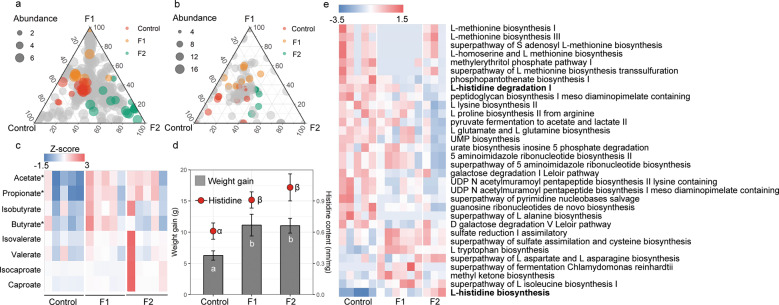
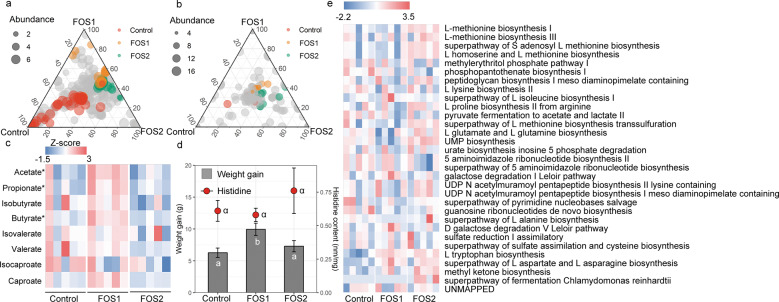
The population cycles of small rodents have puzzled biologists for centuries. There is a growing recognition of the cascading effects of climate change on the population dynamics of rodents. However, the ultimate cause for the bottom-up effects of precipitation is poorly understood, from a microbial perspective. Here, we conducted a precipitation manipulation experiment in the field, and three feeding trials with controlled diets in the laboratory. We found precipitation supplementation facilitated the recovery of a perennial rhizomatous grass (Leymus chinensis) species, which altered the diet composition and increase the intake of fructose and fructooligosaccharides for Brandt's vole. Lab results showed that this nutrient shift was accompanied by the modulation of gut microbiota composition and functional pathways (especially for the degradation or biosynthesis of L-histidine). Particularly, the relative abundance of Eubacterium hallii was consistently increased after feeding voles with more L. chinensis, fructose or fructooligosaccharide. These modulations ultimately increased the production of short chain fatty acids (SCFAs) and boosted the growth of vole. This study provides evidence that the precipitation pulses cascades through the plant community to affect rodent gut microbiome. Our results highlight the importance of considering host-microbiota interaction when investigating rodent population responses to climate change.
小型啮齿动物的种群周期令生物学家困惑了几个世纪。人们越来越认识到气候变化对啮齿动物种群动态的级联效应。然而,从微生物的角度来看,降水对底层效应的最终原因还知之甚少。在这里,我们在野外进行了降水处理实验,并在实验室进行了三次控制饮食的喂养试验。我们发现,降水补充促进了多年生根茎草(羊草)物种的恢复,这改变了布氏田鼠的饮食组成,并增加了对果糖和果寡糖的摄取。实验室结果表明,这种营养物质的转变伴随着肠道微生物群落组成和功能途径的调节(特别是 L-组氨酸的降解或生物合成)。特别是,在以更多的羊草、果糖或果寡糖喂养田鼠后,Eubacterium hallii 的相对丰度一直增加。这些调节最终增加了短链脂肪酸(SCFA)的产生,并促进了田鼠的生长。这项研究提供了证据,表明降水脉冲通过植物群落级联影响啮齿动物的肠道微生物组。我们的结果强调了在研究气候变化对啮齿动物种群反应时,考虑宿主-微生物相互作用的重要性。