Institute of Molecular Biology and Biophysics, Federal Research Center of Fundamental and Translational Medicine, Timakova Str. 2, 630117 Novosibirsk, Russia.
Int J Mol Sci. 2020 Apr 20;21(8):2863. doi: 10.3390/ijms21082863.
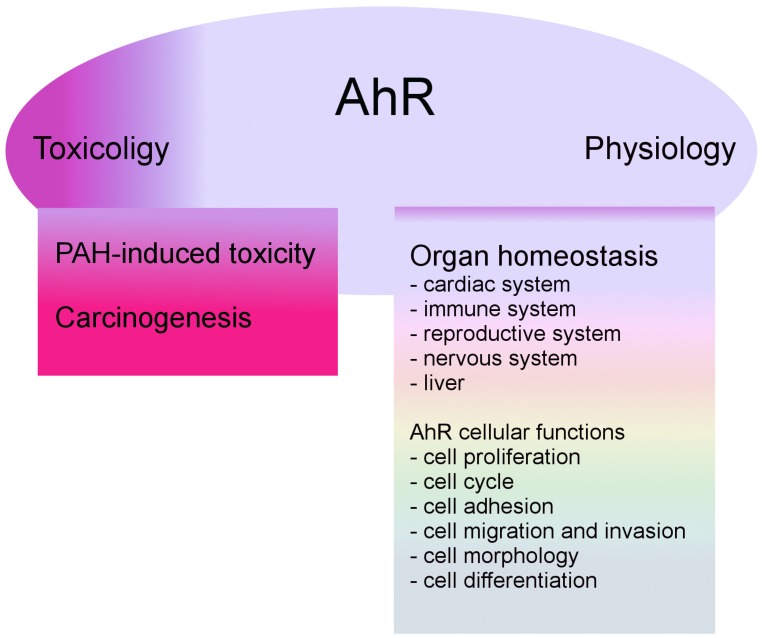
Primary brain tumors, both malignant and benign, are diagnosed in adults at an incidence rate of approximately 23 people per 100 thousand. The role of AhR in carcinogenesis has been a subject of debate, given that this protein may act as either an oncogenic protein or a tumor suppressor in different cell types and contexts. Lately, there is growing evidence that aryl hydrocarbon receptor (AhR) plays an important part in the development of brain tumors. The role of AhR in brain tumors is complicated, depending on the type of tumor, on ligands that activate AhR, and other features of the pathological process. In this review, we summarize current knowledge about AhR in relation to brain tumors and provide an overview of AhR's potential as a therapeutic target.
原发性脑肿瘤,包括恶性和良性肿瘤,在成年人中的发病率约为每 10 万人中有 23 人。由于这种蛋白质在不同的细胞类型和环境中可能表现为致癌蛋白或肿瘤抑制因子,因此 AhR 在致癌作用中的作用一直存在争议。最近,越来越多的证据表明芳基烃受体 (AhR) 在脑肿瘤的发展中起着重要作用。AhR 在脑肿瘤中的作用很复杂,取决于肿瘤的类型、激活 AhR 的配体以及病理过程的其他特征。在这篇综述中,我们总结了目前关于 AhR 与脑肿瘤的关系的知识,并概述了 AhR 作为治疗靶点的潜力。