Lu Yingjian, Pang Xinyi, Yang Tianbao
College of Food Science and Engineering Nanjing University of Finance and Economics Nanjing China.
Department of Nutrition and Food Science University of Maryland College Park MD USA.
Food Sci Nutr. 2020 Mar 5;8(4):2052-2058. doi: 10.1002/fsn3.1493. eCollection 2020 Apr.
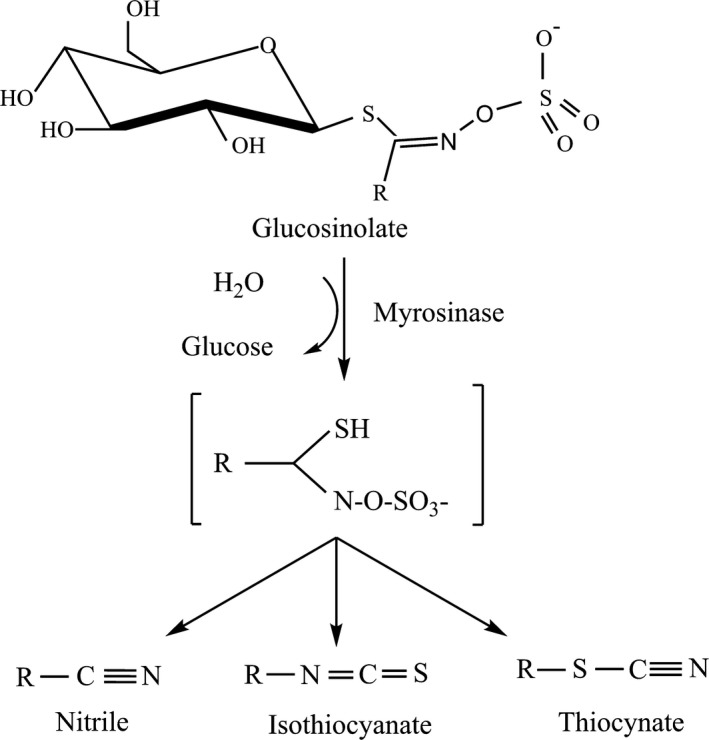
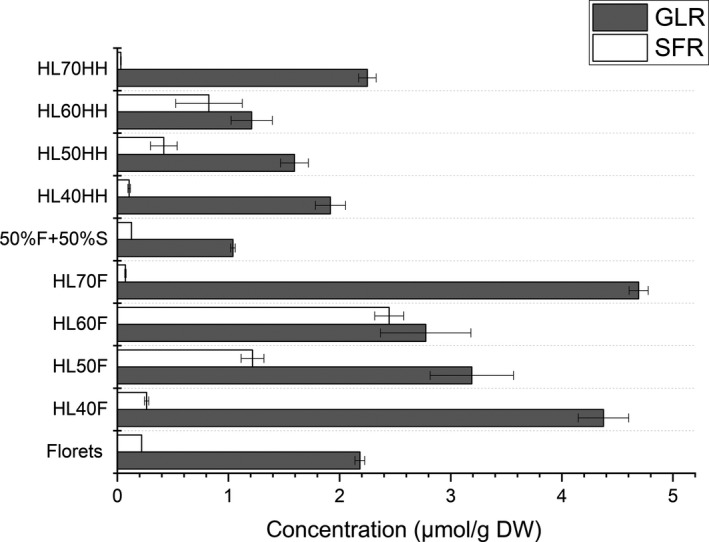
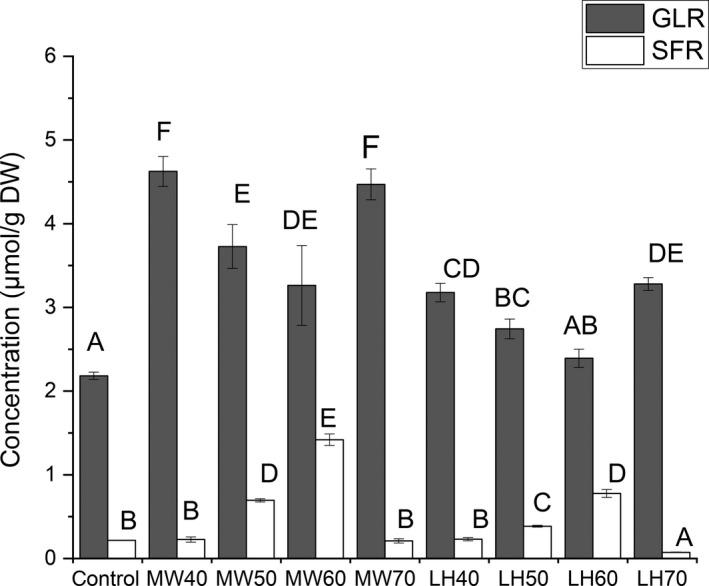
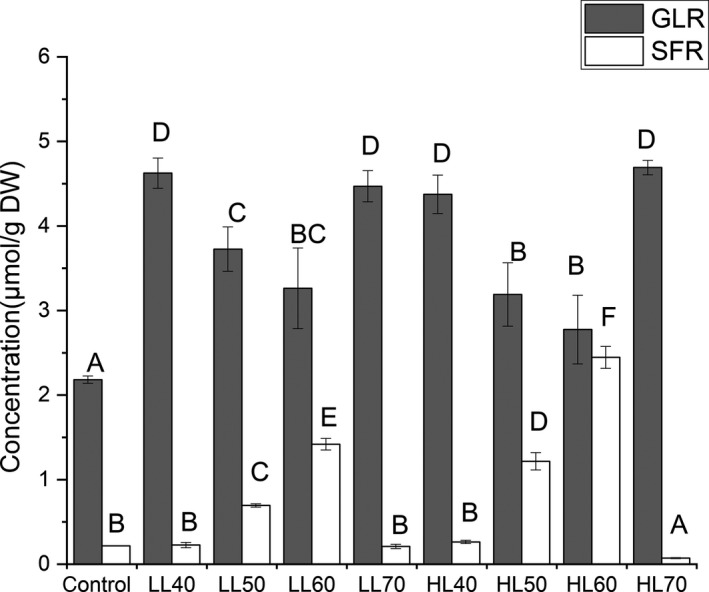
Sulforaphane (SFR), an anticarcinogenic compound, forms from the hydrolysis of glucoraphanin (GLR) in broccoli. Cooking methods have been shown to affect broccoli GLR and SFR levels, but little is known about the effect of lightly cooking processes on them. In this study, the effects of microwave and low-temperature cooking on GLR and SFR contents in broccoli were investigated. Both microwaving and mild heating increased the GLR and SFR levels in broccoli compared to the raw samples (without any treatment). In particular, SFR level was significantly low under 40°C and dramatically increased from 40 to 60°C, but nothing was detected at 70°C. Compared with conventional heating, microwave heating increased the GLR and SFR yield by about 80% at 50 and 60°C. Microwave power level also influenced the SFR contents. At the same temperatures (50 and 60°C), high-power microwave (950 W) with a short time produced over 40% more SFR than low-power microwave treatment (475 W). Hence, mild heating by microwave could increase the GLR and SFR levels in broccoli, and high-power microwave heating with temperature control at 60°C could retain higher bioavailability of these bioactive compounds in broccoli.
萝卜硫素(SFR)是一种抗癌化合物,由西兰花中的萝卜硫苷(GLR)水解形成。烹饪方法已被证明会影响西兰花中GLR和SFR的含量,但对于轻度烹饪过程对它们的影响知之甚少。在本研究中,研究了微波和低温烹饪对西兰花中GLR和SFR含量的影响。与未处理的生样品相比,微波处理和温和加热均提高了西兰花中GLR和SFR的含量。特别是,在40°C以下SFR含量显著较低,从40°C到60°C急剧增加,但在70°C时未检测到任何物质。与传统加热相比,在50°C和60°C时,微波加热使GLR和SFR的产量提高了约80%。微波功率水平也影响SFR含量。在相同温度(50°C和60°C)下,高功率微波(950 W)短时间处理产生的SFR比低功率微波处理(475 W)多40%以上。因此,微波温和加热可以提高西兰花中GLR和SFR的含量,在60°C控制温度的高功率微波加热可以使西兰花中这些生物活性化合物保持更高的生物利用度。