Nemours Children's Hospital, 13535 Nemours Parkway, Orlando, FL 32827, United States.
Anticancer Agents Med Chem. 2020;20(13):1613-1625. doi: 10.2174/1871520620666200424123834.
MYCN amplification is a prognostic biomarker associated with poor prognosis of neuroblastoma in children. The overall survival of children with MYCN-amplified neuroblastoma has only marginally improved within the last 20 years. The Bromodomain and Extra-Terminal motif (BET) inhibitor, JQ1, has been shown to downregulate MYCN in neuroblastoma cells.
To determine if JQ1 downregulation of MYCN in neuroblastomas can offer a target- specific therapy for this, difficult to treat, pediatric cancer.
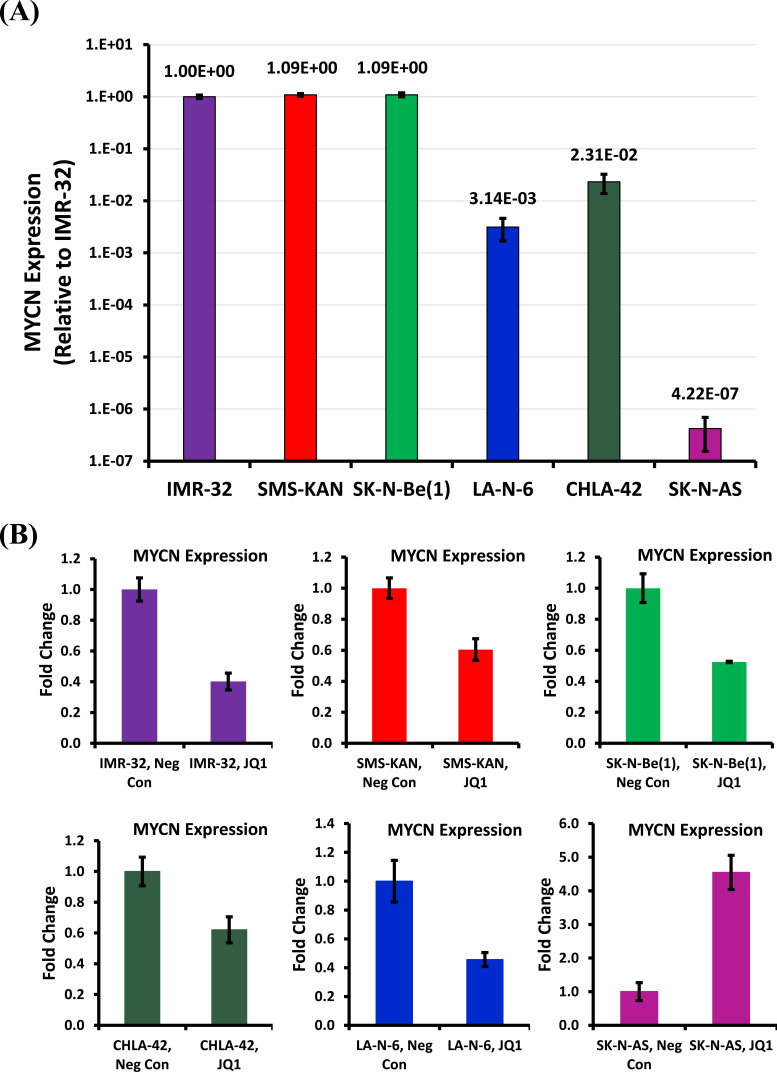
Since MYCN-amplified neuroblastoma accounts for as much as 40 to 50 percent of all high-risk cases, we compared the effect of JQ1 on both MYCN-amplified and non-MYCN-amplified neuroblastoma cell lines and investigated its mechanism of action.
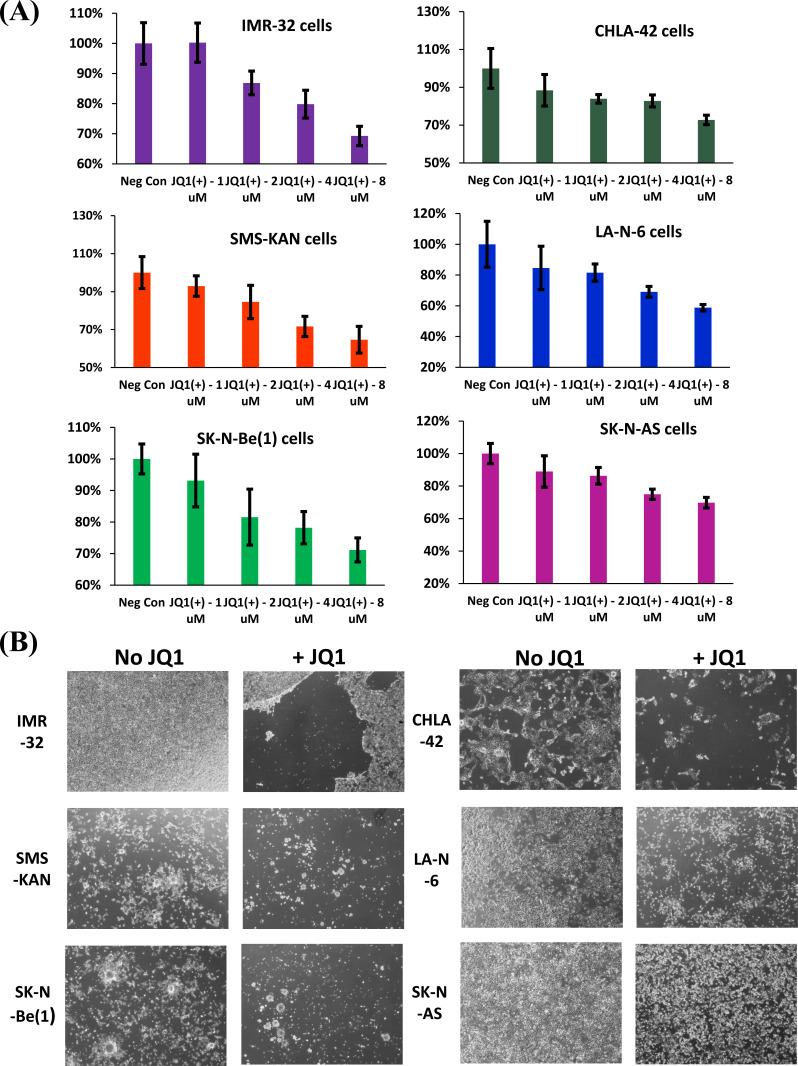
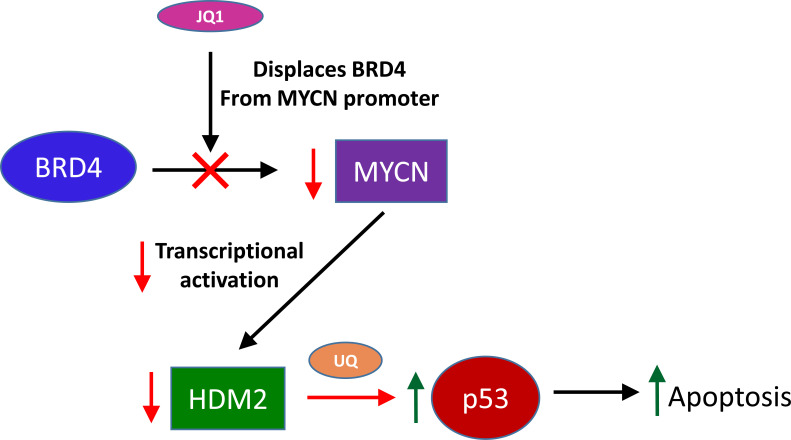
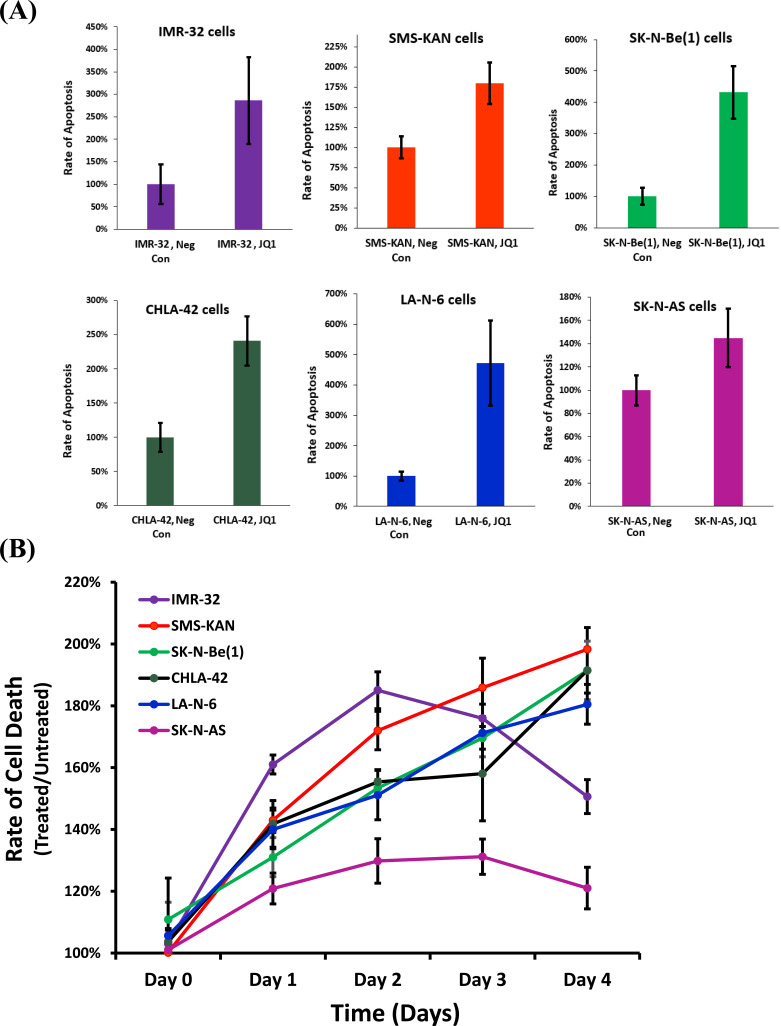
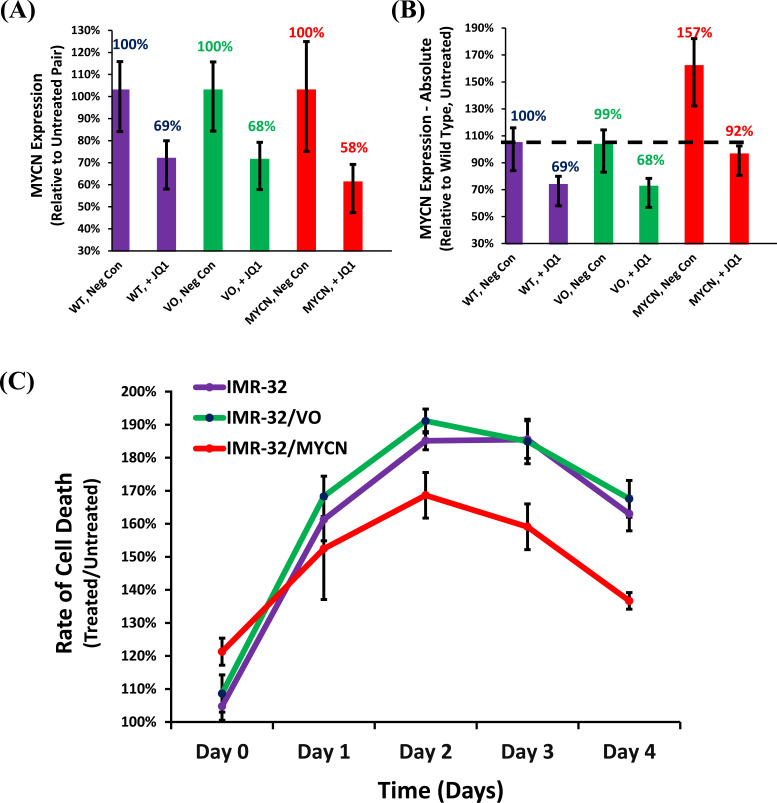
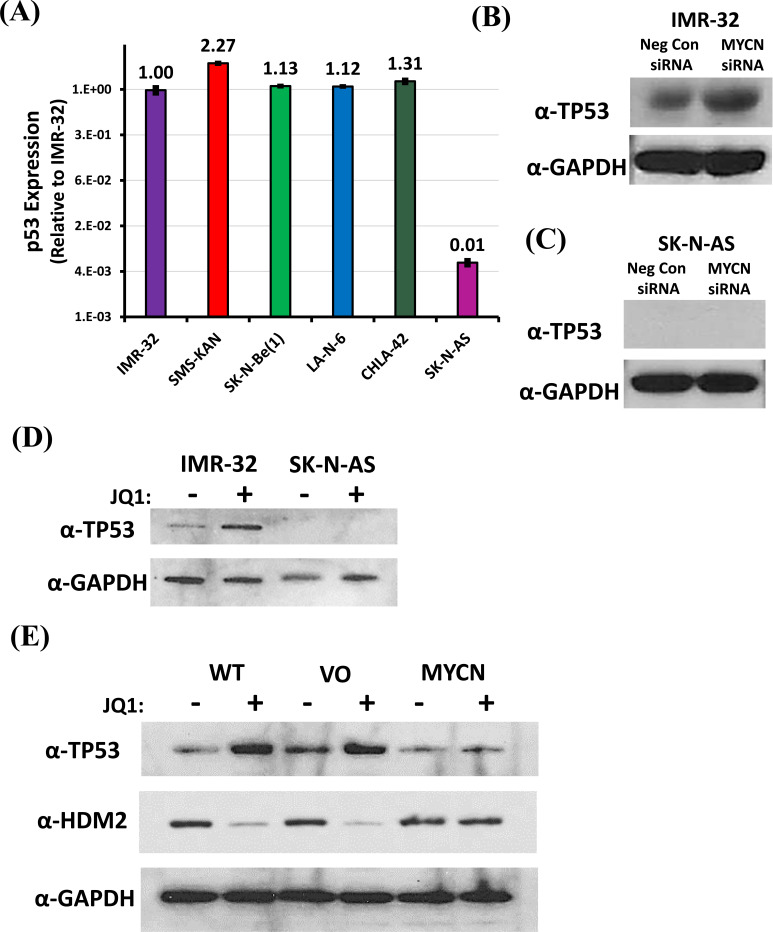
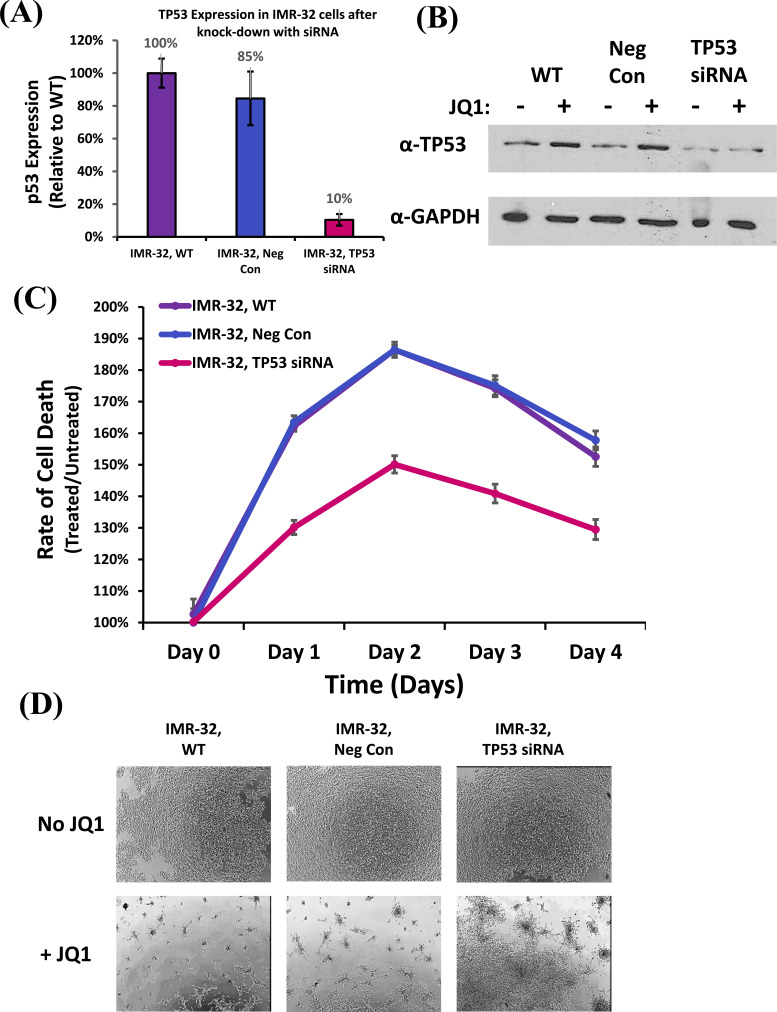
In this study, we show that JQ1 can specifically target MYCN for downregulation, though this effect is not specific to only MYCN-amplified cells. And although we can confirm that the loss of MYCN alone can induce apoptosis, the exogenous rescue of MYCN expression can abrogate much of this cytotoxicity. More fascinating, however, was the discovery that the JQ1-induced knockdown of MYCN, which led to the loss of the human double minute 2 homolog (HDM2) protein, also led to the accumulation of tumor protein 53 (also known as TP53 or p53), which ultimately induced apoptosis. Likewise, the knockdown of p53 also blunted the cytotoxic effects of JQ1.
These data suggest a mechanism of action for JQ1 cytotoxicity in neuroblastomas and offer a possible prognostic target for determining its efficacy as a therapeutic.
MYCN 扩增是与儿童神经母细胞瘤预后不良相关的预后生物标志物。在过去的 20 年中,患有 MYCN 扩增型神经母细胞瘤的儿童的总生存率仅略有改善。Bromodomain 和额外末端基序(BET)抑制剂 JQ1 已被证明可下调神经母细胞瘤细胞中的 MYCN。
确定 JQ1 下调神经母细胞瘤中的 MYCN 是否可为这种难以治疗的儿科癌症提供靶向特异性治疗。
由于 MYCN 扩增型神经母细胞瘤占所有高危病例的 40%至 50%,我们比较了 JQ1 对 MYCN 扩增型和非 MYCN 扩增型神经母细胞瘤细胞系的影响,并研究了其作用机制。
在这项研究中,我们表明 JQ1 可以特异性地针对 MYCN 进行下调,尽管这种作用并非仅针对 MYCN 扩增型细胞。虽然我们可以确认仅失去 MYCN 就可以诱导细胞凋亡,但是外源 MYCN 表达的挽救可以消除大部分细胞毒性。然而,更有趣的是发现,JQ1 诱导的 MYCN 下调导致人双微体 2 同源物(HDM2)蛋白的积累,也导致肿瘤蛋白 53(也称为 TP53 或 p53)的积累,最终诱导细胞凋亡。同样,p53 的敲低也削弱了 JQ1 的细胞毒性作用。
这些数据表明 JQ1 在神经母细胞瘤中的细胞毒性作用的作用机制,并为确定其作为治疗药物的疗效提供了可能的预后靶标。