The Interdisciplinary Ph.D. Program in Genetics, Bioinformatics, and Computational Biology, Virginia Tech, Blacksburg, Virginia, United States of America.
Department of Biochemistry, Virginia Tech, Blacksburg, Virginia, United States of America.
PLoS Genet. 2020 Apr 27;16(4):e1008765. doi: 10.1371/journal.pgen.1008765. eCollection 2020 Apr.
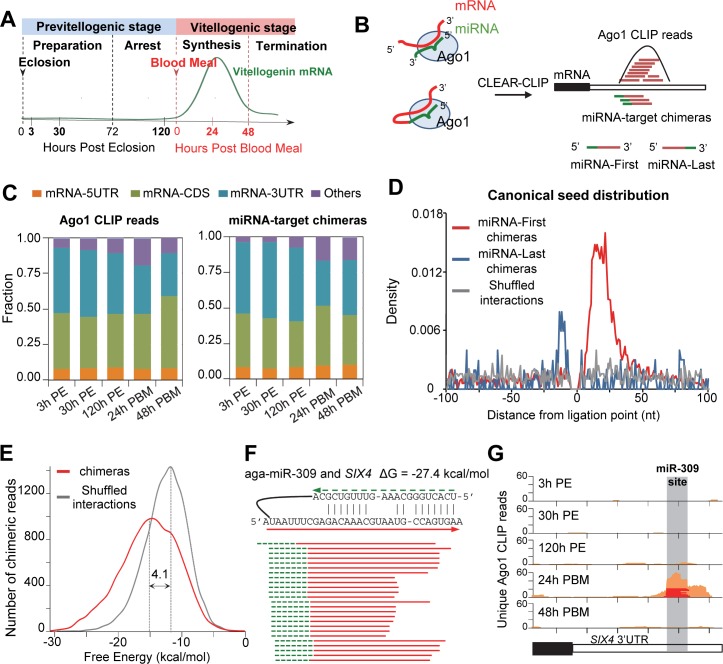
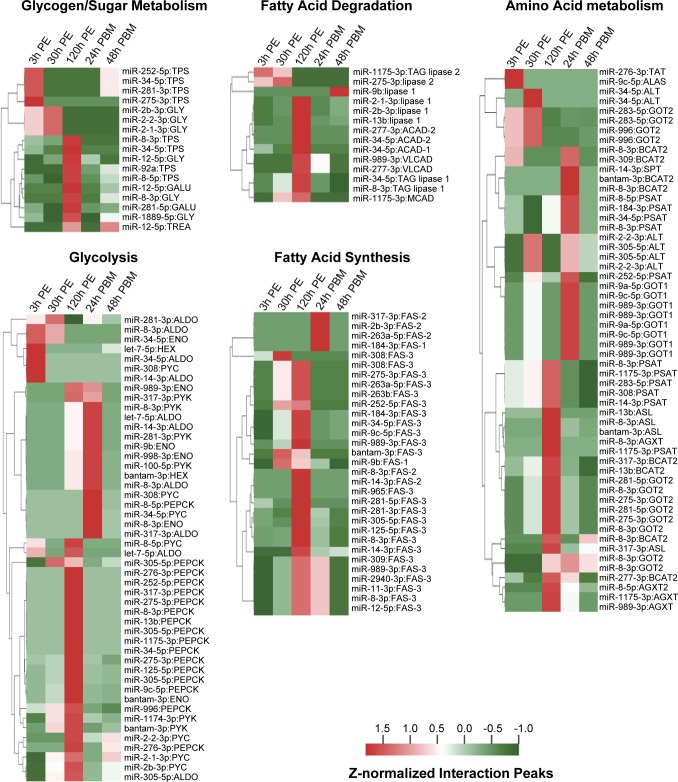
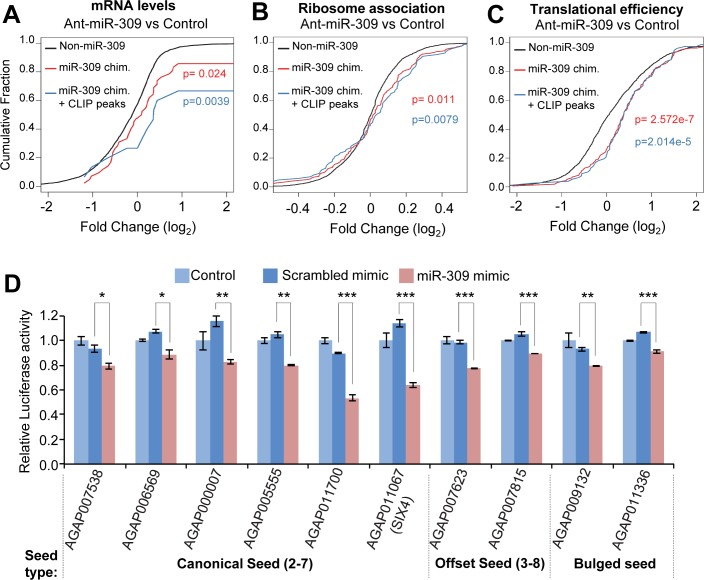
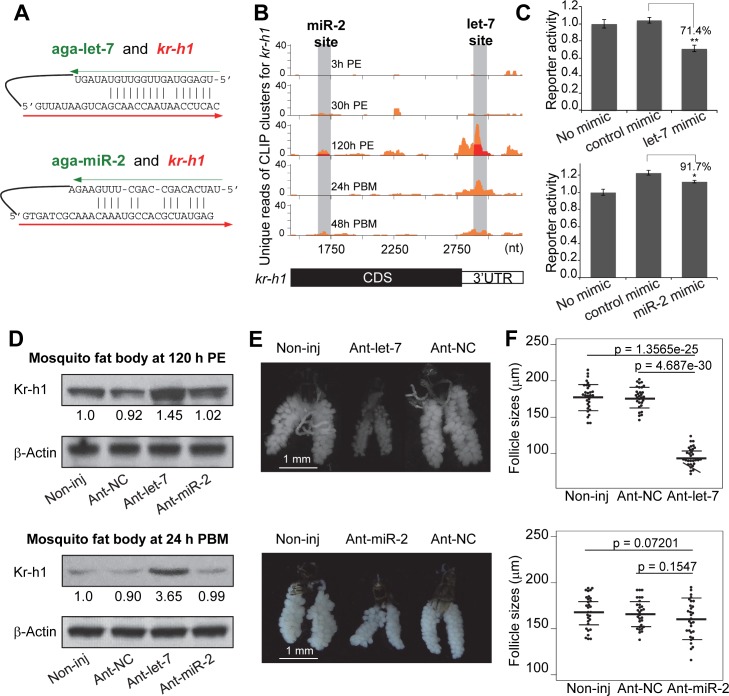
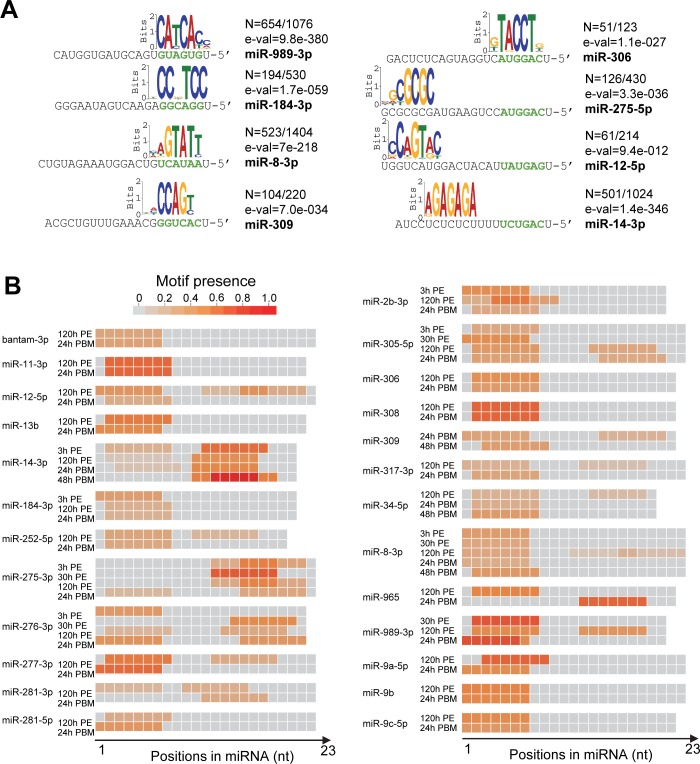
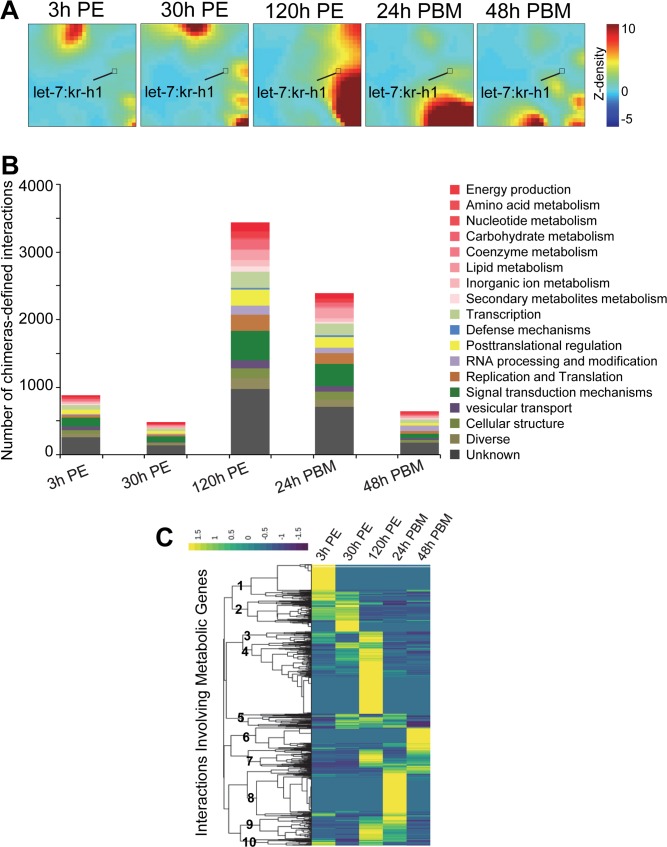
microRNAs (miRNAs) are increasingly recognized as important regulators of many biological processes in mosquitoes, vectors of numerous devastating infectious diseases. Identification of bona fide targets remains the bottleneck for functional studies of miRNAs. In this study, we used CLEAR-CLIP assays to systematically analyze miRNA-mRNA interactions in adult female Anopheles gambiae mosquitoes. Thousands of miRNA-target pairs were captured after direct ligation of the miRNA and its cognate target transcript in endogenous Argonaute-miRNA-mRNA complexes. Using two interactions detected in this manner, miR-309-SIX4 and let-7-kr-h1, we demonstrated the reliability of this experimental approach in identifying in vivo gene regulation by miRNAs. The miRNA-mRNA interaction dataset provided an invaluable opportunity to decipher targeting rules of mosquito miRNAs. Enriched motifs in the diverse targets of each miRNA indicated that the majority of mosquito miRNAs rely on seed-based canonical target recognition, while noncanonical miRNA binding sites are widespread and often contain motifs complementary to the central or 3' ends of miRNAs. The time-lapse study of miRNA-target interactomes in adult female mosquitoes revealed dynamic miRNA regulation of gene expression in response to varying nutritional sources and physiological demands. Interestingly, some miRNAs exhibited flexibility to use distinct sequences at different stages for target recognition. Furthermore, many miRNA-mRNA interactions displayed stage-specific patterns, especially for those genes involved in metabolism, suggesting that miRNAs play critical roles in precise control of gene expression to cope with enormous physiological demands associated with egg production. The global mapping of miRNA-target interactions contributes to our understanding of miRNA targeting specificity in non-model organisms. It also provides a roadmap for additional studies focused on regulatory functions of miRNAs in Anopheles gambiae.
微小 RNA(miRNAs)越来越被认为是蚊子中许多生物过程的重要调节因子,而蚊子是许多毁灭性传染病的传播媒介。鉴定真正的靶标仍然是 miRNA 功能研究的瓶颈。在这项研究中,我们使用 CLEAR-CLIP 测定法,系统地分析了成年雌性冈比亚按蚊中的 miRNA-mRNA 相互作用。在 Argonaute-miRNA-mRNA 复合物中,直接连接 miRNA 和其同源靶转录本后,捕获了数千个 miRNA-靶对。通过以这种方式检测到的两种相互作用,miR-309-SIX4 和 let-7-kr-h1,我们证明了这种实验方法在鉴定 miRNA 对体内基因调控的可靠性。miRNA-mRNA 相互作用数据集为破译蚊子 miRNA 的靶向规则提供了宝贵的机会。每个 miRNA 的不同靶标中的富集基序表明,大多数蚊子 miRNA 依赖基于种子的经典靶标识别,而非经典 miRNA 结合位点广泛存在,并且经常包含与 miRNA 中心或 3' 末端互补的基序。成年雌性蚊子中 miRNA-靶相互作用组的时程研究揭示了 miRNA 对基因表达的动态调控,以响应不同的营养来源和生理需求。有趣的是,一些 miRNA 在不同阶段表现出灵活地使用不同序列进行靶标识别的能力。此外,许多 miRNA-mRNA 相互作用表现出阶段特异性模式,特别是对于那些参与代谢的基因,这表明 miRNA 在精确控制基因表达以应对与产卵相关的巨大生理需求方面发挥着关键作用。miRNA-靶相互作用的全局图谱有助于我们理解非模型生物中 miRNA 的靶向特异性。它还为专注于 Anopheles gambiae 中 miRNA 调节功能的其他研究提供了路线图。