School of Public Health and Community Medicine, The Sahlgrenska Academy at University of Gothenburg, Box 453, SE-405 30, Gothenburg, Sweden.
Region Västra Götaland, Närhälsan Research and Development Primary Health Care, Gothenburg, Sweden.
BMC Fam Pract. 2020 Apr 27;21(1):72. doi: 10.1186/s12875-020-01134-9.
Although a main task in the sickness certification process, physicians' clinical practice when assessing work capacity has not been thoroughly described. Increased knowledge on the matter is needed to better understand and support the certification process. In this review, we aimed to synthesise existing qualitative evidence to provide a clearer description of the assessment of work capacity as practiced by physicians.
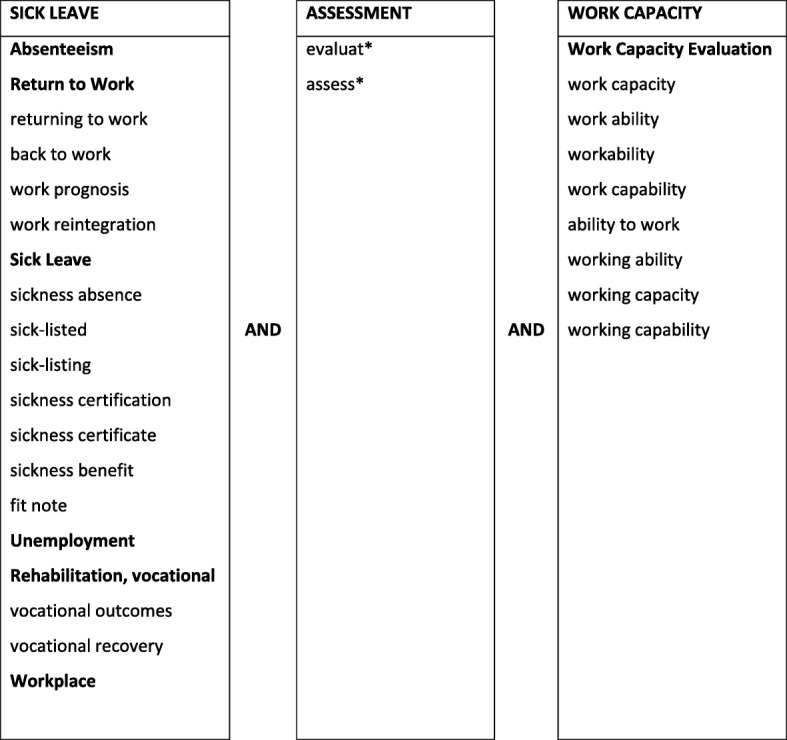
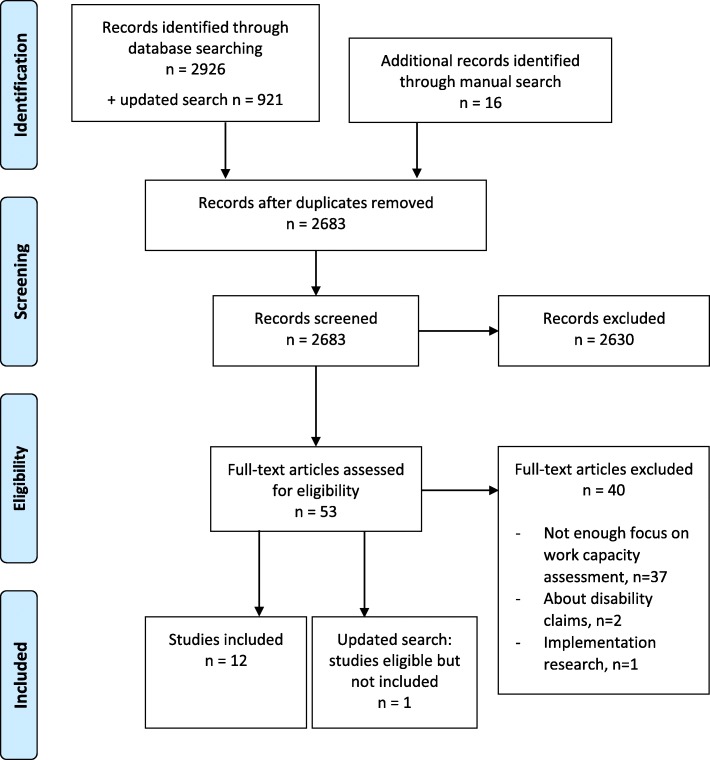
Seven electronic databases were searched systematically for qualitative studies examining what and how physicians do when they assess work capacity. Data was analysed and integrated using thematic synthesis.
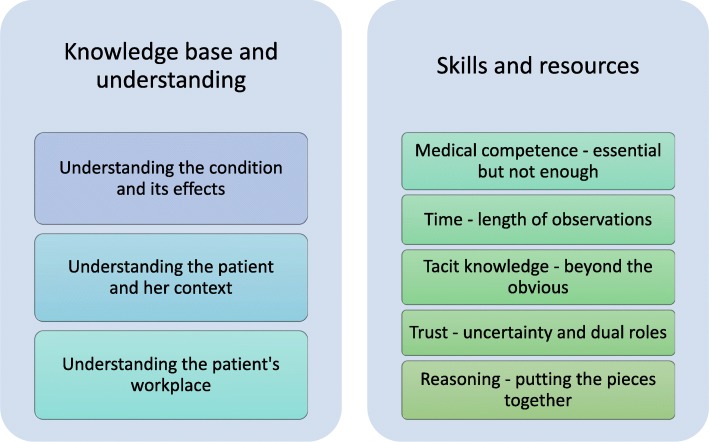
Twelve articles were included. Results show that physicians seek to form a knowledge base including understanding the condition, the patient and the patient's workplace. They consider both medical and non-medical aspects to affect work capacity. To acquire and process the information they use various skills, methods and resources. Medical competence is an important basis, but not enough. Time, trust, intuition and reasoning are also used to assess the patient's claims and to translate the findings into a final assessment. The depth and focus of the information seeking and processing vary depending on several factors.
The assessment of work capacity is a complex task where physicians rely on their non-medical skills to a higher degree than in ordinary clinical work. These skills are highly relevant but need to be complemented with access to appropriate resources such as understanding of the associations between health, work and social security, enough time in daily work for the assessment and ways to better understand the patient's work place. Also, the notion of an "objective" evaluation is questioned, calling for a greater appreciation of the complexity of the assessment and the role of professional judgement.
尽管在病假证明过程中,医生评估工作能力是主要任务之一,但医生在评估工作能力时的临床实践并未得到充分描述。为了更好地理解和支持认证过程,我们需要增加对这方面的了解。在本综述中,我们旨在综合现有的定性证据,更清楚地描述医生评估工作能力的实践。
系统地在七个电子数据库中搜索定性研究,以检查医生在评估工作能力时做了什么以及怎么做。使用主题综合法对数据进行分析和整合。
共纳入 12 篇文章。结果表明,医生试图建立一个知识库,包括了解病情、患者和患者的工作场所。他们认为医学和非医学方面都会影响工作能力。为了获取和处理信息,他们使用各种技能、方法和资源。医学能力是一个重要的基础,但还不够。时间、信任、直觉和推理也被用于评估患者的主张,并将发现转化为最终评估。信息搜索和处理的深度和重点取决于几个因素。
评估工作能力是一项复杂的任务,医生在评估工作能力时比在普通临床工作中更多地依赖非医学技能。这些技能非常重要,但需要补充对健康、工作和社会保障之间的关联的理解、日常工作中评估的足够时间以及更好地了解患者工作场所的方法。此外,还质疑了“客观”评估的概念,呼吁更多地关注评估的复杂性和专业判断的作用。