Institute of Chronic Illnesses, Inc, 14 Redgate Ct, Silver Spring, MD 20905, USA.
Med Hypotheses. 2020 Jul;140:109760. doi: 10.1016/j.mehy.2020.109760. Epub 2020 Apr 22.
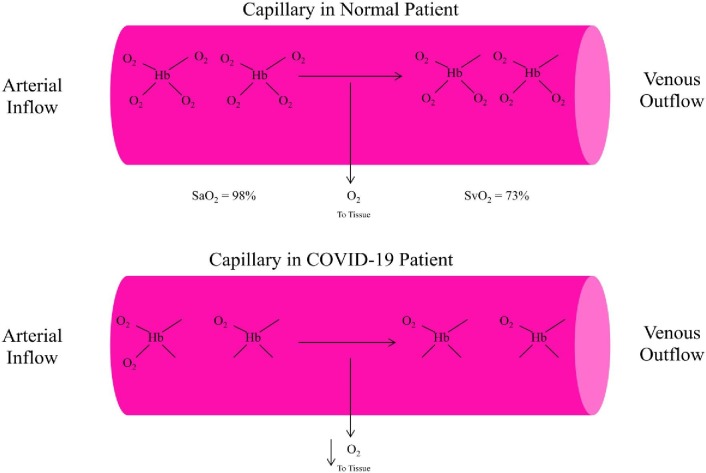
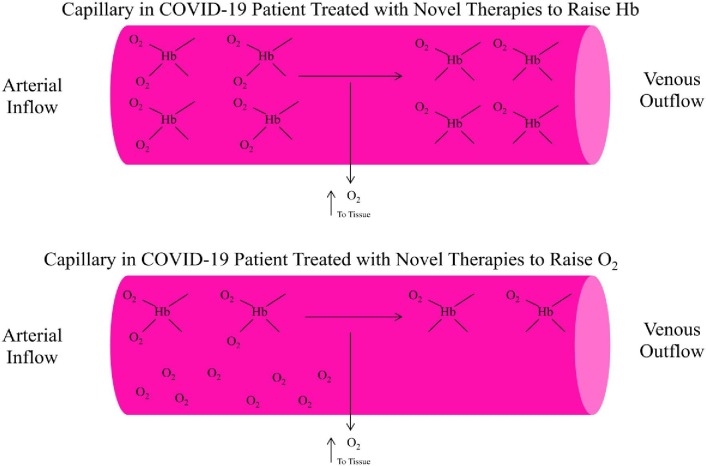
A novel virus named 2019 novel coronavirus (2019-nCoV/SARS-CoV-2) causes symptoms that are classified as coronavirus disease (COVID-19). Respiratory conditions are extensively described among more serious cases of COVID-19, and the onset of acute respiratory distress syndrome (ARDS) is one of the hallmark features of critical COVID-19 cases. ARDS can be directly life-threatening because it is associated with low blood oxygenation levels and can result in organ failure. There are no generally recognized effective treatments for COVID-19, but treatments are urgently needed. Anti-viral medications and vaccines are in the early developmental stages and may take many months or even years to fully develop. At present, management of COVID-19 with respiratory and ventilator support are standard therapeutic treatments, but unfortunately such treatments are associated with high mortality rates. Therefore, it is imperative to consider novel new therapeutic interventions to treat/ameliorate respiratory conditions associated with COVID-19. Alternate treatment strategies utilizing clinically available treatments such as hyperbaric oxygen therapy (HBOT), packed red blood cell (pRBC) transfusions, or erthropoiesis-stimulating agent (ESA) therapy were hypothesized to increase oxygenation of tissues by alternative means than standard respiratory and ventilator treatments. It was also revealed that alternative treatments currently being considered for COVID-19 such as chloroquine and hydroxychloroquine by increasing hemoglobin production and increasing hemoglobin availability for oxygen binding and acetazolamine (for the treatment of altitude sickness) by causing hyperventilation with associated increasing levels of oxygen and decreasing levels of carbon dioxide in the blood may significantly ameliorate COVID-19 respiratory symptoms. In conclusion, is recommend, given HBOT, pRBC, and ESA therapies are currently available and routinely utilized in the treatment of other conditions, that such therapies be tried among COVID-19 patients with serious respiratory conditions and that future controlled-clinical trials explore the potential usefulness of such treatments among COVID-19 patients with respiratory conditions.
一种名为 2019 年新型冠状病毒(2019-nCoV/SARS-CoV-2)的新型病毒可引发被归类为冠状病毒病(COVID-19)的症状。COVID-19 重症病例中广泛描述了呼吸道疾病,急性呼吸窘迫综合征(ARDS)的发作是重症 COVID-19 病例的标志特征之一。ARDS 可直接危及生命,因为它与低血氧水平有关,并可导致器官衰竭。目前,尚无公认的 COVID-19 有效治疗方法,但急需治疗方法。抗病毒药物和疫苗处于早期开发阶段,可能需要数月甚至数年才能完全开发。目前,使用呼吸和呼吸机支持治疗 COVID-19 是标准的治疗方法,但不幸的是,这些治疗方法与高死亡率相关。因此,必须考虑新的治疗干预措施来治疗/改善与 COVID-19 相关的呼吸道疾病。通过替代治疗策略,利用临床上可利用的治疗方法,如高压氧治疗(HBOT)、浓缩红细胞(pRBC)输注或促红细胞生成素(ESA)治疗,通过与标准呼吸和呼吸机治疗不同的方法来增加组织的氧合。还发现,目前正在考虑用于 COVID-19 的替代治疗方法,如氯喹和羟氯喹,通过增加血红蛋白的产生和增加血红蛋白的氧结合可用性,以及乙酰唑胺(用于治疗高原病)通过引起与血液中氧气水平升高和二氧化碳水平降低相关的过度通气,可能会显著改善 COVID-19 的呼吸道症状。总之,鉴于 HBOT、pRBC 和 ESA 疗法目前可用于治疗其他疾病且常规用于治疗其他疾病,建议在 COVID-19 严重呼吸道疾病患者中尝试这些疗法,并在未来的对照临床试验中探索这些疗法在 COVID-19 患者中对呼吸道疾病的潜在用途。