Grazioli Paola, Orlando Andrea, Giordano Nike, Noce Claudia, Peruzzi Giovanna, Scafetta Gaia, Screpanti Isabella, Campese Antonio Francesco
Department of Experimental Medicine, Sapienza University, Rome, Italy.
Department of Molecular Medicine, Sapienza University, Rome, Italy.
Front Immunol. 2020 Apr 3;11:541. doi: 10.3389/fimmu.2020.00541. eCollection 2020.
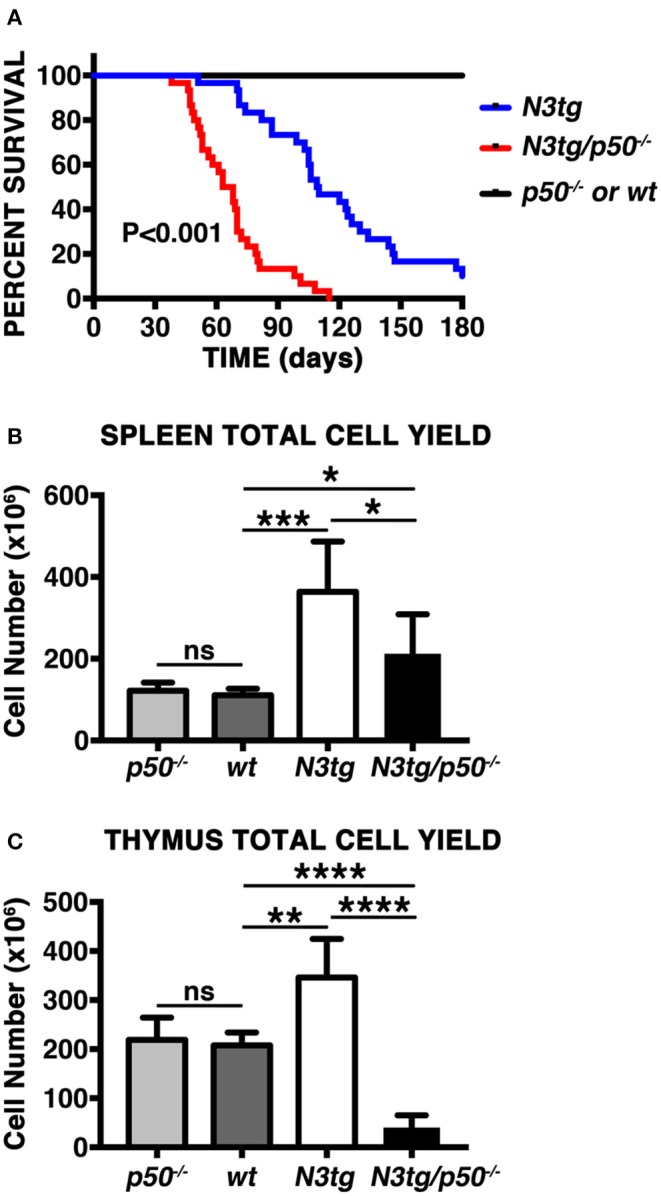
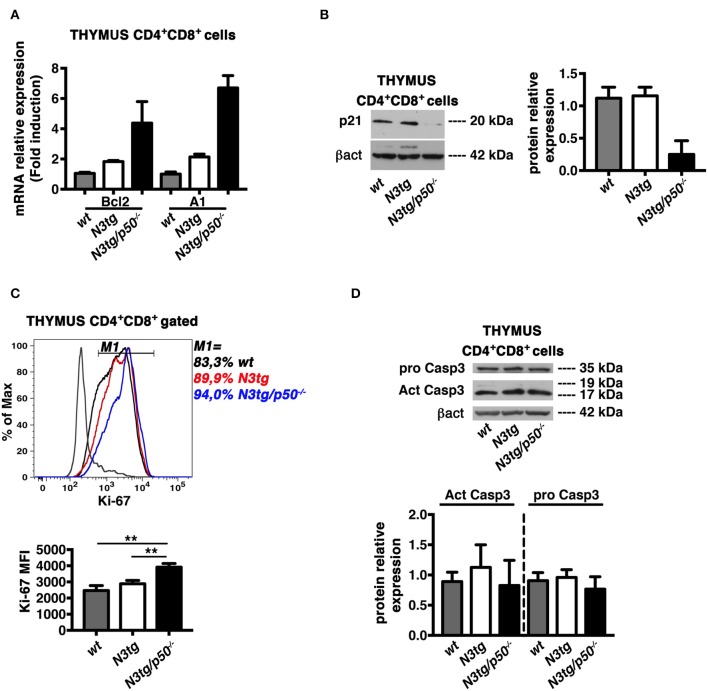
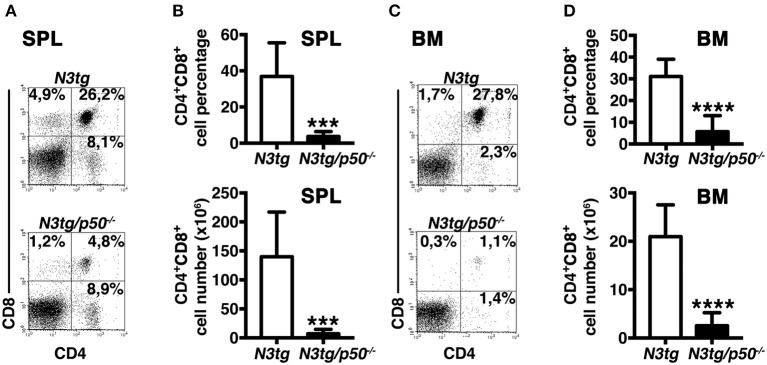
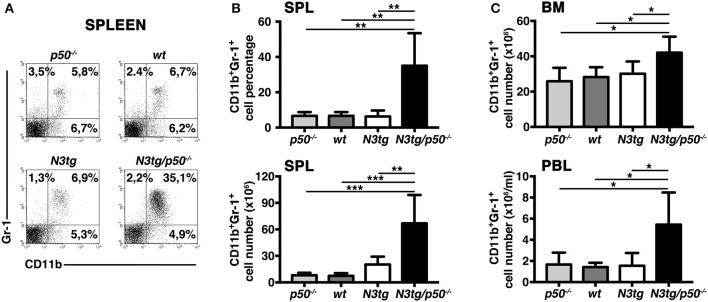
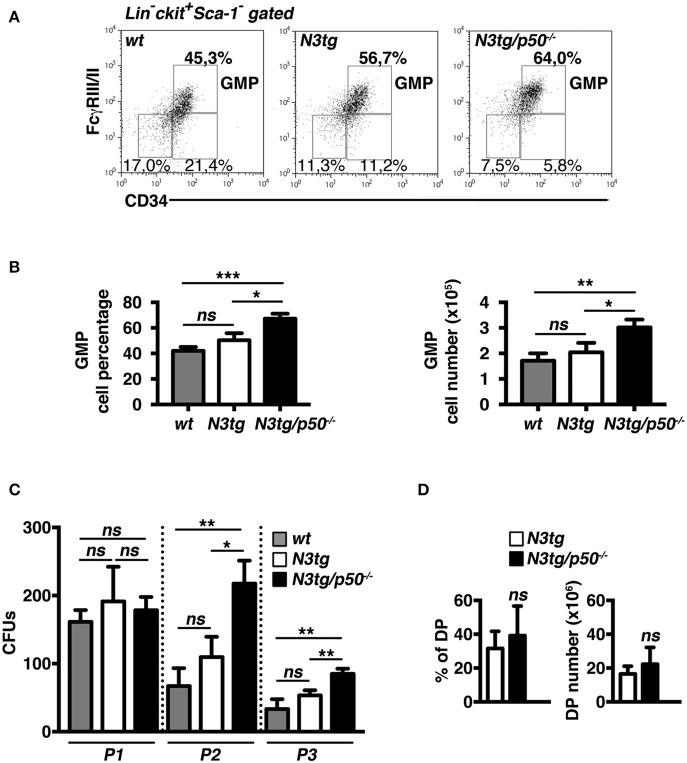
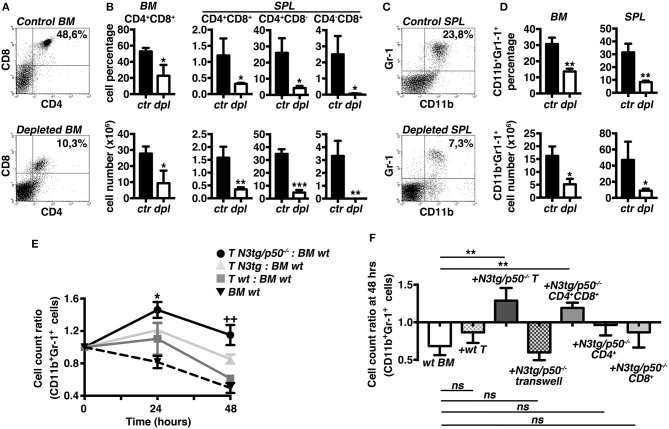
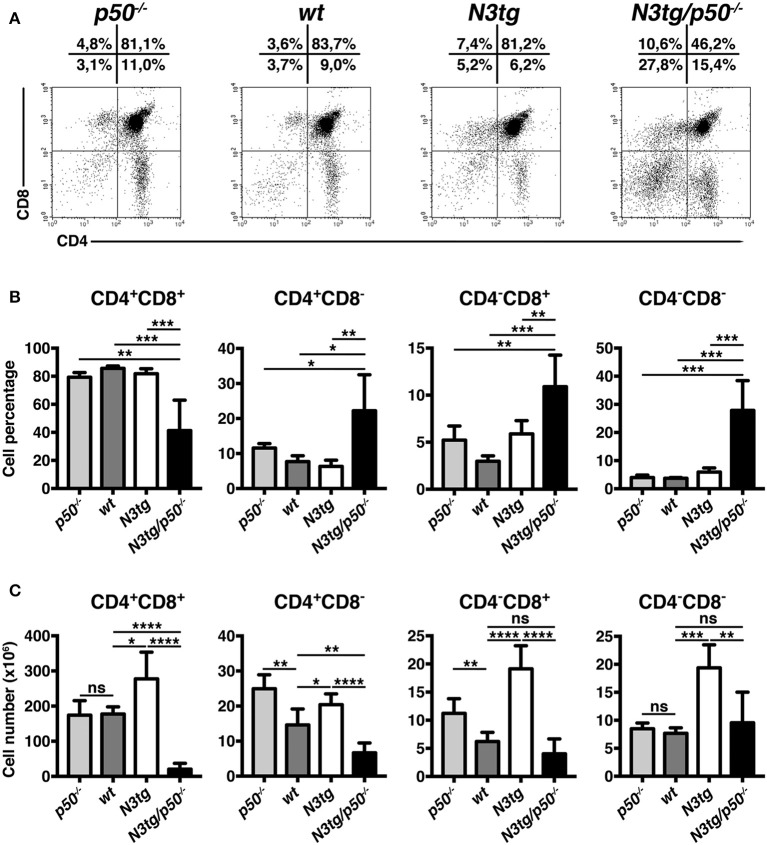
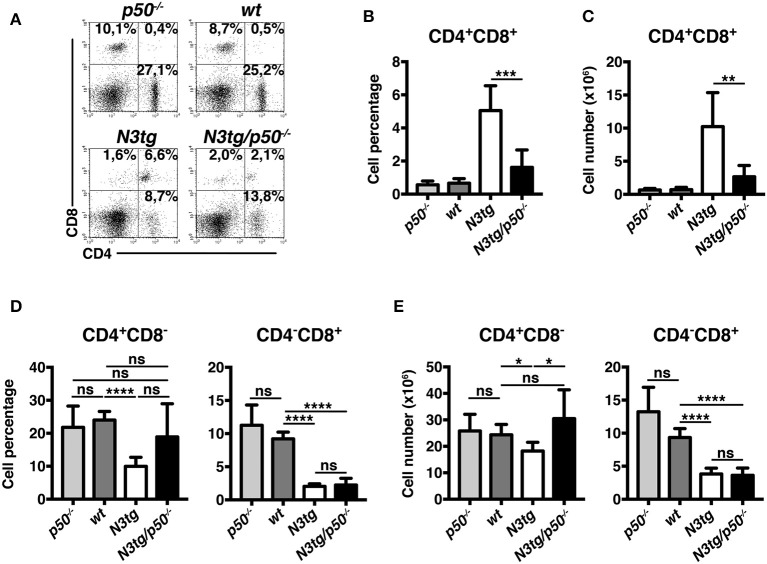
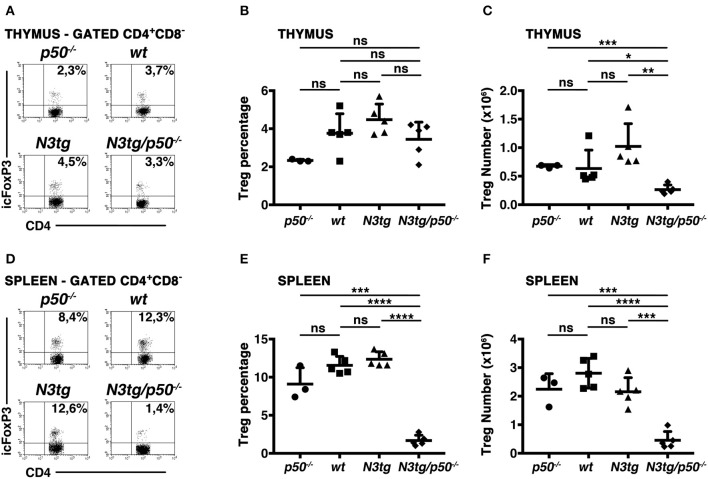
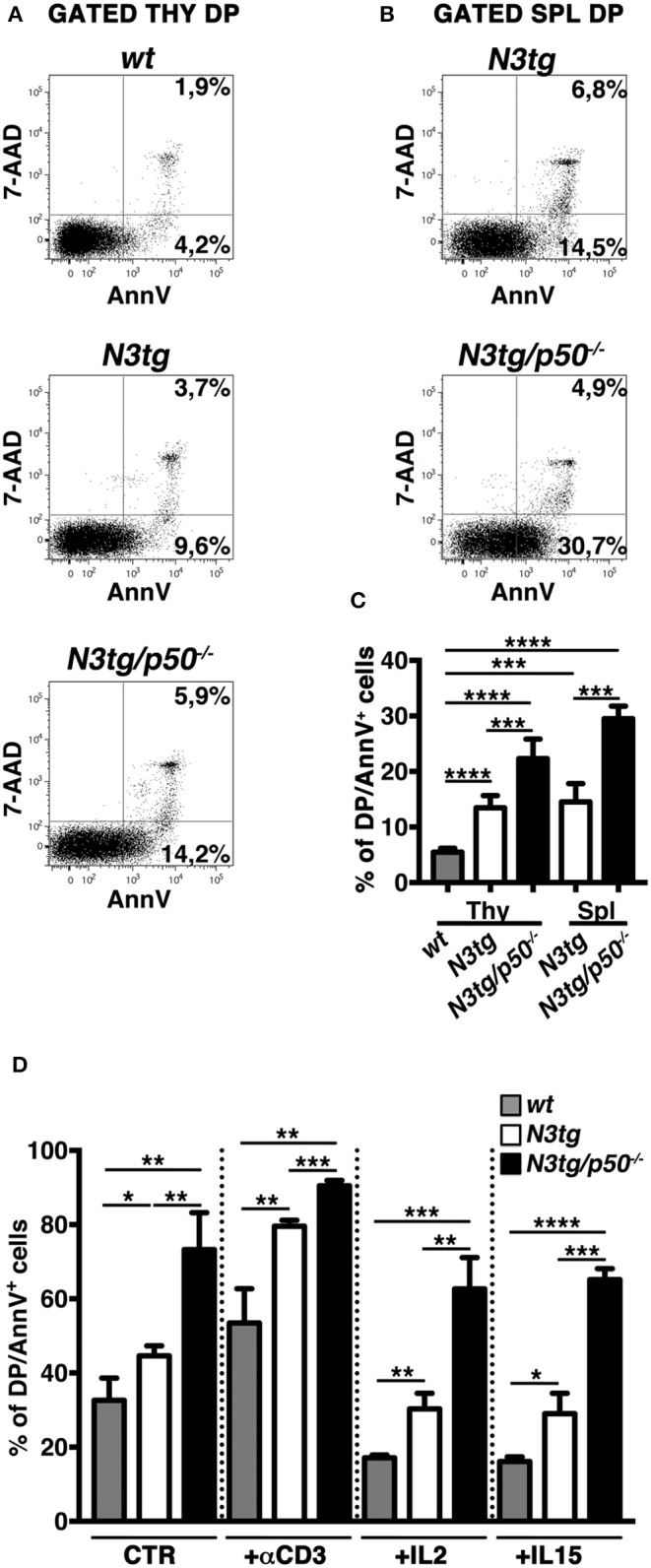
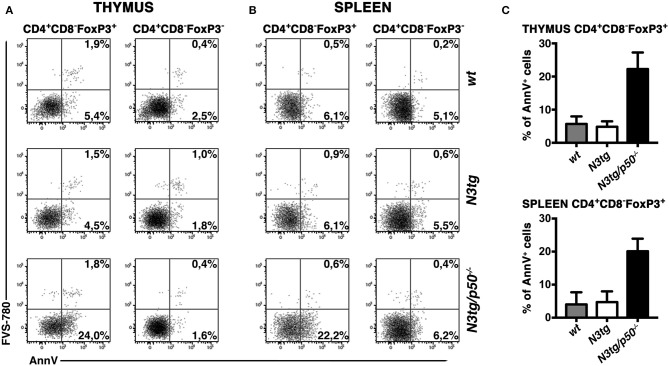
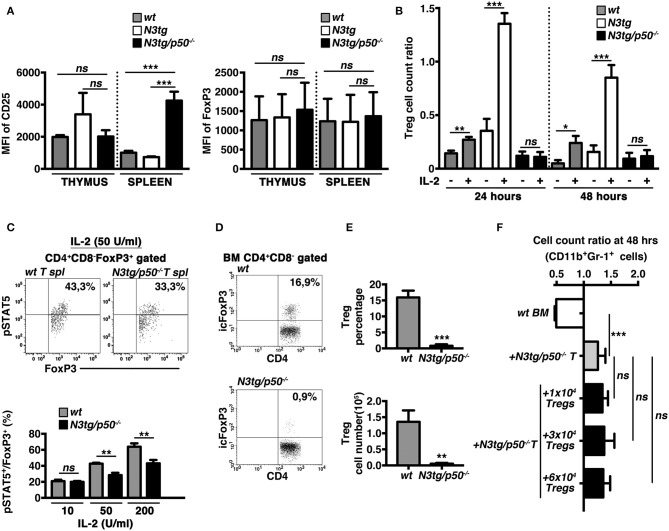
T-cell acute lymphoblastic leukemia (T-ALL) is an aggressive pediatric malignancy that arises from the transformation of immature T-cell progenitors and has no definitive cure. Notch signaling governs many steps of T cell development and its dysregulation represents the most common causative event in the pathogenesis of T-ALL. The activation of canonical NF-κB pathway has been described as a critical downstream mediator of Notch oncogenic functions, through the sustaining of tumor cell survival and growth. The potential role of Notch/NF-κB partnership is also emerging in the generation and function of regulatory T cells (Tregs) in the context of cancer. However, little is known about the effects of combined mutations of Notch and NF-κB in regulating immune-environment and progression of T-ALL. To shed light on the topics above we generated double-mutant mice, harboring conventional mutation of NF-κB1/p50 on the genetic background of a transgenic model of Notch-dependent T-ALL. The immunophenotyping of double-mutant mice demonstrates that NF-κB1 deletion inhibits the progression of T-ALL and strongly modifies immune-environment of the disease. Double-mutant mice display indeed a dramatic reduction of pre-leukemic CD4CD8 (DP) T cells and regulatory T cells (Tregs) and, concurrently, the rising of an aggressive myeloproliferative trait with a massive expansion of CD11bGr-1 cells in the periphery, and an accumulation of the granulocyte/monocyte progenitors in the bone-marrow. Interestingly, double-mutant T cells are able to improve the growth of CD11bGr-1 cells , and, more importantly, the depletion of T cells in double-mutant mice significantly reduces the expansion of myeloid compartment. Our results strongly suggest that the myeloproliferative trait observed in double-mutant mice may depend on non-cell-autonomous mechanism/s driven by T cells. Moreover, we demonstrate that the reduction of CD4CD8 (DP) T cells and Tregs in double-mutant mice relies on a significant enhancement of their apoptotic rate. In conclusion, double-mutant mice may represent a useful model to deepen the knowledge of the consequences on T-ALL immune-environment of modulating Notch/NF-κB relationships in tumor cells. More importantly, information derived from these studies may help in the refinement of multitarget therapies for the disease.
T细胞急性淋巴细胞白血病(T-ALL)是一种侵袭性儿科恶性肿瘤,由未成熟T细胞祖细胞转化而来,尚无确切的治愈方法。Notch信号传导控制着T细胞发育的许多步骤,其失调是T-ALL发病机制中最常见的致病事件。经典NF-κB途径的激活已被描述为Notch致癌功能的关键下游介质,通过维持肿瘤细胞的存活和生长发挥作用。在癌症背景下,Notch/NF-κB相互作用在调节性T细胞(Tregs)的产生和功能方面的潜在作用也逐渐显现。然而,关于Notch和NF-κB联合突变在调节T-ALL免疫环境和进展中的作用知之甚少。为了阐明上述问题,我们构建了双突变小鼠,在Notch依赖性T-ALL转基因模型的遗传背景上携带NF-κB1/p50的常规突变。双突变小鼠的免疫表型分析表明,NF-κB1缺失抑制了T-ALL的进展,并强烈改变了该疾病的免疫环境。双突变小鼠确实表现出白血病前期CD4CD8(双阳性,DP)T细胞和调节性T细胞(Tregs)显著减少,同时,外周出现具有侵袭性的骨髓增殖特征,CD11bGr-1细胞大量扩增,骨髓中粒细胞/单核细胞祖细胞积累。有趣的是,双突变T细胞能够促进CD11bGr-1细胞的生长,更重要的是,双突变小鼠中T细胞的耗竭显著减少了髓系区室的扩增。我们的结果强烈表明,双突变小鼠中观察到的骨髓增殖特征可能依赖于T细胞驱动的非细胞自主机制。此外,我们证明双突变小鼠中CD4CD8(DP)T细胞和Tregs的减少依赖于其凋亡率的显著提高。总之,双突变小鼠可能是一个有用的模型,有助于加深对调节肿瘤细胞中Notch/NF-κB关系对T-ALL免疫环境影响的认识。更重要的是,这些研究获得的信息可能有助于完善该疾病的多靶点治疗。