PAK Research Center, Melbourne, Australia.
Teikyo University, Tokyo, Japan.
Drug Discov Today. 2020 Jun;25(6):959-964. doi: 10.1016/j.drudis.2020.03.008. Epub 2020 Apr 26.
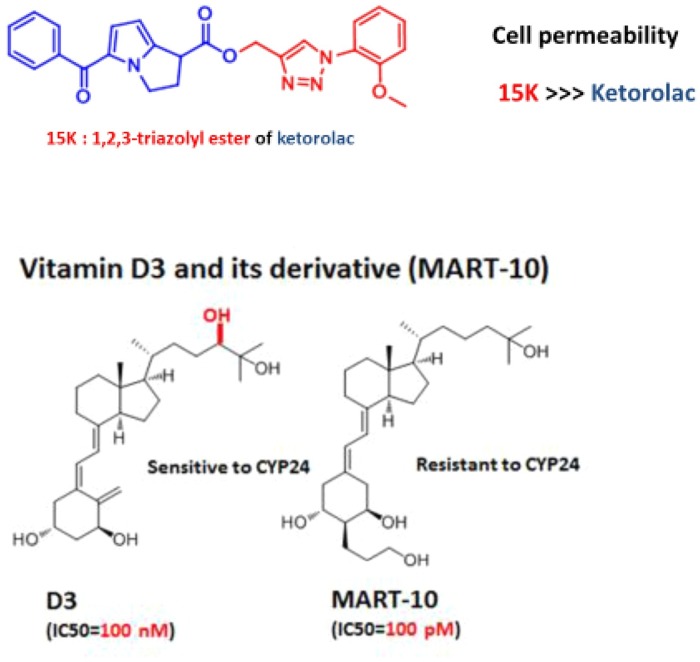
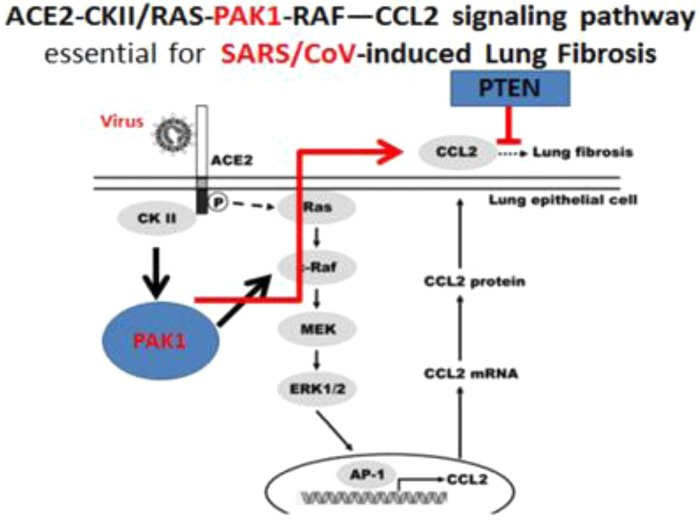
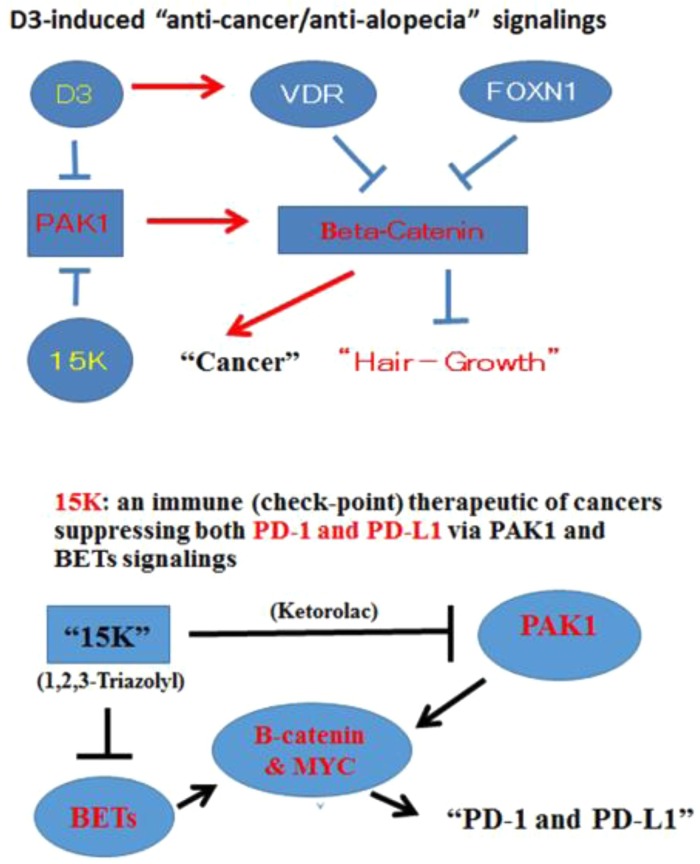
To celebrate the 25th anniversary of the cloning of the first mammalian p21-activated kinases (PAKs) (RAC/CDC42-activated kinases) by Ed Manser, the first international PAK symposium was held in NYC in October 2019. Among six distinct PAKs in mammals, PAK1 is the major 'pathogenic kinase', the abnormal activation of which is responsible for a wide variety of diseases and disorders including cancers, ageing processes and infectious and inflammatory diseases such as pandemic coronaviral infection. Recently, for a clinical application, a few potent (highly cell-permeable and water-soluble) PAK1 blockers have been developed from natural or synthetic PAK1 blockers (triptolide, vitamin D3 and ketorolac) via a series of 'chemical evolutions' that boost pharmacological activities >500 times.
为庆祝 Ed Manser 克隆第一个哺乳动物 p21 激活激酶(PAKs)(RAC/CDC42 激活激酶)25 周年,2019 年 10 月在纽约市举办了第一届国际 PAK 研讨会。在哺乳动物的六个不同的 PAK 中,PAK1 是主要的“致病激酶”,其异常激活导致多种疾病和失调,包括癌症、衰老过程以及传染病和炎症性疾病,如大流行冠状病毒感染。最近,为了临床应用,通过一系列“化学进化”,从天然或合成的 PAK1 抑制剂(雷公藤内酯、维生素 D3 和酮咯酸)中开发了几种有效的(高细胞通透性和水溶性)PAK1 抑制剂,其药理活性提高了 500 多倍。