• 文献检索
  • 文档翻译
  • 深度研究
  • 学术资讯
  • Suppr Zotero 插件Zotero 插件
  • 邀请有礼
  • 套餐&价格
  • 历史记录
应用&插件
Suppr Zotero 插件Zotero 插件浏览器插件Mac 客户端Windows 客户端微信小程序
定价
高级版会员购买积分包购买API积分包
服务
文献检索文档翻译深度研究API 文档MCP 服务
关于我们
关于 Suppr公司介绍联系我们用户协议隐私条款
关注我们

Suppr 超能文献

核心技术专利:CN118964589B侵权必究
粤ICP备2023148730 号-1Suppr @ 2026

文献检索

告别复杂PubMed语法,用中文像聊天一样搜索,搜遍4000万医学文献。AI智能推荐,让科研检索更轻松。

立即免费搜索

文件翻译

保留排版,准确专业,支持PDF/Word/PPT等文件格式,支持 12+语言互译。

免费翻译文档

深度研究

AI帮你快速写综述,25分钟生成高质量综述,智能提取关键信息,辅助科研写作。

立即免费体验

干粉吸入器在慢性阻塞性肺疾病中不适当的吸气峰流速。

Inappropriate Peak Inspiratory Flow Rate with Dry Powder Inhaler in Chronic Obstructive Pulmonary Disease.

机构信息

Department of Internal Medicine, National Taiwan University Hospital, College of Medicine, National Taiwan University, Taipei, Taiwan.

Institute of Epidemiology and Preventive Medicine, College of Public Health, National Taiwan University, Taipei, Taiwan.

出版信息

Sci Rep. 2020 Apr 29;10(1):7271. doi: 10.1038/s41598-020-64235-6.

DOI:10.1038/s41598-020-64235-6
PMID:32350352
原文链接:https://pmc.ncbi.nlm.nih.gov/articles/PMC7190738/
Abstract

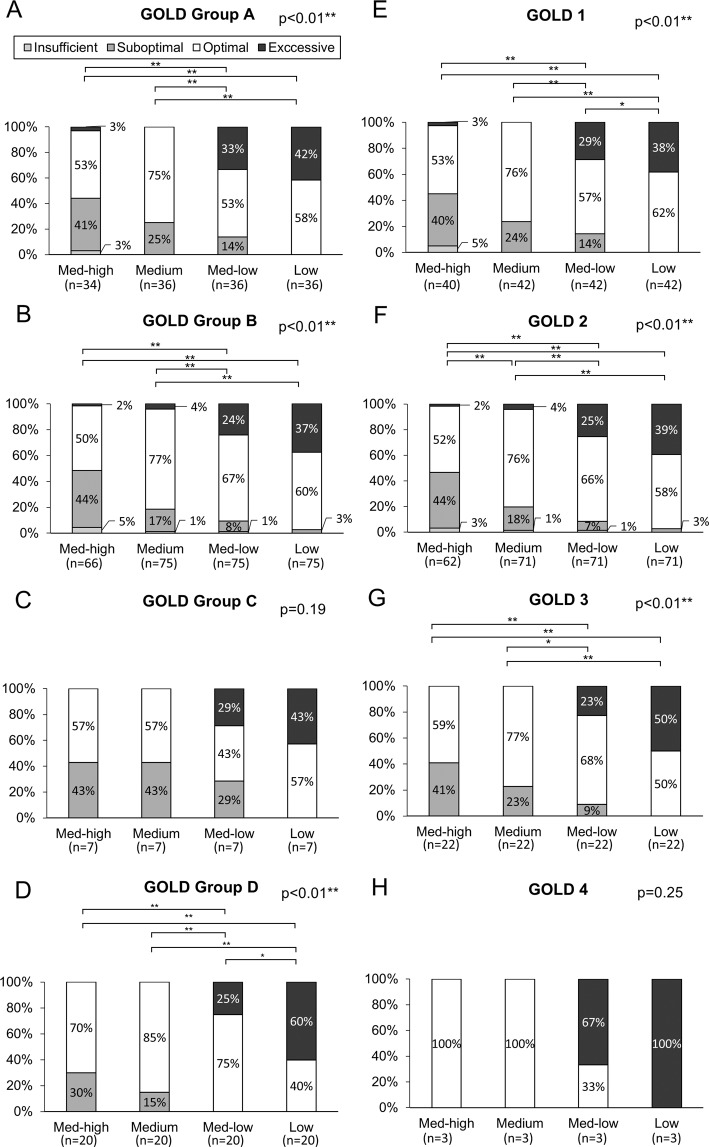
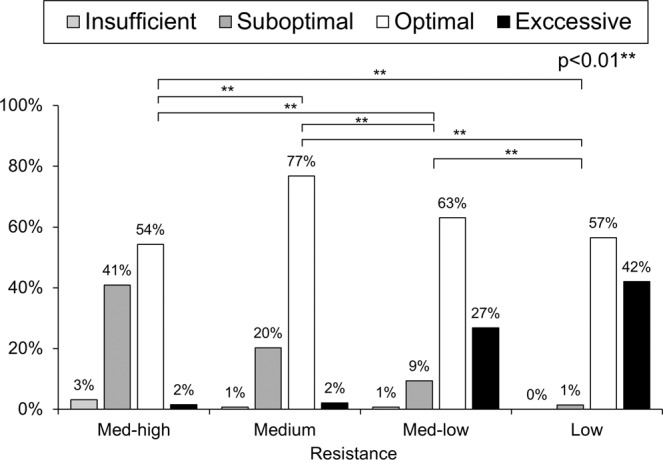
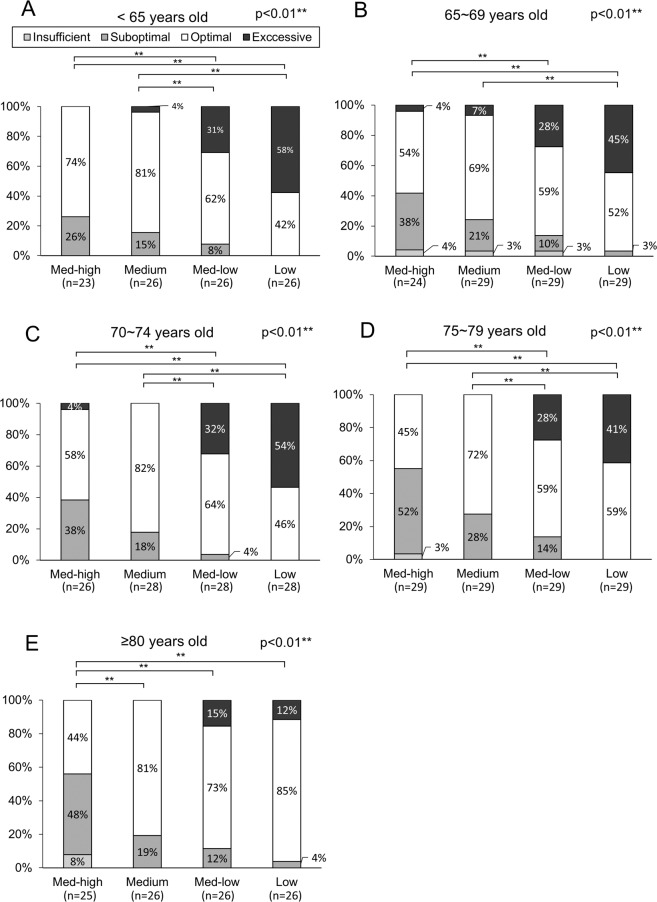
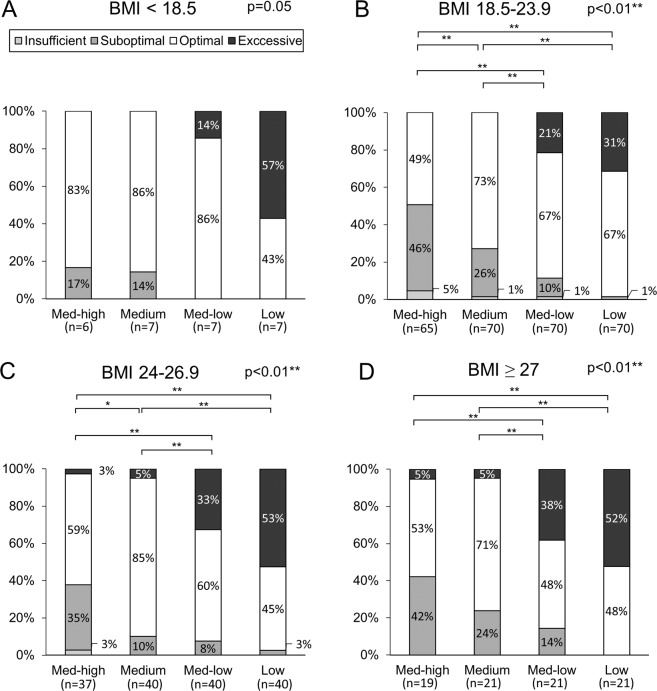
Optimal peak inspiratory flow rate (PIFR) is crucial for optimizing dry powder inhaler (DPI) effectiveness for chronic obstructive pulmonary disease (COPD). This study provide an insight that there was a substantial proportion of improper PIFRs (not only insufficient but also excessive) among COPD patients using DPIs. We enrolled 138 COPD patients from a medical center in Taiwan and measured PIFRs against different internal resistances of DPIs. Proportion of excessive, optimal, suboptimal, and insufficient PIFRs were 2%, 54%, 41%, 3%, respectively, against medium-high resistance; 2%, 77%, 20%, 1%, respectively, against medium resistance; 27%, 63%, 9%, 1%, respectively, against medium-low resistance; and 42%, 57%, 1%, 0%, respectively, against low resistance (p < 0.01). Although most PIFRs against medium-high (54%), medium (77%), medium-low (63%) and low (57%) resistance were optimal, a substantial proportion of PIFRs against low resistance were excessive (42%, p < 0.01), irrespective of age, body-mass index, dyspnea severity score, and COPD severity. Insufficient PIFRs were infrequent, but suboptimal/insufficient PIFRs were most prevalent in patients older than 75 years than in younger patients (36% vs. 56%, p = 0.036) against medium-high resistance. Regularly monitoring PIFRs against the specific resistance of the DPIs and instructing patients to employ a proper inspiration effort may help to optimize the effects of DPIs.

摘要

优化峰值吸气流速(PIFR)对于优化慢性阻塞性肺疾病(COPD)患者的干粉吸入器(DPI)疗效至关重要。本研究表明,在使用 DPI 的 COPD 患者中,存在相当比例的 PIFR 不当(不仅不足,而且过多)。我们从台湾一家医学中心招募了 138 名 COPD 患者,并针对不同的 DPI 内部阻力测量了 PIFR。过高、最佳、欠佳和不足的 PIFR 比例分别为:中高阻力时,分别为 2%、54%、41%、3%;中阻力时,分别为 2%、77%、20%、1%;中低阻力时,分别为 27%、63%、9%、1%;低阻力时,分别为 42%、57%、1%、0%(p<0.01)。尽管大多数中高(54%)、中(77%)、中低(63%)和低(57%)阻力的 PIFR 最佳,但相当比例的低阻力 PIFR 过高(42%,p<0.01),与年龄、体重指数、呼吸困难严重程度评分和 COPD 严重程度无关。不足的 PIFR 并不常见,但年龄大于 75 岁的患者比年轻患者更常见欠佳/不足的 PIFR(36% vs. 56%,p=0.036)对抗中高阻力。定期监测针对 DPI 特定阻力的 PIFR 并指导患者使用适当的吸气力,可能有助于优化 DPI 的效果。
https://cdn.ncbi.nlm.nih.gov/pmc/blobs/cfd3/7190738/ca90cd54b277/41598_2020_64235_Fig5_HTML.jpg
https://cdn.ncbi.nlm.nih.gov/pmc/blobs/cfd3/7190738/941ad094f39b/41598_2020_64235_Fig1_HTML.jpg
https://cdn.ncbi.nlm.nih.gov/pmc/blobs/cfd3/7190738/9233cf727523/41598_2020_64235_Fig2_HTML.jpg
https://cdn.ncbi.nlm.nih.gov/pmc/blobs/cfd3/7190738/eaf87427f42b/41598_2020_64235_Fig3_HTML.jpg
https://cdn.ncbi.nlm.nih.gov/pmc/blobs/cfd3/7190738/1d90b5c0e71e/41598_2020_64235_Fig4_HTML.jpg
https://cdn.ncbi.nlm.nih.gov/pmc/blobs/cfd3/7190738/ca90cd54b277/41598_2020_64235_Fig5_HTML.jpg
https://cdn.ncbi.nlm.nih.gov/pmc/blobs/cfd3/7190738/941ad094f39b/41598_2020_64235_Fig1_HTML.jpg
https://cdn.ncbi.nlm.nih.gov/pmc/blobs/cfd3/7190738/9233cf727523/41598_2020_64235_Fig2_HTML.jpg
https://cdn.ncbi.nlm.nih.gov/pmc/blobs/cfd3/7190738/eaf87427f42b/41598_2020_64235_Fig3_HTML.jpg
https://cdn.ncbi.nlm.nih.gov/pmc/blobs/cfd3/7190738/1d90b5c0e71e/41598_2020_64235_Fig4_HTML.jpg
https://cdn.ncbi.nlm.nih.gov/pmc/blobs/cfd3/7190738/ca90cd54b277/41598_2020_64235_Fig5_HTML.jpg

相似文献

1
Inappropriate Peak Inspiratory Flow Rate with Dry Powder Inhaler in Chronic Obstructive Pulmonary Disease.干粉吸入器在慢性阻塞性肺疾病中不适当的吸气峰流速。
Sci Rep. 2020 Apr 29;10(1):7271. doi: 10.1038/s41598-020-64235-6.
2
Prevalence and factors associated with suboptimal peak inspiratory flow rates in COPD.慢性阻塞性肺疾病(COPD)中吸气峰值流速未达最佳水平的患病率及相关因素
Int J Chron Obstruct Pulmon Dis. 2019 Mar 1;14:585-595. doi: 10.2147/COPD.S195438. eCollection 2019.
3
Prevalence and predictors of suboptimal peak inspiratory flow rate in COPD patients.COPD 患者中未达最佳吸气峰流速的流行率及预测因素。
Eur J Pharm Sci. 2020 Apr 30;147:105298. doi: 10.1016/j.ejps.2020.105298. Epub 2020 Mar 6.
4
Effect of Disease Severity in Asthma and Chronic Obstructive Pulmonary Disease on Inhaler-Specific Inhalation Profiles Through the ELLIPTA® Dry Powder Inhaler.哮喘和慢性阻塞性肺疾病的疾病严重程度对通过ELLIPTA®干粉吸入器的特定吸入器吸入特征的影响。
J Aerosol Med Pulm Drug Deliv. 2015 Dec;28(6):486-97. doi: 10.1089/jamp.2015.1224. Epub 2015 Sep 15.
5
Optimizing inhalation therapy in the aspect of peak inhalation flow rate in patients with chronic obstructive pulmonary disease or asthma.优化慢性阻塞性肺疾病或哮喘患者吸气峰流速方面的吸入疗法。
BMC Pulm Med. 2021 Sep 24;21(1):302. doi: 10.1186/s12890-021-01674-5.
6
Suboptimal peak inspiratory flow rate in dry-powder inhaler users for chronic obstructive pulmonary disease in Korea.韩国慢性阻塞性肺疾病患者干粉吸入器使用中吸气峰流速不理想。
Pulm Pharmacol Ther. 2024 Jun;85:102298. doi: 10.1016/j.pupt.2024.102298. Epub 2024 Apr 10.
7
Peak Inspiratory Flow Rate in Chronic Obstructive Pulmonary Disease: Implications for Dry Powder Inhalers.慢性阻塞性肺疾病的最大吸气流量:对干粉吸入器的影响。
J Aerosol Med Pulm Drug Deliv. 2017 Dec;30(6):381-387. doi: 10.1089/jamp.2017.1416. Epub 2017 Sep 21.
8
Determinants of Suboptimal Peak Inspiratory Flow Rates among Patients with Chronic Obstructive Pulmonary Disease in Southwest, Nigeria.尼日利亚西南部慢性阻塞性肺疾病患者未达最佳吸气峰流速的决定因素。
West Afr J Med. 2023 May 27;40(5):553-561.
9
Physiological predictors Of peak inspiRatory flow using Observed lung function resultS (POROS): evaluation at discharge among patients hospitalized for a COPD exacerbation.使用观察到的肺功能结果预测峰值吸气流量的生理指标(POROS):慢性阻塞性肺疾病急性加重住院患者出院时的评估
Int J Chron Obstruct Pulmon Dis. 2018 Dec 13;13:3937-3946. doi: 10.2147/COPD.S174371. eCollection 2018.
10
Inappropriate Peak Inspiratory Flow Rate in the Patients with Stable Chronic Obstructive Pulmonary Disease in Korea.韩国稳定期慢性阻塞性肺疾病患者吸气峰流速不当的情况
Tuberc Respir Dis (Seoul). 2024 Oct;87(4):458-464. doi: 10.4046/trd.2023.0195. Epub 2024 Apr 25.

引用本文的文献

1
Evaluation of Preliminary Bronchodilation Effect on Aerosol Delivery from a Dry Powder Inhaler for Patients with Chronic Obstructive Pulmonary Disease with Suboptimal Peak Inspiratory Flow Rate.对吸气峰流速未达最佳的慢性阻塞性肺疾病患者,评估干粉吸入器气溶胶递送的初步支气管扩张效果。
Clin Pharmacokinet. 2025 Aug 29. doi: 10.1007/s40262-025-01560-x.
2
Evolution of Peak Inspiratory Flow During Hospitalization of Patients with COPD - A Prospective Monocentric Observational Study.慢性阻塞性肺疾病患者住院期间吸气峰流速的演变——一项前瞻性单中心观察性研究
Int J Chron Obstruct Pulmon Dis. 2025 Apr 4;20:957-969. doi: 10.2147/COPD.S512880. eCollection 2025.
3

本文引用的文献

1
Spirometry Measurement of Peak Inspiratory Flow Identifies Suboptimal Use of Dry Powder Inhalers in Ambulatory Patients with COPD.肺活量测定法测量吸气峰流量可识别慢性阻塞性肺疾病门诊患者干粉吸入器的使用不当情况。
Chronic Obstr Pulm Dis. 2019 Jul 24;6(3):246-255. doi: 10.15326/jcopdf.6.3.2018.0163.
2
Peak Inspiratory Flow Rate as a Criterion for Dry Powder Inhaler Use in Chronic Obstructive Pulmonary Disease.峰吸气流率作为慢性阻塞性肺疾病干粉吸入器使用的标准。
Ann Am Thorac Soc. 2017 Jul;14(7):1103-1107. doi: 10.1513/AnnalsATS.201702-156PS.
3
Influences of gender and anthropometric features on inspiratory inhaler acoustics and peak inspiratory flow rate.
Predictors of Suboptimal Peak Inspiratory Flow in Patients with Acute Exacerbation of Chronic Obstructive Pulmonary Disease in Clinical Practice.
临床实践中慢性阻塞性肺疾病急性加重患者吸气峰流速未达最佳水平的预测因素
Tuberc Respir Dis (Seoul). 2025 Jul;88(3):516-525. doi: 10.4046/trd.2024.0154. Epub 2025 Mar 6.
4
Suboptimal Peak Inspiratory Flow in Patients Hospitalized for COPD Exacerbation: Prevalence and Predictive Factors.慢性阻塞性肺疾病加重住院患者的吸气峰流速不佳:患病率及预测因素。
J Aerosol Med Pulm Drug Deliv. 2024 Oct;37(5):225-231. doi: 10.1089/jamp.2024.0002. Epub 2024 Jun 19.
5
Clinical characteristics of chronic obstructive pulmonary disease patients with superoptimal peak inspiratory flow rate.慢性阻塞性肺疾病患者超最佳吸气峰流速的临床特征。
Sci Rep. 2024 Jul 3;14(1):15337. doi: 10.1038/s41598-024-65085-2.
6
Prevalence and Factors Affecting the Optimal and Non-optimal Peak Inspiratory Flow Rate in Stable and Exacerbation Phases of Chronic Obstructive Pulmonary Disease and Bronchial Asthma in India.印度慢性阻塞性肺疾病和支气管哮喘稳定期与加重期最佳和非最佳吸气峰流速的患病率及影响因素
Cureus. 2024 Apr 21;16(4):e58670. doi: 10.7759/cureus.58670. eCollection 2024 Apr.
7
Suboptimal peak inspiratory flow rate: a noticeable risk factor for inhaler concordance in patients with chronic airway diseases.吸气峰流速不佳:慢性气道疾病患者吸入器治疗依从性的显著相关风险因素。
BMJ Open Respir Res. 2024 Apr 19;11(1):e001981. doi: 10.1136/bmjresp-2023-001981.
8
Effect on Physical Position of Peak Inspiratory Flow in Stable COPD: An Observational Study.稳定期慢性阻塞性肺疾病中吸气峰流速对身体姿势的影响:一项观察性研究。
Chronic Obstr Pulm Dis. 2024 Mar 26;11(2):174-186. doi: 10.15326/jcopdf.2023.0460.
9
Shared Decision-Making Facilitates Inhaler Choice in Patients with Newly-Diagnosed Chronic Obstructive Pulmonary Disease: A Multicenter Prospective Study.共享决策有助于新诊断的慢性阻塞性肺疾病患者选择吸入器:一项多中心前瞻性研究。
Int J Chron Obstruct Pulmon Dis. 2022 Sep 2;17:2067-2078. doi: 10.2147/COPD.S376547. eCollection 2022.
10
Respirable Clofazimine Particles Produced by Air Jet Milling Technique Are Efficacious in Treatment of BALB/c Mice with Chronic Mycobacterium tuberculosis Infection.空气喷射磨技术制备的可吸入氯法齐明颗粒对慢性结核分枝杆菌感染 BALB/c 小鼠有效。
Antimicrob Agents Chemother. 2022 Sep 20;66(9):e0018622. doi: 10.1128/aac.00186-22. Epub 2022 Aug 9.
性别和人体测量特征对吸入式吸入器声学及吸气峰值流速的影响。
Annu Int Conf IEEE Eng Med Biol Soc. 2015;2015:2227-30. doi: 10.1109/EMBC.2015.7318834.
4
COPD in Taiwan: a National Epidemiology Survey.台湾慢性阻塞性肺疾病:一项全国性流行病学调查。
Int J Chron Obstruct Pulmon Dis. 2015 Nov 11;10:2459-67. doi: 10.2147/COPD.S89672. eCollection 2015.
5
Inhalation drug delivery devices: technology update.吸入式药物递送装置:技术更新
Med Devices (Auckl). 2015 Feb 12;8:131-9. doi: 10.2147/MDER.S48888. eCollection 2015.