Department of Oncology, Johns Hopkins University School of Medicine and the Sidney Kimmel Comprehensive Cancer Center at Johns Hopkins, Baltimore, MD 21218, USA.
Cells. 2020 Apr 28;9(5):1091. doi: 10.3390/cells9051091.
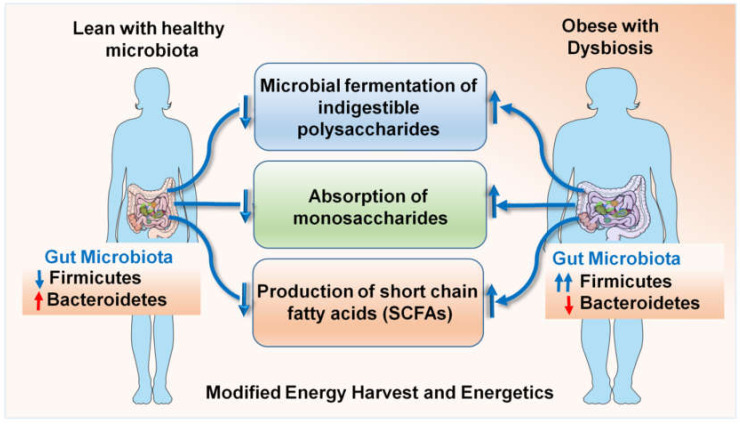
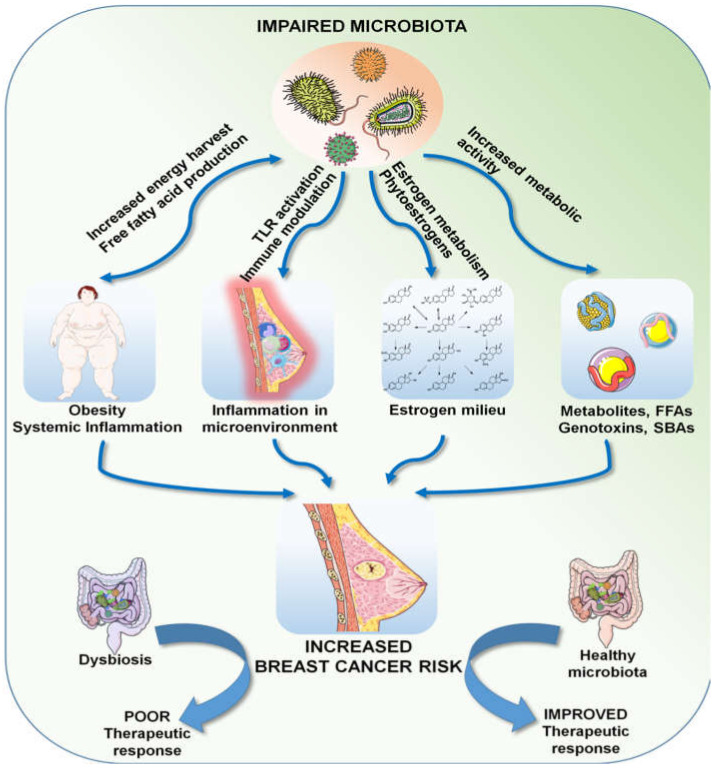
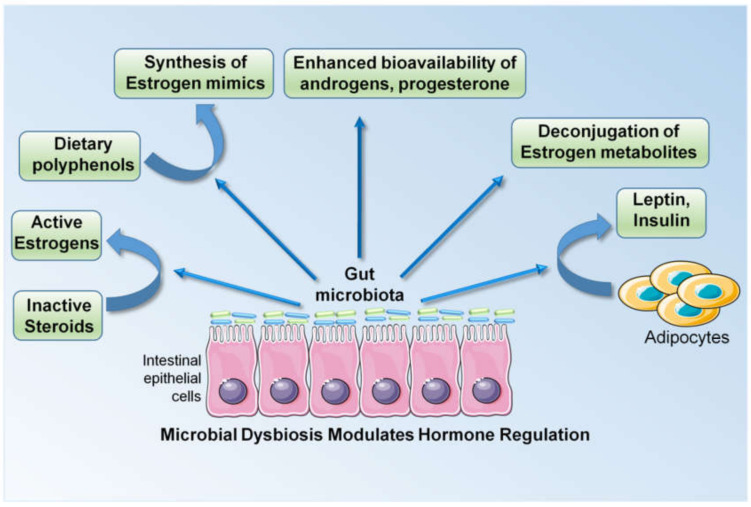
Breast cancer-related mortality remains high worldwide, despite tremendous advances in diagnostics and therapeutics; hence, the quest for better strategies for disease management, as well as the identification of modifiable risk factors, continues. With recent leaps in genomic technologies, microbiota have emerged as major players in most cancers, including breast cancer. Interestingly, microbial alterations have been observed with some of the established risk factors of breast cancer, such as obesity, aging and periodontal disease. Higher levels of estrogen, a risk factor for breast cancer that cross-talks with other risk factors such as alcohol intake, obesity, parity, breastfeeding, early menarche and late menopause, are also modulated by microbial dysbiosis. In this review, we discuss the association between known breast cancer risk factors and altered microbiota. An important question related to microbial dysbiosis and cancer is the underlying mechanisms by which alterations in microbiota can support cancer progression. To this end, we review the involvement of microbial metabolites as effector molecules, the modulation of the metabolism of xenobiotics, the induction of systemic immune modulation, and altered responses to therapy owing to microbial dysbiosis. Given the association of breast cancer risk factors with microbial dysbiosis and the multitude of mechanisms altered by dysbiotic microbiota, an impaired microbiome is, in itself, an important risk factor.
尽管在诊断和治疗方面取得了巨大的进展,但全球范围内与乳腺癌相关的死亡率仍然很高;因此,人们继续寻求更好的疾病管理策略,并确定可改变的风险因素。随着基因组技术的最新飞跃,微生物群已成为包括乳腺癌在内的大多数癌症的主要参与者。有趣的是,已经观察到微生物的改变与乳腺癌的一些已确立的风险因素有关,如肥胖、衰老和牙周病。微生物失调也会调节乳腺癌的一些风险因素,如雌激素水平升高,雌激素是乳腺癌的一个风险因素,它与其他风险因素如饮酒、肥胖、生育、哺乳、初潮早和绝经晚相互作用。在这篇综述中,我们讨论了已知的乳腺癌风险因素与改变的微生物群之间的关联。与微生物失调和癌症相关的一个重要问题是,微生物群的改变如何支持癌症的进展。为此,我们回顾了微生物代谢物作为效应分子的参与、外源性物质代谢的调节、全身免疫调节的诱导,以及由于微生物失调导致的治疗反应改变。鉴于乳腺癌风险因素与微生物失调的相关性以及失调的微生物群改变的多种机制,受损的微生物组本身就是一个重要的风险因素。