Ma Xiaowei, Chi Chenfei, Fan Liancheng, Dong Baijun, Shao Xiaoguang, Xie Shaowei, Li Min, Xue Wei
Department of Urology, Renji Hospital, School of Medicine, Shanghai Jiao Tong University, Shanghai, China.
Department of Clinical Laboratory, Renji Hospital, School of Medicine, Shanghai Jiao Tong University, Shanghai, China.
Front Microbiol. 2019 Jul 19;10:1664. doi: 10.3389/fmicb.2019.01664. eCollection 2019.
To explore the microbiome of the prostatic fluid in high prostate-specific antigen (PSA) patients.
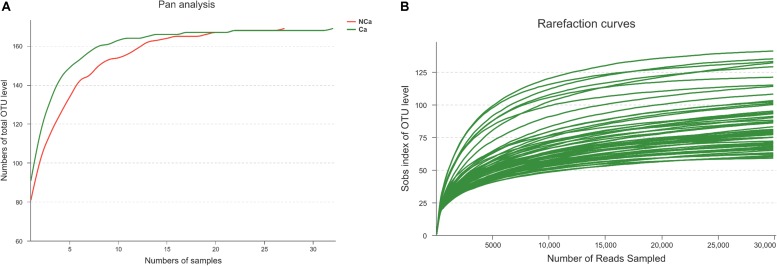
The microbiome profiles of prostatic fluid samples from 32 prostate cancer (PCa) patients and 27 non-PCa people were assessed. Microbiome analysis was assessed by massive 16S ribosomal RNA gene sequencing.
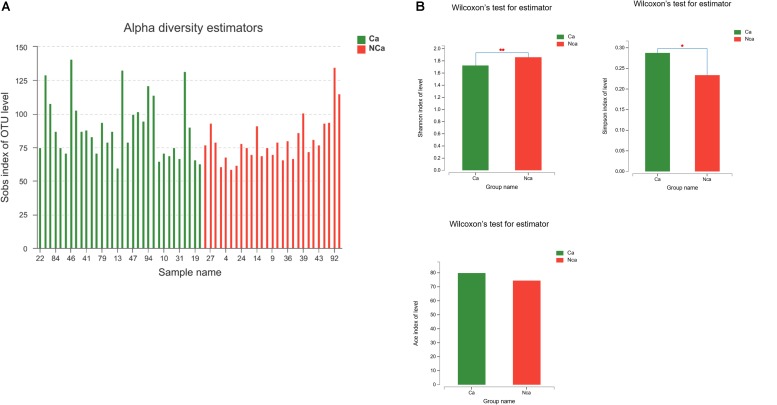
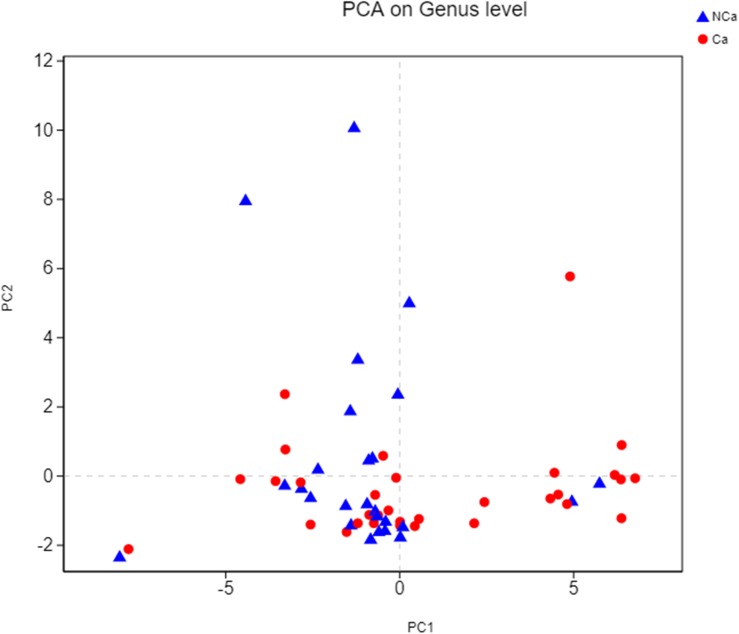
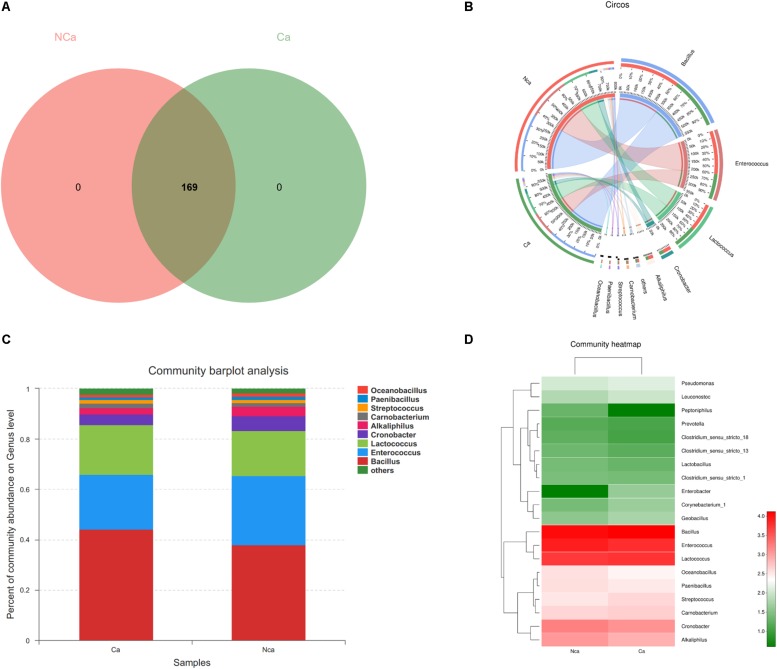
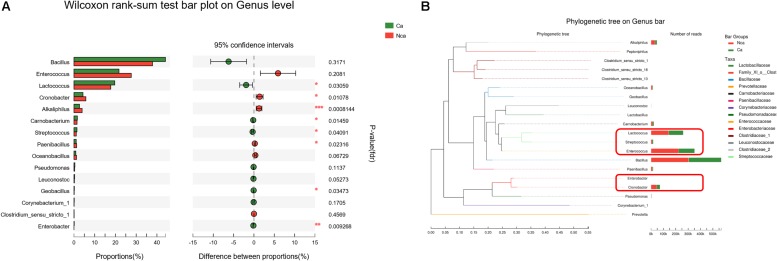
Compared with the NCA group, the microbial diversity was lower in the CA group. There were no specific microbial species in the CA group or NCA group. However, many species, such as those in the genera , , , , , and , showed a significant difference between the CA group and NCA group.
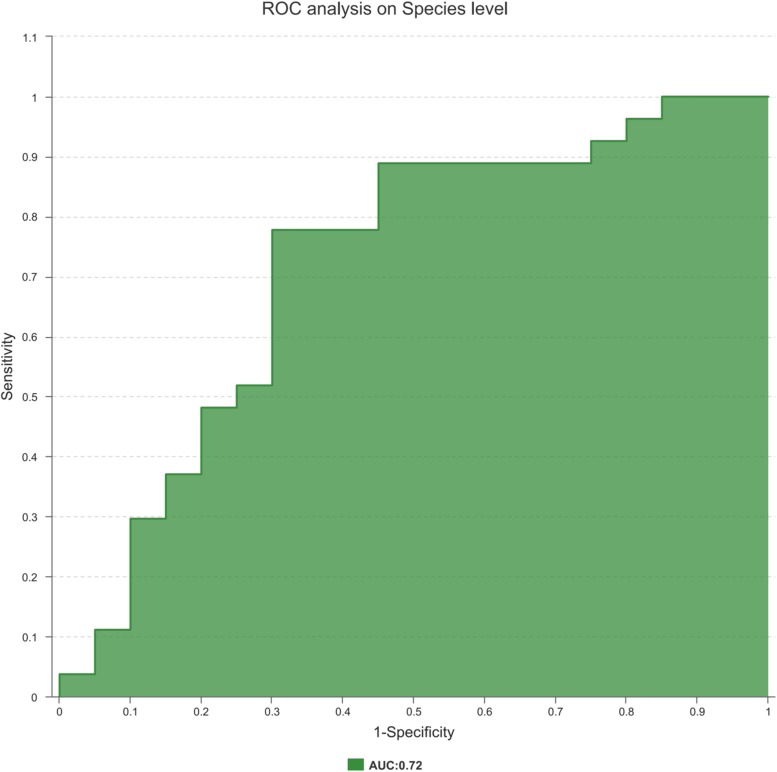
The prostate contains reduced bacteria, suggesting a possible pathophysiological correlation between the composition of the microbiome and PCa. Meanwhile, this study uncovered that the microbiome may be beneficial in maintaining the stability of the microenvironment of the prostate and provides interesting perspectives for the identification of novel biomarkers in high-PSA patients.
探索高前列腺特异性抗原(PSA)患者前列腺液中的微生物群。
评估了32例前列腺癌(PCa)患者和27例非PCa患者前列腺液样本的微生物群谱。通过大规模16S核糖体RNA基因测序进行微生物群分析。
与非癌组相比,癌组的微生物多样性较低。癌组或非癌组中均无特定的微生物种类。然而,许多种类,如 属、 属、 属、 属、 属和 属中的种类,在癌组和非癌组之间存在显著差异。
前列腺中的细菌数量减少,提示微生物群组成与前列腺癌之间可能存在病理生理相关性。同时,本研究发现微生物群可能有助于维持前列腺微环境的稳定性,并为高PSA患者新型生物标志物的识别提供了有趣的视角。