Sheng Ping, Zhu Huirong, Zhang Wenxiu, Xu Yanan, Peng Wenxue, Sun Jing, Gu Mingqi, Jiang Hongchi
Department of General Surgery, Key Laboratory of Hepatosplenic Surgery, Ministry of Education, The First Affiliated Hospital of Harbin Medical University, Harbin 150081, China.
Department of Pathology, The Yanan Affiliated Hospital of Kunming Medical University, Kunming 650000, China.
Ann Transl Med. 2020 Mar;8(6):378. doi: 10.21037/atm.2020.02.14.
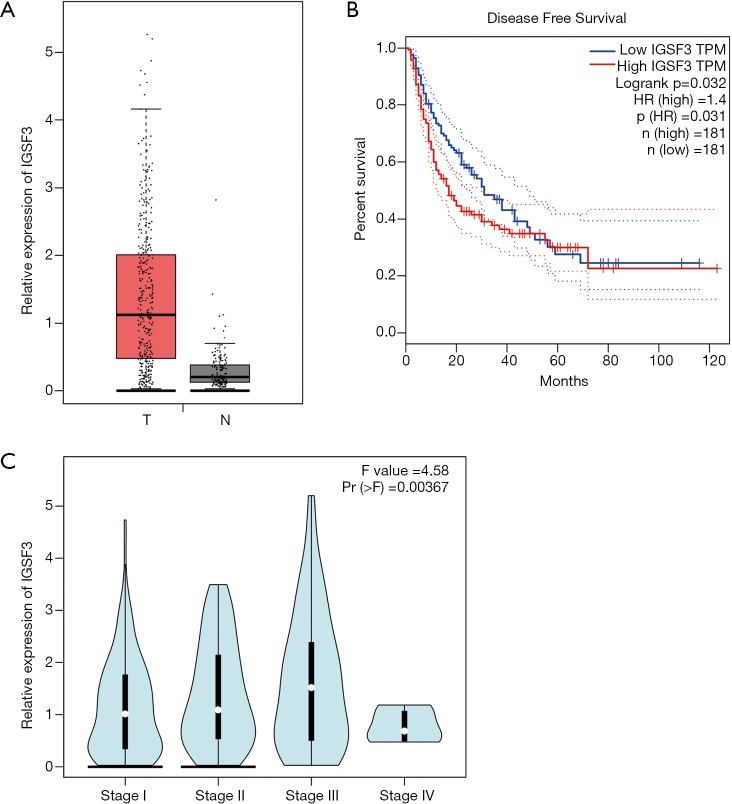
Patients with hepatocellular carcinoma (HCC) suffer from a high fatality rate, likely due to increased incidence of tumor relapse and metastasis. Understanding the molecular mechanisms that contribute to HCC development and progression is vital for the discovery of new treatment targets. This study aims to explore the expression profiles and functions of immunoglobulin superfamily member 3 (IGSF3) in HCC.
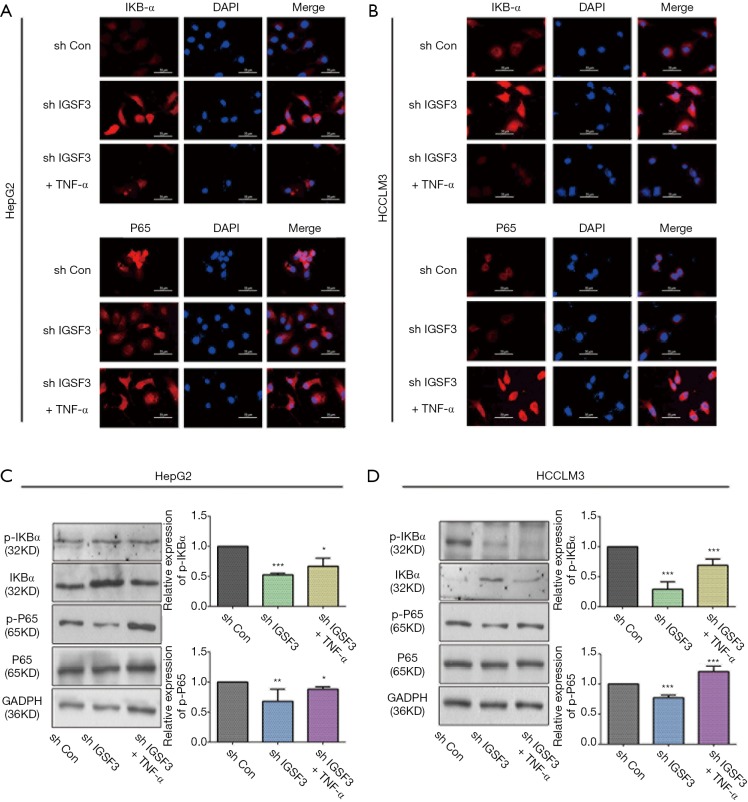
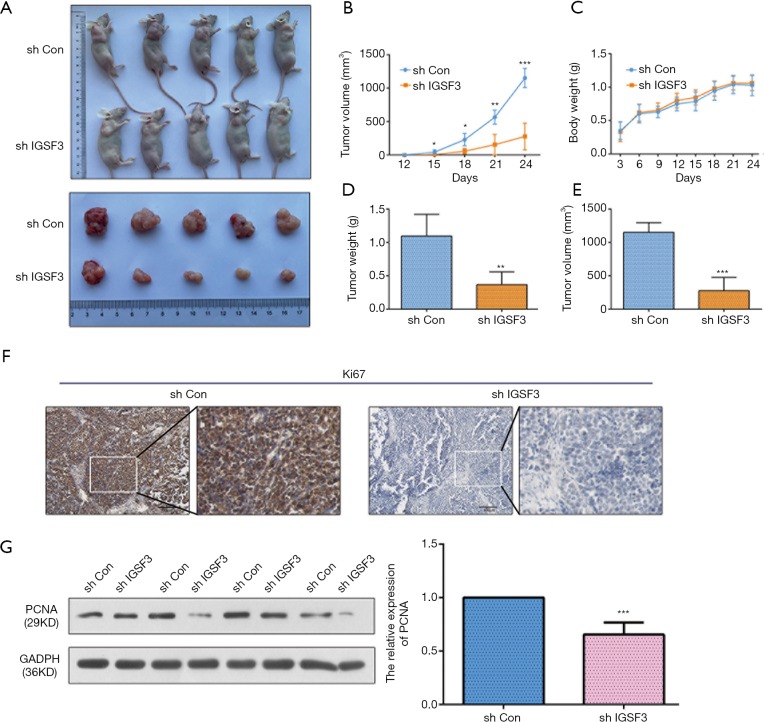
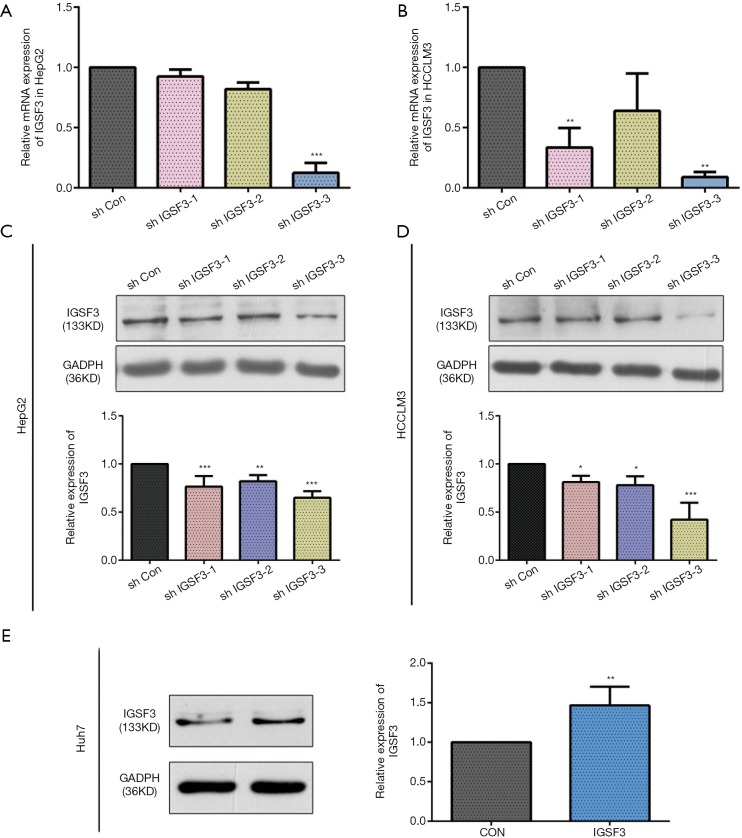
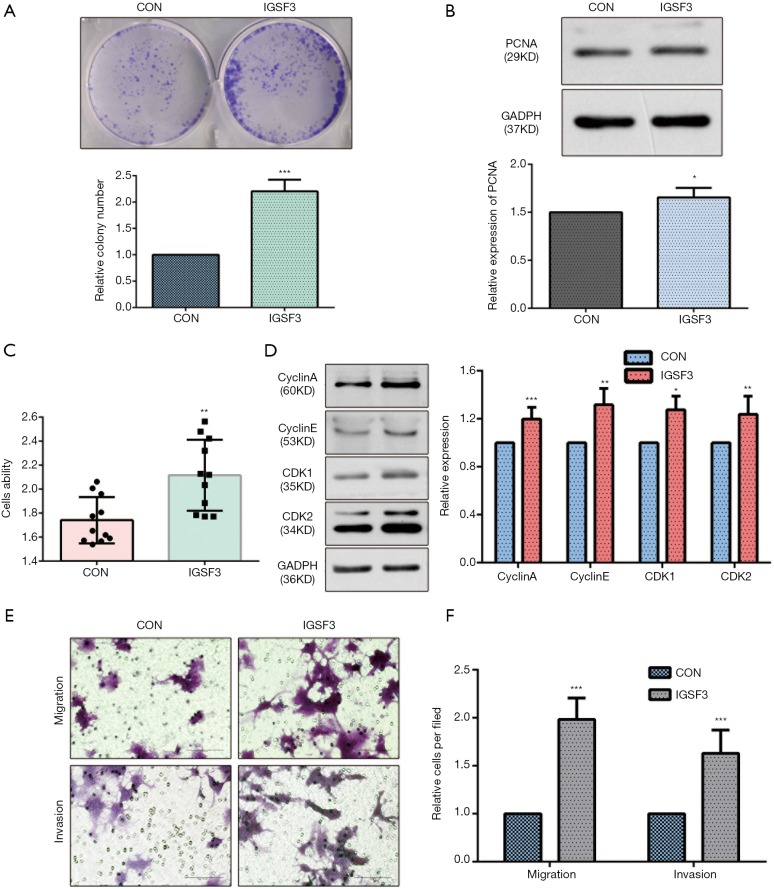
We evaluated IGSF3 levels in HCC and normal tissues using bioinformatics, western blot, quantitative real-time PCR (qRT-PCR), and immunohistochemistry. We also conducted proliferation assays, colony formation assays, flow cytometry, cell migration assay, cell invasion assay, qRT-PCR, and western blotting in HCC cell lines. Immunofluorescence and western blotting further used to study the IGSF3 pathway. A mouse xenograft model was utilized to examine the influence of IGSF3 on HCC growth .
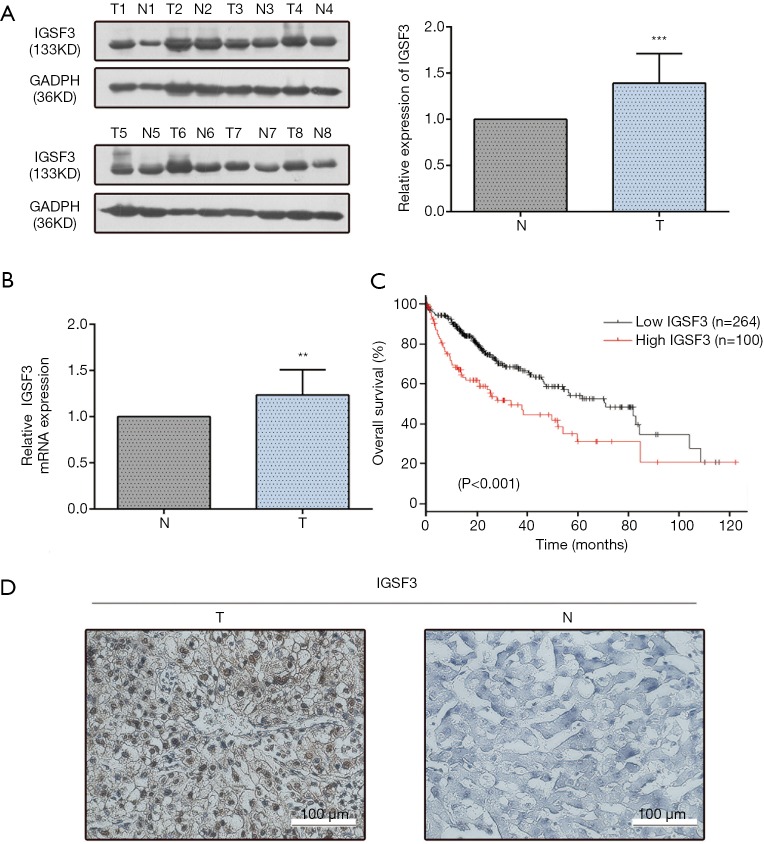
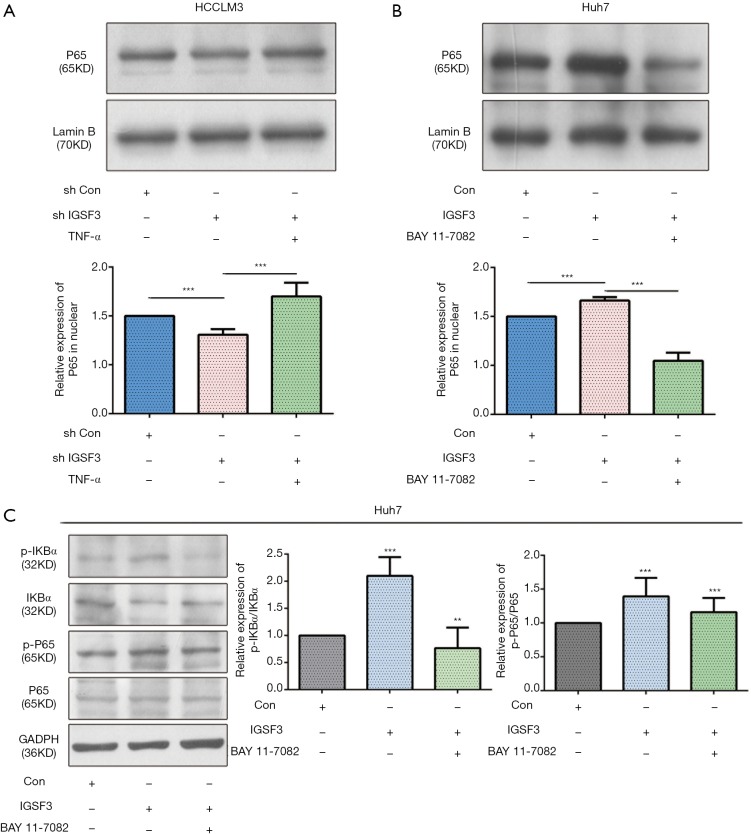
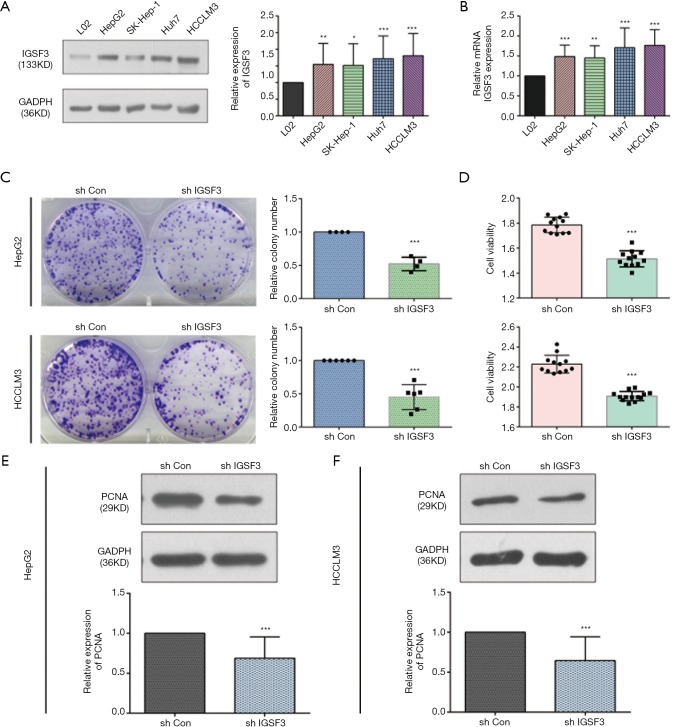
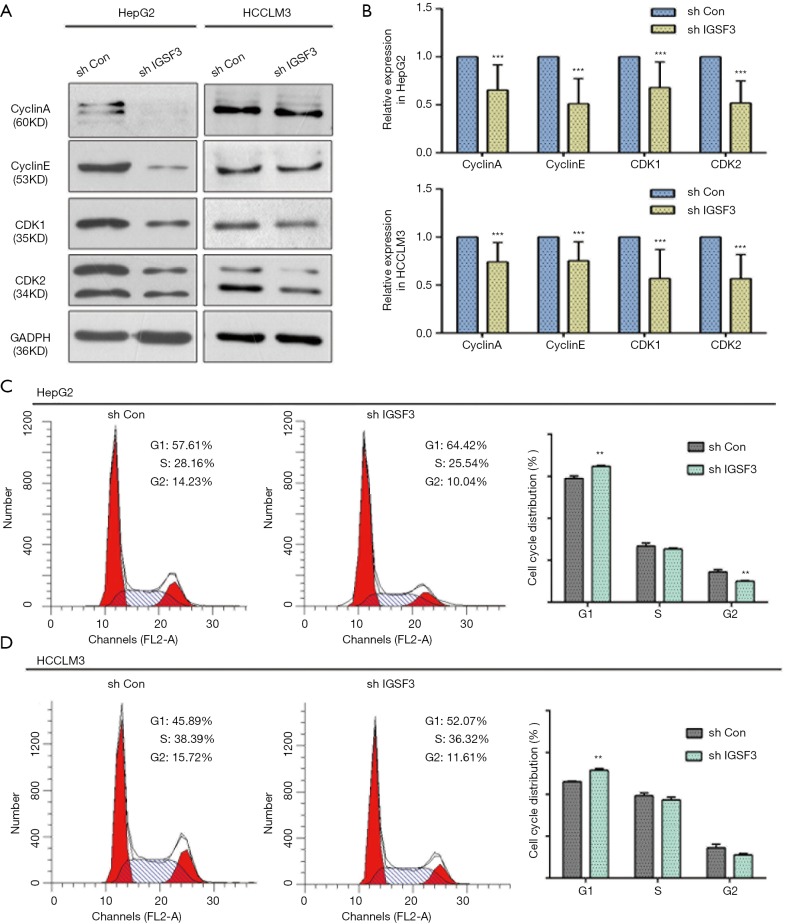
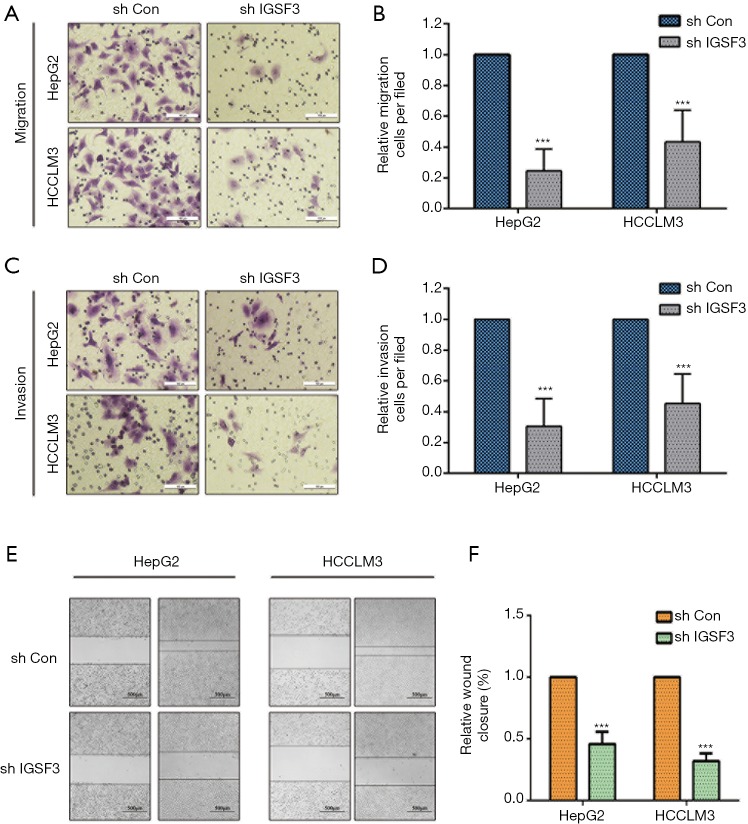
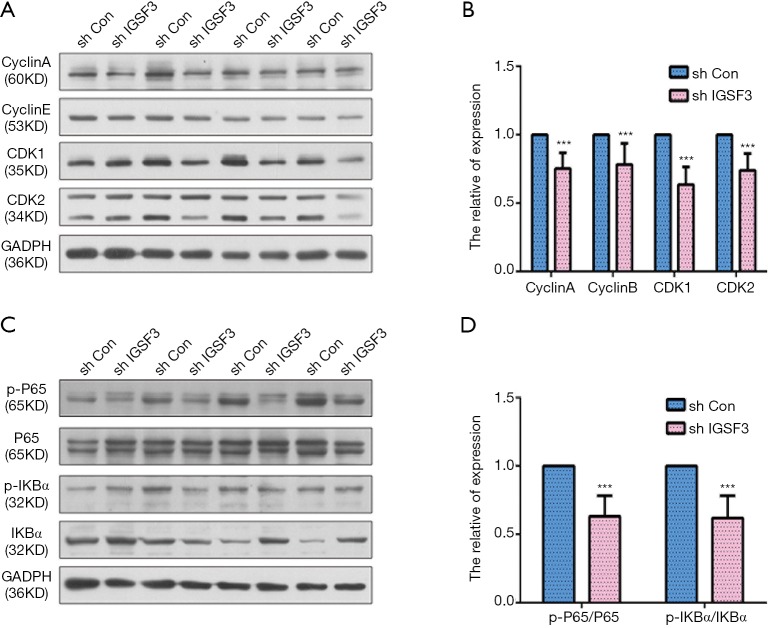
IGSF3 levels were higher in HCC tissues and cell lines. Silencing of IGSF3 via lentiviral vector system (LV) inhibited migration, invasion, and growth of HCC cell lines as well as tumor growth . Overexpression of IGSF3 promoted result . Importantly, we found that IGSF3 activates the NF-κB pathway to promote tumorigenic features in HCC cell lines.
We found that IGSF3 can be used as a novel biomarker for HCC detection. Moreover, IGSF3 elicits HCC progression by activating the NF-κB pathway. As such, our data provides potential options for therapeutic targets in patients with HCC.
肝细胞癌(HCC)患者死亡率很高,这可能是由于肿瘤复发和转移的发生率增加所致。了解促成HCC发生和发展的分子机制对于发现新的治疗靶点至关重要。本研究旨在探讨免疫球蛋白超家族成员3(IGSF3)在HCC中的表达谱及功能。
我们使用生物信息学、蛋白质免疫印迹法、定量实时聚合酶链反应(qRT-PCR)和免疫组织化学评估了HCC组织和正常组织中的IGSF3水平。我们还在HCC细胞系中进行了增殖试验、集落形成试验、流式细胞术、细胞迁移试验、细胞侵袭试验、qRT-PCR和蛋白质免疫印迹法。免疫荧光和蛋白质免疫印迹法进一步用于研究IGSF3信号通路。利用小鼠异种移植模型来检测IGSF3对HCC生长的影响。
HCC组织和细胞系中的IGSF3水平较高。通过慢病毒载体系统(LV)沉默IGSF3可抑制HCC细胞系的迁移、侵袭和生长以及肿瘤生长。IGSF3过表达则促进上述结果。重要的是,我们发现IGSF3激活NF-κB信号通路以促进HCC细胞系中的致瘤特性。
我们发现IGSF3可作为HCC检测的新型生物标志物。此外,IGSF3通过激活NF-κB信号通路引发HCC进展。因此,我们的数据为HCC患者的治疗靶点提供了潜在选择。