Department of Biological Waste Air Purification, Institute for Sanitary Engineering, Water Quality and Solid Waste Management, University of Stuttgart, Bandtaele 2, 70569, Stuttgart, Germany.
Biodegradation. 2020 Jun;31(3):153-169. doi: 10.1007/s10532-020-09900-3. Epub 2020 Apr 30.
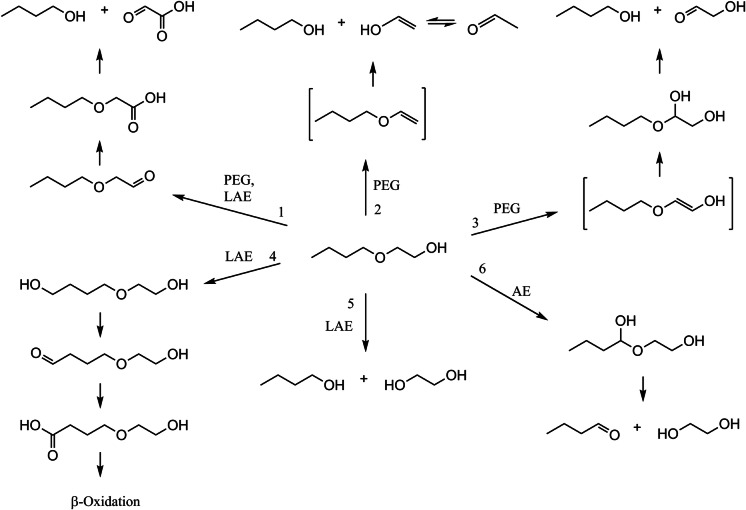
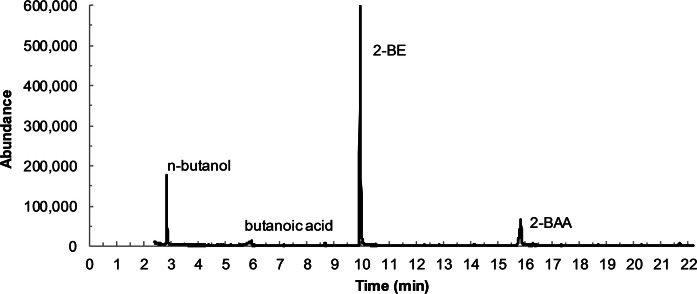
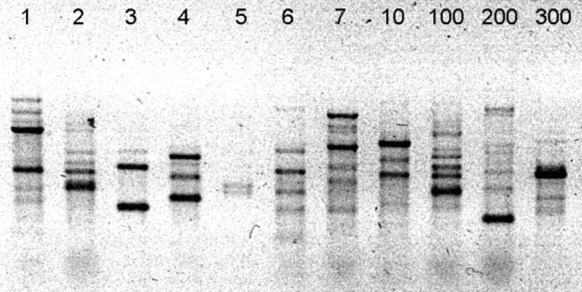
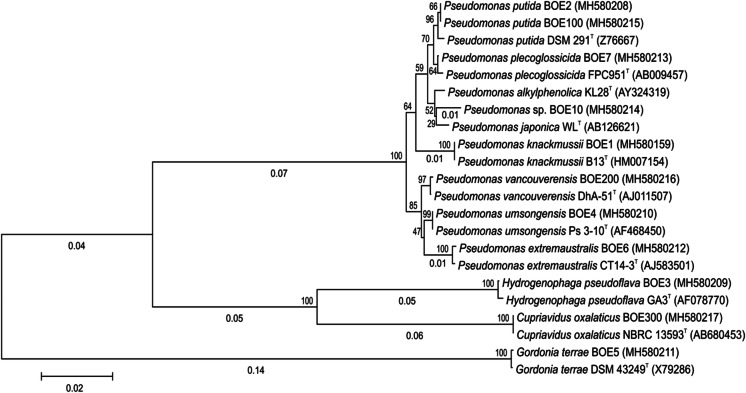
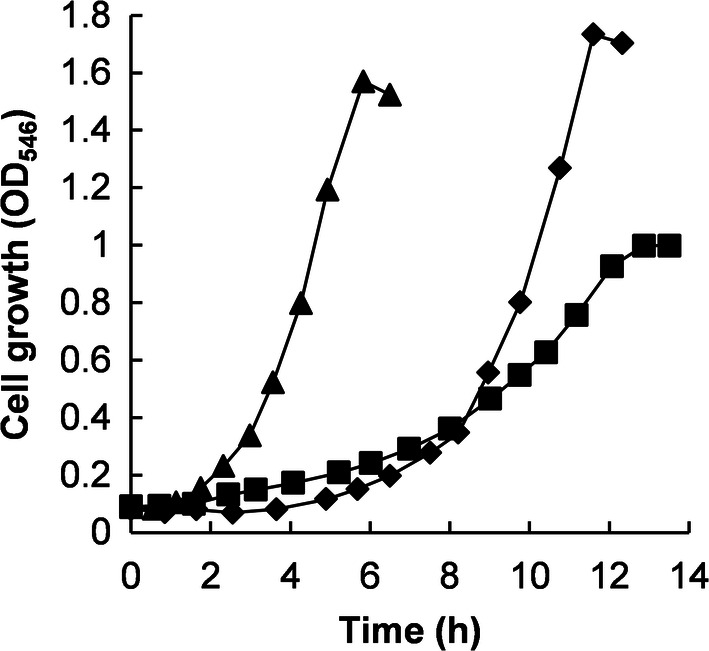
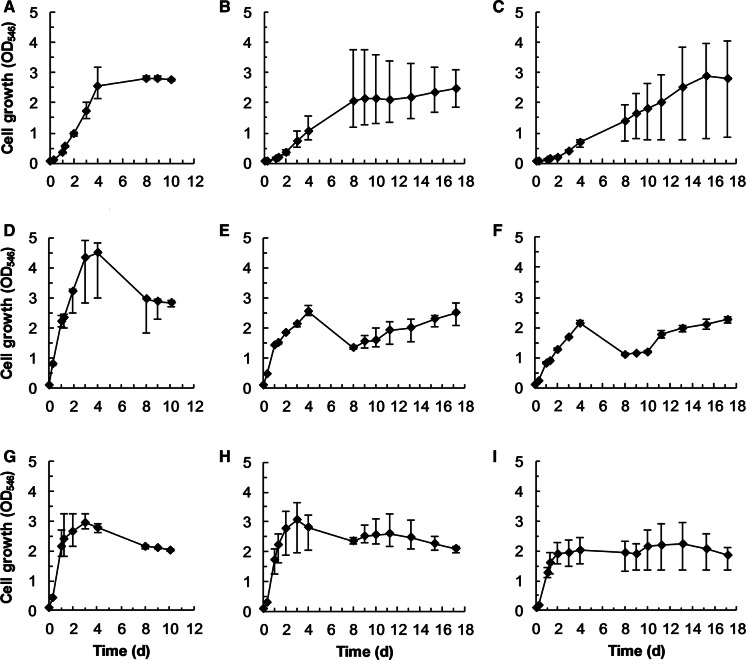
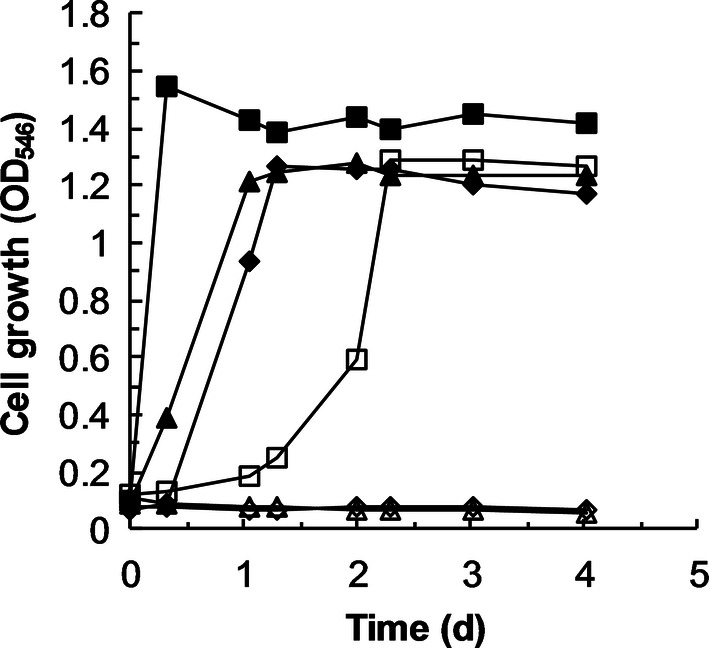
A total of 11 bacterial strains capable of completely degrading 2-butoxyethanol (2-BE) were isolated from forest soil, a biotrickling filter, a bioscrubber, and activated sludge, and identified by 16S rRNA gene sequence analysis. Eight of these strains belong to the genus Pseudomonas; the remaining three strains are Hydrogenophaga pseudoflava BOE3, Gordonia terrae BOE5, and Cupriavidus oxalaticus BOE300. In addition to 2-BE, all isolated strains were able to grow on 2-ethoxyethanol and 2-propoxyethanol, ethanol, n-hexanol, ethyl acetate, 2-butoxyacetic acid (2-BAA), glyoxylic acid, and n-butanol. Apart from the only gram-positive strain isolated, BOE5, none of the strains were able to grow on the nonpolar ethers diethyl ether, di-n-butyl ether, n-butyl vinyl ether, and dibenzyl ether, as well as on 1-butoxy-2-propanol. Strains H. pseudoflava BOE3 and two of the isolated pseudomonads, Pseudomonas putida BOE100 and P. vancouverensis BOE200, were studied in more detail. The maximum growth rates of strains BOE3, BOE100, and BOE200 at 30 °C were 0.204 h at 4 mM, 0.645 h at 5 mM, and 0.395 h at 6 mM 2-BE, respectively. 2-BAA, n-butanol, and butanoic acid were detected as potential metabolites during the degradation of 2-BE. These findings indicate that the degradation of 2-BE by the isolated gram-negative strains proceeds via oxidation to 2-BAA with subsequent cleavage of the ether bond yielding glyoxylate and n-butanol. Since Gordonia terrae BOE5 was the only strain able to degrade nonpolar ethers like diethyl ether, the degradation pathway of 2-BE may be different for this strain.
从森林土壤、生物滴滤塔、生物洗涤器和活性污泥中分离到了 11 株能够完全降解 2-丁氧基乙醇(2-BE)的细菌菌株,通过 16S rRNA 基因序列分析进行了鉴定。其中 8 株属于假单胞菌属;其余 3 株分别为黄单胞菌属的 Hydrogenophaga pseudoflava BOE3、戈登氏菌属的 Gordonia terrae BOE5 和铜绿假单胞菌属的 Cupriavidus oxalaticus BOE300。除了 2-BE,所有分离到的菌株都能够在 2-乙氧基乙醇和 2-丙氧基乙醇、乙醇、正己醇、乙酸乙酯、2-丁氧基乙酸(2-BAA)、乙醛酸和正丁醇上生长。除了唯一分离到的革兰氏阳性菌株 BOE5 外,没有任何菌株能够在非极性醚二乙醚、二正丁醚、正丁基乙烯基醚和二苄基醚以及 1-丁氧基-2-丙醇上生长。对黄单胞菌属的 H. pseudoflava BOE3 和分离到的两种假单胞菌,即 Pseudomonas putida BOE100 和 P. vancouverensis BOE200 进行了更详细的研究。在 30°C 时,菌株 BOE3、BOE100 和 BOE200 的最大生长速率分别为 4mM 时 0.204h、5mM 时 0.645h 和 6mM 时 0.395h。在 2-BE 的降解过程中,检测到 2-BAA、正丁醇和丁酸是潜在的代谢物。这些发现表明,分离到的革兰氏阴性菌通过氧化作用将 2-BE 降解为 2-BAA,随后醚键断裂生成乙醛酸和正丁醇。由于 Gordonia terrae BOE5 是唯一能够降解二乙醚等非极性醚的菌株,因此该菌株降解 2-BE 的途径可能不同。