Department of Molecular Biology, Genentech, South San Francisco, CA.
Department of Cancer Immunology, Genentech, South San Francisco, CA.
J Exp Med. 2020 Jul 6;217(7). doi: 10.1084/jem.20191692.
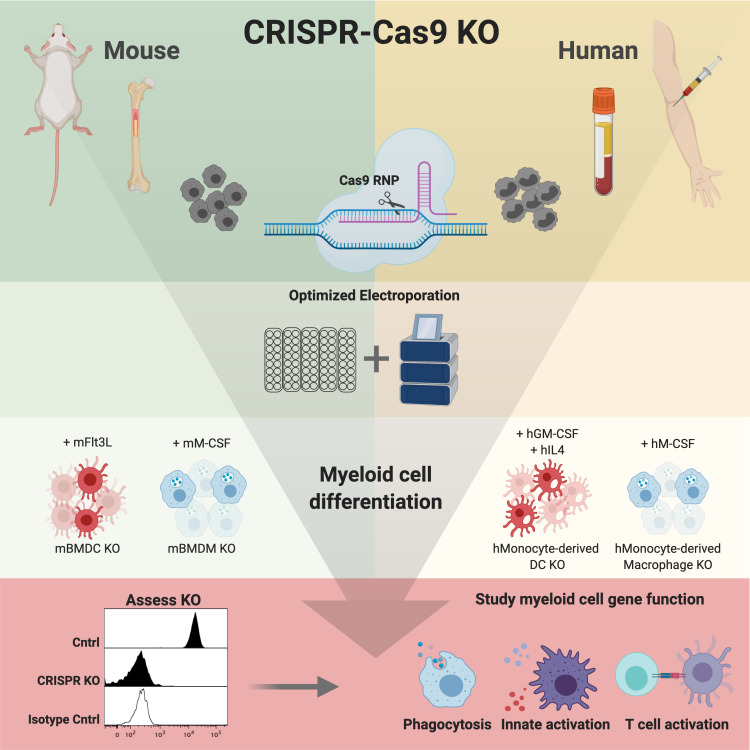
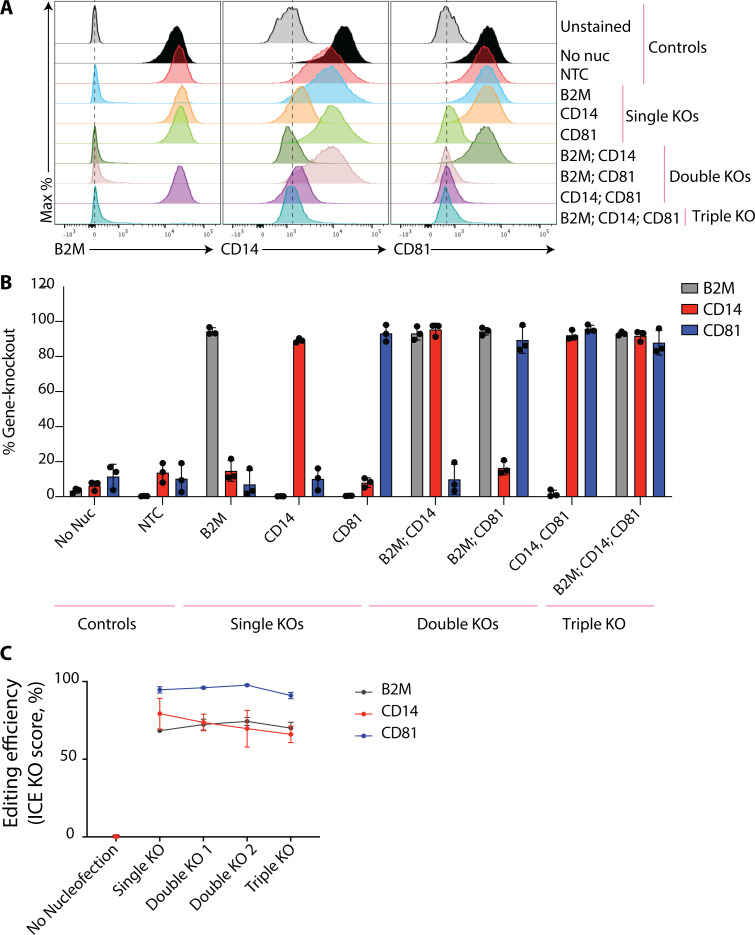
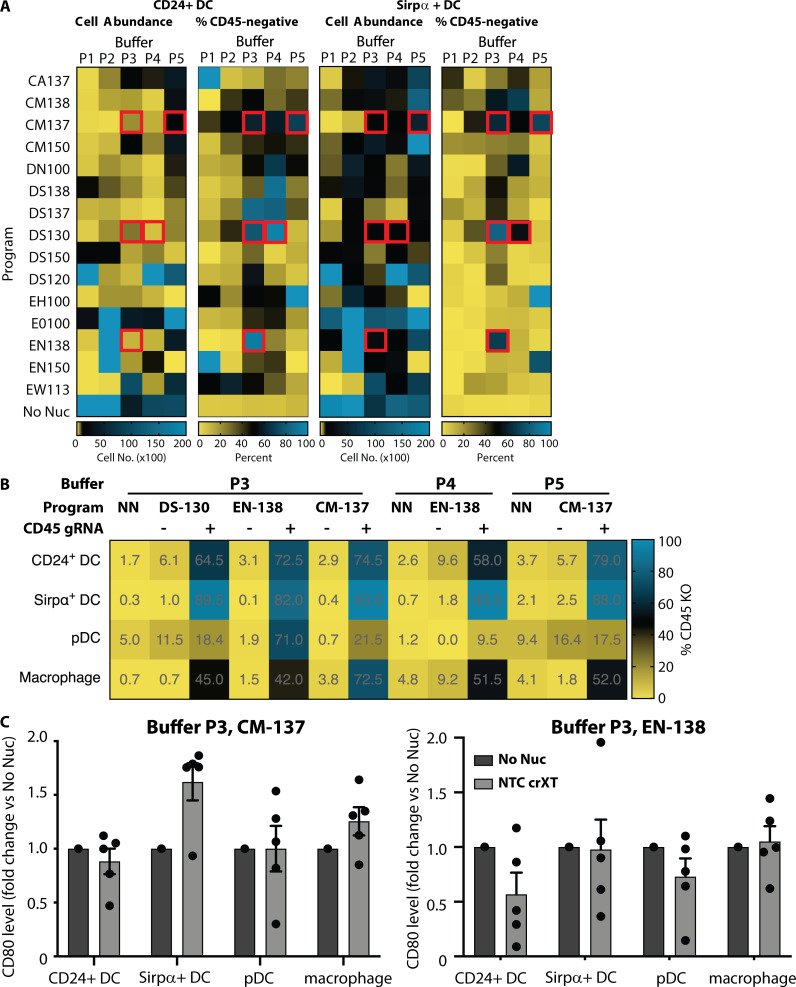
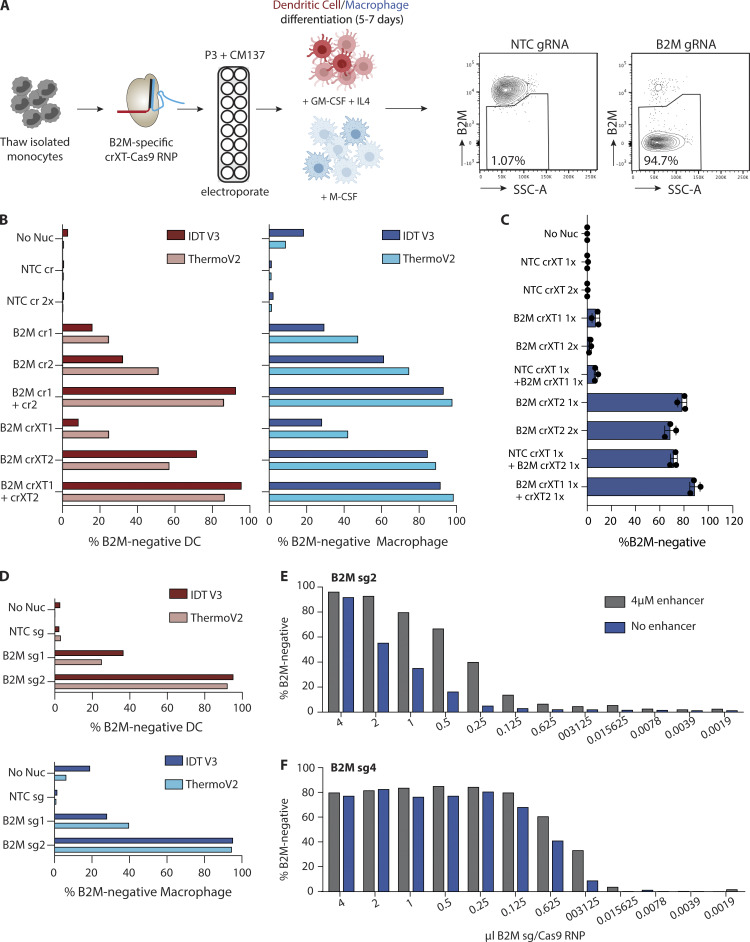
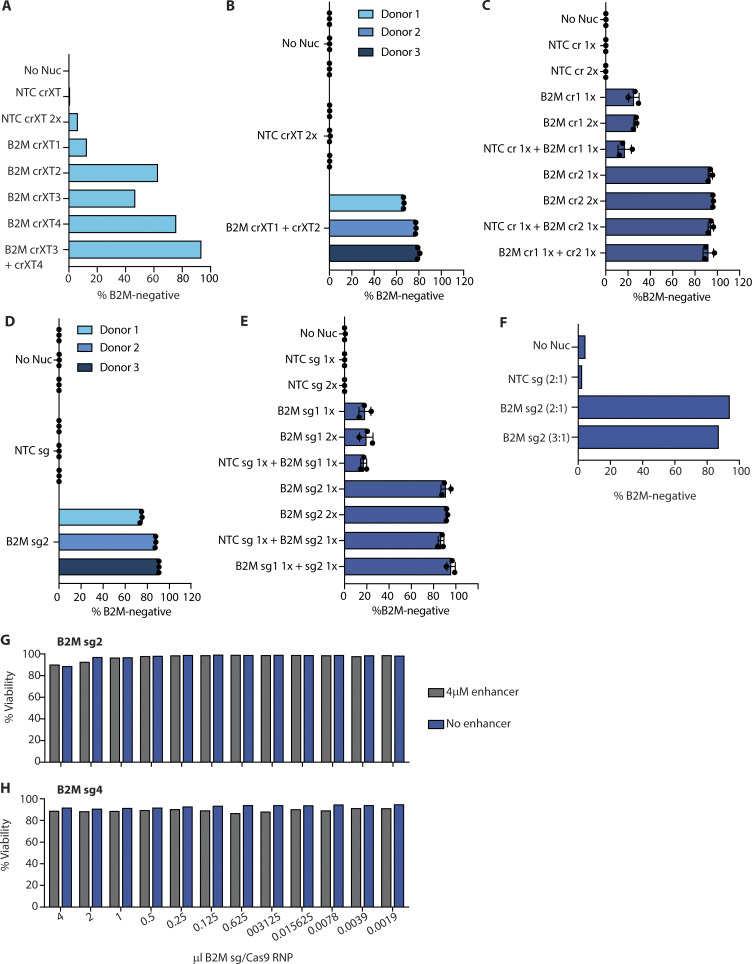
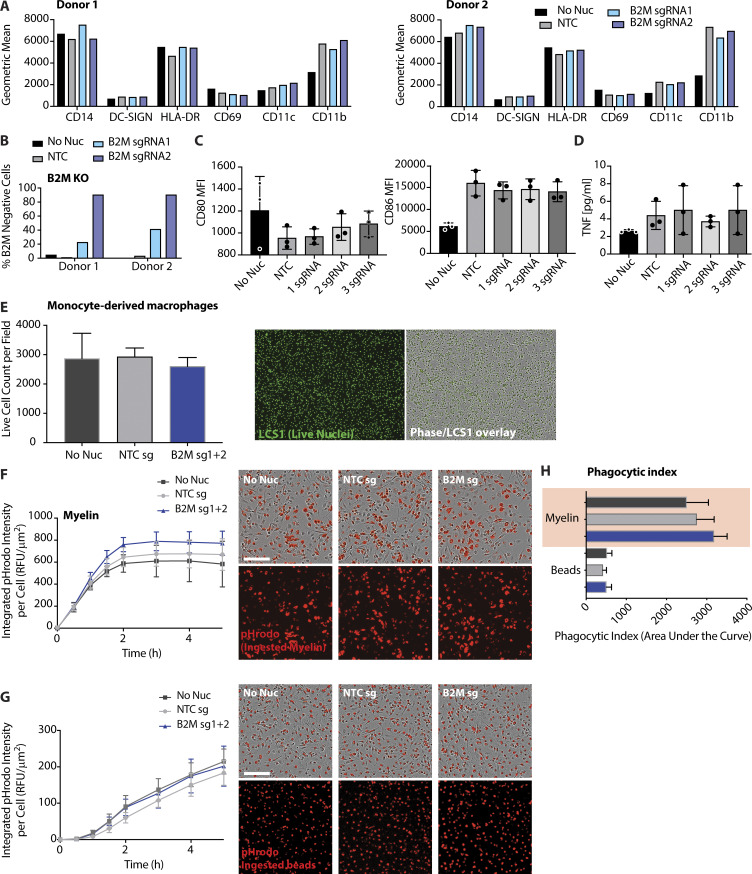
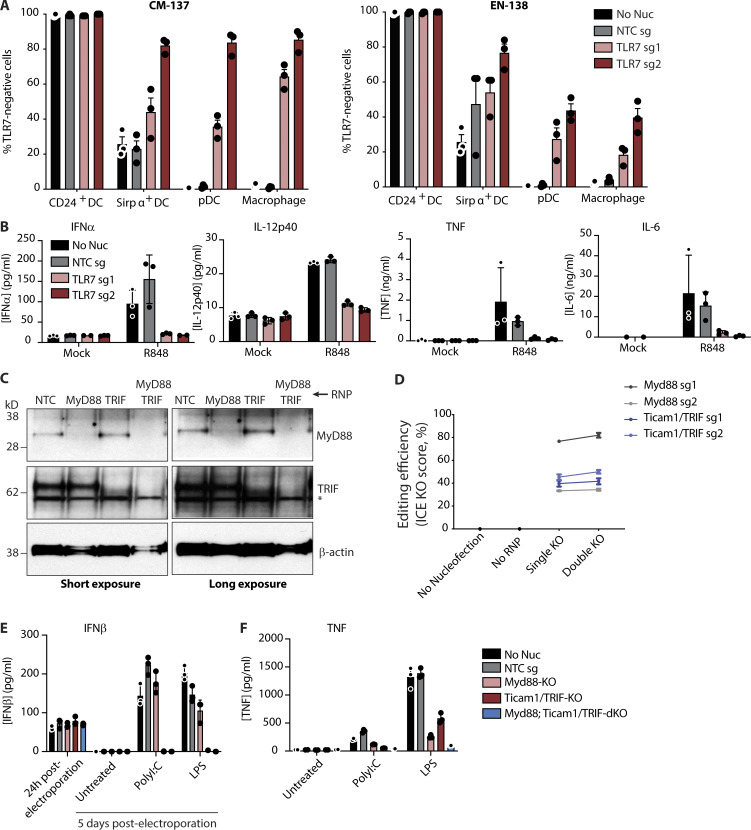
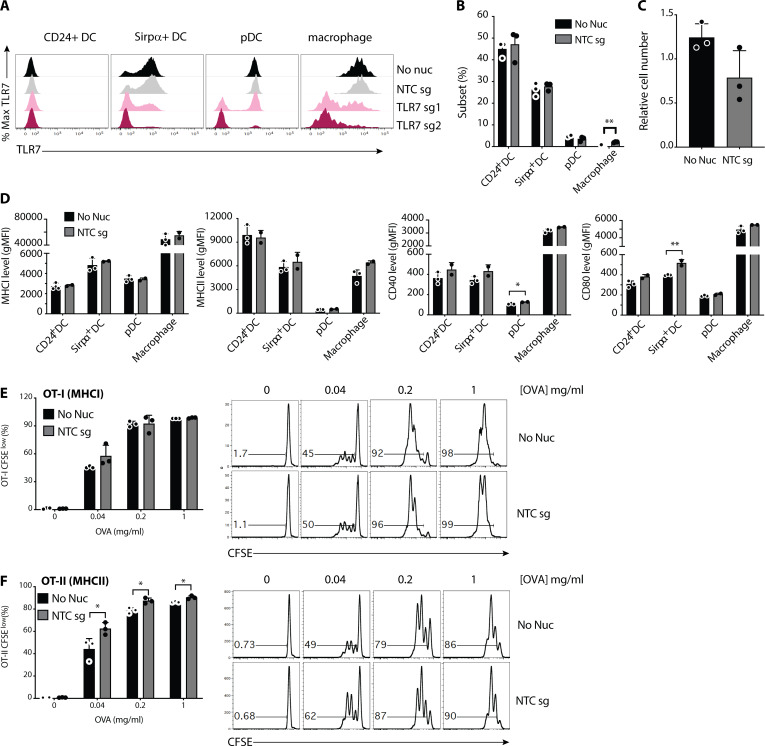
Myeloid cells play critical and diverse roles in mammalian physiology, including tissue development and repair, innate defense against pathogens, and generation of adaptive immunity. As cells that show prolonged recruitment to sites of injury or pathology, myeloid cells represent therapeutic targets for a broad range of diseases. However, few approaches have been developed for gene editing of these cell types, likely owing to their sensitivity to foreign genetic material or virus-based manipulation. Here we describe optimized strategies for gene disruption in primary myeloid cells of human and murine origin. Using nucleofection-based delivery of Cas9-ribonuclear proteins (RNPs), we achieved near population-level genetic knockout of single and multiple targets in a range of cell types without selection or enrichment. Importantly, we show that cellular fitness and response to immunological stimuli is not significantly impacted by the gene editing process. This provides a significant advance in the study of myeloid cell biology, thus enabling pathway discovery and drug target validation across species in the field of innate immunity.
髓样细胞在哺乳动物生理学中发挥着关键且多样化的作用,包括组织发育和修复、先天防御病原体以及产生适应性免疫。作为对损伤或病变部位有长期募集作用的细胞,髓样细胞是广泛疾病的治疗靶点。然而,针对这些细胞类型的基因编辑方法很少,这可能是由于它们对外源遗传物质或基于病毒的操作敏感。在这里,我们描述了优化的人类和鼠来源原代髓样细胞基因敲除策略。使用核转染 Cas9-核糖核蛋白(RNP),我们在无需选择或富集的情况下,在一系列细胞类型中实现了单个和多个靶标的近乎群体水平的遗传敲除。重要的是,我们表明,基因编辑过程对细胞活力和免疫刺激的反应没有显著影响。这在髓样细胞生物学研究方面取得了重大进展,从而能够在天然免疫领域跨物种进行通路发现和药物靶点验证。