Ntourtoglou George, Tsapou Evangelia Anastasia, Drosou Fotini, Bozinou Eleni, Lalas Stavros, Tataridis Panagiotis, Dourtoglou Vassilis
Department of Wine, Vine and Beverage Sciences, University of West Attica, Athens, Greece.
Department of Food Science and Nutrition, University of Thessaly, Karditsa, Greece.
Front Bioeng Biotechnol. 2020 Apr 17;8:297. doi: 10.3389/fbioe.2020.00297. eCollection 2020.
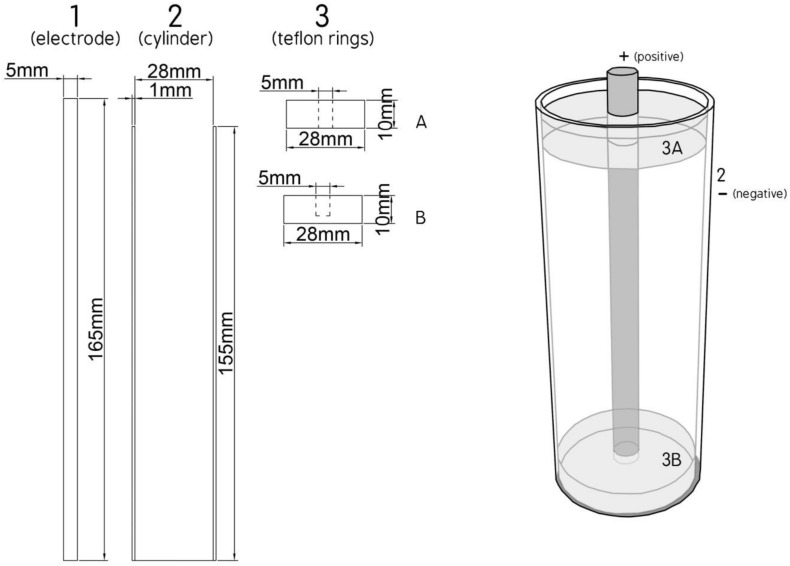
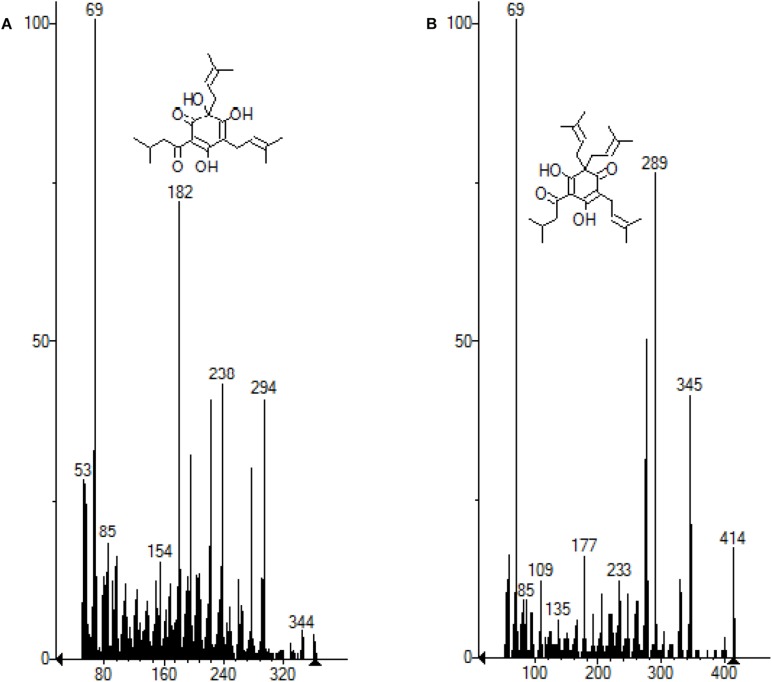
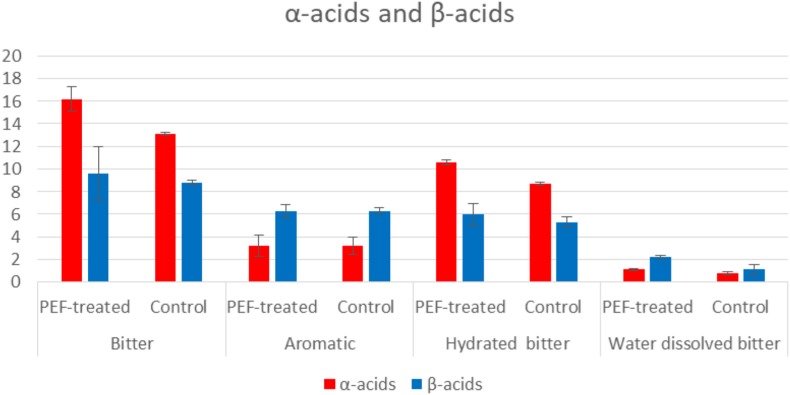
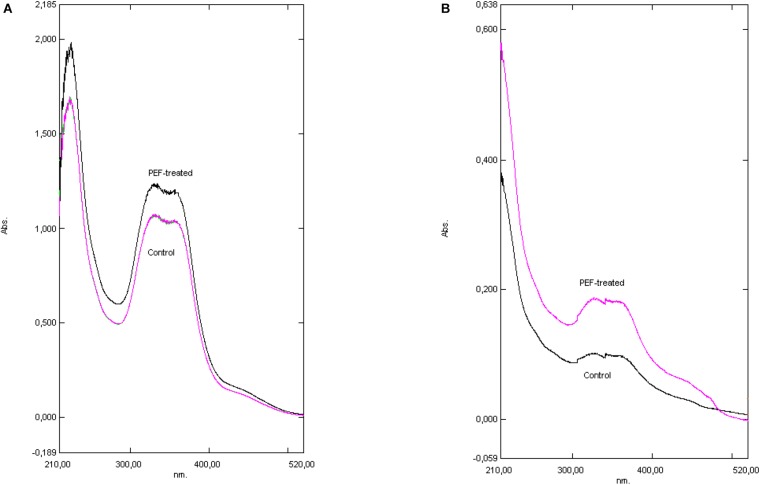
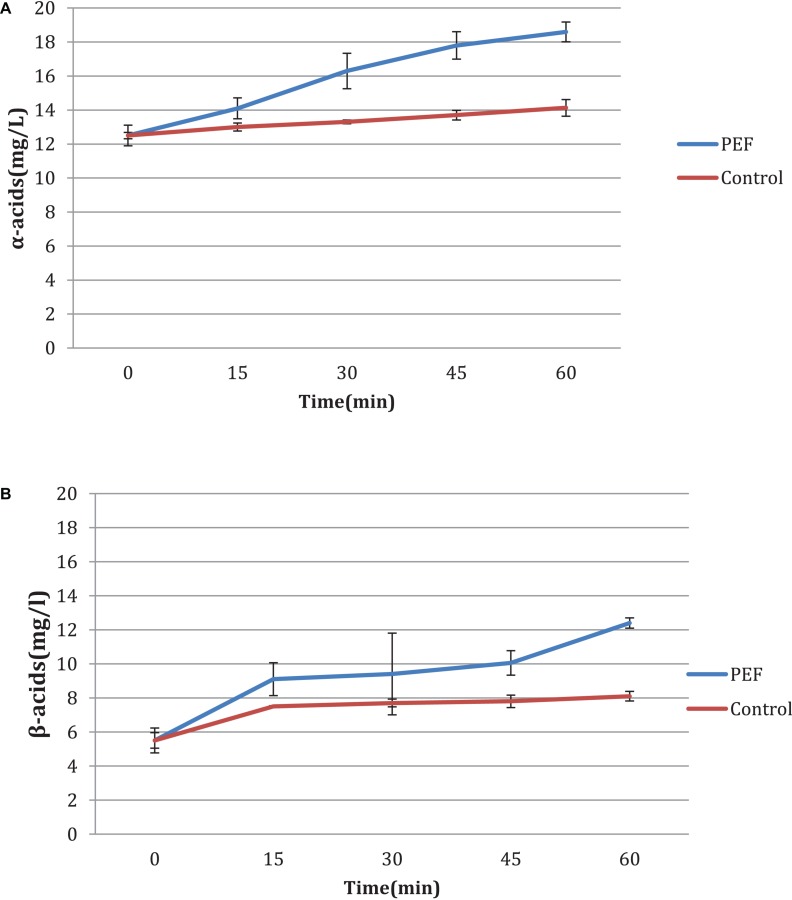
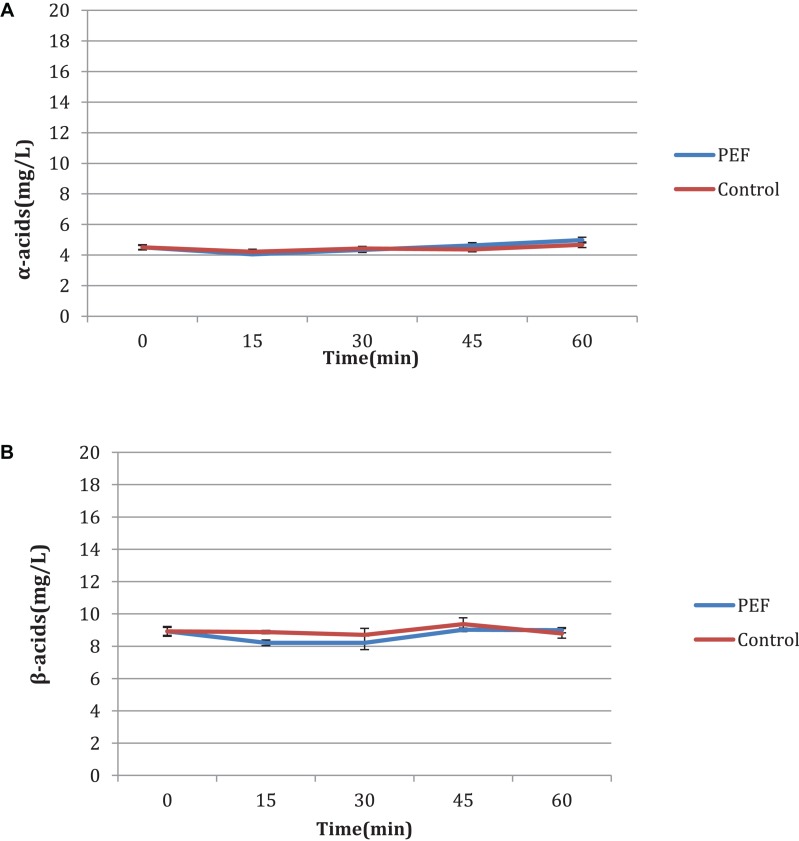
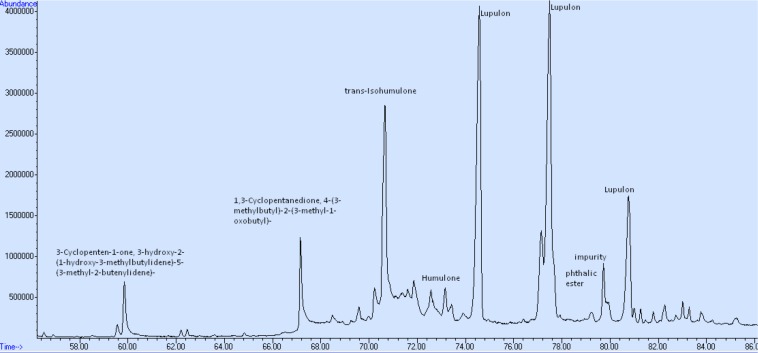
This paper investigates the process of extracting hop pellets (hops) utilizing the pulsed electric field (PEF) technique and the contrasting effects of the technique between two distinct hop varieties (one bitter and one aromatic). The effect of PEF on the extraction was evaluated by measuring the concentration of α-acids and β-acids (humulones and lupulones). Regarding the aromatic character, the hop's volatile caryophyllene, humulene and β-myrcene were analyzed both with and without employing the PEF treatment. In order to analyze the acids and the volatile fraction, the analytical method of UV-vis spectrophotometry was applied followed by gas chromatography coupled with mass spectrometry. For the second technique, the extracts were previously purified through a Graphitized Carbon Black syringe for Solid Phase Extraction. The results revealed that PEF had a positive impact on the alpha acids of bitter hops by increasing the extraction rate of these acids by 20%, while the volatiles demonstrated an increase of 5.6 and 7.4% for humulene and caryophyllene, respectively. Concerning the aromatic variety of hops, the PEF treatment appeared to have no noteworthy effects.
本文研究了利用脉冲电场(PEF)技术提取啤酒花颗粒(啤酒花)的过程,以及该技术在两种不同啤酒花品种(一种苦味型和一种香型)之间的对比效果。通过测量α-酸和β-酸(葎草酮和蛇麻酮)的浓度来评估PEF对提取的影响。关于香气特征,对采用和未采用PEF处理的啤酒花中的挥发性石竹烯、葎草烯和β-月桂烯进行了分析。为了分析酸类和挥发性成分,采用紫外可见分光光度法进行分析,随后进行气相色谱-质谱联用分析。对于第二种技术,提取物事先通过用于固相萃取的石墨化炭黑注射器进行了纯化。结果表明,PEF对苦味啤酒花的α-酸有积极影响,使这些酸的提取率提高了20%,而葎草烯和石竹烯的挥发性成分分别增加了5.6%和7.4%。对于香型啤酒花品种,PEF处理似乎没有显著影响。